Fall-Themed Board Games for Kids: Cozy, Colorful Fun for Little Gamers

As the leaves crunch underfoot and the scent of cinnamon fills the air, fall is the perfect time to trade screen time for family game time. Whether it’s a rainy afternoon or a post-pumpkin-patch wind-down, fall-themed board games are a great way to keep kids entertained, engaged, and learning — all while celebrating the magic of the season.

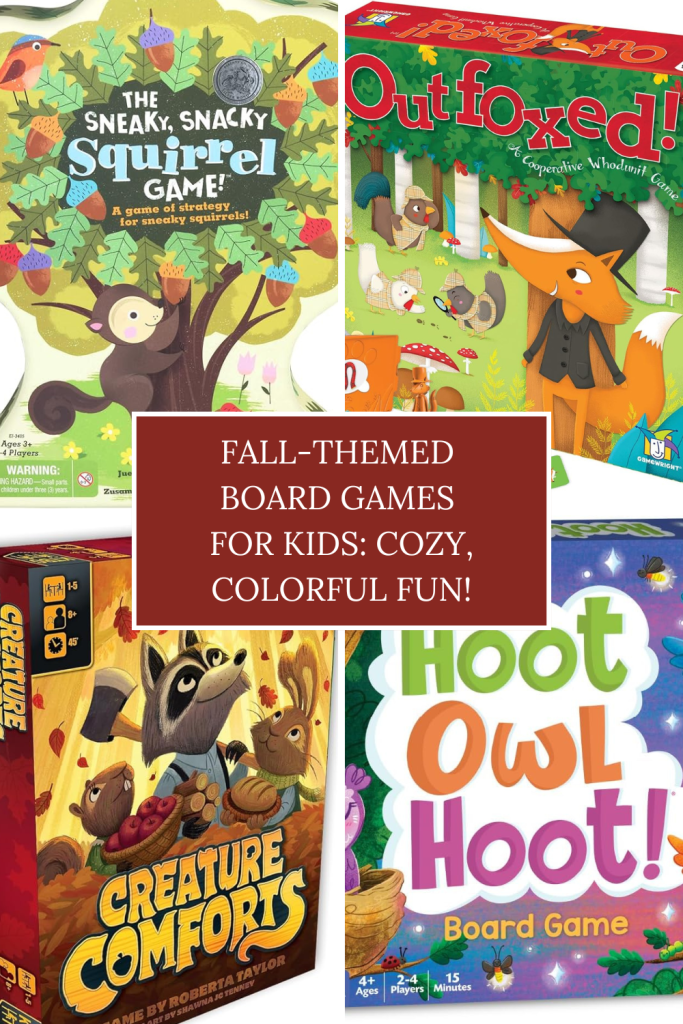
From woodland creatures to apple harvests, here are our favorite fall-themed board games just for kids — full of cozy vibes, vibrant colors, and age-appropriate fun!

1. Outfoxed!
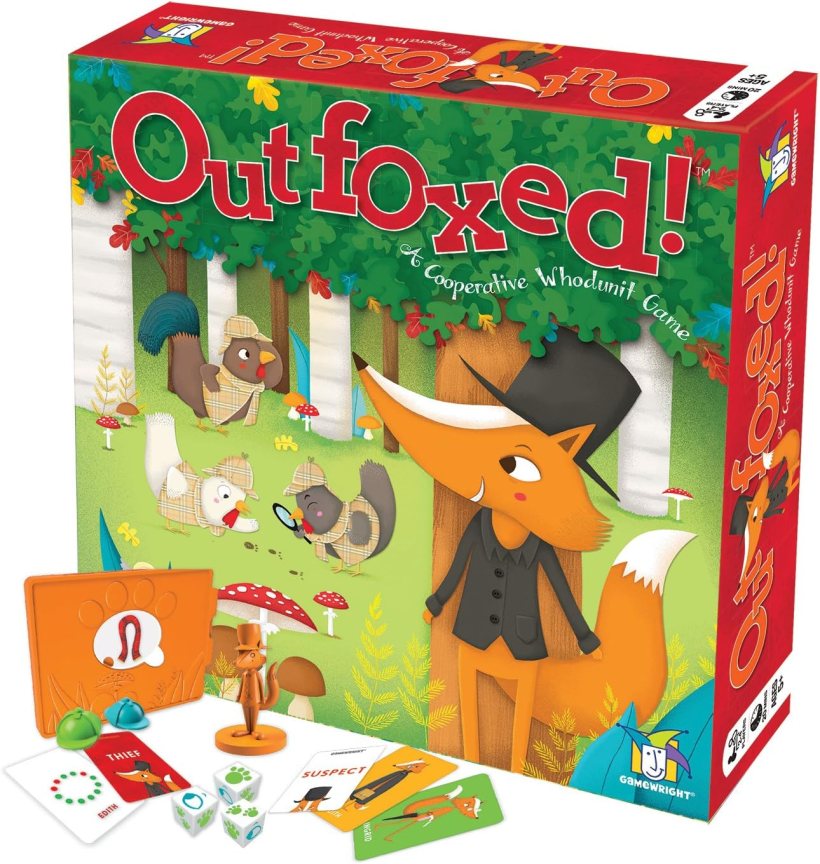
Ages: 5+ | Players: 2–4 | Play Time: 20–30 minutes

In this cooperative detective game, players work together to find out which sneaky fox stole a pie! Using dice, deduction, and a clever clue-revealing gadget, kids solve the mystery before the fox escapes.

Why it’s great for fall: Wholesome woodland characters, cozy pies, and teamwork-focused fun make this perfect for autumn play.

2. Sneaky Snacky Squirrel Game
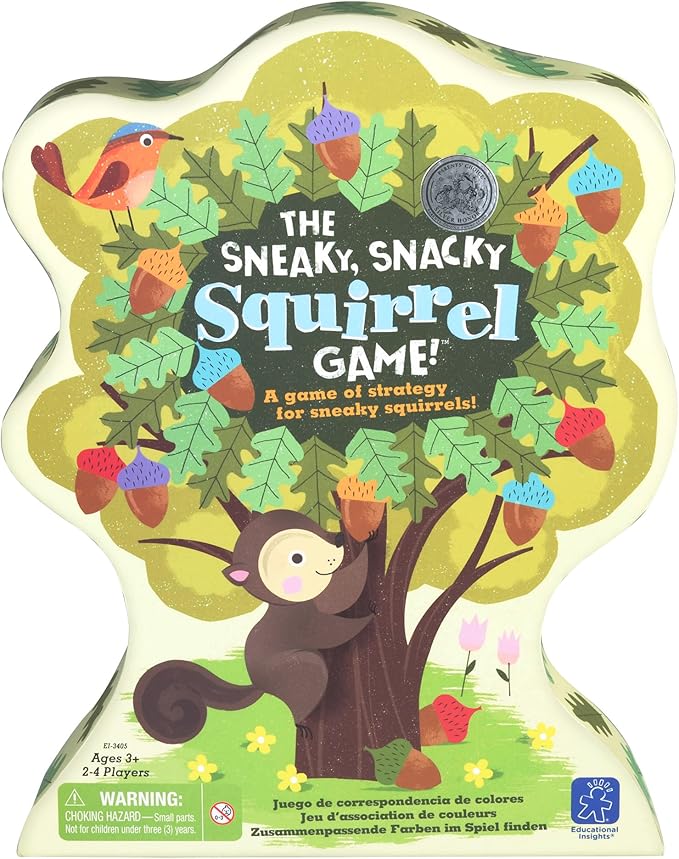
Ages: 3+ | Players: 2–4 | Play Time: 15–20 minutes

This adorable game has kids spin to collect colorful acorns and use a “squirrel squeezer” to place them in their tree stump. It’s simple, fast, and fantastic for fine motor skills and color recognition.

Why it’s great for fall: A forest setting, acorn collection, and fuzzy critters make it a seasonal staple for preschoolers.

3. Hoot Owl Hoot!
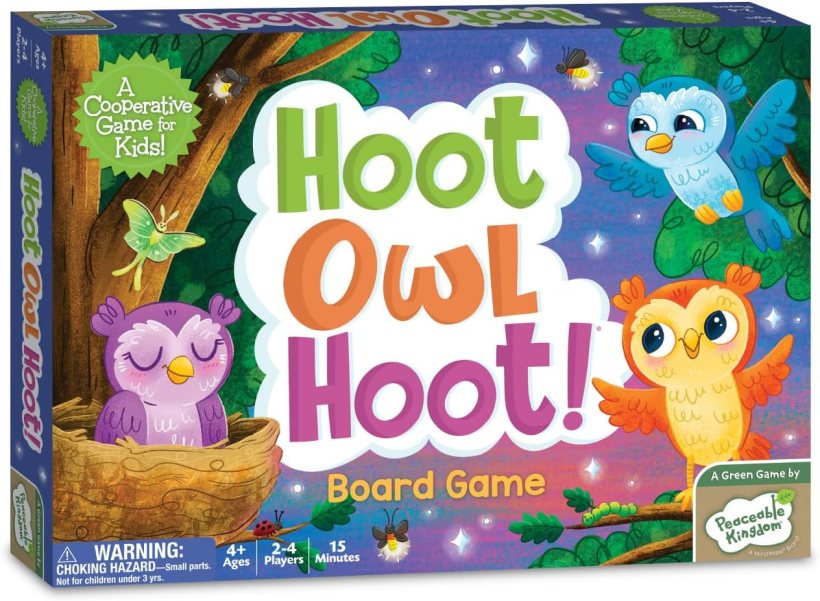
Ages: 4+ | Players: 2–4 | Play Time: 15–20 minutes

In this cooperative game from Peaceable Kingdom, kids work together to help little owls get back to their nest before the sun rises. It’s color-based, simple to learn, and stress-free — perfect for young learners.

Why it’s great for fall: Owls, nighttime forest settings, and a teamwork vibe make it ideal for autumn evenings.

4. Harvest Time

Ages: 3+ | Players: 1–6 | Play Time: 15-20 minutes

Players work together to gather fruits and vegetables from their gardens before the first frost arrives. Each turn brings a chance to harvest or a snowflake that moves winter closer. Everyone wins or loses as a team, making it perfect for younger kids and cooperative play.

Why it’s great for fall: Capturing the spirit of autumn with its focus on gathering crops before winter. It’s a cozy, seasonal game that fits beautifully into fall family nights or classroom activities, reinforcing themes of teamwork, nature, and seasonal change.

5. First Orchard (HABA)
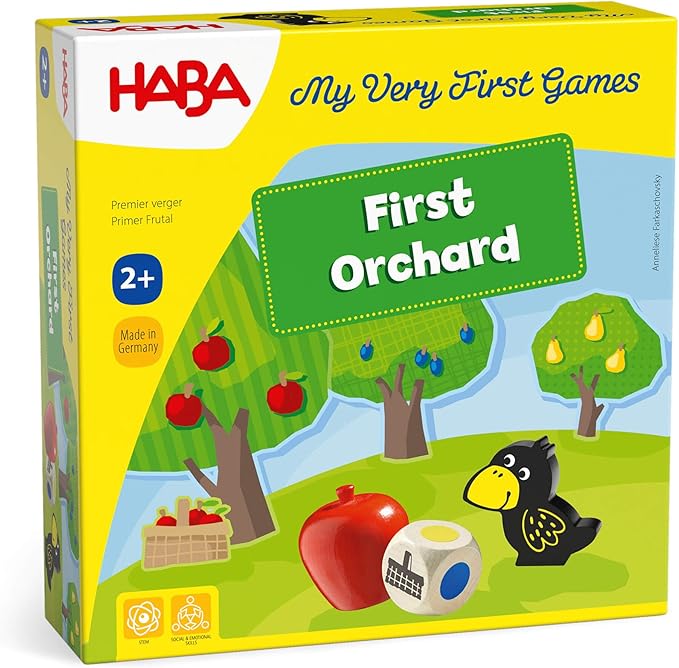
Ages: 2+ | Players: 1–4 | Play Time: 10–15 minutes

Perfect for toddlers and preschoolers, this simplified cooperative game lets players pick fruit before the pesky raven reaches the orchard. It encourages counting, teamwork, and early game-playing skills.

Why it’s great for fall: Bright fruit colors, wooden pieces, and a gentle harvest theme make it a great pick for littlest gamers.

6. Creature Comforts
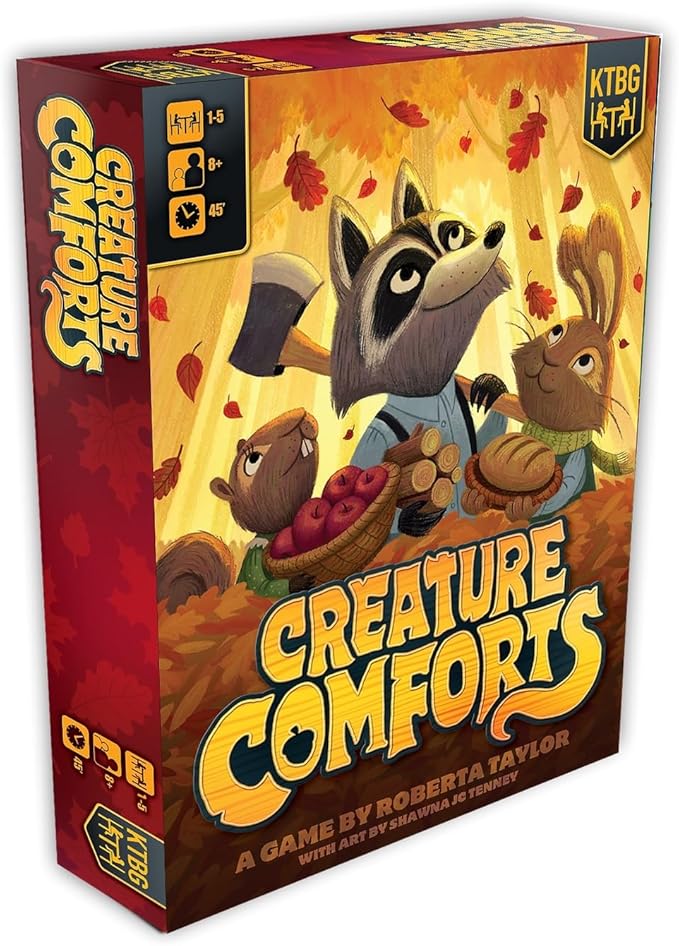
Ages: 8+ | Players: 1–5 | Play Time: 45-60 minutes

Players are woodland animals gathering resources and crafting cozy items to prepare for winter. Each round, you plan actions using dice and send your critters to the forest, meadow, or workshop to collect materials and create comforts like quilts and rocking chairs. It’s a warm, family-friendly game with light strategy and charming artwork.

Why it’s great for fall: With its woodland setting, focus on preparing for winter, and emphasis on coziness, Creature Comforts perfectly reflects the spirit of fall. It’s an ideal game for crisp evenings and family time, bringing autumn vibes right to the table.

7. My First Carcassonne
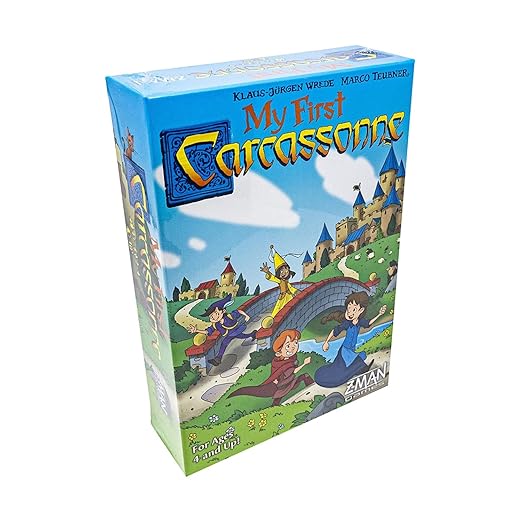
Ages: 4+ | Players: 2–4 | Play Time: 20–30 minutes

This simplified version of the classic tile-laying game is great for little ones. Players build roads and place figures in a pastoral village landscape — think barns, animals, and winding country paths.

Why it’s great for fall: The rural setting and storybook-style artwork make it a lovely pick for the season.

8. Acorn Soup (by Peaceable Kingdom)
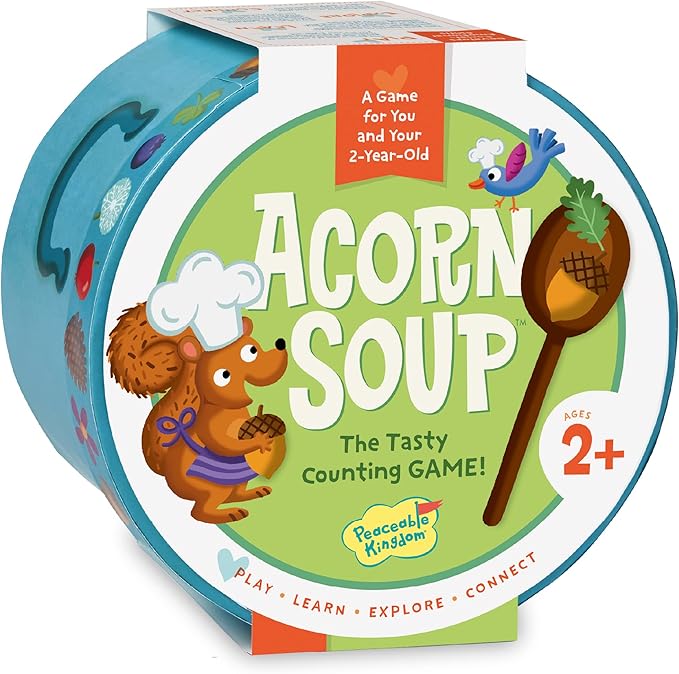
Ages: 2+ | Players: 1+ | Play Time: 10–15 minutes

Designed for toddlers, Acorn Soup invites little ones to help a friendly squirrel make different “soups” using chunky wooden ingredients and recipe cards. Kids follow simple instructions, stir pretend soups, and practice early counting and matching skills.

Why it’s great for fall: Woodland animals, acorns, and the cozy theme of making warm soup — this game is fall comfort in a box for the tiniest players.

Bonus: Make-Your-Own Fall Board Game!

Grab some construction paper, stickers, and dice to create a homemade fall-themed board game. Have kids draw pumpkins, leaves, animals, or apples — then make cards that say things like “Rake the leaves – Move ahead 2 spaces!” or “Spilled your cider – Go back 1!”

Why it’s great for fall: It’s creative, low-cost, and gets kids involved in the fun of both playing and making.

Final Thoughts

Fall is a time of gathering, gratitude, and play. These kid-friendly board games are a wonderful way to bring the season indoors — with colorful leaves, forest creatures, and the joy of spending time together. Whether you’re hosting a game night after a day of apple picking or just want a peaceful indoor activity on a chilly day, these games offer both fun and family connection.

So grab a soft blanket, pour the apple cider, and let the games begin!
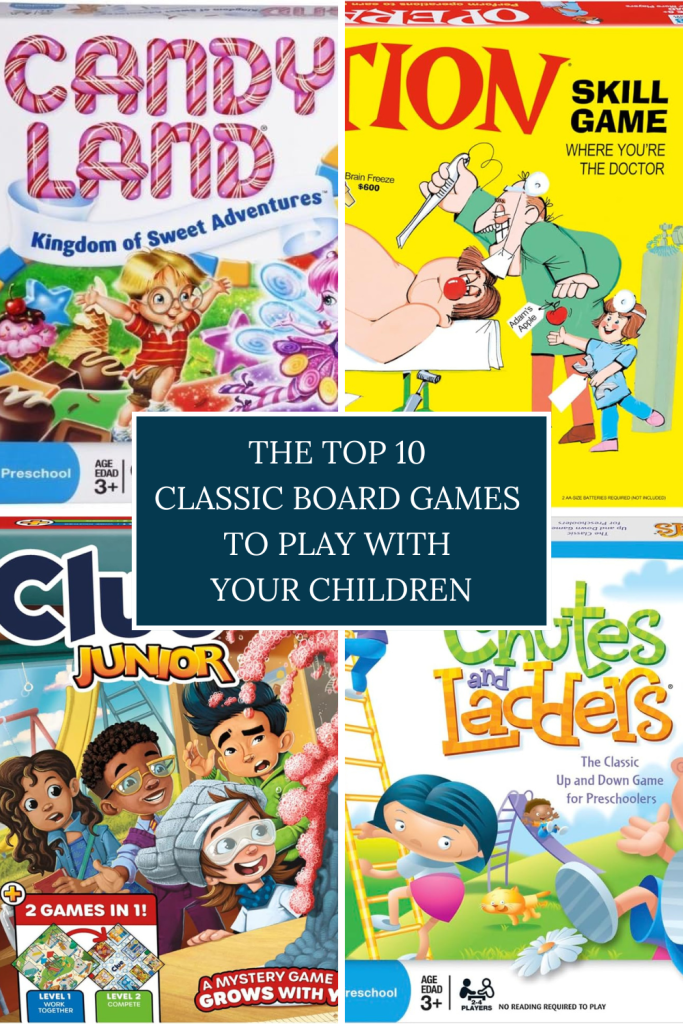
Top 10 Classic Board Games to Play with your Children

In a world full of flashy apps and video games, sometimes the best family memories come from sitting around the kitchen table with a good old-fashioned board game. Classic board games stand the test of time because they’re easy to learn, fun to play, and perfect for bringing families together.

Whether you’re introducing your kids to your childhood favorites or just looking for screen-free fun, here are 10 classic board games that are still a hit with children of all ages.

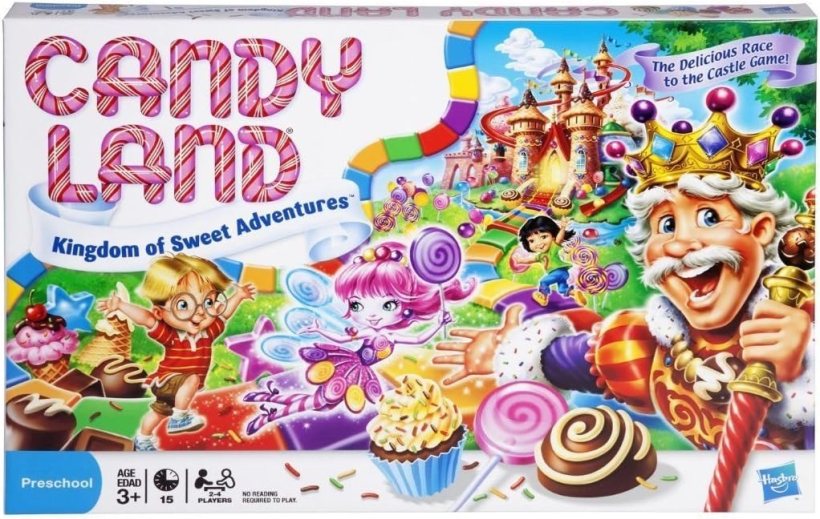
1. Candy Land

Best for ages: 3–6
Why it’s a classic:
This colorful, simple race-to-the-finish game introduces young kids to turn-taking, color recognition, and patience. No reading required—just a sweet adventure through Gumdrop Mountains and Lollipop Woods.

Why kids love it: It feels like stepping into a storybook made of candy.

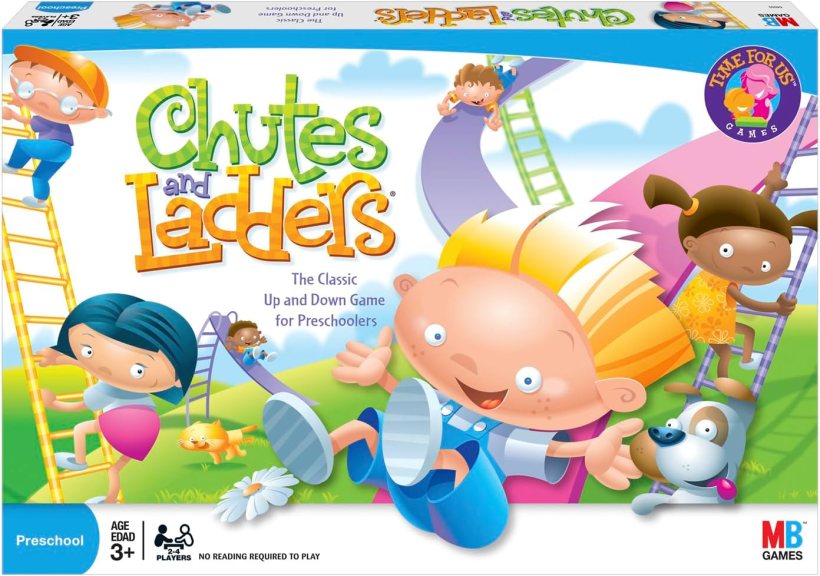
2. Chutes and Ladders

Best for ages: 4–7
Why it’s a classic:
A simple game of ups and downs that teaches kids cause and effect—good deeds send you up ladders, poor choices send you down chutes.

Life lesson alert: It’s a playful intro to consequences and resilience.

3. Guess Who?

Best for ages: 5–10
Why it’s a classic:
A two-player deduction game where you guess your opponent’s mystery character by asking yes-or-no questions.

Bonus: Teaches kids to observe details, ask smart questions, and think logically.

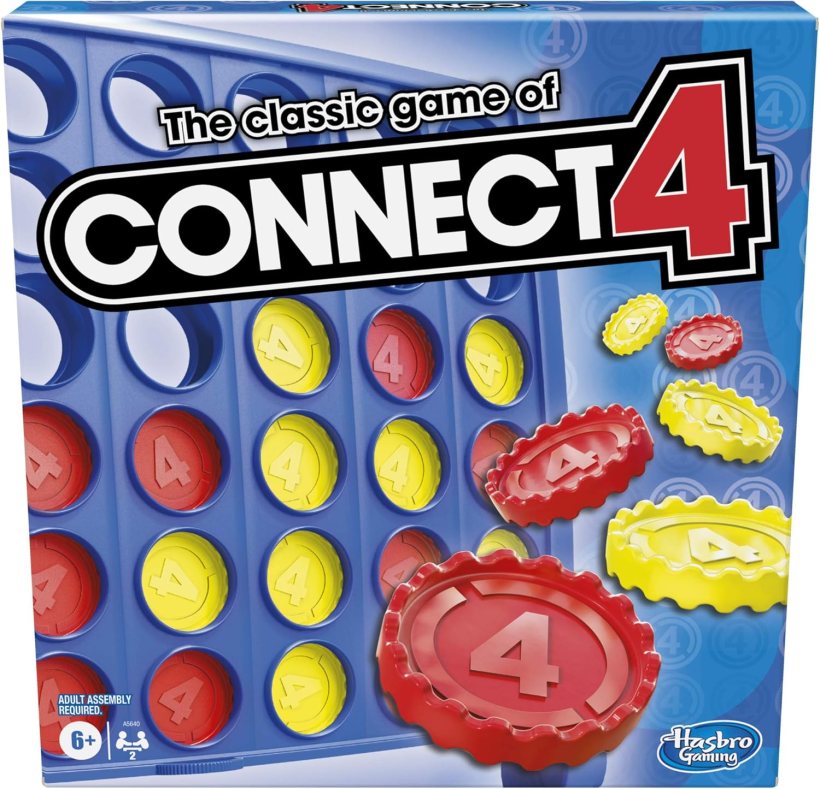
4. Connect Four

Best for ages: 6+
Why it’s a classic:
Easy to learn, hard to master. Drop colored discs into a grid and try to get four in a row. It’s fast, fun, and sneakily strategic.

Why parents love it: It builds problem-solving and planning skills.

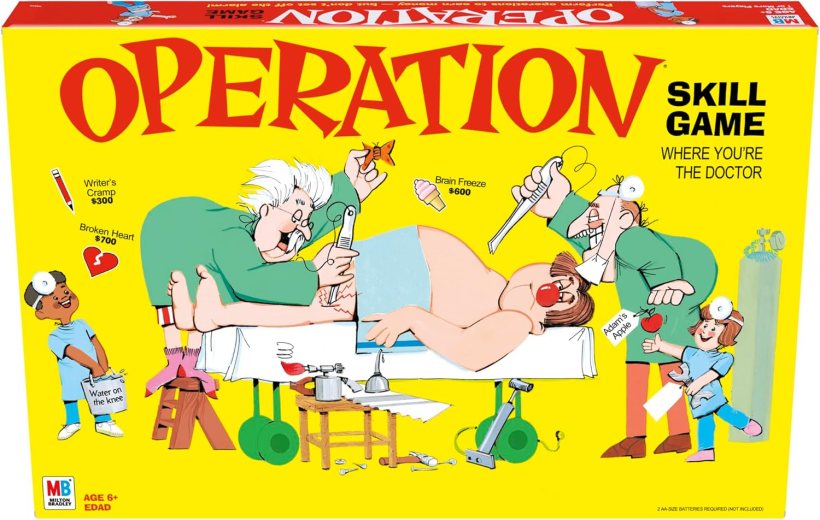
5. Operation

Best for ages: 6–10
Why it’s a classic:
In this buzzy, silly game of precision, kids remove tiny plastic “organs” from a patient without touching the edges. One wrong move and—BUZZ!

Great for: Hand-eye coordination, fine motor skills, and loads of laughter.

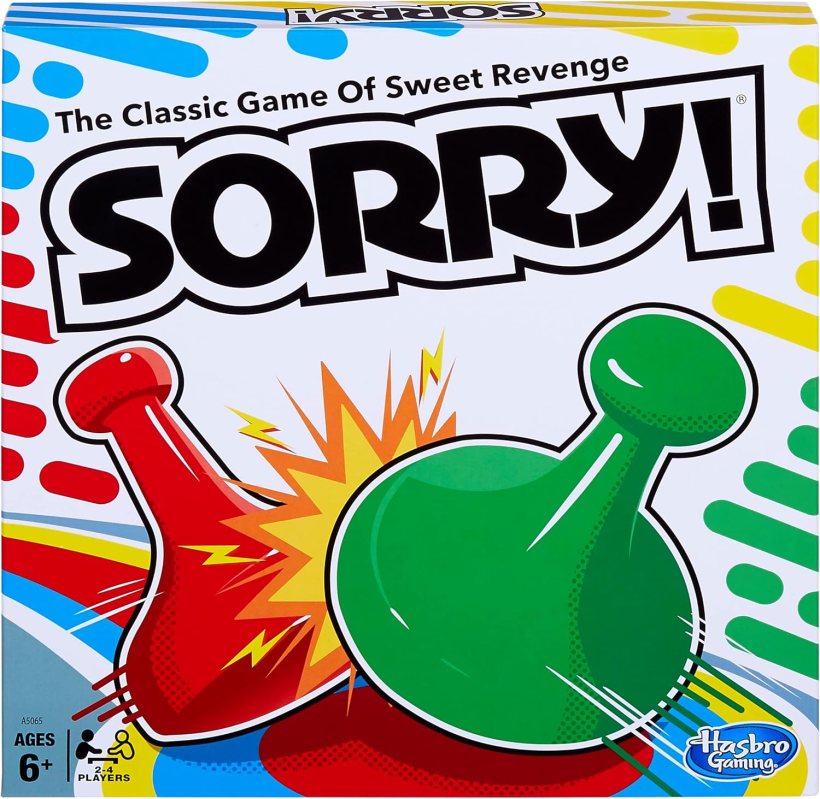
6. Sorry!

Best for ages: 6+
Why it’s a classic:
A colorful game of luck and strategy where players race to get their pawns home—while sending opponents back to the start with a mischievous “Sorry!”

Why kids love it: Knocking someone back to start never gets old.

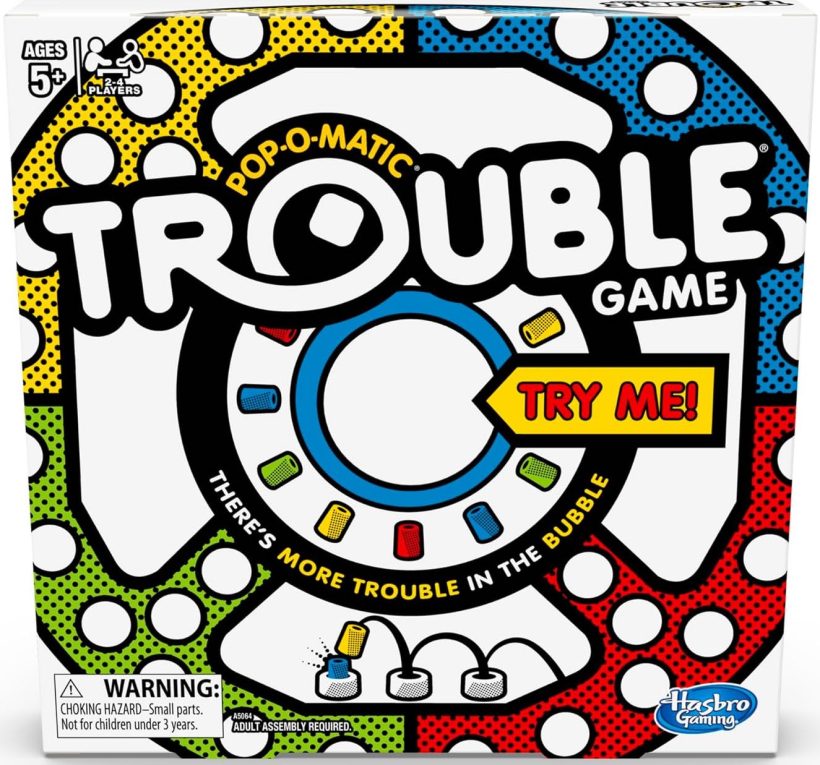
7. Trouble

Best for ages: 5+
Why it’s a classic:
Featuring the iconic “Pop-O-Matic” dice bubble, this fast-paced game is similar to Sorry!, but with satisfying pops and quick moves.

Sensory win: That dice popper is pure joy for little hands.

8. The Game of Life

Best for ages: 8+
Why it’s a classic:
Drive your tiny car through a winding road of choices—school, job, kids, vacations—and see where “life” takes you.

Great for older kids: Introduces basic decision-making and money concepts in a fun, imaginative way.

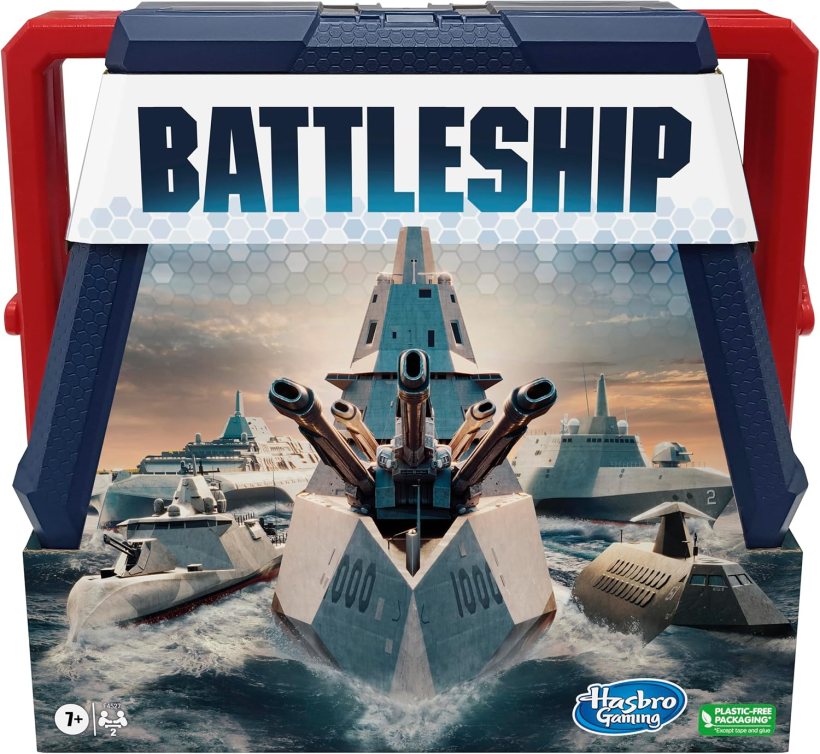
9. Battleship

Best for ages: 7+
Why it’s a classic:
A fun two-player guessing game of naval warfare. Try to sink your opponent’s ships by calling out coordinates and listening for that satisfying, “You sunk my battleship!”

Why it sticks: Combines logic, memory, and strategy with a touch of drama.

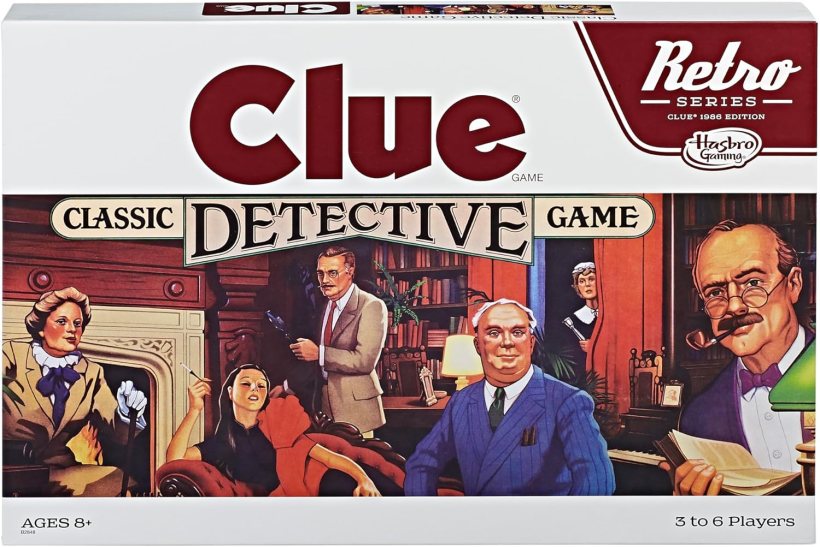
10. Clue (Junior or Classic)

Best for ages: 6+ (Junior), 8+ (Classic)
Why it’s a classic:
Solve the mystery of who did it, with what, and where! The Junior version simplifies gameplay, while the original offers deeper deduction for older kids.

Bonus: Encourages critical thinking and discussion. It’s like a detective story you play.

Final Thoughts

Classic board games are more than just play—they’re lessons in patience, sportsmanship, strategy, and communication. And best of all, they’re an opportunity to slow down, unplug, and enjoy real connection.

So dust off those game boxes, clear off the kitchen table, and dive into some timeless fun with your kids. You might even rediscover your own favorite along the way.

Top 10 Educational Board Games for Children That Make Learning Fun!

If you’ve ever tried to sneak learning into playtime, you already know that games are a powerful tool. The best educational board games don’t just teach—they captivate. They turn math drills into monster adventures, reading practice into races, and logic into laughter.

Whether you’re a parent looking to build skills at home or a teacher stocking up your classroom shelf, these 10 educational board games for kids offer screen-free fun that’s as enriching as it is entertaining.

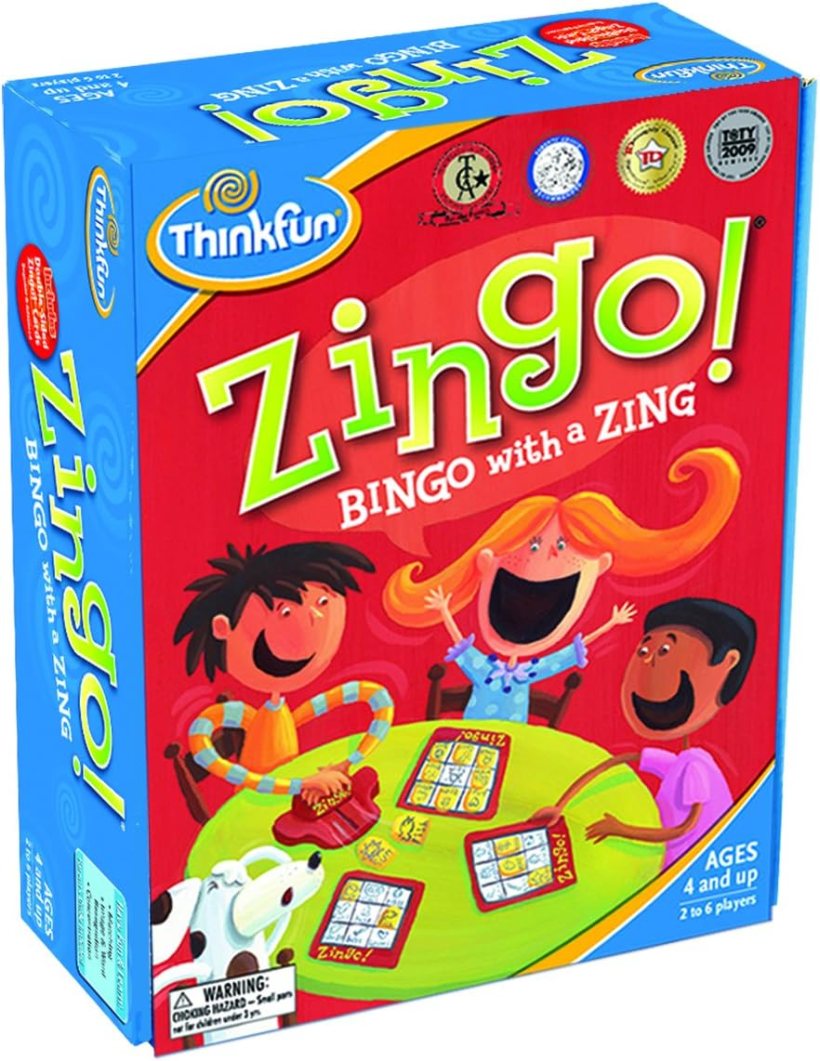
1. Zingo by ThinkFun

Ages: 4–8
Skills: Reading, vocabulary, matching

A fast-paced take on Bingo, Zingo uses a sliding tile dispenser and picture-word cards to help early readers learn common sight words. It’s great for building confidence and excitement around language.

Why kids love it: The satisfying “zing” of the tile dispenser and the race to shout “Zingo!”

2. Sum Swamp by Learning Resources

Ages: 5–7
Skills: Addition, subtraction, odd/even numbers

Players race through a swampy path by solving simple math problems. The game introduces early arithmetic in a playful, non-intimidating way.

Why kids love it: Dice, monsters, and math make a surprisingly addictive combo.

3. Outfoxed! by Gamewright

Ages: 5+
Skills: Deductive reasoning, logic, cooperation

A clever whodunit where kids play detectives solving a mystery before the sneaky fox escapes. Players use clues and deduction to eliminate suspects.

Why kids love it: It feels like solving a mystery—because it is!

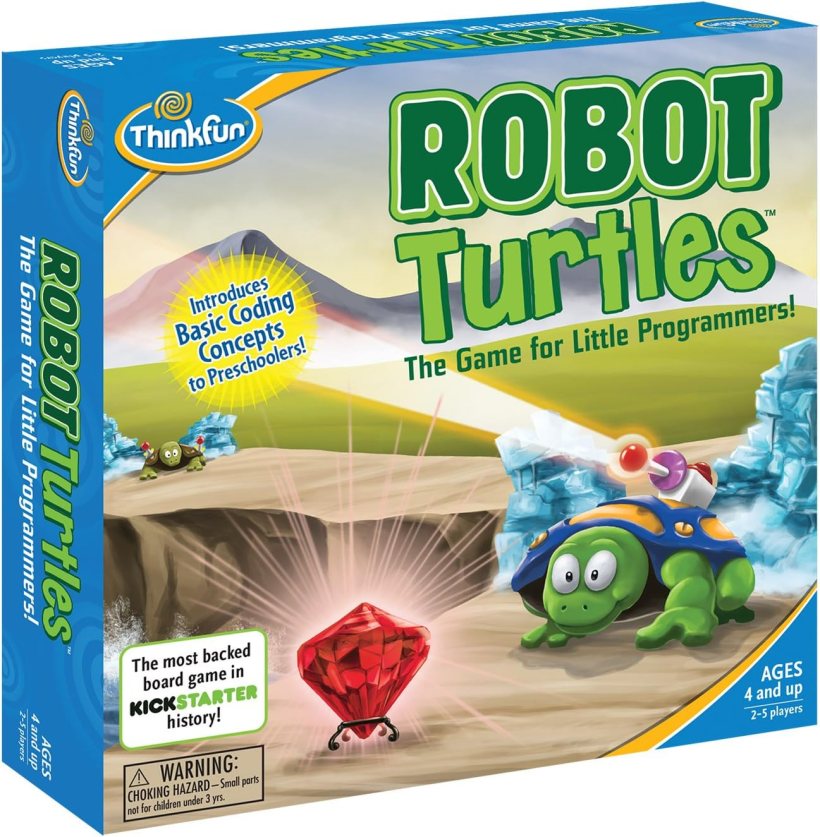
4. Robot Turtles by ThinkFun

Ages: 4–8
Skills: Coding concepts, sequencing, problem-solving

Designed by a software engineer, this game teaches preschoolers the basics of programming—without a screen. Kids use directional cards to “program” their turtles to reach a goal.

Why kids love it: They get to “boss around” grown-ups who follow their code.

5. Hoot Owl Hoot! by Peaceable Kingdom

Ages: 4–8
Skills: Color recognition, turn-taking, teamwork

In this cooperative game, players work together to get owls back to their nest before sunrise. It’s a gentle, non-competitive game that still encourages planning and strategy.

Why kids love it: The thrill of racing the sun—and cheering each other on.

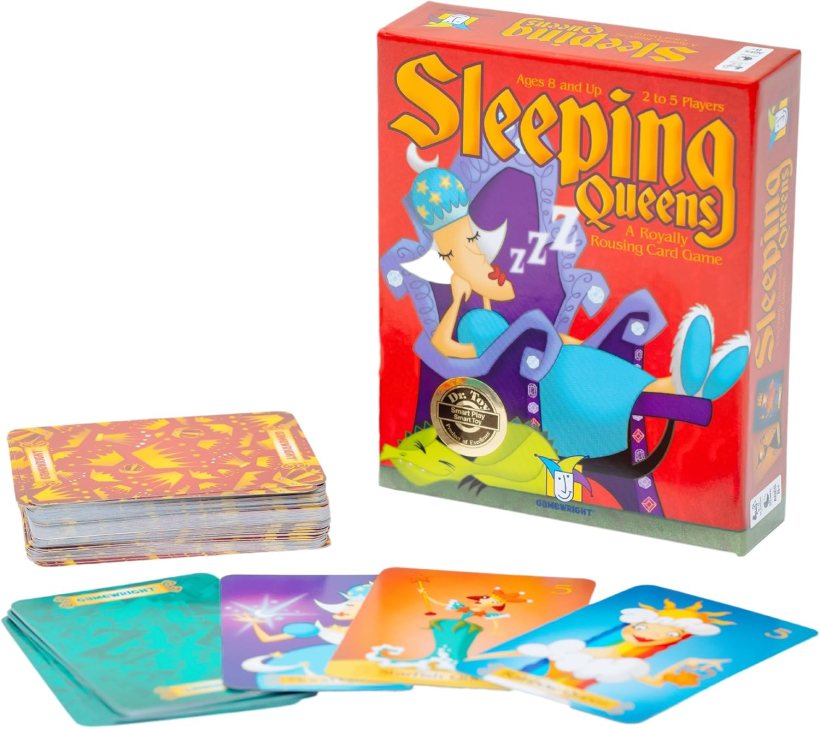
6. Sleeping Queens by Gamewright

Ages: 6+
Skills: Math, memory, strategy

Invented by a child, this whimsical card game blends number play, memory, and a bit of luck as players try to wake sleeping queens while avoiding knights and potions.

Why kids love it: The quirky characters and the fast-paced action.

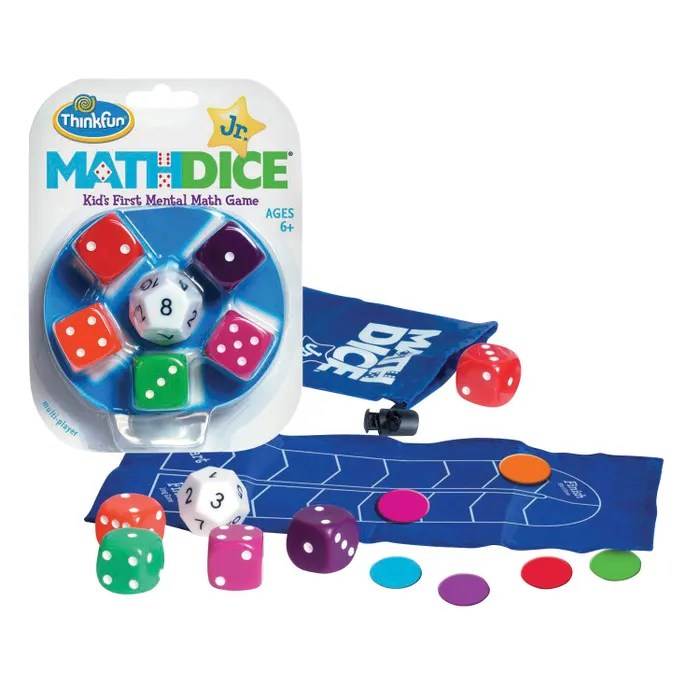
7. Math Dice Jr. by ThinkFun

Ages: 6–10
Skills: Mental math, addition, subtraction

Roll the dice, add or subtract to hit the target number, and move your pawn forward. This quick game sharpens math fluency through fun repetition and strategic thinking.

Why kids love it: Dice make everything more exciting.

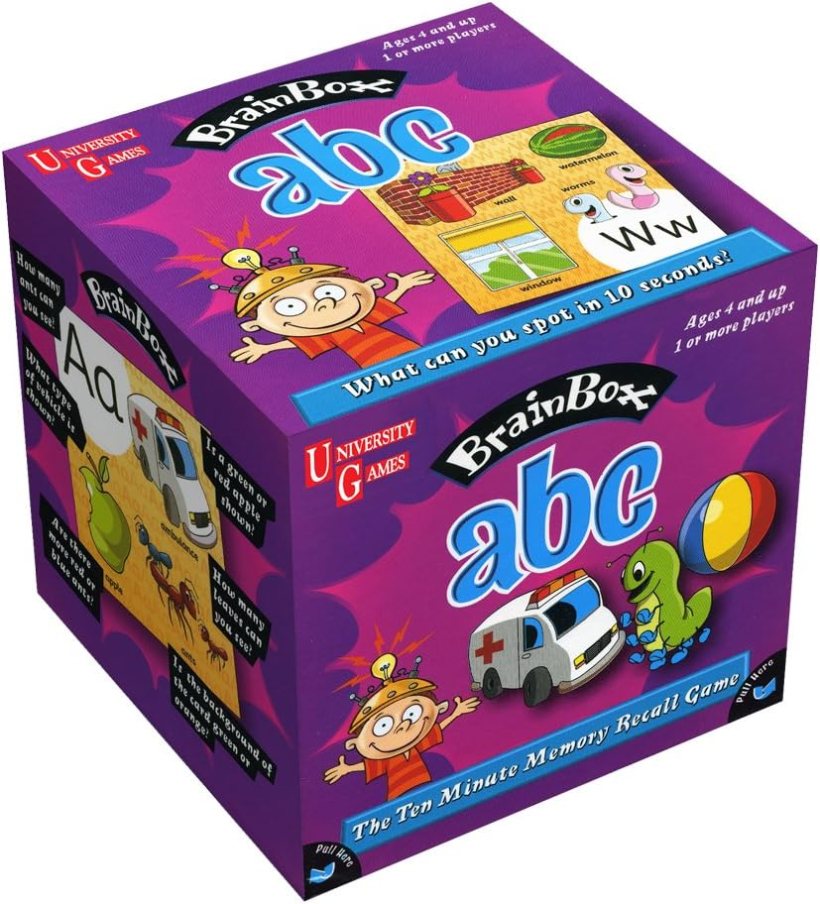
8. BrainBox: My First ABC (or other versions)

Ages: 4–8
Skills: Memory, language, observation

Players study a picture card for 10 seconds and then answer questions about it from memory. Versions include ABCs, animals, geography, and more.

Why kids love it: The 10-second memory challenge feels like a game show.

9. Race to the Treasure by Peaceable Kingdom

Ages: 5–8
Skills: Planning, collaboration, critical thinking

Another cooperative winner, this game has kids working together to build a path to a treasure before the ogre reaches it. It’s all about planning and teamwork.

Why kids love it: They get to outsmart a silly ogre together.

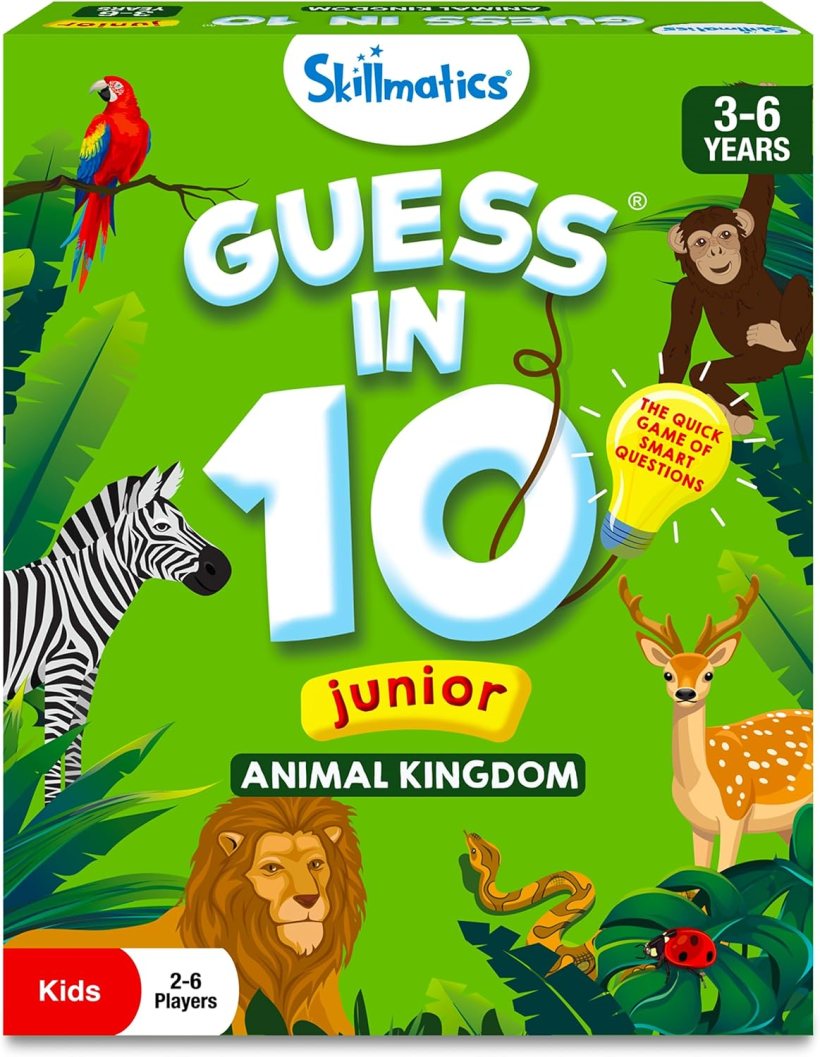
10. Guess in 10 Junior (Animal Kingdom, Countries, etc.)

Ages: 5–10
Skills: Critical thinking, questioning, general knowledge

In this rapid-fire question game, players guess what’s on the card by asking yes/no questions. Versions cover animals, jobs, food, and more.

Why kids love it: The game encourages curiosity and feels like a trivia challenge.

Final Thoughts

Educational board games are more than just a rainy-day fix—they’re a chance to learn through laughter, build skills through strategy, and grow closer as a family or classroom. These games prove that when kids are having fun, learning comes naturally.

So next time you’re looking to boost math, reading, logic, or teamwork, skip the worksheet and grab one of these games instead. Your kids will thank you—and they won’t even realize they’re learning.