How to Safely Brew Sun Tea

I have fond memories of my mom and my grandma making sun tea outside when I was a child. I never really drank any until I hit my pre-teen to teenage years, but it always looked so good glowing in the sunshine!

Now I know there is some controversy surrounding sun tea, regarding bacterial growth, and this can happen! If you do not correctly clean out the beverage container or dispenser between each use, if you leave the tea out in the sun for longer than 4 hours and/or if you put any sweetener or fruit in before setting it in the sunshine, there is the potential for harmful bacterial growth!

Fear not friends! I’ve made and drank multiple batches of sun tea with no problems! I’ve written instructions below on what to do to keep your sun tea clean and healthy! Let’s make some!
INGREDIENTS
  • Filtered water
  • Glass beverage container or dispenser
  • Tea bags
  • Honey, optional
INSTRUCTIONS
  1. Wash your glass beverage container or dispenser thoroughly with hot, soapy water and rinse well (if you are using a dispenser, this includes the spigot).
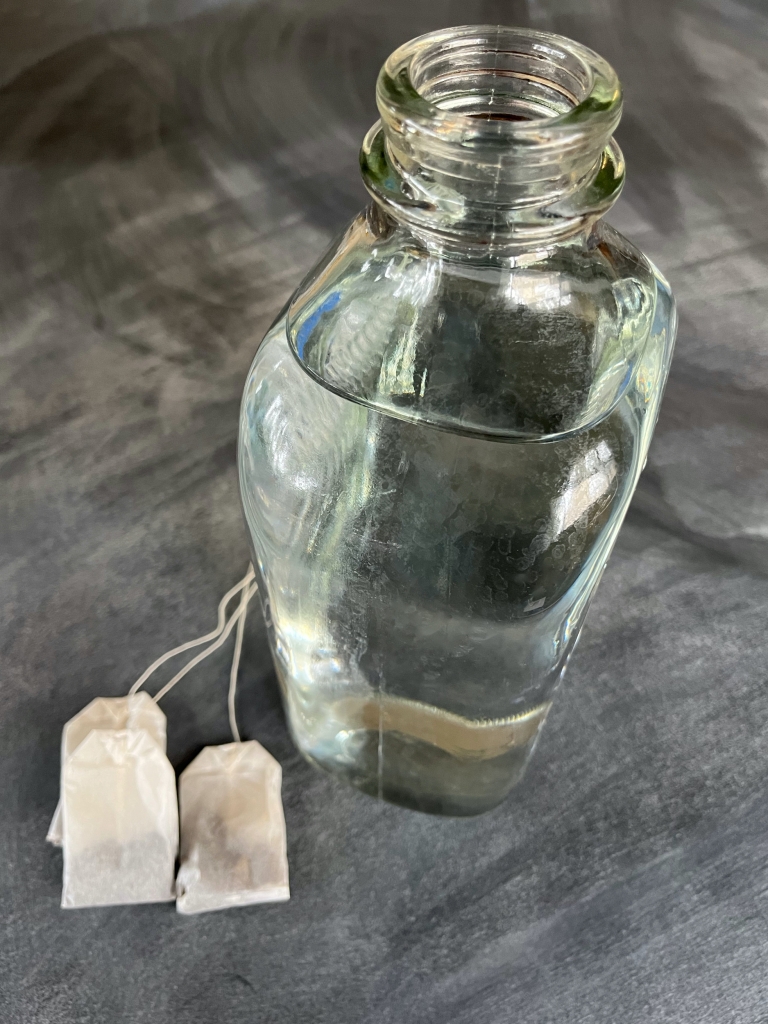
  2. Fill the container with clean, filtered water.
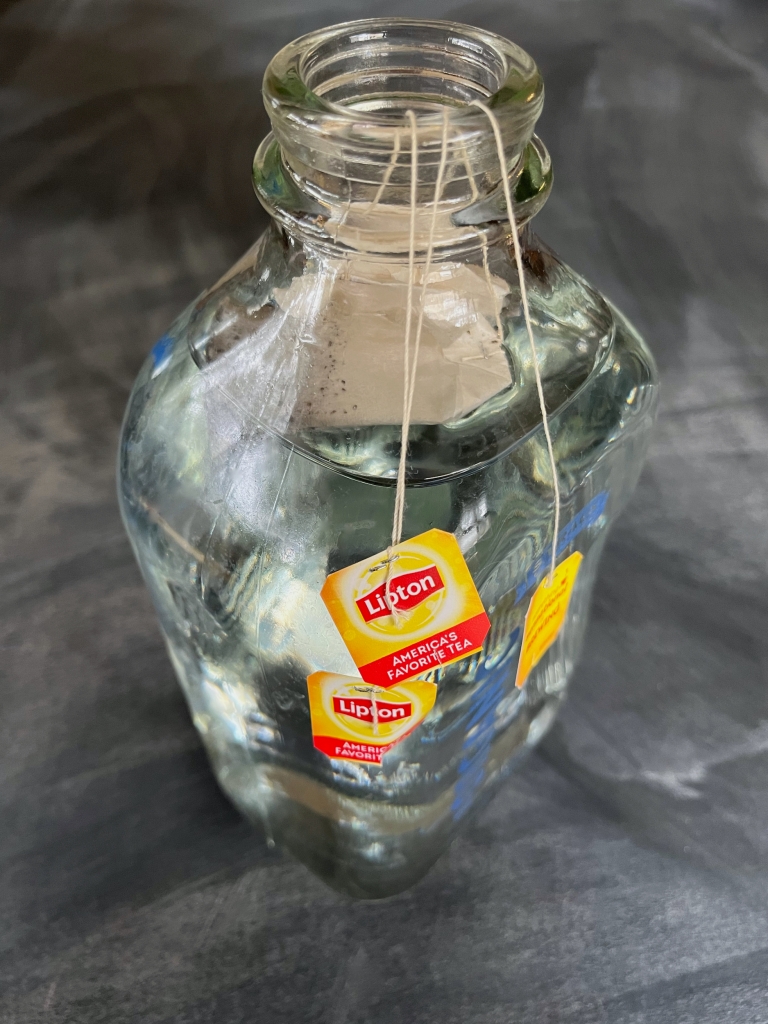
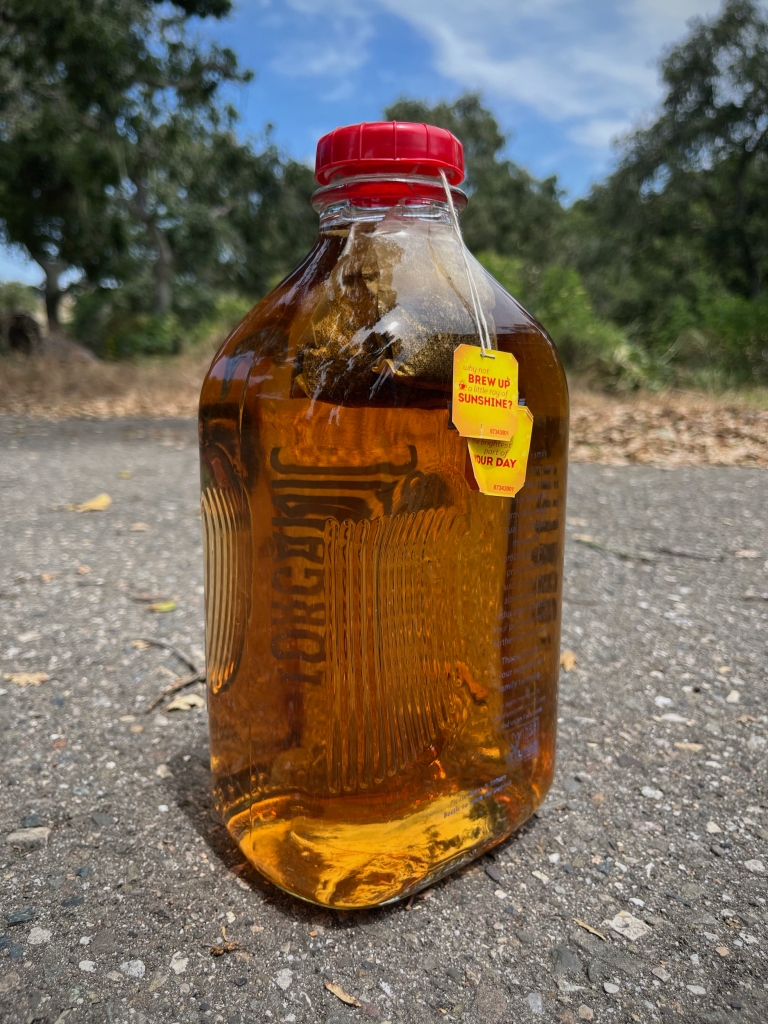
  3. Select which tea bags you would like to use and place them in the container with the tags on the outside. I used three tea bags for two quarts of water, but you can select how many for how strong you want your tea.
  4. Replace the lid on the container and set it outside in the sun for up to 4 hours, but no longer! If you leave it in the sun too long, there is a higher chance of bacterial growth!
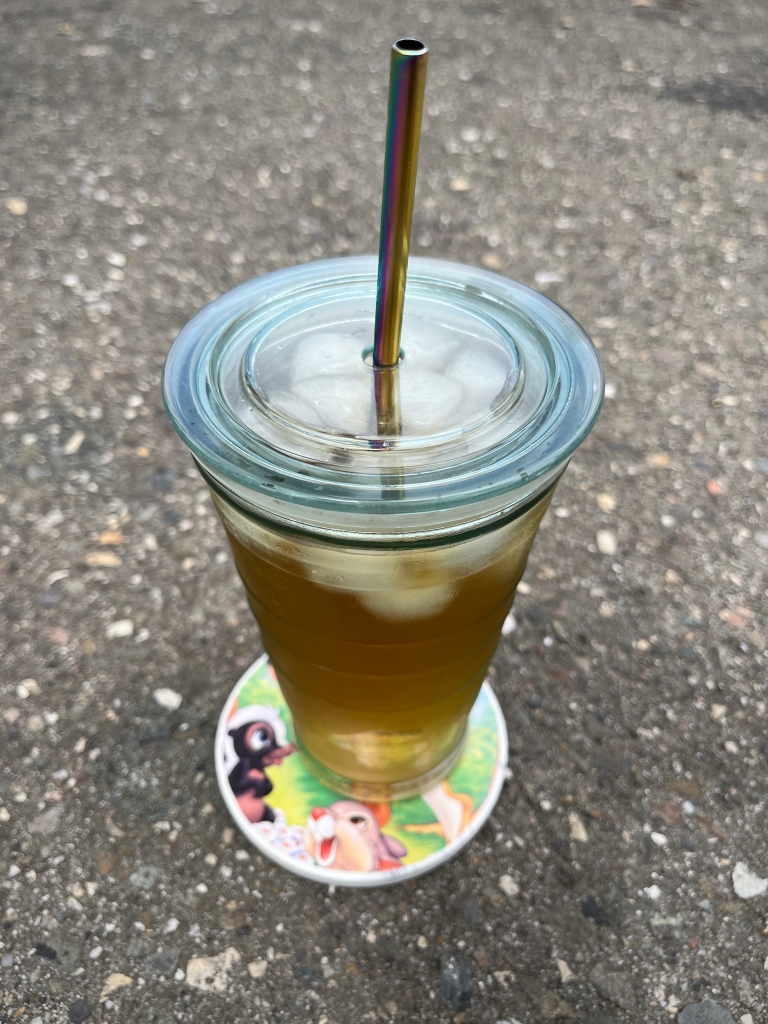
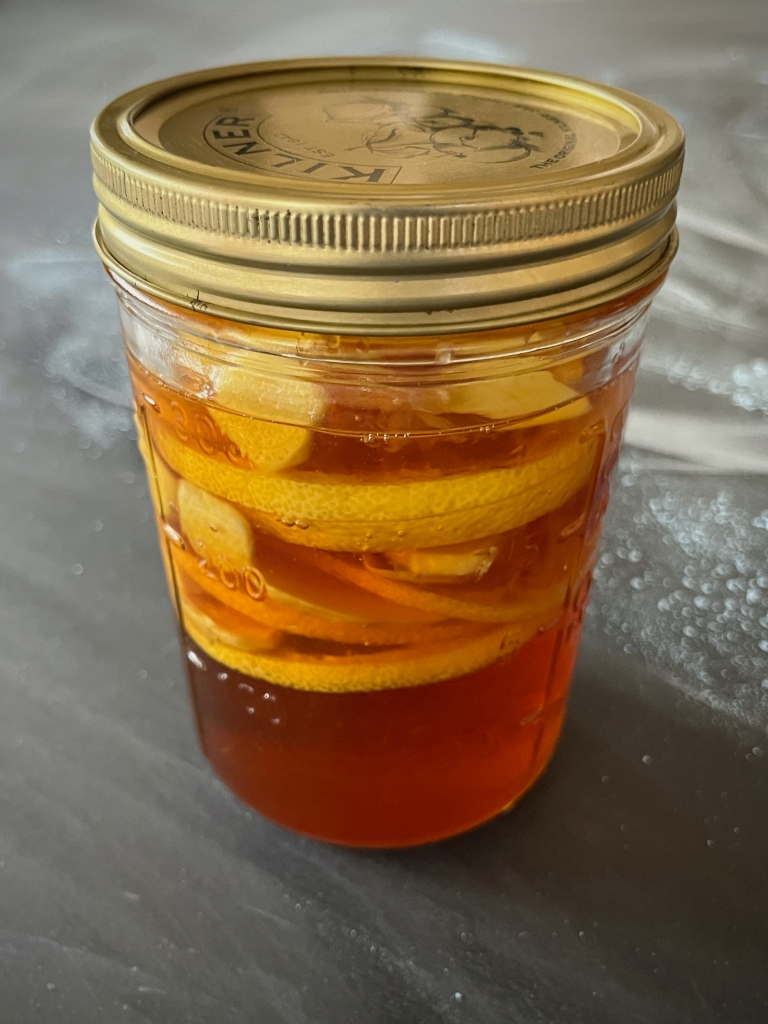
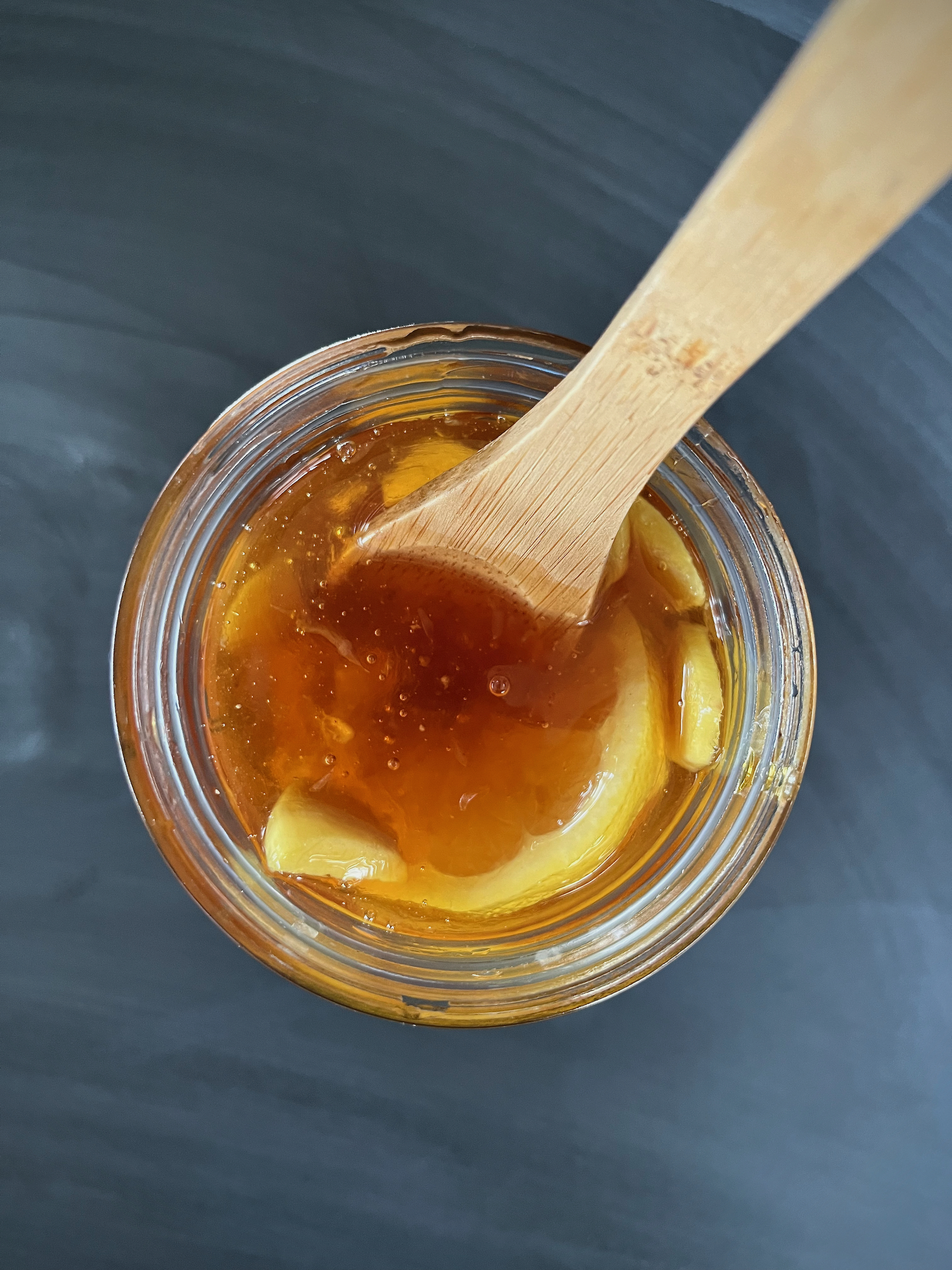
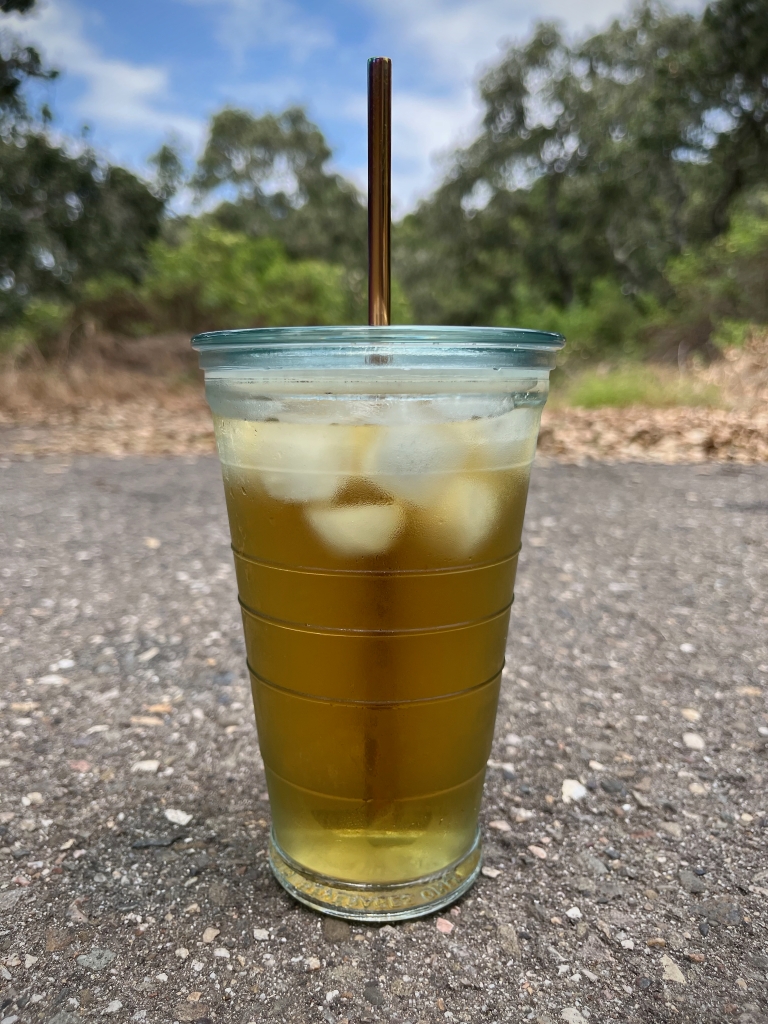
  5. Once the tea is done, bring it inside and add any sweetener while it’s still warm from the sunshine. I used a few spoonfuls of my ginger and lemon infused honey.
  6. Once the sweetener of your choice has been stirred in to the warm tea, place the container in the refrigerator to chill.
  7. Enjoy!

Ginger and Lemon Infused Honey

Welcome back friends! I find homeopathic preventative care and remedies absolutely fascinating, and I am more than willing to give them a try!

This lemon and ginger infused honey is deliciously healthy for you! Ginger contains anti-inflammatory and antioxidant properties that have been known to help remedy stomach issues, combat cold and/or flu viruses and improve brain and heart health. Lemon is a natural detoxifier and contains antibacterial and antiviral properties. It’s also full of antioxidants and vitamin c to help boost the immune system. Raw honey has (you guessed it) even more antibacterial, antiviral, and antioxidant properties! It also contains enzymes that promote healthy gut flora and can help boost immunity and fight infection.

So many preventative and cleansing properties and it’s so easy to create and implement into everyday use! I personally create and use it to sweeten my tea. But it can also be taken by the spoonful or incorporated in to dishes!

Let’s make some!

INGREDIENTS
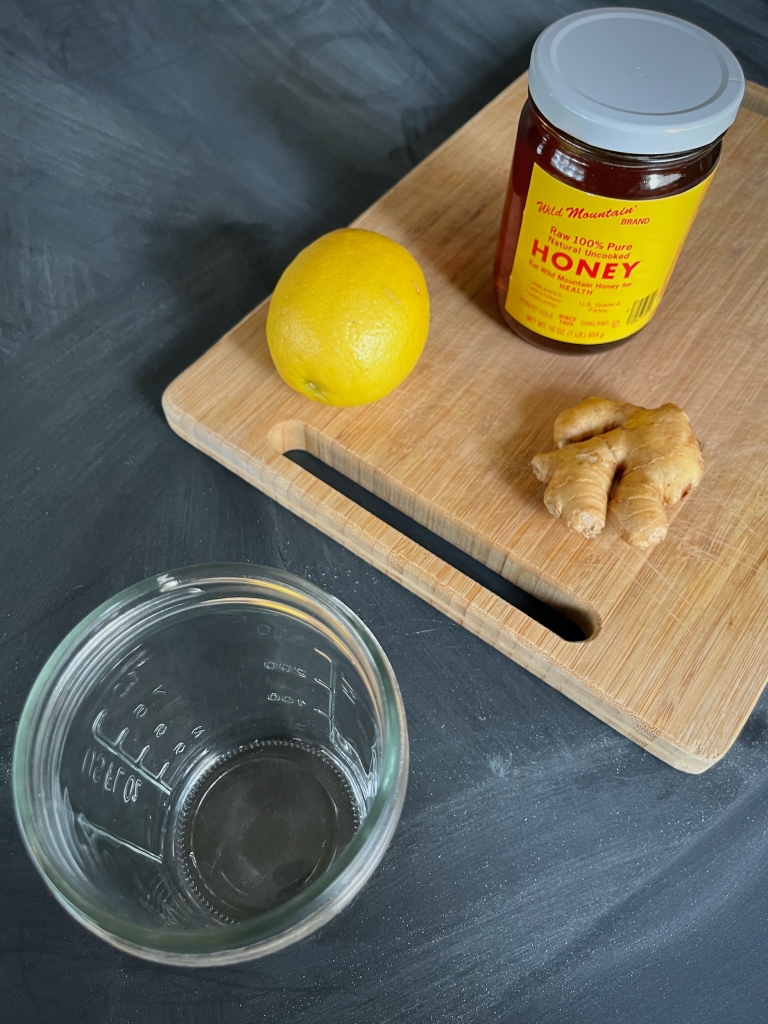
  • Fresh ginger, peeled
  • Lemon, sliced
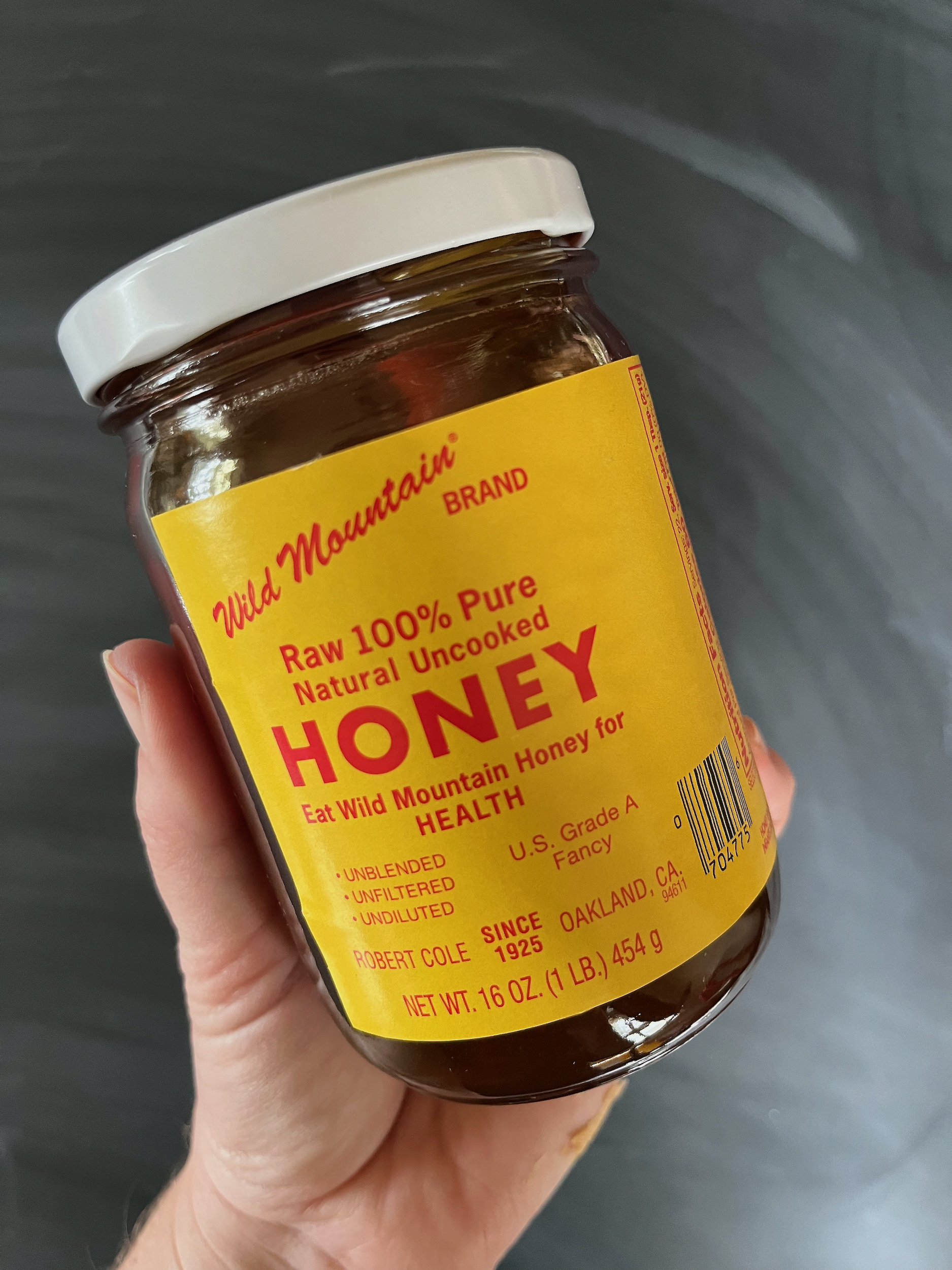
  • Unpasteurized raw honey
  • Wooden spoon
  • Jar
INSTRUCTIONS
  1. First, sterilize the jar and lid. Wash them thoroughly with hot, soapy water and rinse well. Then submerge the jar lid in boiling water for 5 minutes and the jar for 10 minutes.
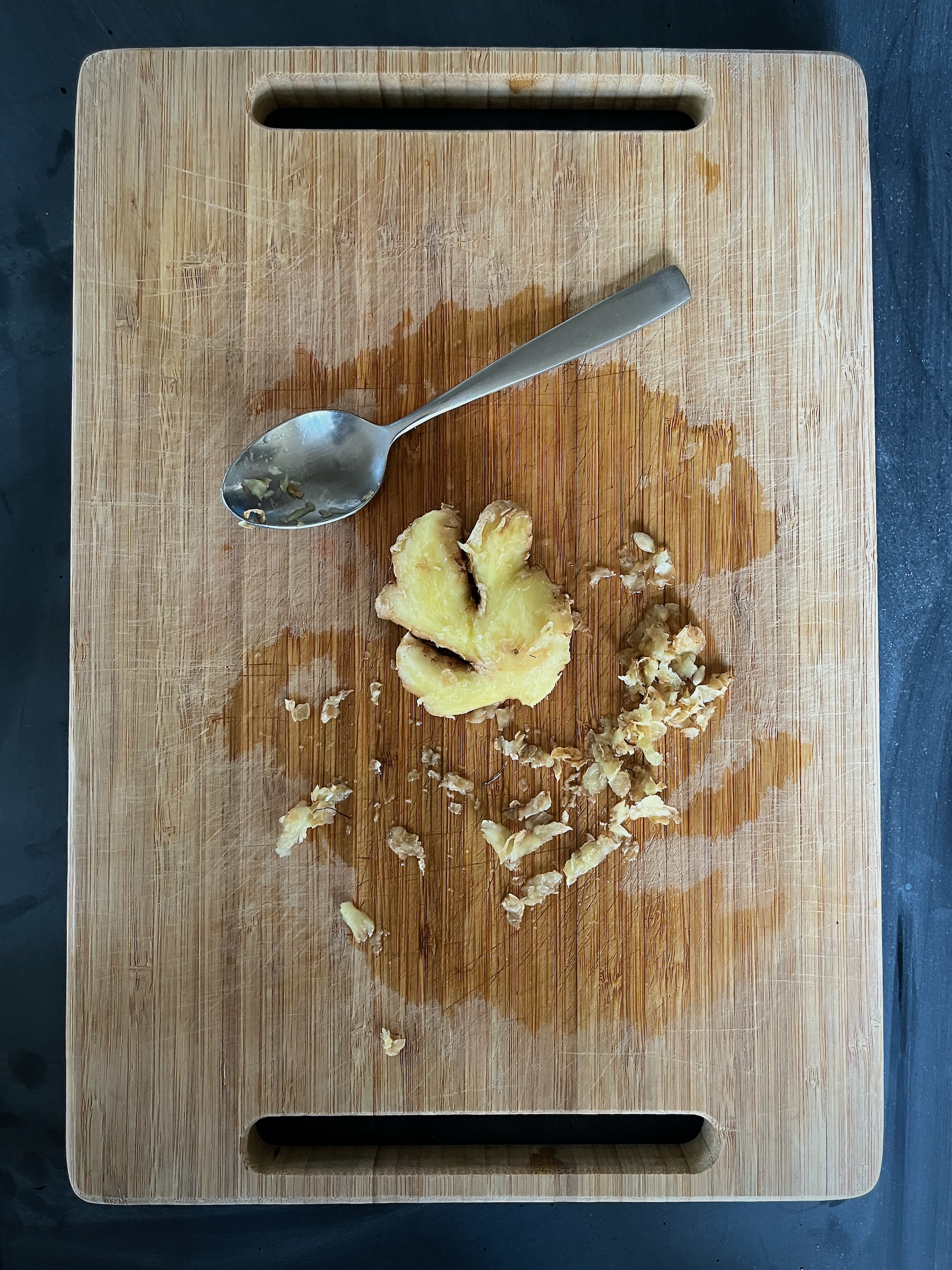
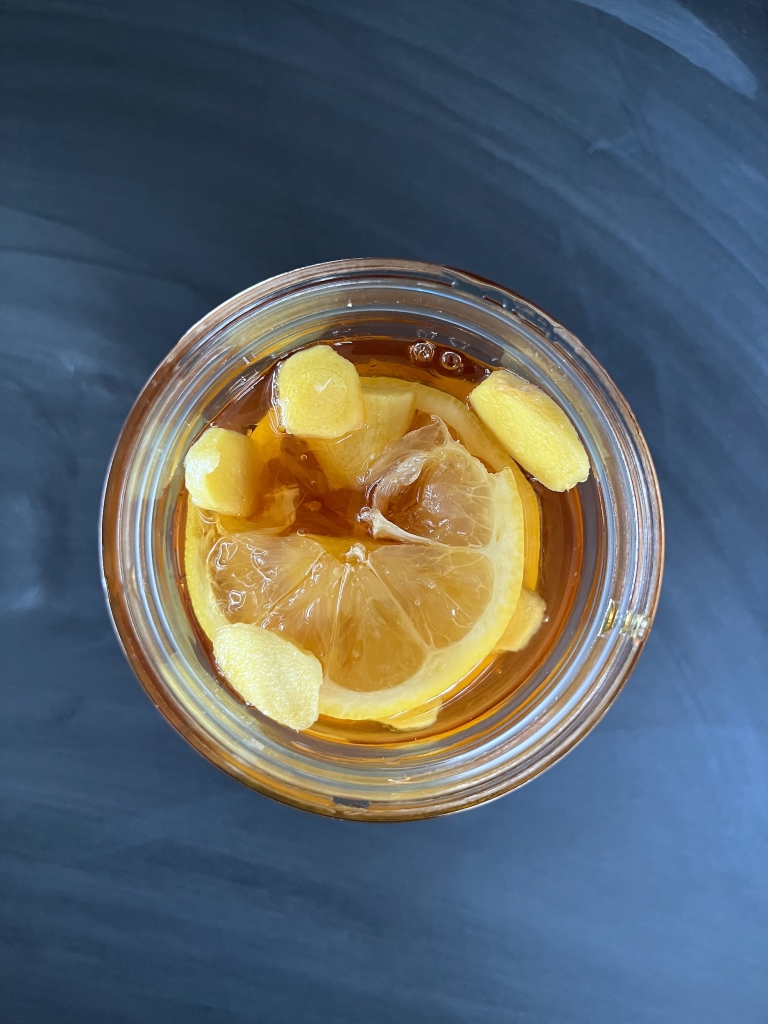
  2. Wash the ginger and peel it with a spoon, then thinly slice it into rounds. 
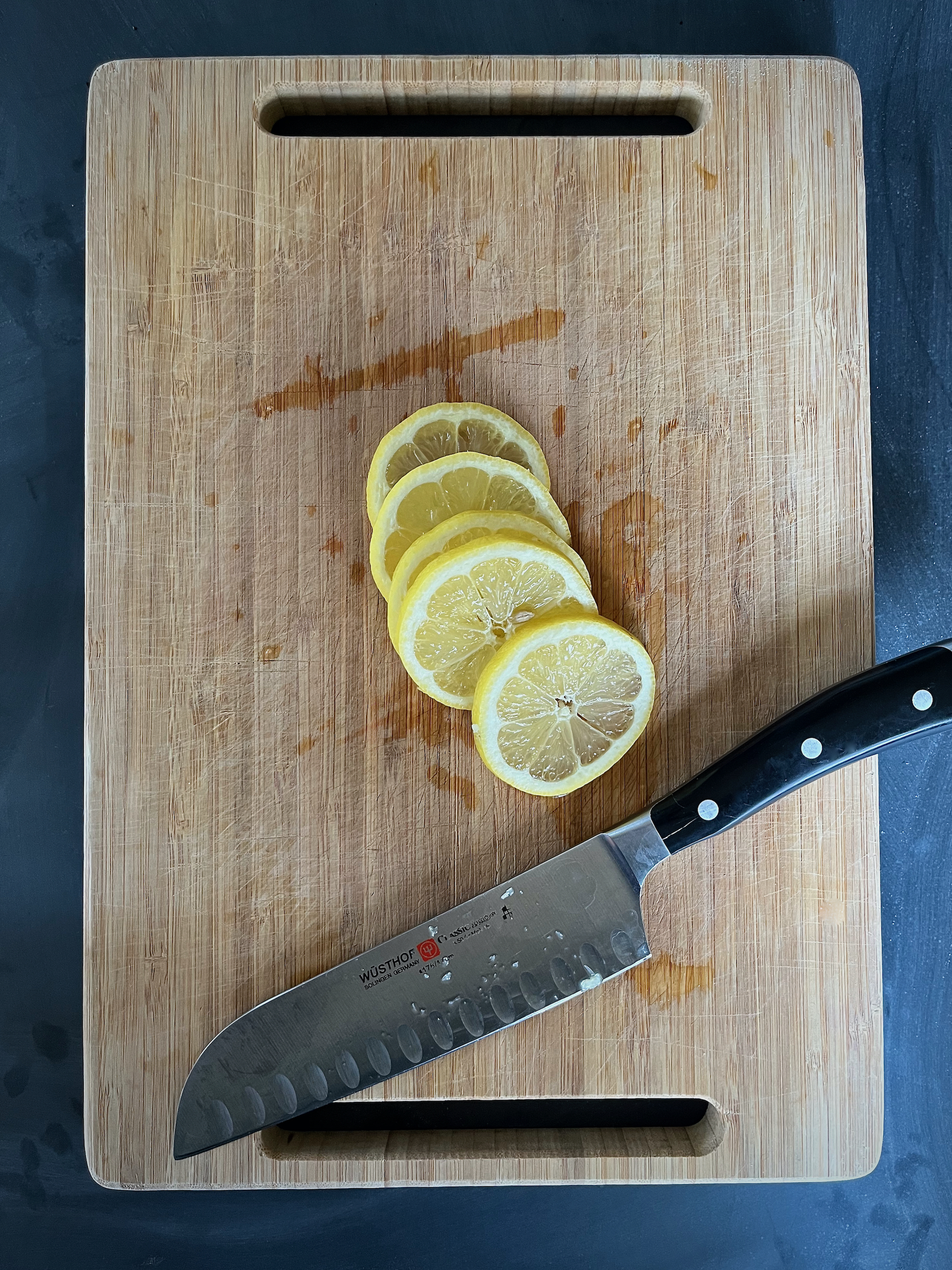
  3. Wash the lemon and thinly slice it into rounds.
  4. Add 2 to 3 tablespoons of honey to the jar, then begin alternating layers of ginger, lemon and honey until you’ve used all the ingredients and the ginger and lemon have been fully submerged (leave a small space at the top for the gases to build up).
  5. Use a wooden spoon to gently stir and move the ingredients around. This is to make sure the honey fully reaches all of the ginger and lemon with no air bubbles.
  6. Seal the lid and leave it to ferment for about two weeks in a cool dark place. During this time you will need to “burp” the jar daily. This means you must open the lid briefly to allow any built up gasses to release, then close it back up!
  7. Once fermentation is done and the honey has reached your desired taste, move the whole jar into the refrigerator to halt the fermentation process.

*Like most fermented foods, just keep an eye out for bad smells, mold, and other signs of spoilage. This doesn’t happen often, but if it does, it’s time to start a new ferment.