
Top 10 Classic Board Games to Play with your Children

In a world full of flashy apps and video games, sometimes the best family memories come from sitting around the kitchen table with a good old-fashioned board game. Classic board games stand the test of time because they’re easy to learn, fun to play, and perfect for bringing families together.

Whether you’re introducing your kids to your childhood favorites or just looking for screen-free fun, here are 10 classic board games that are still a hit with children of all ages.

1. Candy Land
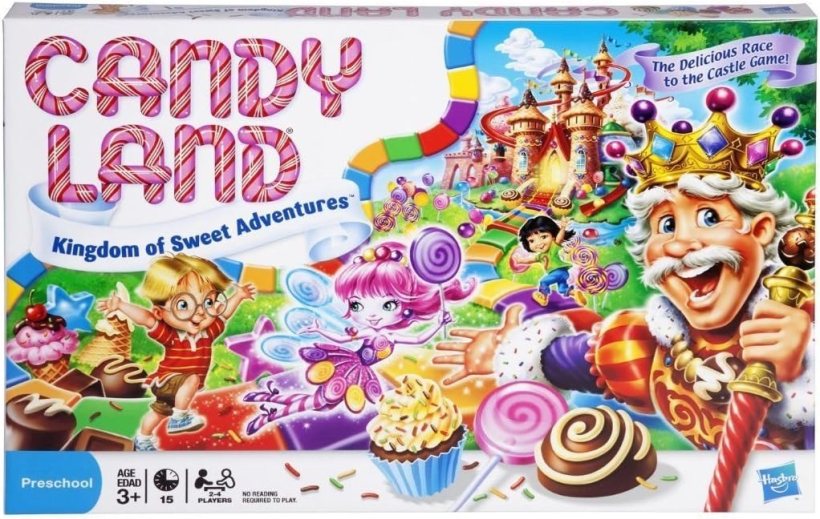
Best for ages: 3–6
Why it’s a classic:
This colorful, simple race-to-the-finish game introduces young kids to turn-taking, color recognition, and patience. No reading required—just a sweet adventure through Gumdrop Mountains and Lollipop Woods.

Why kids love it: It feels like stepping into a storybook made of candy.

2. Chutes and Ladders
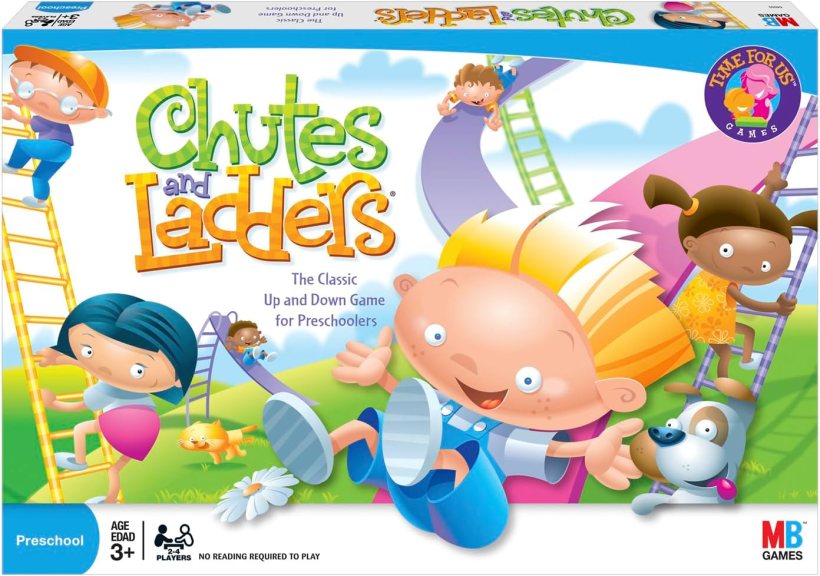
Best for ages: 4–7
Why it’s a classic:
A simple game of ups and downs that teaches kids cause and effect—good deeds send you up ladders, poor choices send you down chutes.

Life lesson alert: It’s a playful intro to consequences and resilience.

3. Guess Who?

Best for ages: 5–10
Why it’s a classic:
A two-player deduction game where you guess your opponent’s mystery character by asking yes-or-no questions.

Bonus: Teaches kids to observe details, ask smart questions, and think logically.

4. Connect Four
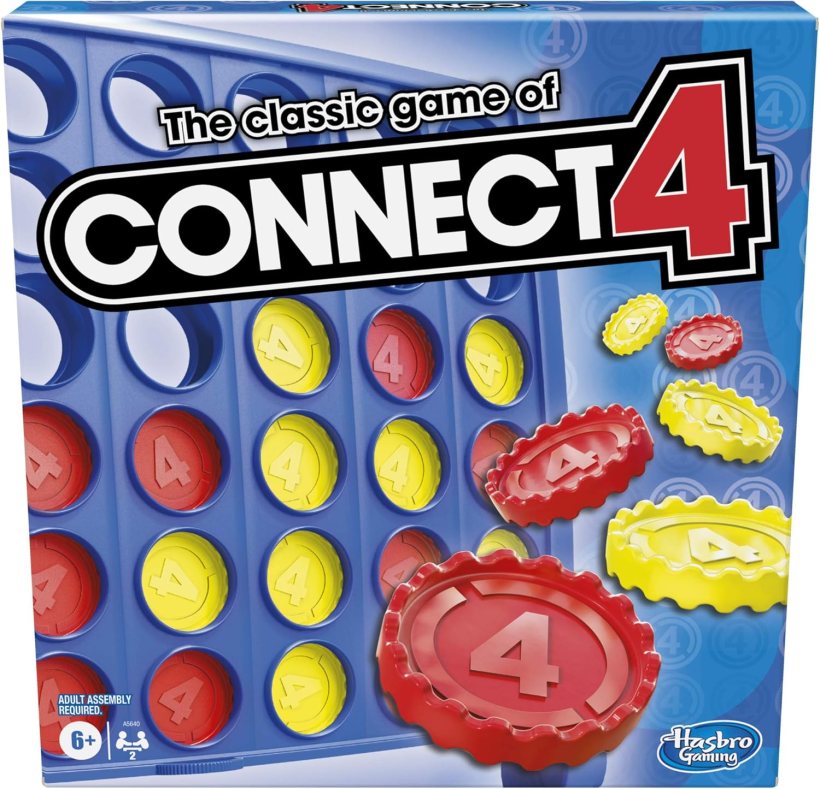
Best for ages: 6+
Why it’s a classic:
Easy to learn, hard to master. Drop colored discs into a grid and try to get four in a row. It’s fast, fun, and sneakily strategic.

Why parents love it: It builds problem-solving and planning skills.

5. Operation
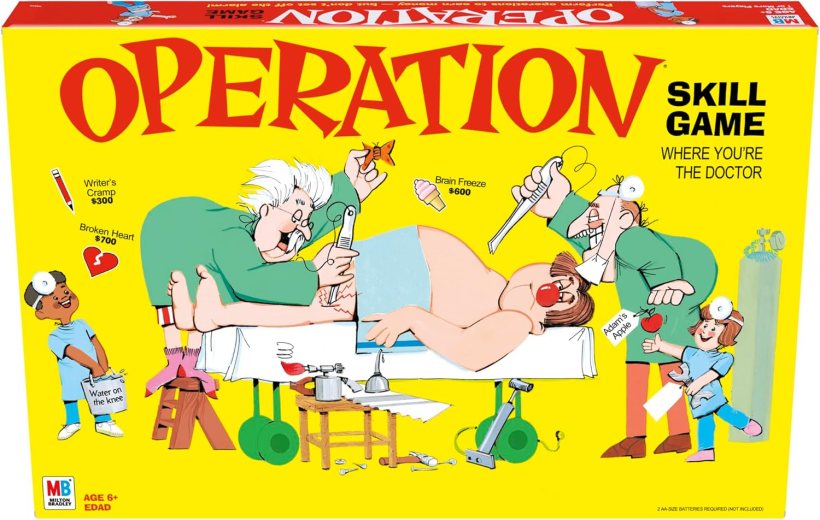
Best for ages: 6–10
Why it’s a classic:
In this buzzy, silly game of precision, kids remove tiny plastic “organs” from a patient without touching the edges. One wrong move and—BUZZ!

Great for: Hand-eye coordination, fine motor skills, and loads of laughter.

6. Sorry!
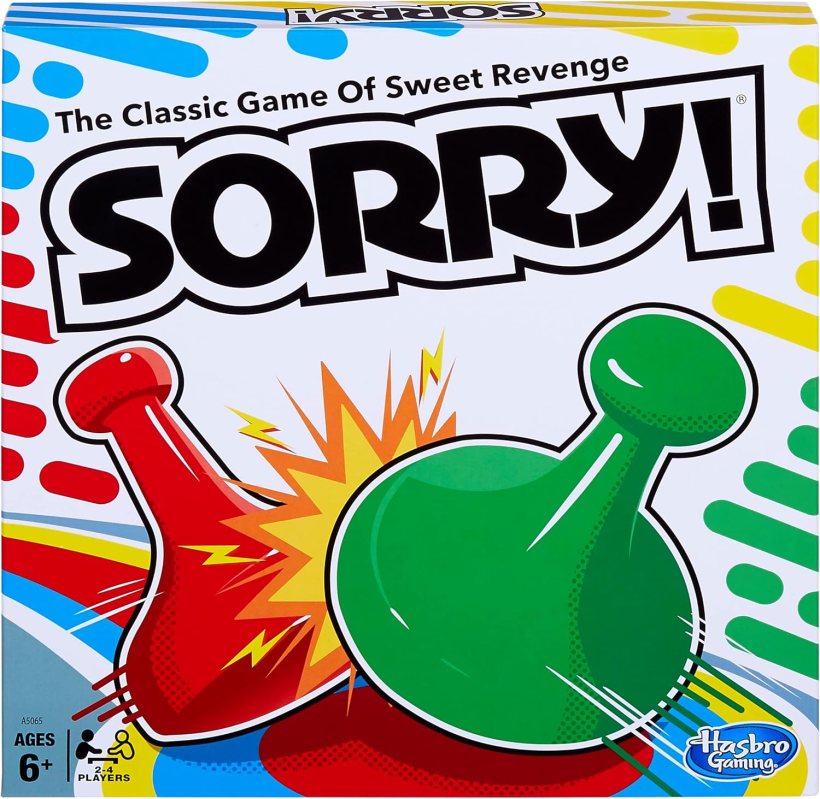
Best for ages: 6+
Why it’s a classic:
A colorful game of luck and strategy where players race to get their pawns home—while sending opponents back to the start with a mischievous “Sorry!”

Why kids love it: Knocking someone back to start never gets old.

7. Trouble
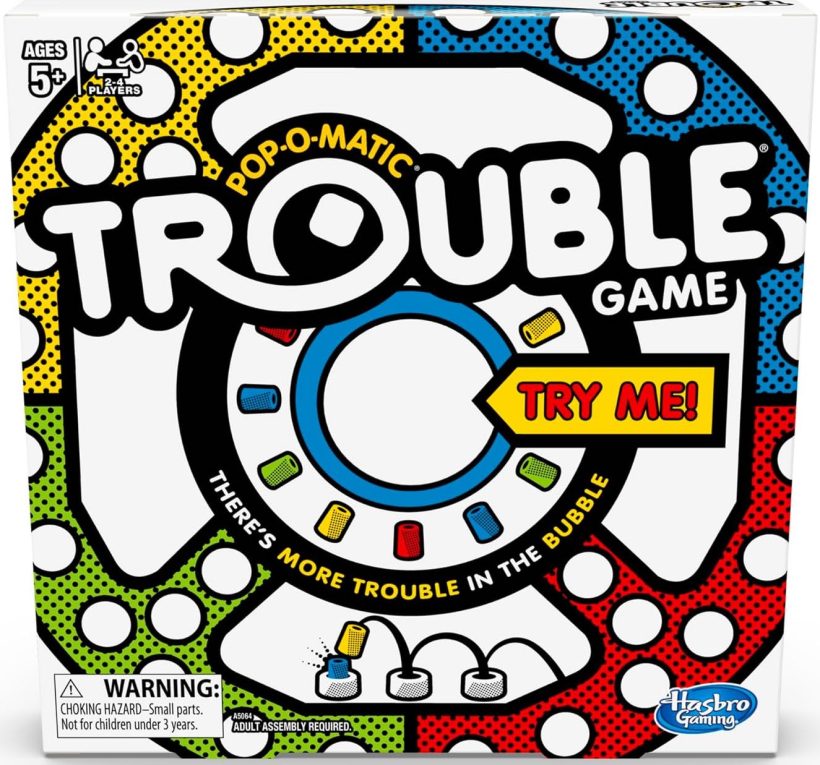
Best for ages: 5+
Why it’s a classic:
Featuring the iconic “Pop-O-Matic” dice bubble, this fast-paced game is similar to Sorry!, but with satisfying pops and quick moves.

Sensory win: That dice popper is pure joy for little hands.

8. The Game of Life

Best for ages: 8+
Why it’s a classic:
Drive your tiny car through a winding road of choices—school, job, kids, vacations—and see where “life” takes you.

Great for older kids: Introduces basic decision-making and money concepts in a fun, imaginative way.

9. Battleship

Best for ages: 7+
Why it’s a classic:
A fun two-player guessing game of naval warfare. Try to sink your opponent’s ships by calling out coordinates and listening for that satisfying, “You sunk my battleship!”

Why it sticks: Combines logic, memory, and strategy with a touch of drama.

10. Clue (Junior or Classic)
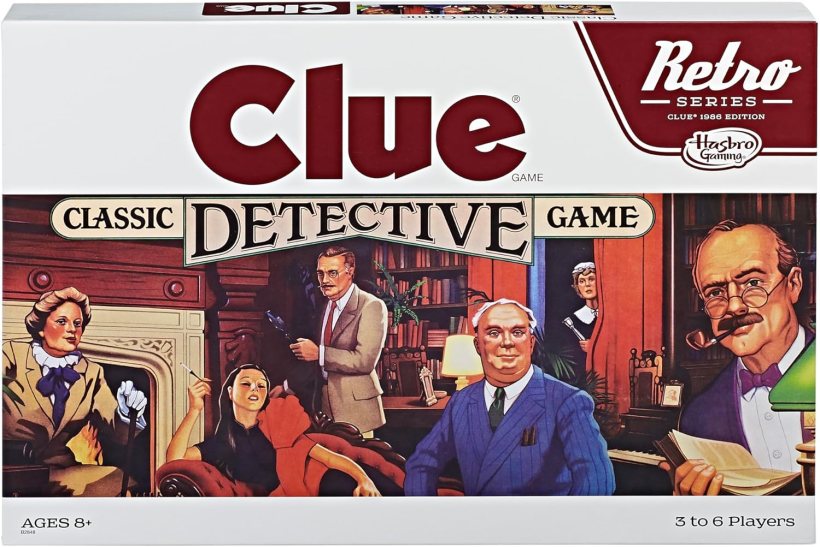
Best for ages: 6+ (Junior), 8+ (Classic)
Why it’s a classic:
Solve the mystery of who did it, with what, and where! The Junior version simplifies gameplay, while the original offers deeper deduction for older kids.

Bonus: Encourages critical thinking and discussion. It’s like a detective story you play.

Final Thoughts

Classic board games are more than just play—they’re lessons in patience, sportsmanship, strategy, and communication. And best of all, they’re an opportunity to slow down, unplug, and enjoy real connection.

So dust off those game boxes, clear off the kitchen table, and dive into some timeless fun with your kids. You might even rediscover your own favorite along the way.


How to Make Family Game Nights a Weekly Routine (That Everyone Looks Forward To)!

In today’s fast-paced world, it’s all too easy for quality family time to slip between schoolwork, chores, and screen time. That’s why family game night is such a game-changer (pun intended). It offers a regular, low-pressure way to connect, laugh, and make memories—without leaving the house or spending a fortune.

But like any good habit, making game night a consistent routine takes a bit of planning and flexibility. Here’s how to make it happen—and how to make it stick.

1. Pick a Night and Stick With It (Mostly)

Consistency is key. Choose a night that works for everyone and pencil it in like any other appointment. Friday or Sunday evenings work well for many families, but even a Monday night wind-down can work—just make it your own.

Pro tip: Call it something fun like “Friday Night Family Face-Off” or “Sunday Game Night Showdown” to build excitement.

2. Keep It Low-Key and Low-Stress

Family game night doesn’t have to be fancy. Turn off the devices, clear the table, and pull out a favorite game or two. The point is togetherness—not perfection.

Optional bonus: Pair it with pizza or snacks to make it feel special without a lot of prep.

3. Let Everyone Take Turns Choosing the Game

Rotating who gets to pick the game helps kids feel ownership and ensures variety. It also gives everyone a chance to play their favorite type of game—whether it’s silly, strategic, or cooperative.

Tip for fairness: Create a simple “game night picker” wheel or draw names from a jar.

4. Mix It Up With Different Types of Games

Keep things fresh with a mix of:

  • Quick games for busy nights (Uno, Spot It, Zingo)
  • Strategy games for older kids (Ticket to Ride, Catan Junior)
  • Cooperative games that encourage teamwork (Outfoxed!, Hoot Owl Hoot!)
  • Party-style games for lots of laughter (Charades, Pictionary)

Theme nights can add extra fun too—like “Card Game Night” or “Retro Game Night.”

5. Set the Mood

Create a cozy, inviting atmosphere. Dim the lights a bit, play some background music, and bring out blankets or floor cushions. Even small touches can make it feel like a special event.

Simple ideas: Use a “Game Night” sign, hang fairy lights, or light a candle.

6. Focus on Fun, Not Winning

It’s easy for competitiveness to take over, especially with older kids (or, let’s be honest, grown-ups). Remind everyone that the goal is fun and connection, not domination.

Try this: Occasionally play cooperative games or make up silly “bonus points” for good teamwork or sportsmanship.

7. Be Flexible (and Forgiving)

Not every week will be perfect. Life gets busy, moods shift, and sometimes a game will end in giggles—and other times in groans. That’s okay. Keep the tradition alive even if it’s just for 20 minutes or if you skip a week and come back to it later.

The key: Stick with it over time—it becomes more meaningful the longer it lasts.

8. Celebrate the Wins—Big and Small

Create little rituals like taking a “champion’s photo,” making a mini-trophy, or giving out fun titles (“Best Team Player,” “Silliest Voice,” “Card Shark”). These moments build positive memories and traditions your kids will remember for years.

Bonus: Let kids create a game night scrapbook or scoreboard.

Final Thoughts

Family game night doesn’t require hours of free time or expensive games. It just takes commitment, a dash of creativity, and a willingness to be present. Over time, it becomes more than just a night of entertainment—it becomes a tradition of laughter, learning, and connection.

So this week, pick a night, pick a game, and gather around the table. Let the dice roll and the good times begin!

How to create a Cherished Family Storytime Routine

In a world filled with screens, busy schedules, and never-ending to-do lists, carving out intentional family time can be a challenge. But there’s one simple, powerful tradition that can bring your household closer while nurturing imagination, empathy, and literacy: daily story-time.

Whether you have toddlers, teens, or a mix of ages in your home, incorporating a story into your family’s daily rhythm can be more than just a bedtime ritual—it can be a grounding moment of connection, calm, and creativity.

Why Storytime Matters

Storytime isn’t just for little ones. Here are a few reasons why families of all shapes and sizes benefit from it:

  • Strengthens Bonds: Sharing stories together encourages closeness, cuddles, and conversation. It’s a time to slow down and truly be present with one another.
  • Builds Literacy and Listening Skills: Reading aloud introduces new vocabulary, sparks questions, and develops comprehension—no matter your child’s age.
  • Fosters Imagination and Curiosity: From dragons and distant planets to real-world heroes, stories help children envision new possibilities and perspectives.
  • Creates Consistent Calm: A daily ritual like story-time can provide a comforting sense of structure, especially helpful during times of transition or stress.
Tips for Creating a Daily Storytime Routine

Here’s how to make story-time a seamless—and special—part of your day:

1. Pick a Time That Works for You

While bedtime is a natural choice, storytime can happen anytime: after dinner, during breakfast, or even right after school. The key is consistency. Pick a time that fits into your family’s routine and try to stick with it daily.

2. Make It a Screen-Free Zone

Create a cozy atmosphere by turning off TVs and phones. Let this time be about voices, pages, eye contact, and imagination. Even just 10–15 minutes without distractions can make a big impact.

3. Get Everyone Involved

Let kids pick the book. Invite older siblings to read aloud or act out parts. Take turns doing silly voices. When storytime feels like a collaborative adventure, it becomes something everyone looks forward to.

4. Curate a Special Reading Spot

A designated nook, pile of blankets, or a reading tent can add a little magic to the routine. Even a corner with a lamp and a comfy chair can signal that it’s story-time.

5. Mix It Up

Read picture books, chapter books, comics, poetry—even audiobooks together on road trips. The key is variety and choosing stories that resonate with your child’s interests and developmental level.

What If My Child Is “Too Old” for Storytime?

Even tweens and teens enjoy being read to when the content is engaging and age-appropriate. Choose stories that spark meaningful conversations—graphic novels, dystopian fiction, biographies, or even nonfiction about topics they love. You might be surprised how much they still crave this quiet, intentional time.

Final Thoughts

Storytime doesn’t have to be perfect. Some nights might be rushed. Some books might flop. But the goal isn’t perfection—it’s presence. By carving out this time every day, you’re not just building vocabulary or literacy. You’re building memories, connection, and a shared family culture that values stories, imagination, and time together.

So tonight, pick a book, gather close, and let the story begin!