
Video games aren’t just for solo players or high-score chasers—they can also be a great way to connect across generations. Whether you grew up blowing into cartridges or hearing the dial-up modem whir, sharing classic video games with your kids is a fun way to relive your own childhood while introducing them to the roots of modern gaming.
These 10 classic video games are not only iconic, but also kid-friendly, easy to pick up, and packed with timeless fun. Grab a controller, sit side by side, and get ready for some epic family game time.
1. Super Mario Bros. (NES/SNES, Switch Online)

Ages: 5+
Why it’s great: It’s the game that defined platforming—and it’s still incredibly fun. Simple to learn, but challenging to master, Super Mario Bros. is perfect for young kids just learning the ropes, and parents who want a hit of pure nostalgia.
Pro tip: Try Super Mario Bros. 3 or Super Mario World for more variety and two-player fun.
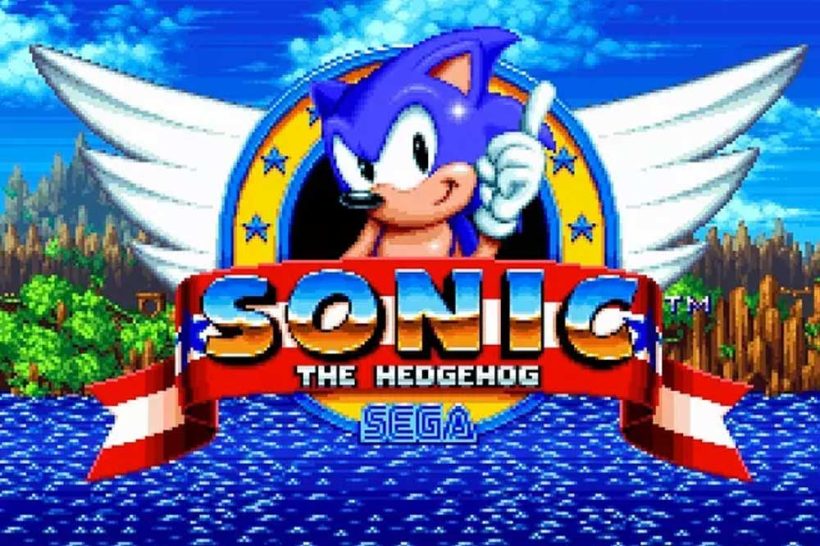
2. Sonic the Hedgehog (Genesis, Switch, iOS)
Ages: 6+
Why it’s great: Fast, colorful, and bursting with energy, Sonic is great for kids who love quick action and bright visuals. Plus, you can take turns or play co-op in later titles like Sonic 2.
Fun fact: Sonic’s speed makes it especially fun for younger kids who like constant movement.
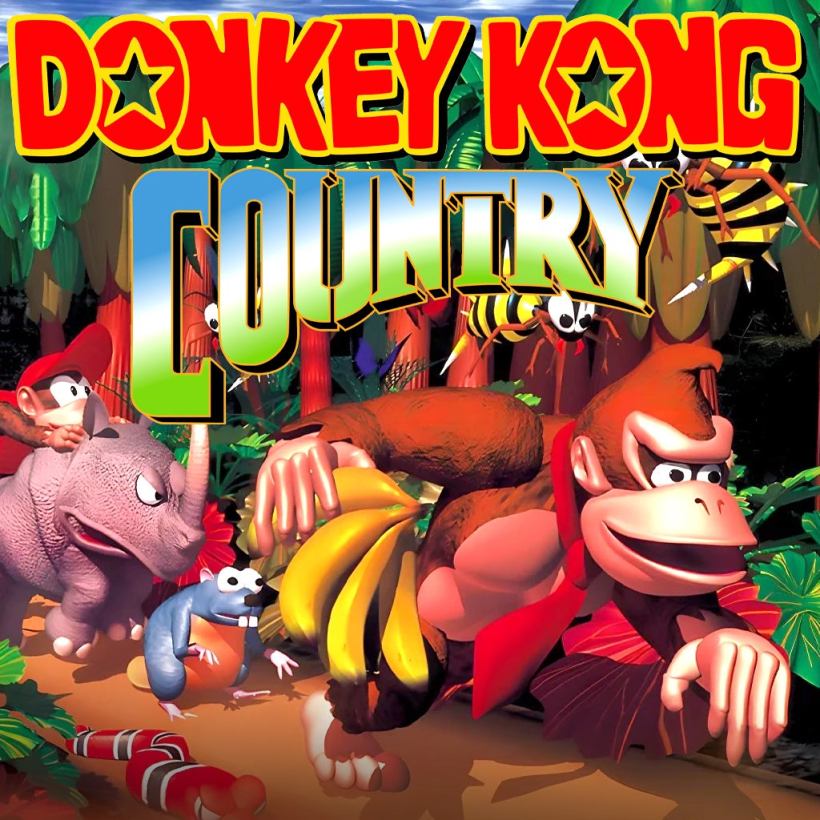
3. Donkey Kong Country (SNES, Switch Online)
Ages: 7+
Why it’s great: This beautifully animated side-scroller has aged incredibly well. With tag-team play between Donkey and Diddy Kong, it’s perfect for cooperative gameplay and sharing turns.
Bonus: The soundtrack is legendary—seriously, give it a listen even if you’re not playing!
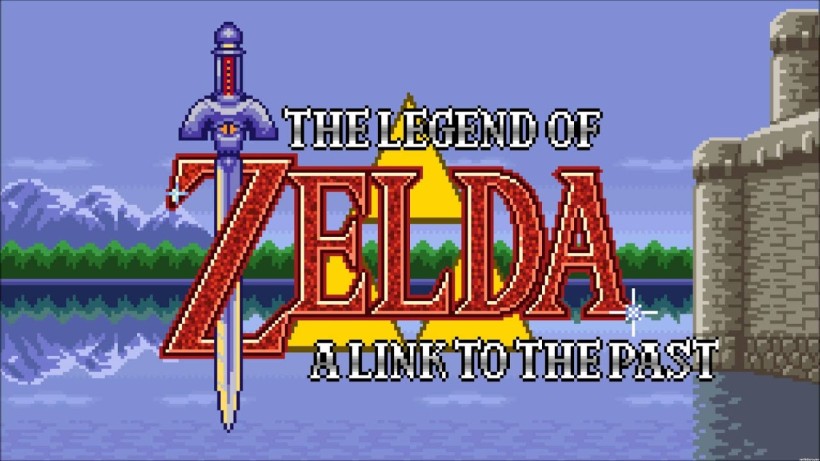
4. The Legend of Zelda: A Link to the Past (SNES, Switch Online)
Ages: 8+
Why it’s great: Introduce your kids to the world of puzzles, dungeons, and sword-swinging adventure. A Link to the Past is a perfect starting point for the Zelda series, and playing through it together can feel like reading a great fantasy book.
Family idea: Take turns solving puzzles or navigating dungeons—it’s a great team challenge.
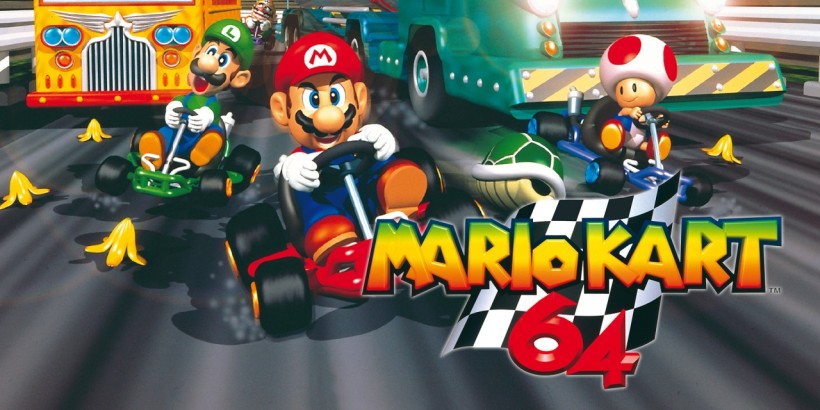
5. Mario Kart 64 (N64, Switch Online Expansion Pack)
Ages: 5+
Why it’s great: Few games spark as much joy and chaos as Mario Kart. The 64 version is packed with classic tracks and couch co-op fun. It’s easy enough for young players but competitive enough for parents to enjoy too.
Warning: May cause uncontrollable laughter and mild banana-related frustration.
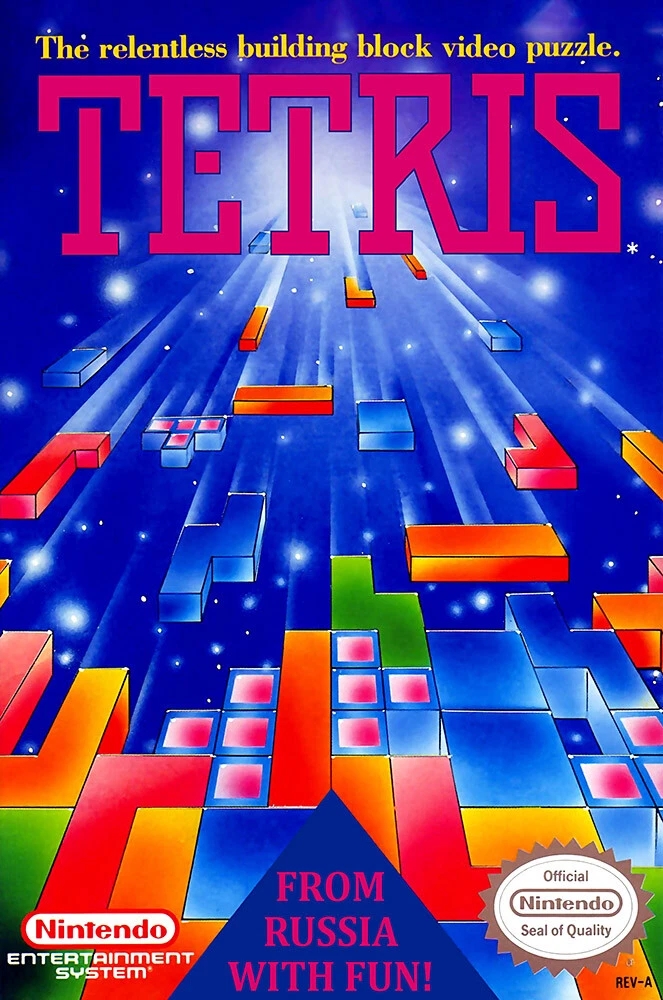
6. Tetris (NES/Game Boy, Switch Online)
Ages: 6+
Why it’s great: A puzzle game with infinite replayability. Whether you’re playing solo or in head-to-head modes (Tetris 99 is great too), it sharpens spatial reasoning and strategy without fast reflexes.
Educational angle: Helps develop pattern recognition and problem-solving skills.
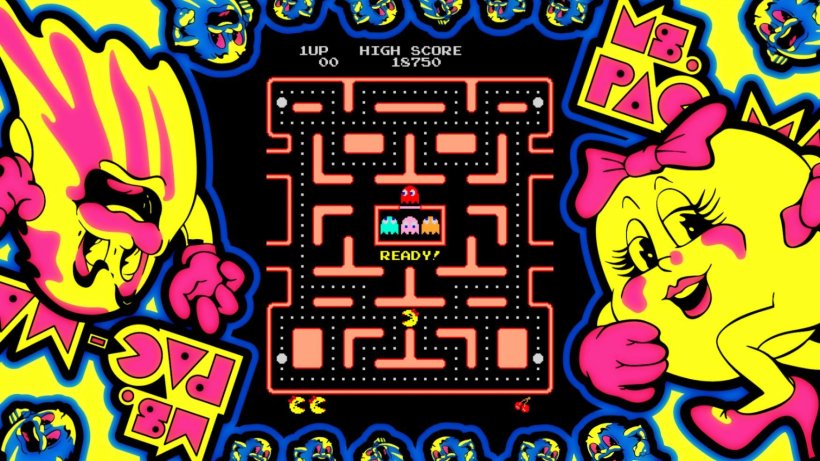
7. Ms. Pac-Man (Arcade, Various Consoles, and Apps)
Ms. Pac-Man (Arcade, Various Consoles, and Apps)
Ages: 4+
Why it’s great: With simple, intuitive mechanics, Ms. Pac-Man offers endless challenge and fun. The goal is just as easy to grasp: eat the dots, avoid the ghosts, but the gameplay is slightly more dynamic and exciting than its predecessor. With random maze layouts and faster-paced action, it keeps players on their toes. Great for quick gaming sessions and taking turns!
Tip: Ms. Pac-Man’s unpredictability makes it a more thrilling choice for those seeking a bit more of a challenge than the original Pac-Man.
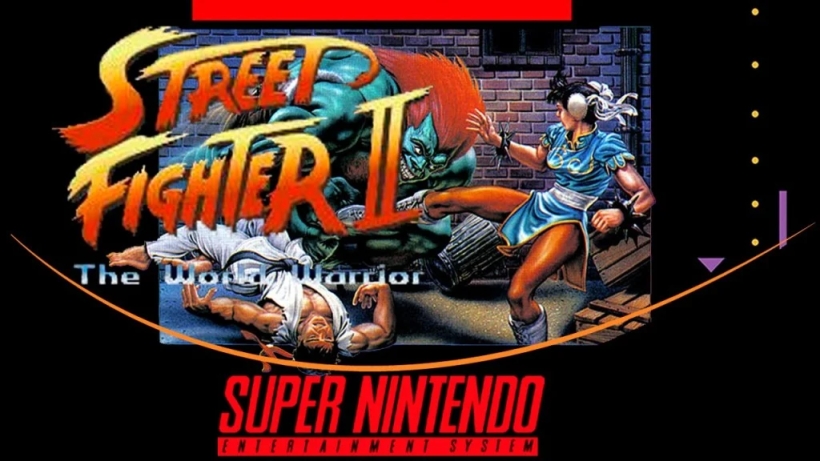
8. Street Fighter II (SNES, Arcade1Up, Switch)
Ages: 10+
Why it’s great: Great for older kids, this classic fighting game is easy to pick up but layered with strategy. Plus, it’s a blast to button mash in two-player mode (just keep it friendly!).
Tip for parents: Turn it into a lesson in digital sportsmanship and fair play.
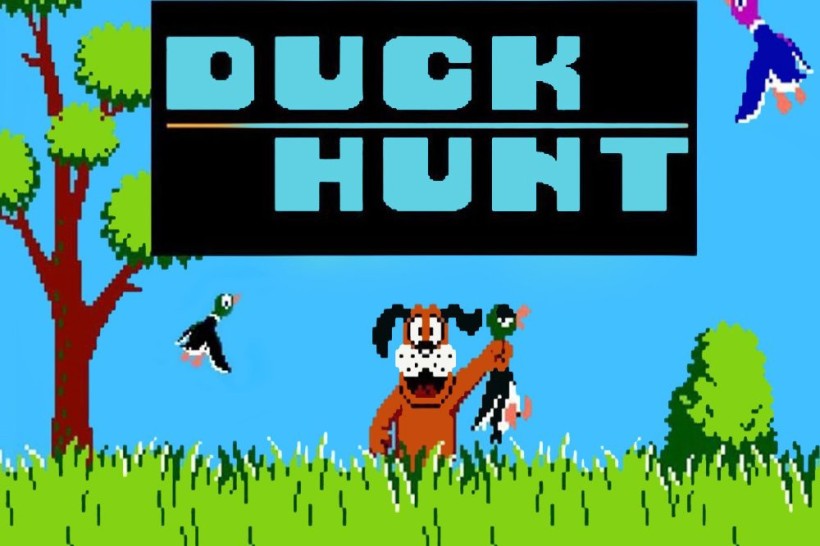
9. Duck Hunt (NES, with CRT TV or emulator)
Ages: 5+
Why it’s great: Simple shooting mechanics and that cheeky dog make Duck Hunt a retro gem. If you have the right setup (or a modern version), it’s a hit with younger kids.
Pro tip: Kids love it when the ducks fly erratically—lots of laughs!
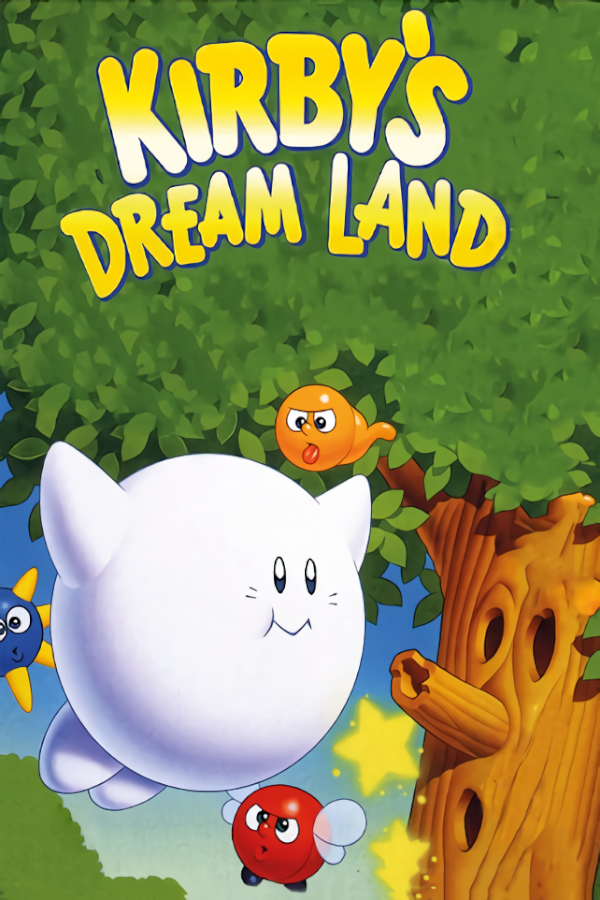
10. Kirby’s Dream Land (Game Boy, Switch Online)
Ages: 4+
Why it’s great: With its adorable design and forgiving gameplay, Kirby’s Dream Land is ideal for beginners. It’s perfect for introducing very young gamers to basic platforming without frustration.
Bonus: Kirby games tend to be short, so they’re great for a quick “gaming snack.”
Final Thoughts
Playing classic video games with your kids isn’t just about hitting high scores—it’s about sharing something you love, laughing at goofy moments, and learning to work (or race) together. These games might be decades old, but their magic still shines.
So dust off that controller, fire up the retro console (or emulator or app), and press “Start” on a family-friendly adventure that bridges generations.



 Whole Heartily