How to Make Family Game Nights a Weekly Routine (That Everyone Looks Forward To)!

In today’s fast-paced world, it’s all too easy for quality family time to slip between schoolwork, chores, and screen time. That’s why family game night is such a game-changer (pun intended). It offers a regular, low-pressure way to connect, laugh, and make memories—without leaving the house or spending a fortune.

But like any good habit, making game night a consistent routine takes a bit of planning and flexibility. Here’s how to make it happen—and how to make it stick.

1. Pick a Night and Stick With It (Mostly)

Consistency is key. Choose a night that works for everyone and pencil it in like any other appointment. Friday or Sunday evenings work well for many families, but even a Monday night wind-down can work—just make it your own.

Pro tip: Call it something fun like “Friday Night Family Face-Off” or “Sunday Game Night Showdown” to build excitement.

2. Keep It Low-Key and Low-Stress

Family game night doesn’t have to be fancy. Turn off the devices, clear the table, and pull out a favorite game or two. The point is togetherness—not perfection.

Optional bonus: Pair it with pizza or snacks to make it feel special without a lot of prep.

3. Let Everyone Take Turns Choosing the Game

Rotating who gets to pick the game helps kids feel ownership and ensures variety. It also gives everyone a chance to play their favorite type of game—whether it’s silly, strategic, or cooperative.

Tip for fairness: Create a simple “game night picker” wheel or draw names from a jar.

4. Mix It Up With Different Types of Games

Keep things fresh with a mix of:

  • Quick games for busy nights (Uno, Spot It, Zingo)
  • Strategy games for older kids (Ticket to Ride, Catan Junior)
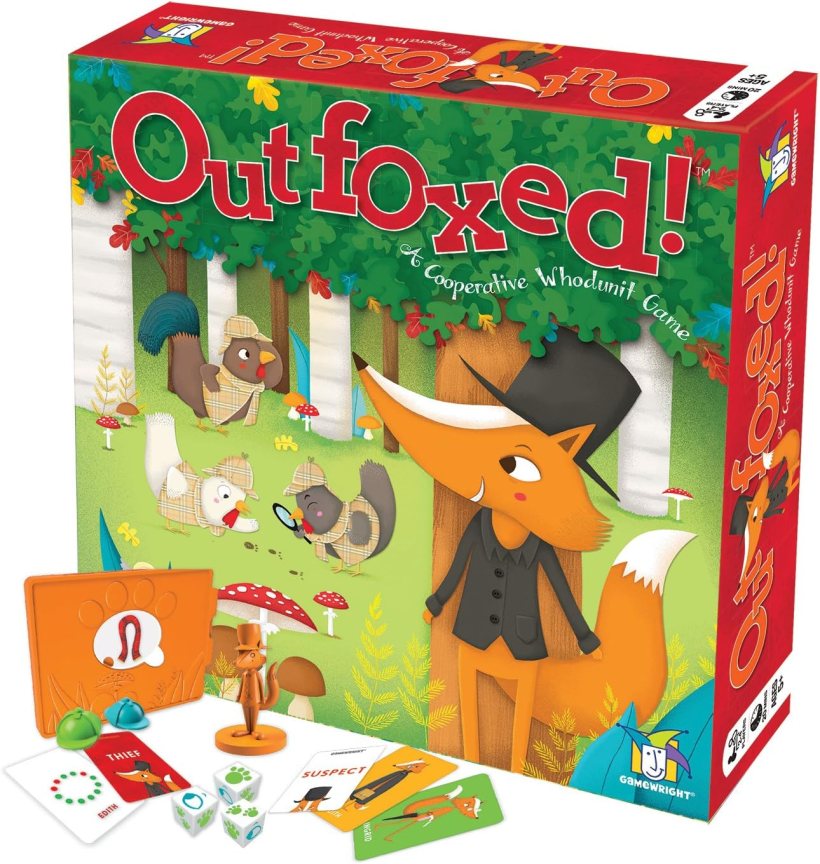
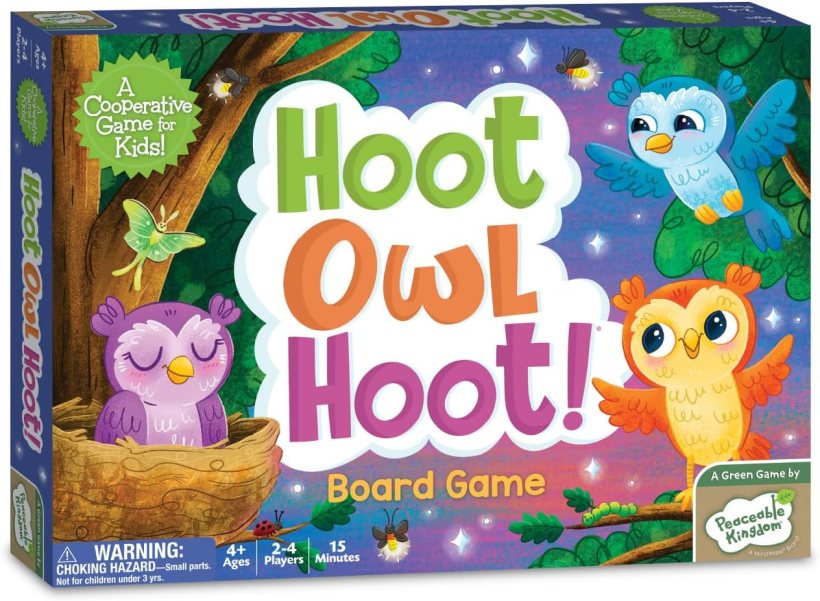
  • Cooperative games that encourage teamwork (Outfoxed!, Hoot Owl Hoot!)
  • Party-style games for lots of laughter (Charades, Pictionary)

Theme nights can add extra fun too—like “Card Game Night” or “Retro Game Night.”

5. Set the Mood

Create a cozy, inviting atmosphere. Dim the lights a bit, play some background music, and bring out blankets or floor cushions. Even small touches can make it feel like a special event.

Simple ideas: Use a “Game Night” sign, hang fairy lights, or light a candle.

6. Focus on Fun, Not Winning

It’s easy for competitiveness to take over, especially with older kids (or, let’s be honest, grown-ups). Remind everyone that the goal is fun and connection, not domination.

Try this: Occasionally play cooperative games or make up silly “bonus points” for good teamwork or sportsmanship.

7. Be Flexible (and Forgiving)

Not every week will be perfect. Life gets busy, moods shift, and sometimes a game will end in giggles—and other times in groans. That’s okay. Keep the tradition alive even if it’s just for 20 minutes or if you skip a week and come back to it later.

The key: Stick with it over time—it becomes more meaningful the longer it lasts.

8. Celebrate the Wins—Big and Small

Create little rituals like taking a “champion’s photo,” making a mini-trophy, or giving out fun titles (“Best Team Player,” “Silliest Voice,” “Card Shark”). These moments build positive memories and traditions your kids will remember for years.

Bonus: Let kids create a game night scrapbook or scoreboard.

Final Thoughts

Family game night doesn’t require hours of free time or expensive games. It just takes commitment, a dash of creativity, and a willingness to be present. Over time, it becomes more than just a night of entertainment—it becomes a tradition of laughter, learning, and connection.

So this week, pick a night, pick a game, and gather around the table. Let the dice roll and the good times begin!

Top 10 Educational Board Games for Children That Make Learning Fun!

If you’ve ever tried to sneak learning into playtime, you already know that games are a powerful tool. The best educational board games don’t just teach—they captivate. They turn math drills into monster adventures, reading practice into races, and logic into laughter.

Whether you’re a parent looking to build skills at home or a teacher stocking up your classroom shelf, these 10 educational board games for kids offer screen-free fun that’s as enriching as it is entertaining.

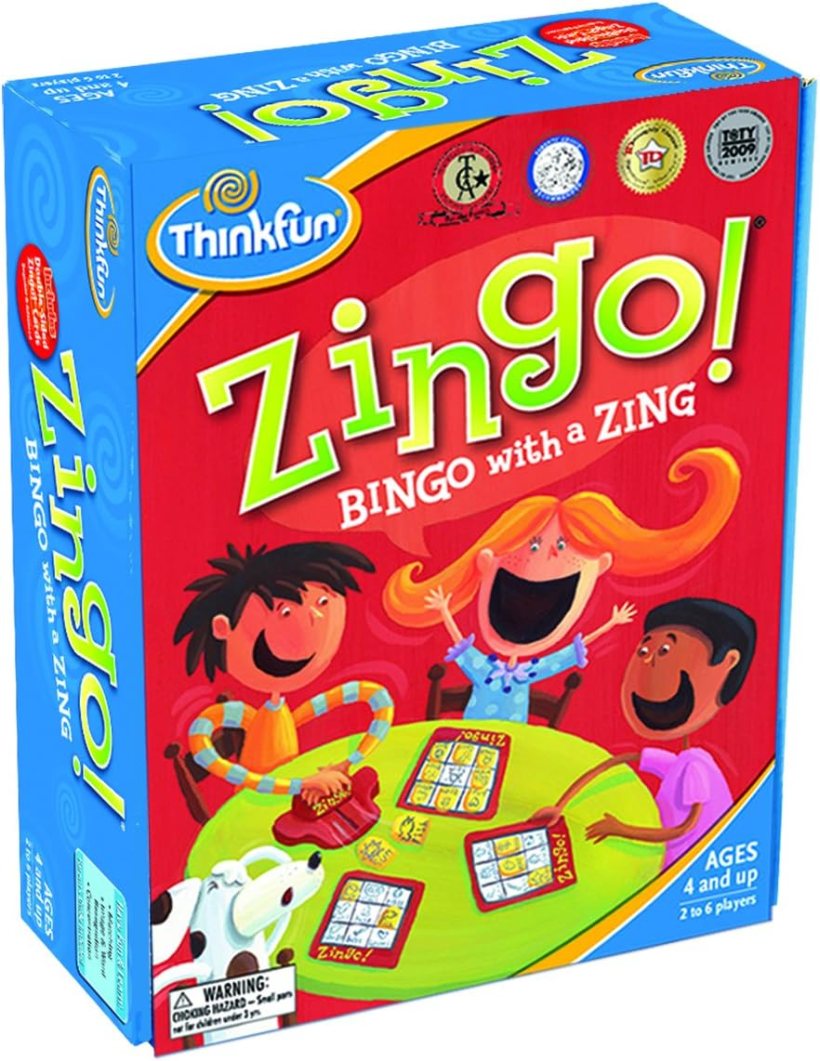
1. Zingo by ThinkFun

Ages: 4–8
Skills: Reading, vocabulary, matching

A fast-paced take on Bingo, Zingo uses a sliding tile dispenser and picture-word cards to help early readers learn common sight words. It’s great for building confidence and excitement around language.

Why kids love it: The satisfying “zing” of the tile dispenser and the race to shout “Zingo!”

2. Sum Swamp by Learning Resources

Ages: 5–7
Skills: Addition, subtraction, odd/even numbers

Players race through a swampy path by solving simple math problems. The game introduces early arithmetic in a playful, non-intimidating way.

Why kids love it: Dice, monsters, and math make a surprisingly addictive combo.

3. Outfoxed! by Gamewright

Ages: 5+
Skills: Deductive reasoning, logic, cooperation

A clever whodunit where kids play detectives solving a mystery before the sneaky fox escapes. Players use clues and deduction to eliminate suspects.

Why kids love it: It feels like solving a mystery—because it is!

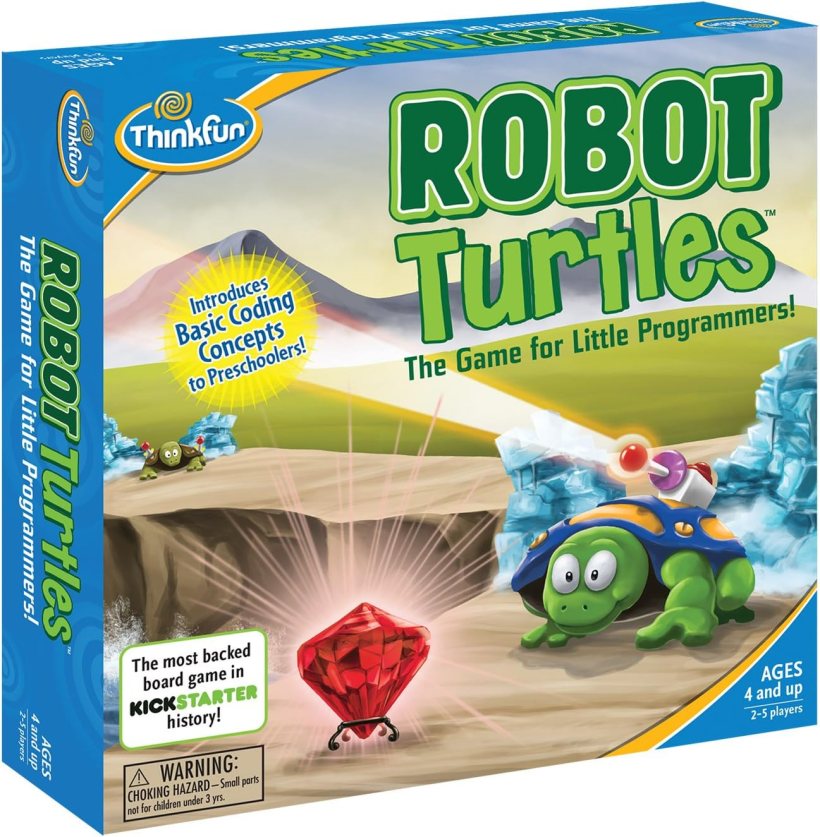
4. Robot Turtles by ThinkFun

Ages: 4–8
Skills: Coding concepts, sequencing, problem-solving

Designed by a software engineer, this game teaches preschoolers the basics of programming—without a screen. Kids use directional cards to “program” their turtles to reach a goal.

Why kids love it: They get to “boss around” grown-ups who follow their code.

5. Hoot Owl Hoot! by Peaceable Kingdom

Ages: 4–8
Skills: Color recognition, turn-taking, teamwork

In this cooperative game, players work together to get owls back to their nest before sunrise. It’s a gentle, non-competitive game that still encourages planning and strategy.

Why kids love it: The thrill of racing the sun—and cheering each other on.

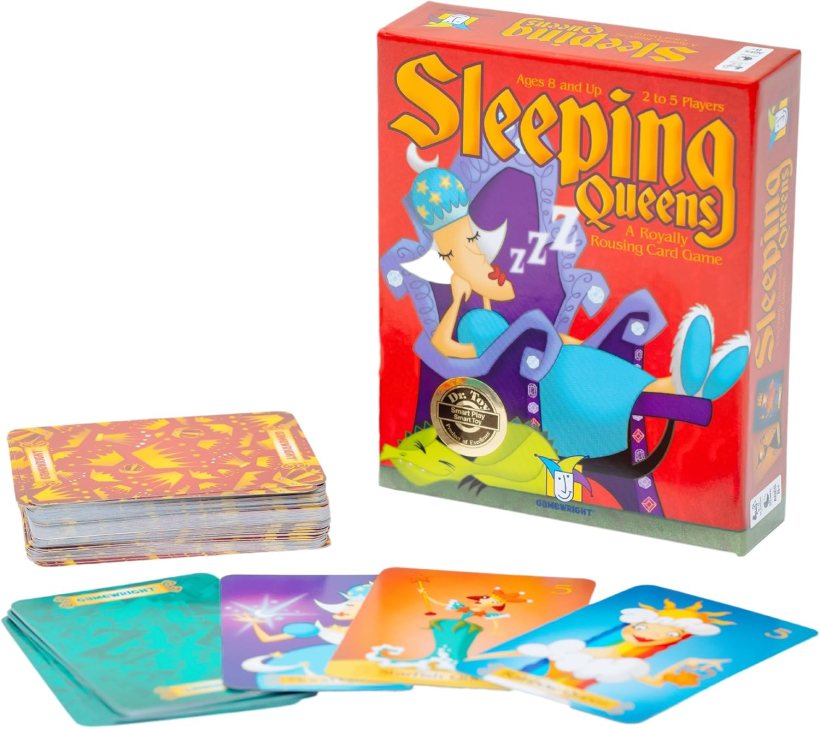
6. Sleeping Queens by Gamewright

Ages: 6+
Skills: Math, memory, strategy

Invented by a child, this whimsical card game blends number play, memory, and a bit of luck as players try to wake sleeping queens while avoiding knights and potions.

Why kids love it: The quirky characters and the fast-paced action.

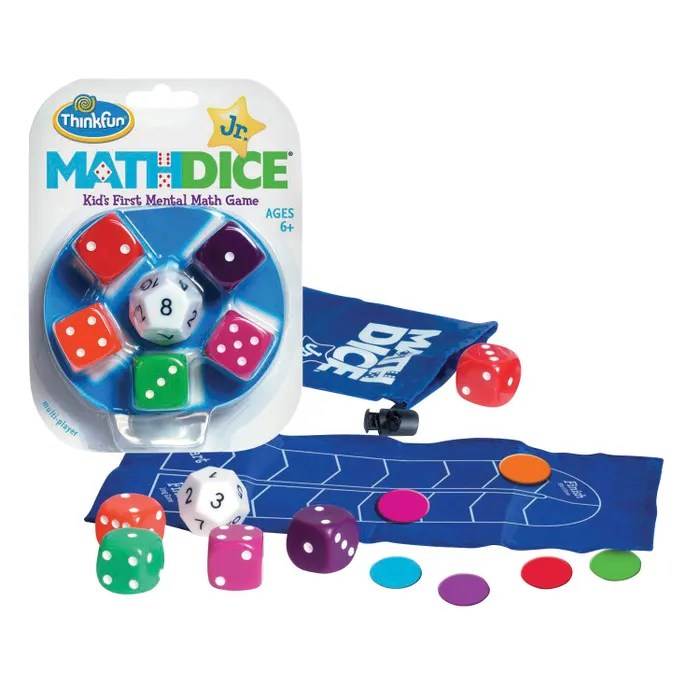
7. Math Dice Jr. by ThinkFun

Ages: 6–10
Skills: Mental math, addition, subtraction

Roll the dice, add or subtract to hit the target number, and move your pawn forward. This quick game sharpens math fluency through fun repetition and strategic thinking.

Why kids love it: Dice make everything more exciting.

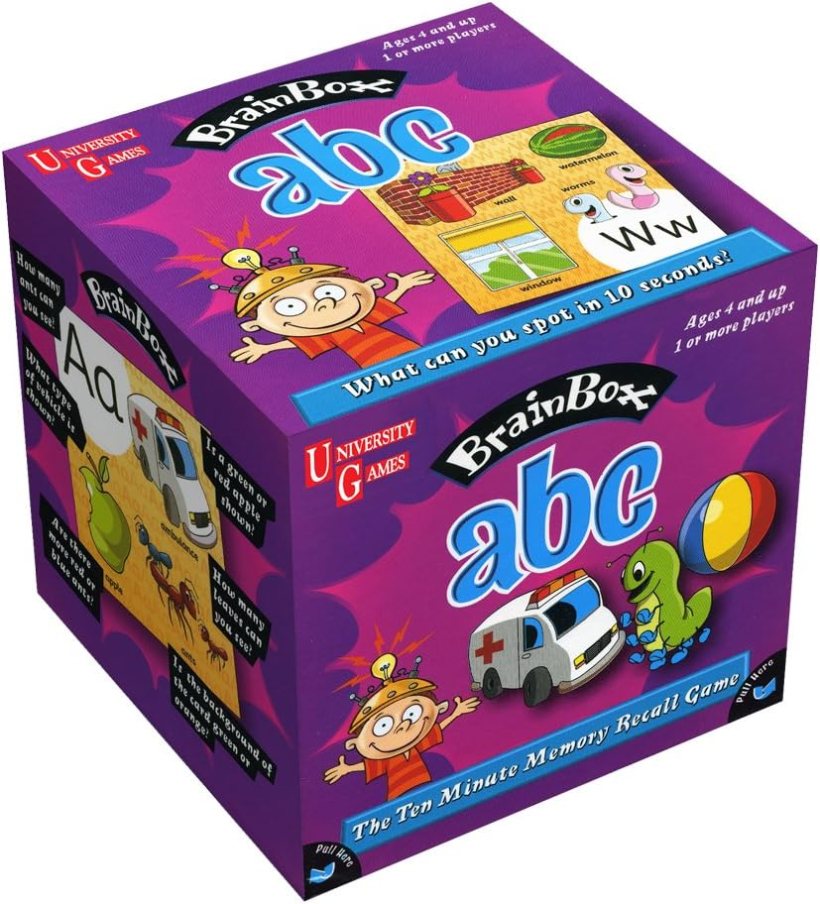
8. BrainBox: My First ABC (or other versions)

Ages: 4–8
Skills: Memory, language, observation

Players study a picture card for 10 seconds and then answer questions about it from memory. Versions include ABCs, animals, geography, and more.

Why kids love it: The 10-second memory challenge feels like a game show.

9. Race to the Treasure by Peaceable Kingdom

Ages: 5–8
Skills: Planning, collaboration, critical thinking

Another cooperative winner, this game has kids working together to build a path to a treasure before the ogre reaches it. It’s all about planning and teamwork.

Why kids love it: They get to outsmart a silly ogre together.

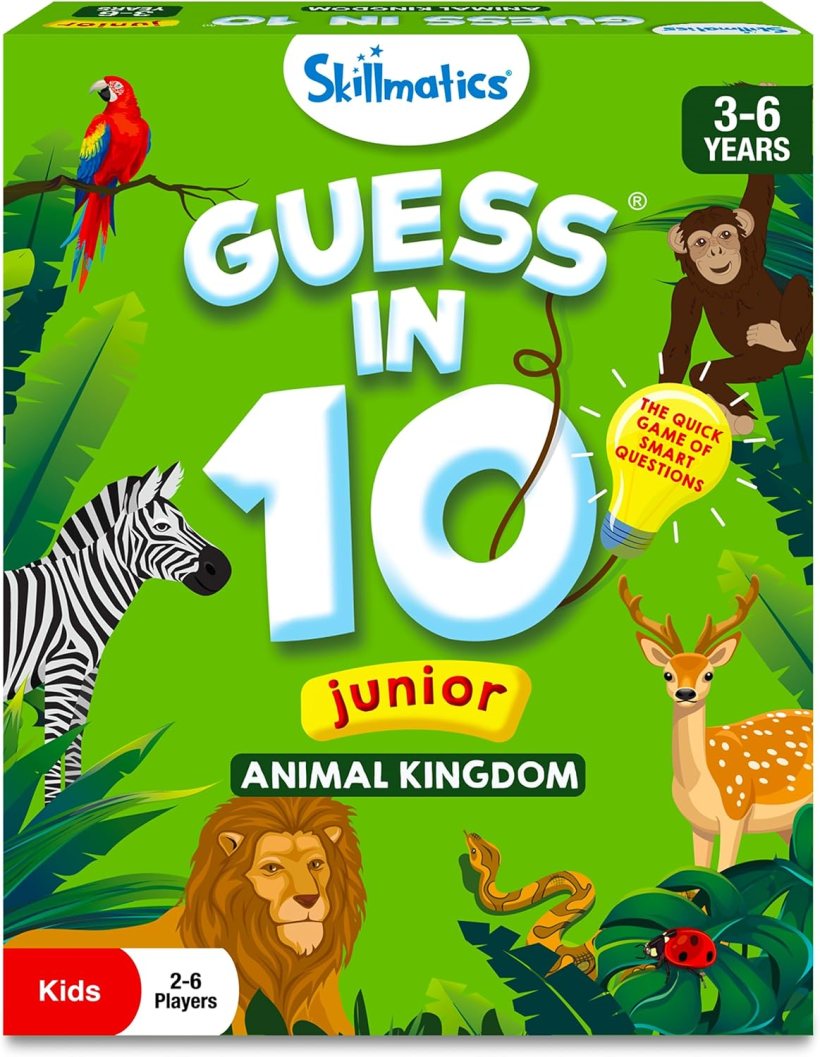
10. Guess in 10 Junior (Animal Kingdom, Countries, etc.)

Ages: 5–10
Skills: Critical thinking, questioning, general knowledge

In this rapid-fire question game, players guess what’s on the card by asking yes/no questions. Versions cover animals, jobs, food, and more.

Why kids love it: The game encourages curiosity and feels like a trivia challenge.

Final Thoughts

Educational board games are more than just a rainy-day fix—they’re a chance to learn through laughter, build skills through strategy, and grow closer as a family or classroom. These games prove that when kids are having fun, learning comes naturally.

So next time you’re looking to boost math, reading, logic, or teamwork, skip the worksheet and grab one of these games instead. Your kids will thank you—and they won’t even realize they’re learning.

Family Game Night: 25 Tabletop Game Ideas (Ages 4 and Up)

Weekly family game nights, now doesn’t that sound wonderful? Imagine it, gathering around a table and playing tabletop games, familiar or new. Or getting into pajamas and snuggling up on the couch or pillow-strewn floor, playing video games. There are many ways to create happy memories, and this is one of them!

We’ve already had seven family game nights this year and they were fun and relaxed. We played a mixture of board or tabletop games and video games. Our only personal rule (more-so for my husband and I) is no cell phone usage.

I’ve created a list of some fun starter tabletop games for children ages 4 and up to inspire your family game nights!

  1. Bluey Scavenger Hunt Game
  2. Boggle Jr.
  3. Candy Land
  4. Chutes and Ladders
  5. Dr. Seuss Pattern Game
  6. Frankie’s Food Truck Fiasco
  7. Frida’s Fruit Fiesta
  8. Friends and Neighbors: The Helping Game
  9. Hoot Owl Hoot!
  10. Hoppy Floppy’s Happy Hunt
  11. Hungry Hungry Hippos
  12. Hi Ho! Cherry-O!
  13. Koala Capers
  14. Let’s Go Fishing!
  15. Monster Mash!
  16. Pancake Pile-Up!
  17. Pete the Cat: The Missing Cupcakes Game
  18. Raccoon Rumpus
  19. Shelby’s Snack Shack Game
  20. The Sneaky, Snarky Squirrel Game
  21. Sophie’s Seashell Scramble
  22. Uno Jr.
  23. Yahtzee Jr.
  24. Yeti in my Spaghetti
  25. Zingo!

What games do you like to play with your family? We would love recommendations!