The Best Educational YouTube Channels for Children (That They’ll Actually Love Watching)!

Screen time can get a bad rap—but when used thoughtfully, it can also be an incredible tool for learning. YouTube is filled with kid-friendly content, but sifting through it can be overwhelming. The key? Finding trusted, engaging channels that teach kids something valuable and keep them coming back for more.

We’ve rounded up some of the best educational YouTube channels for children, covering everything from science and reading to art, music, and social skills. Whether your child is a preschooler or a curious tween, these channels make learning feel like play.

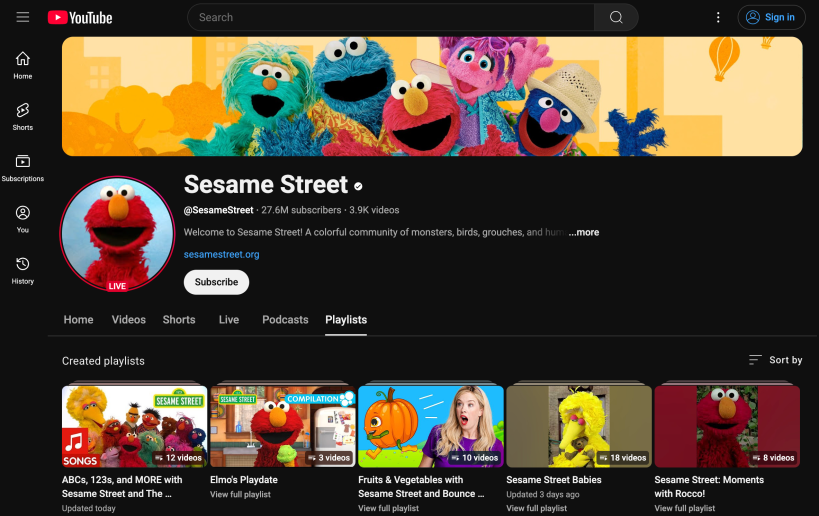
1. Sesame Street
YouTube.com/SesameStreet
Ages: 2–6
Focus: Early literacy, numbers, emotions, kindness

An all-time favorite for a reason. Sesame Street blends silly songs, lovable characters, and real-life lessons about friendship, diversity, and empathy—all while teaching the ABCs and 123s.

Why kids love it: Familiar faces like Elmo, Big Bird, and Cookie Monster bring warmth and fun to learning.

2. Cosmic Kids Yoga

YouTube.com/CosmicKidsYoga
Ages: 3–9
Focus: Mindfulness, movement, storytelling

Yoga, movement, and mindfulness meet adventure stories and popular themes (hello, Frozen and Pokémon). Jaime, the cheerful instructor, guides kids through active, imaginative routines.

Why parents love it: It gets kids moving, promotes calm, and requires zero equipment.

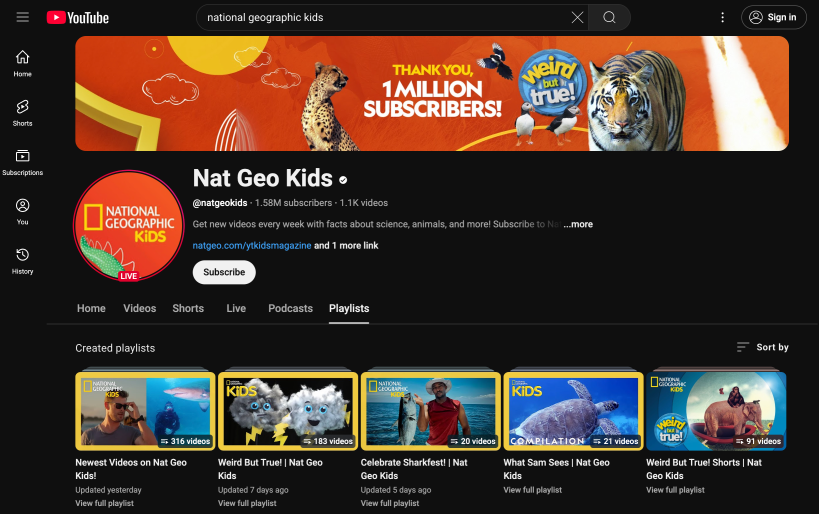
3. National Geographic Kids
YouTube.com/NatGeoKids
Ages: 6–12
Focus: Animals, geography, science, culture

This channel brings the wonders of the world right to your living room. Kids can explore wildlife, learn about ancient civilizations, and dive into fascinating facts with short, energetic videos.

Why kids love it: Cool animals + fun facts = instant engagement.

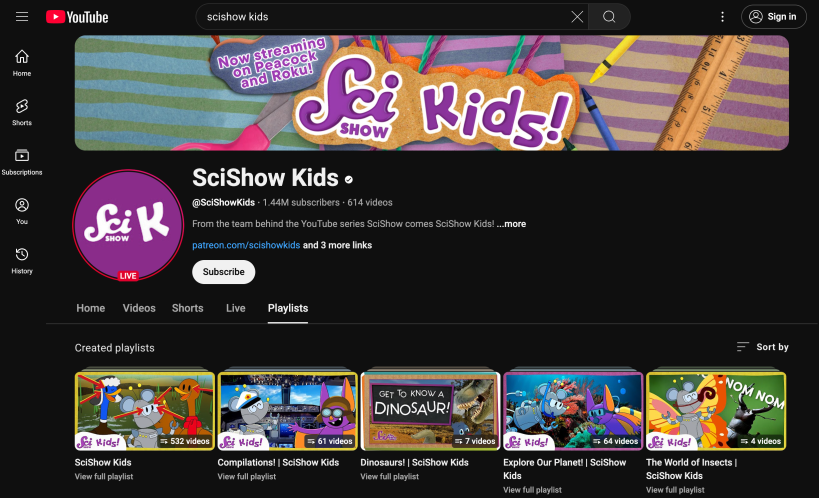
4. SciShow Kids
YouTube.com/SciShowKids
Ages: 5–10
Focus: Science, curiosity, critical thinking

Hosted by the enthusiastic Jessi, SciShow Kids explains science in a way that’s fun, accessible, and experiment-friendly. From why the sky is blue to how volcanoes work, every episode sparks curiosity.

Why parents love it: It’s science class without the pressure—hands-on and easy to follow.

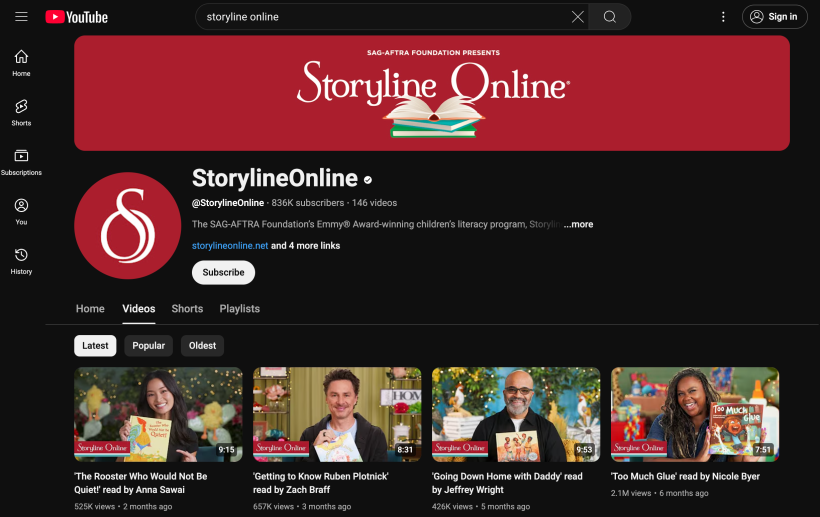
5. Storyline Online
YouTube.com/StorylineOnline
Ages: 4–10
Focus: Reading, storytelling, vocabulary

Beloved children’s books are read aloud by celebrities like Viola Davis and Chris Pine. Each video is beautifully produced and perfect for encouraging a love of reading.

Why it’s a hit: It brings storytime to life, especially helpful for reluctant readers.

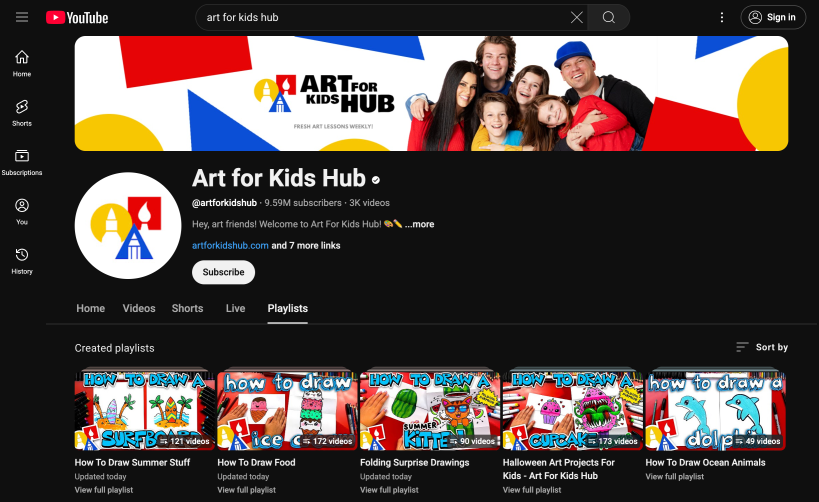
6. Art for Kids Hub
YouTube.com/ArtforKidsHub
Ages: 4–12
Focus: Drawing, creativity, art techniques

This family-run channel offers step-by-step drawing tutorials for everything from animals to video game characters. It’s a hit with creative kids and families who want to draw together.

Bonus: No fancy art supplies needed—just paper, a pencil, and imagination.

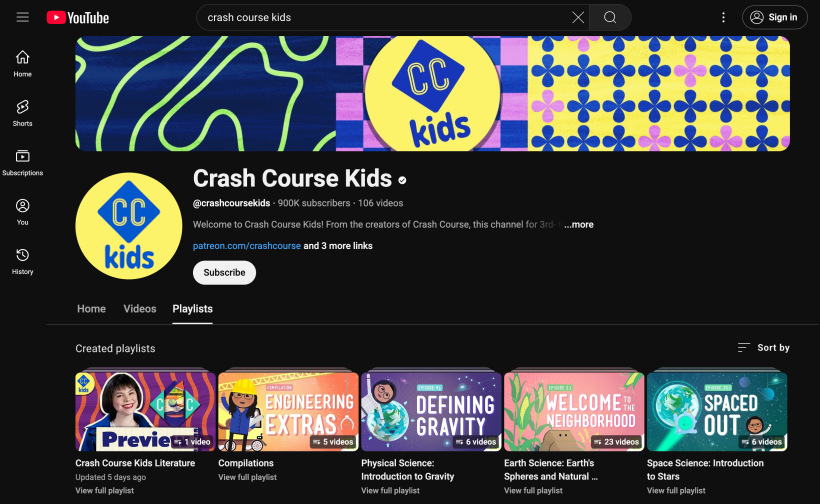
7. Crash Course Kids
YouTube.com/CrashCourseKids
Ages: 8–12
Focus: Science, engineering, ecosystems

A younger version of the popular Crash Course series, this channel dives deeper into science topics with smart explanations, animations, and a focus on real-world connections.

Why it works: It respects kids’ intelligence while making big ideas digestible.

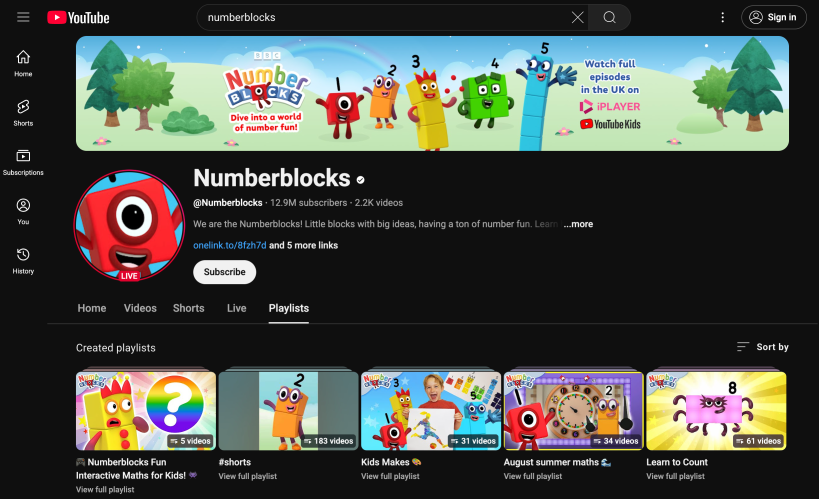
8. Numberblocks / Alphablocks
YouTube.com/Numberblocks
Ages: 3–6
Focus: Early math and literacy

These bite-sized shows use colorful characters to teach foundational concepts in math (Numberblocks) and phonics (Alphablocks). They’re perfect for preschool and kindergarten learners.

Why kids love it: The characters are like living, breathing numbers and letters.

9. KidTime StoryTime

YouTube.com/KidTimeStoryTime
Ages: 4–9
Focus: Books, imagination, vocabulary

This channel brings picture books to life with enthusiastic storytelling, fun voices, and puppet co-hosts. It’s lively, funny, and wonderful for winding down.

Why parents love it: It’s perfect for quiet time or a bedtime story replacement.

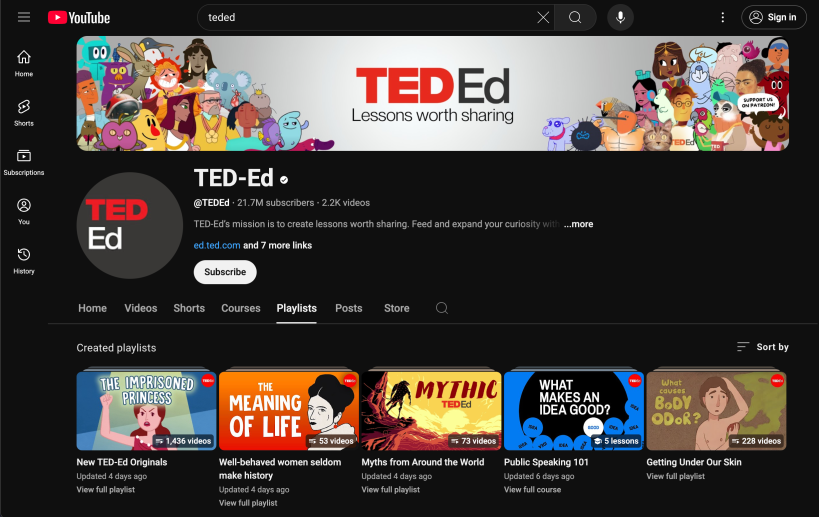
10. TED-Ed
YouTube.com/TEDEd
Ages: 10+
Focus: Big ideas, science, history, philosophy

For older kids, TED-Ed delivers smart, thought-provoking animated lessons on everything from the immune system to ancient myths. Great for kids who ask why? a lot.

Why it stands out: It’s like a mini-lesson from a passionate teacher—ideal for curious tweens and teens.

Final Thoughts

Educational YouTube content can be so much more than background noise—it can spark questions, fuel passions, and even inspire a love of learning that lasts a lifetime. Whether you want to boost reading, explore science, or take a virtual field trip, these channels are safe, smart, and seriously fun.

So the next time you’re looking for quality screen time, skip the scroll and try one of these instead. Your kids might just learn something new—and you might, too!

Top 10 Educational Board Games for Children That Make Learning Fun!

If you’ve ever tried to sneak learning into playtime, you already know that games are a powerful tool. The best educational board games don’t just teach—they captivate. They turn math drills into monster adventures, reading practice into races, and logic into laughter.

Whether you’re a parent looking to build skills at home or a teacher stocking up your classroom shelf, these 10 educational board games for kids offer screen-free fun that’s as enriching as it is entertaining.

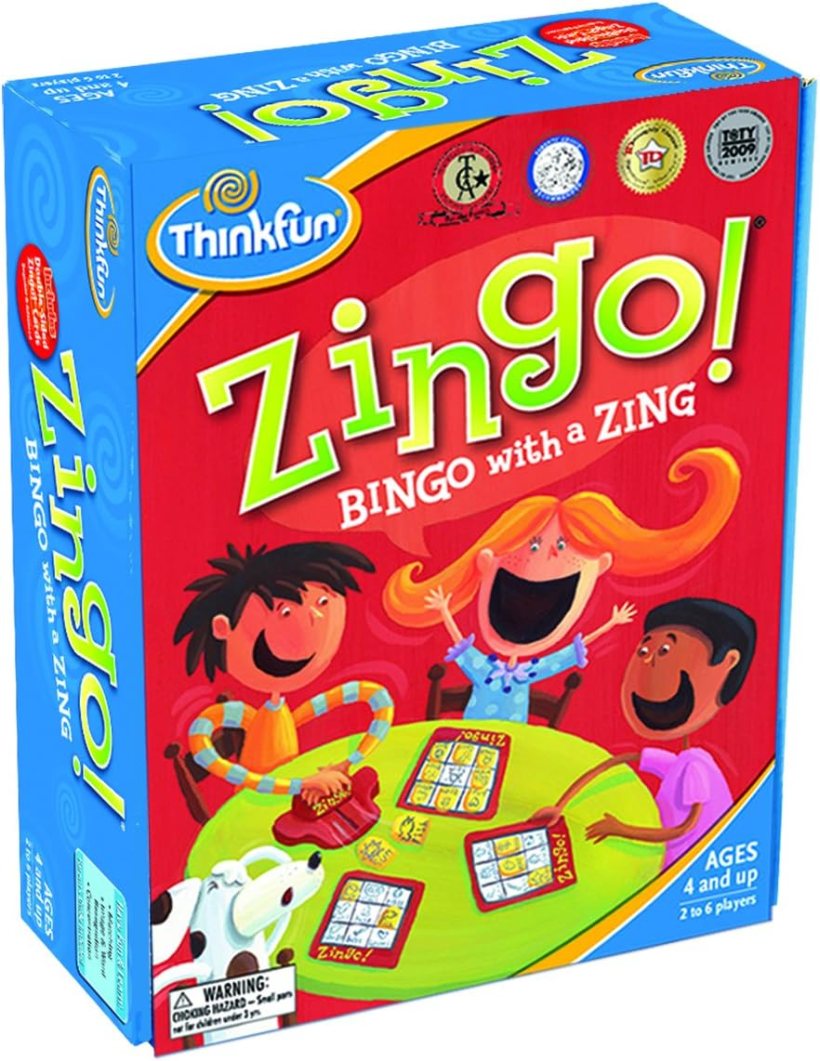
1. Zingo by ThinkFun

Ages: 4–8
Skills: Reading, vocabulary, matching

A fast-paced take on Bingo, Zingo uses a sliding tile dispenser and picture-word cards to help early readers learn common sight words. It’s great for building confidence and excitement around language.

Why kids love it: The satisfying “zing” of the tile dispenser and the race to shout “Zingo!”

2. Sum Swamp by Learning Resources

Ages: 5–7
Skills: Addition, subtraction, odd/even numbers

Players race through a swampy path by solving simple math problems. The game introduces early arithmetic in a playful, non-intimidating way.

Why kids love it: Dice, monsters, and math make a surprisingly addictive combo.

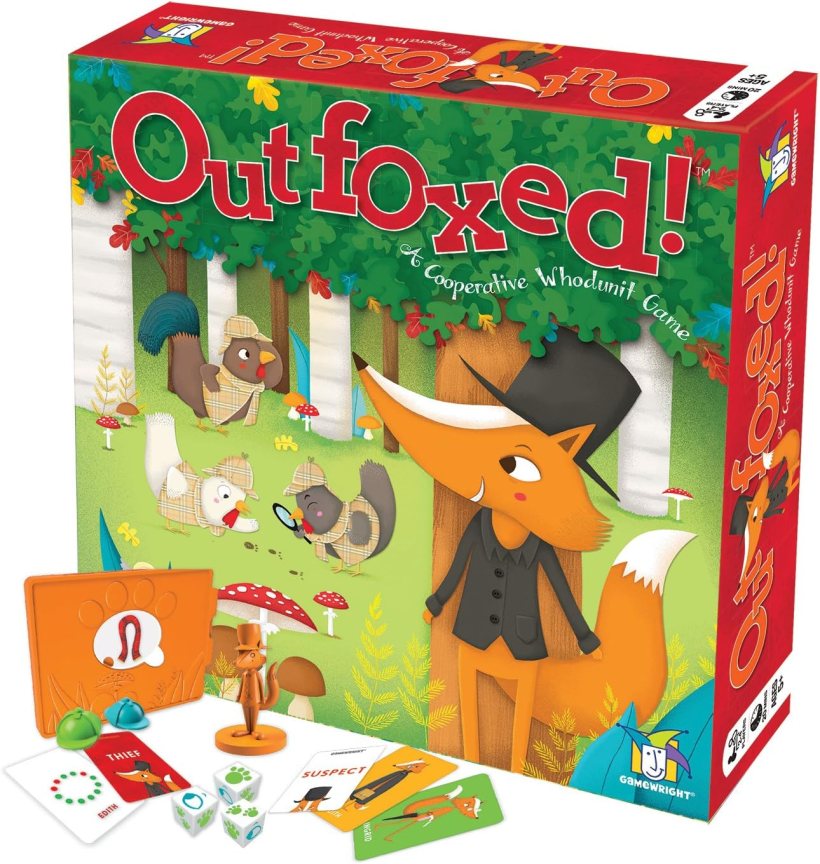
3. Outfoxed! by Gamewright

Ages: 5+
Skills: Deductive reasoning, logic, cooperation

A clever whodunit where kids play detectives solving a mystery before the sneaky fox escapes. Players use clues and deduction to eliminate suspects.

Why kids love it: It feels like solving a mystery—because it is!

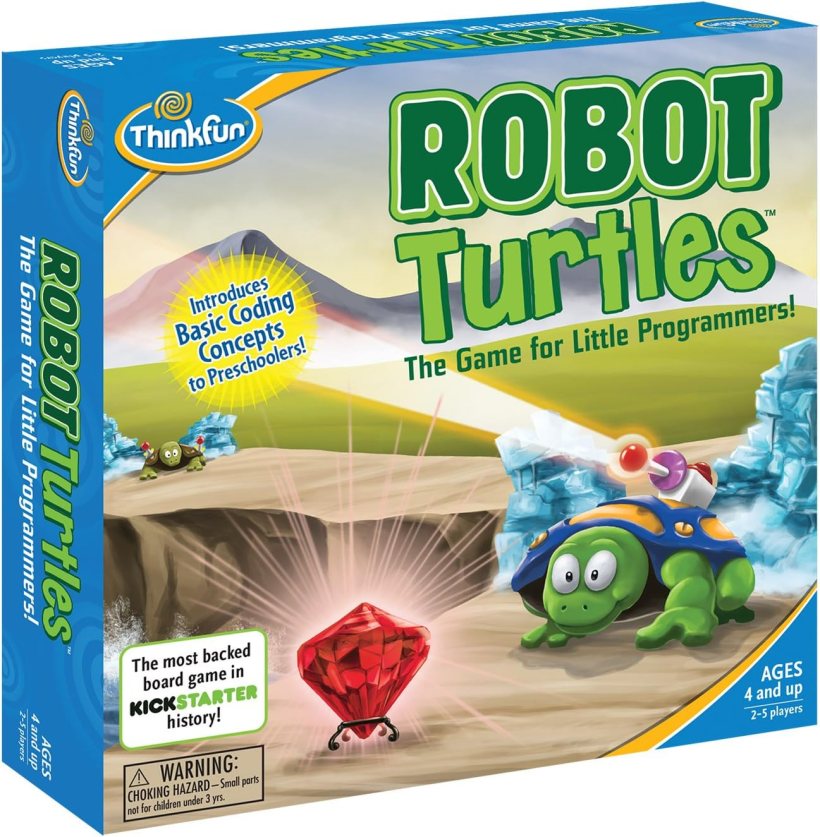
4. Robot Turtles by ThinkFun

Ages: 4–8
Skills: Coding concepts, sequencing, problem-solving

Designed by a software engineer, this game teaches preschoolers the basics of programming—without a screen. Kids use directional cards to “program” their turtles to reach a goal.

Why kids love it: They get to “boss around” grown-ups who follow their code.

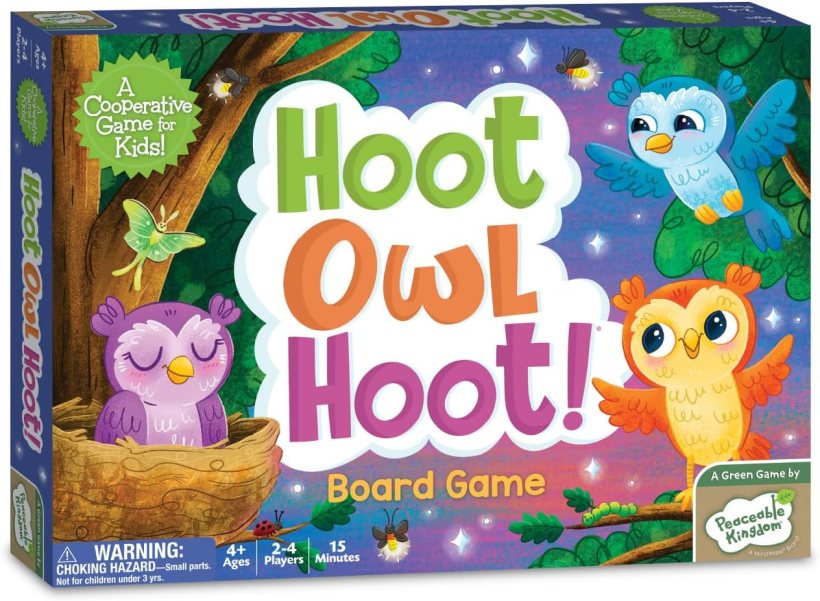
5. Hoot Owl Hoot! by Peaceable Kingdom

Ages: 4–8
Skills: Color recognition, turn-taking, teamwork

In this cooperative game, players work together to get owls back to their nest before sunrise. It’s a gentle, non-competitive game that still encourages planning and strategy.

Why kids love it: The thrill of racing the sun—and cheering each other on.

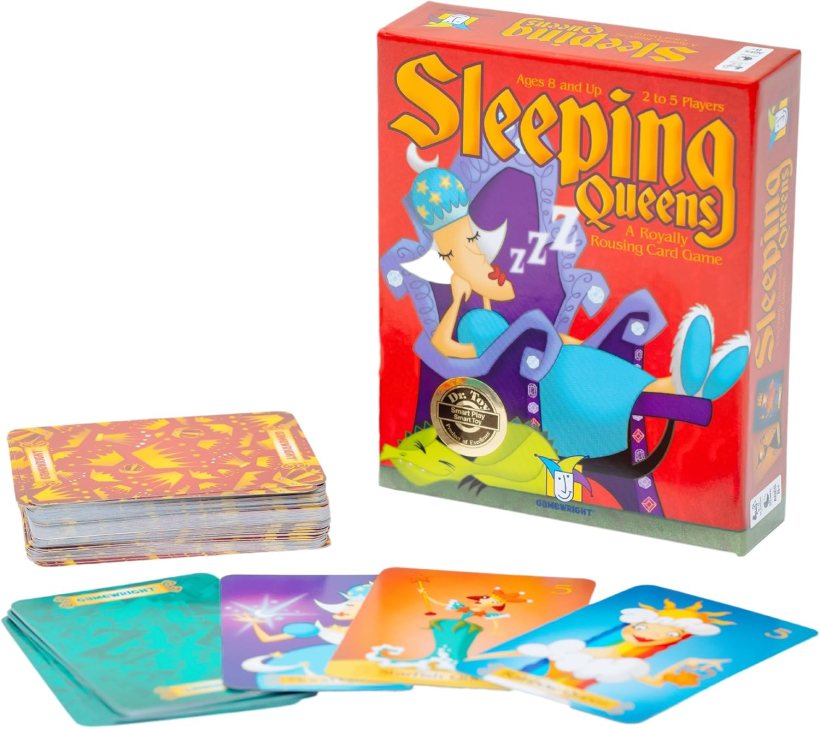
6. Sleeping Queens by Gamewright

Ages: 6+
Skills: Math, memory, strategy

Invented by a child, this whimsical card game blends number play, memory, and a bit of luck as players try to wake sleeping queens while avoiding knights and potions.

Why kids love it: The quirky characters and the fast-paced action.

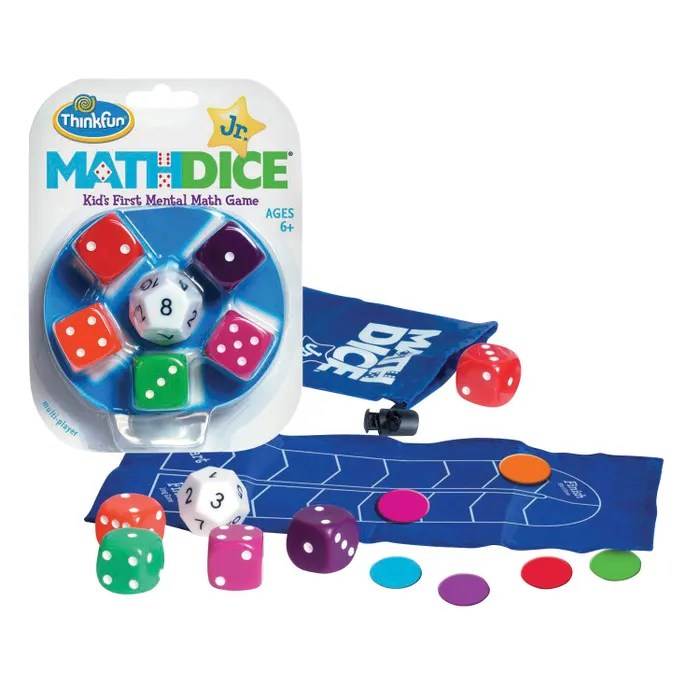
7. Math Dice Jr. by ThinkFun

Ages: 6–10
Skills: Mental math, addition, subtraction

Roll the dice, add or subtract to hit the target number, and move your pawn forward. This quick game sharpens math fluency through fun repetition and strategic thinking.

Why kids love it: Dice make everything more exciting.

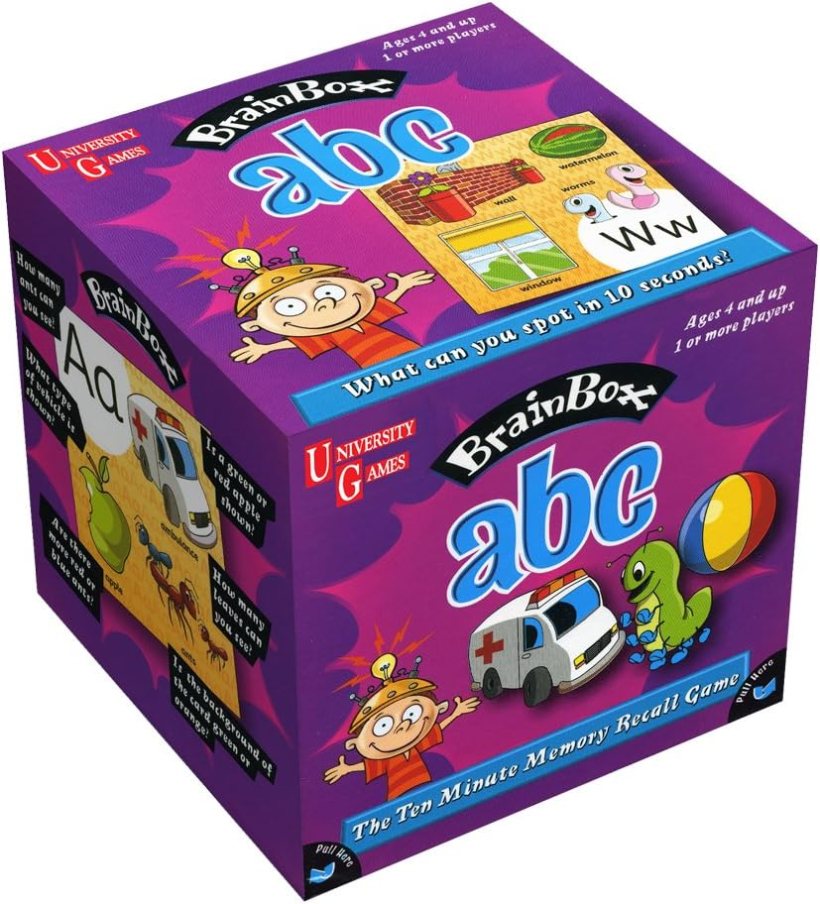
8. BrainBox: My First ABC (or other versions)

Ages: 4–8
Skills: Memory, language, observation

Players study a picture card for 10 seconds and then answer questions about it from memory. Versions include ABCs, animals, geography, and more.

Why kids love it: The 10-second memory challenge feels like a game show.

9. Race to the Treasure by Peaceable Kingdom

Ages: 5–8
Skills: Planning, collaboration, critical thinking

Another cooperative winner, this game has kids working together to build a path to a treasure before the ogre reaches it. It’s all about planning and teamwork.

Why kids love it: They get to outsmart a silly ogre together.

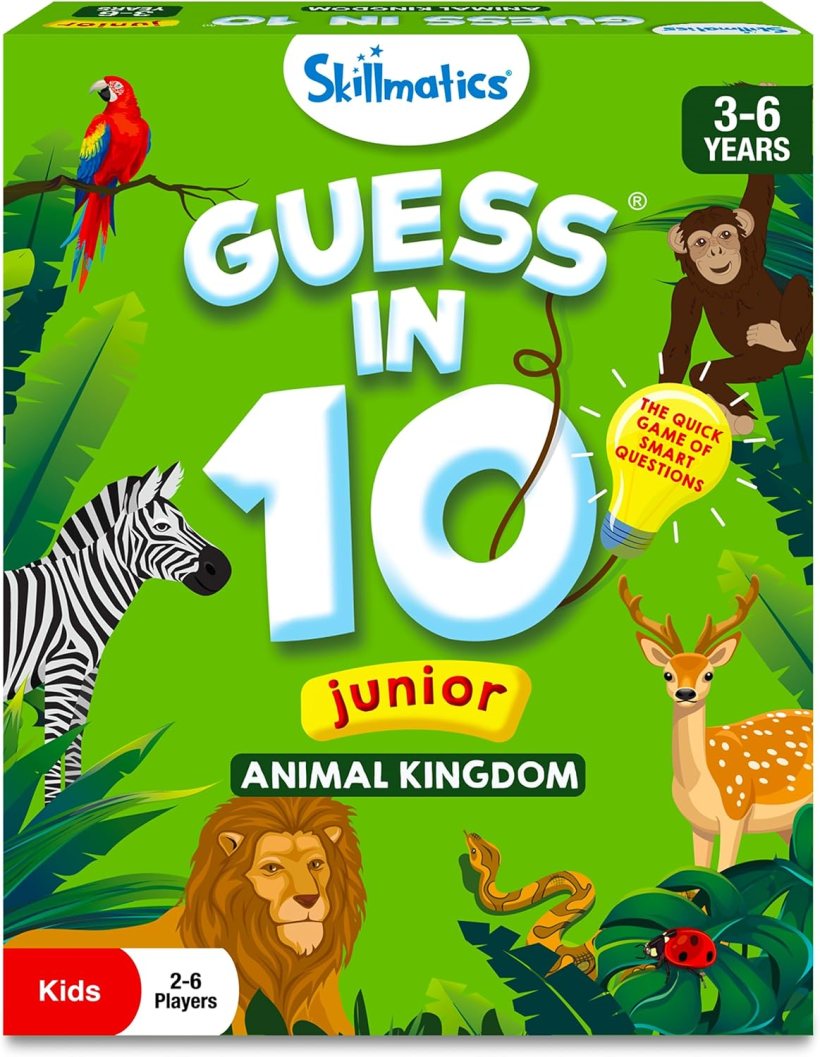
10. Guess in 10 Junior (Animal Kingdom, Countries, etc.)

Ages: 5–10
Skills: Critical thinking, questioning, general knowledge

In this rapid-fire question game, players guess what’s on the card by asking yes/no questions. Versions cover animals, jobs, food, and more.

Why kids love it: The game encourages curiosity and feels like a trivia challenge.

Final Thoughts

Educational board games are more than just a rainy-day fix—they’re a chance to learn through laughter, build skills through strategy, and grow closer as a family or classroom. These games prove that when kids are having fun, learning comes naturally.

So next time you’re looking to boost math, reading, logic, or teamwork, skip the worksheet and grab one of these games instead. Your kids will thank you—and they won’t even realize they’re learning.

How to Play – Boggle Jr.

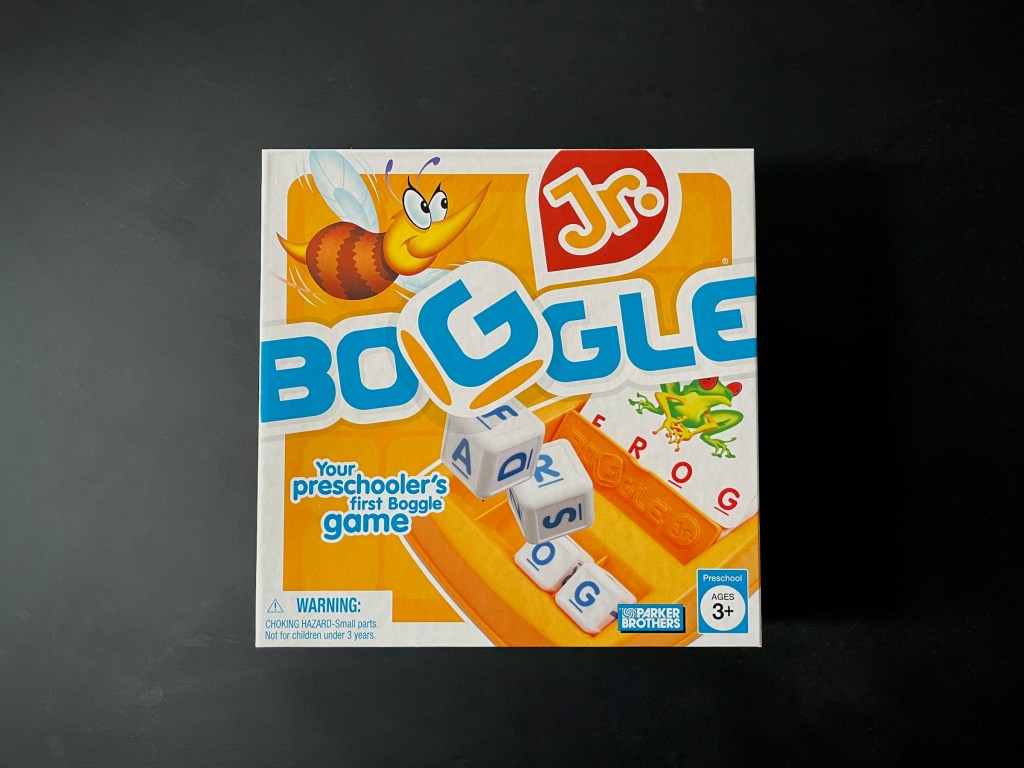
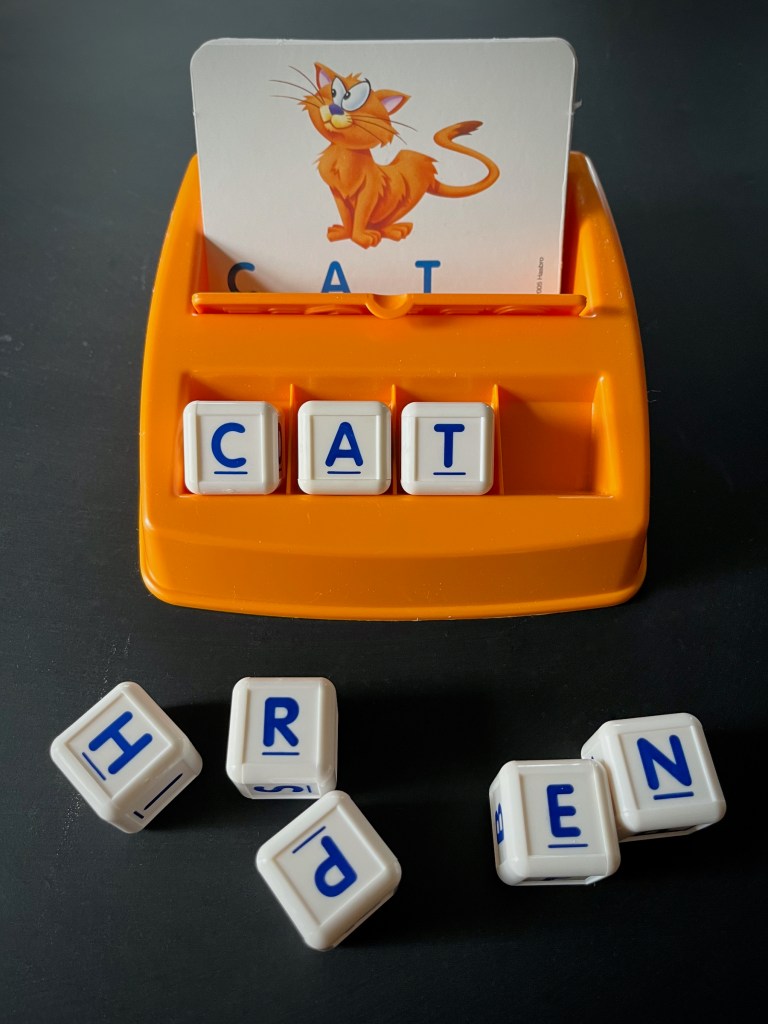
Part of the fun in raising Zoey is finding things that delight and educate her; I want to find fun, creative board games to play with her during our family game nights! This week we played Boggle Jr. by Hasbro for 1 to 2 players! 

This game will help children with their spelling in a fun, rewarding way! If this means setting up a reward system for if they could finish all the 3 letter words, then the 4 letter words and then the combined deck, do it! Education should be fun and rewarding! I could see improvement in Zoey’s word recognition and spelling almost immediately.

Let’s play!

IN THE BOX
  • Boggle Jr. game tray
  • 8 letter cubes
  • 30 picture/word cards (double-sided)
INSTRUCTIONS

Game # 1: Match it-Spell it

  1. Shuffle and stack the picture/word cards so the 3-letter words are all face up and turned in the same direction.
  2. Place the stack in the tray above the cube slots, facing the child (the word cover is flipped down & out of use).
  3. Point to the picture on the card and ask the child what it is — i.e. a pig, a jar, a pie, the sun, etc.
  4. Point to the word below the picture and say the word, then spell the word out loud letter by letter.
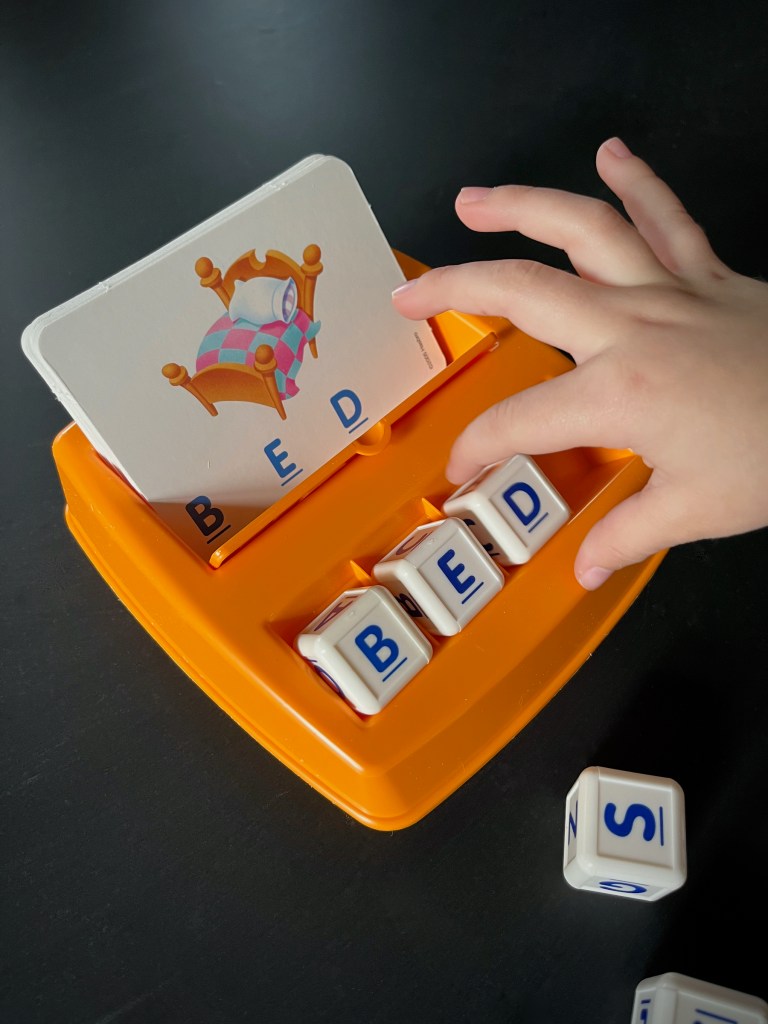
  5. Go back to the first letter and have the child find that letter on one of the cubes and place the cube in the first slot of the tray, directly under the letter as it appears on the card.
  6. Proceed through the other two letters until the 3-letter word is spelled out in cubes under the card.
  7. Reinforce what the child has just accomplished by saying the word and spelling together. Give the child the top card and proceed through the rest of the remaining 3-letter words in the same manner.
  8. Next play with 4-letter word cards. Then shuffle the cards and play with 3 and 4 letter words mixed.

Game # 2: Cover it-Spell it

  1. Shuffle and stack the picture/word cards so the 3-letter words are all face up and turned in the same direction.
  2. Place the stack in the tray above the cube slots, facing the child (the word cover is flipped up & in use).
  3. The child glances at the word under the cover, then hides it again. Now he/she is no longer matching letters with letter, but is actually spelling the word from memory.
  4. Next play with 4-letter word cards. Then shuffle the cards and play with 3 and 4 letter words mixed.
  5. For two players the children take turns. Each time a child successfully spells a word from memory, he or she wins that card and continues to the next.
  6. If a child spells a word incorrectly, that card is placed on the bottom of the pile of cards and that child’s turn ends. When the card comes up again, the player whose turn it is attempts to spell the word.
  7. The children alternate turns until all the cards have been used, whoever has won more cards during the game wins!

ENJOY!