Top 10 Classic Video Games to Play with Your Children

Video games aren’t just for solo players or high-score chasers—they can also be a great way to connect across generations. Whether you grew up blowing into cartridges or hearing the dial-up modem whir, sharing classic video games with your kids is a fun way to relive your own childhood while introducing them to the roots of modern gaming.

These 10 classic video games are not only iconic, but also kid-friendly, easy to pick up, and packed with timeless fun. Grab a controller, sit side by side, and get ready for some epic family game time.

1. Super Mario Bros. (NES/SNES, Switch Online)

Ages: 5+
Why it’s great: It’s the game that defined platforming—and it’s still incredibly fun. Simple to learn, but challenging to master, Super Mario Bros. is perfect for young kids just learning the ropes, and parents who want a hit of pure nostalgia.

Pro tip: Try Super Mario Bros. 3 or Super Mario World for more variety and two-player fun.

2. Sonic the Hedgehog (Genesis, Switch, iOS)

Ages: 6+
Why it’s great: Fast, colorful, and bursting with energy, Sonic is great for kids who love quick action and bright visuals. Plus, you can take turns or play co-op in later titles like Sonic 2.

Fun fact: Sonic’s speed makes it especially fun for younger kids who like constant movement.

3. Donkey Kong Country (SNES, Switch Online)

Ages: 7+
Why it’s great: This beautifully animated side-scroller has aged incredibly well. With tag-team play between Donkey and Diddy Kong, it’s perfect for cooperative gameplay and sharing turns.

Bonus: The soundtrack is legendary—seriously, give it a listen even if you’re not playing!

4. The Legend of Zelda: A Link to the Past (SNES, Switch Online)

Ages: 8+
Why it’s great: Introduce your kids to the world of puzzles, dungeons, and sword-swinging adventure. A Link to the Past is a perfect starting point for the Zelda series, and playing through it together can feel like reading a great fantasy book.

Family idea: Take turns solving puzzles or navigating dungeons—it’s a great team challenge.

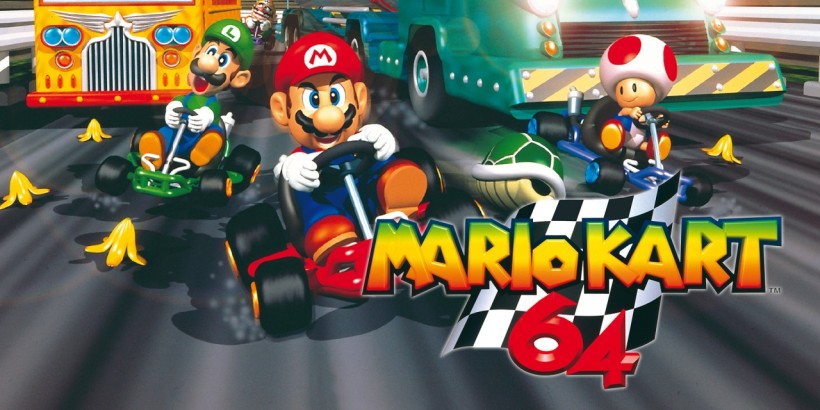
5. Mario Kart 64 (N64, Switch Online Expansion Pack)

Ages: 5+
Why it’s great: Few games spark as much joy and chaos as Mario Kart. The 64 version is packed with classic tracks and couch co-op fun. It’s easy enough for young players but competitive enough for parents to enjoy too.

Warning: May cause uncontrollable laughter and mild banana-related frustration.
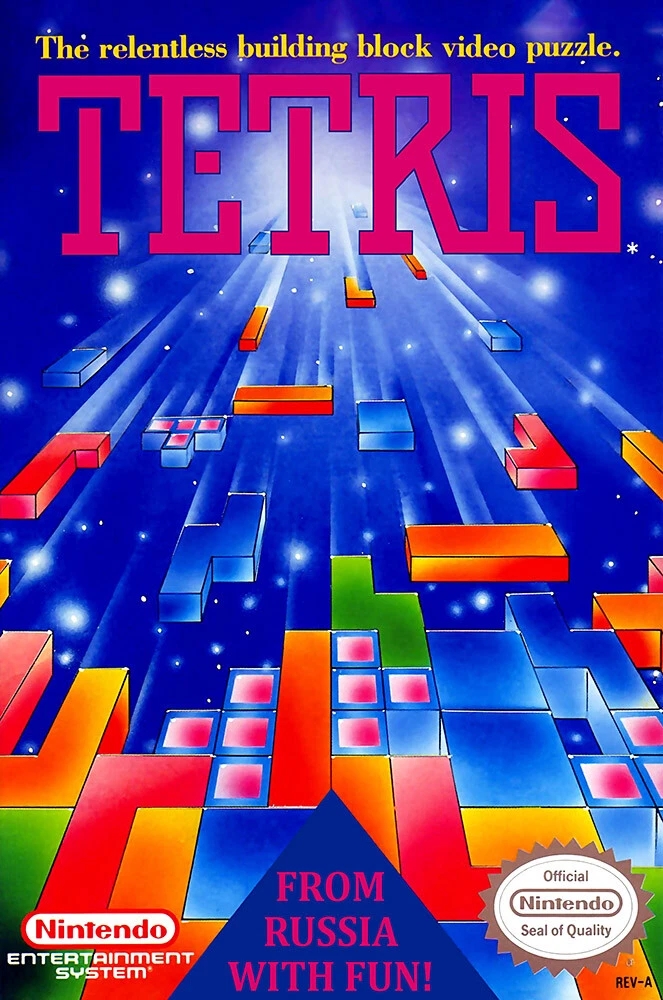
6. Tetris (NES/Game Boy, Switch Online)

Ages: 6+
Why it’s great: A puzzle game with infinite replayability. Whether you’re playing solo or in head-to-head modes (Tetris 99 is great too), it sharpens spatial reasoning and strategy without fast reflexes.

Educational angle: Helps develop pattern recognition and problem-solving skills.

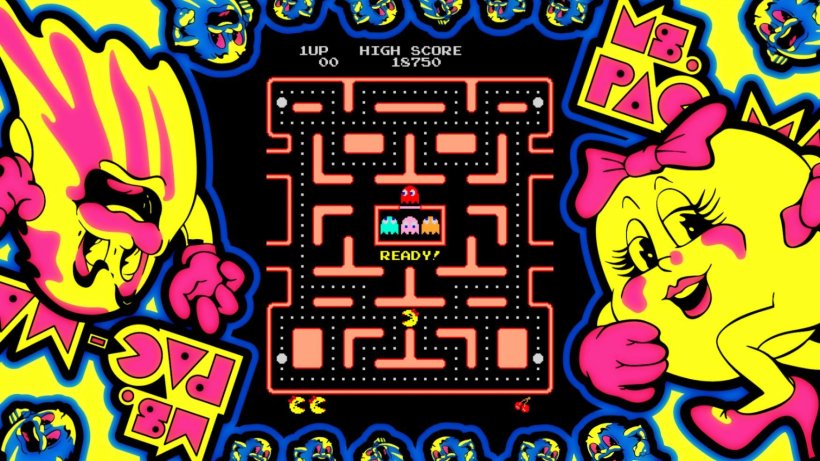
7. Ms. Pac-Man (Arcade, Various Consoles, and Apps)

Ms. Pac-Man (Arcade, Various Consoles, and Apps)
Ages: 4+
Why it’s great: With simple, intuitive mechanics, Ms. Pac-Man offers endless challenge and fun. The goal is just as easy to grasp: eat the dots, avoid the ghosts, but the gameplay is slightly more dynamic and exciting than its predecessor. With random maze layouts and faster-paced action, it keeps players on their toes. Great for quick gaming sessions and taking turns!
Tip: Ms. Pac-Man’s unpredictability makes it a more thrilling choice for those seeking a bit more of a challenge than the original Pac-Man.

8. Street Fighter II (SNES, Arcade1Up, Switch)

Ages: 10+
Why it’s great: Great for older kids, this classic fighting game is easy to pick up but layered with strategy. Plus, it’s a blast to button mash in two-player mode (just keep it friendly!).

Tip for parents: Turn it into a lesson in digital sportsmanship and fair play.

9. Duck Hunt (NES, with CRT TV or emulator)

Ages: 5+
Why it’s great: Simple shooting mechanics and that cheeky dog make Duck Hunt a retro gem. If you have the right setup (or a modern version), it’s a hit with younger kids.

Pro tip: Kids love it when the ducks fly erratically—lots of laughs!

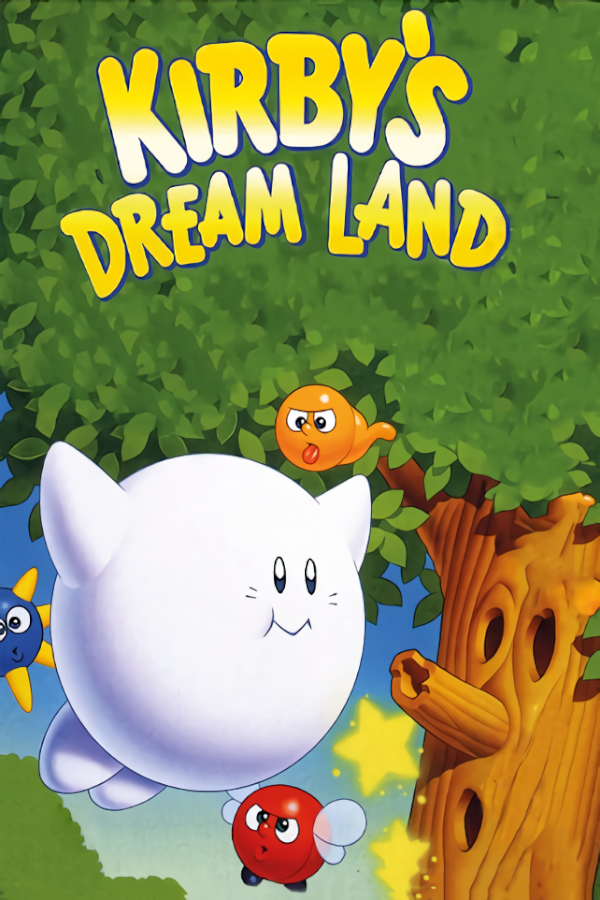
10. Kirby’s Dream Land (Game Boy, Switch Online)

Ages: 4+
Why it’s great: With its adorable design and forgiving gameplay, Kirby’s Dream Land is ideal for beginners. It’s perfect for introducing very young gamers to basic platforming without frustration.

Bonus: Kirby games tend to be short, so they’re great for a quick “gaming snack.”

Final Thoughts

Playing classic video games with your kids isn’t just about hitting high scores—it’s about sharing something you love, laughing at goofy moments, and learning to work (or race) together. These games might be decades old, but their magic still shines.

So dust off that controller, fire up the retro console (or emulator or app), and press “Start” on a family-friendly adventure that bridges generations.

How to Make Family Game Nights a Weekly Routine (That Everyone Looks Forward To)!

In today’s fast-paced world, it’s all too easy for quality family time to slip between schoolwork, chores, and screen time. That’s why family game night is such a game-changer (pun intended). It offers a regular, low-pressure way to connect, laugh, and make memories—without leaving the house or spending a fortune.

But like any good habit, making game night a consistent routine takes a bit of planning and flexibility. Here’s how to make it happen—and how to make it stick.

1. Pick a Night and Stick With It (Mostly)

Consistency is key. Choose a night that works for everyone and pencil it in like any other appointment. Friday or Sunday evenings work well for many families, but even a Monday night wind-down can work—just make it your own.

Pro tip: Call it something fun like “Friday Night Family Face-Off” or “Sunday Game Night Showdown” to build excitement.

2. Keep It Low-Key and Low-Stress

Family game night doesn’t have to be fancy. Turn off the devices, clear the table, and pull out a favorite game or two. The point is togetherness—not perfection.

Optional bonus: Pair it with pizza or snacks to make it feel special without a lot of prep.

3. Let Everyone Take Turns Choosing the Game

Rotating who gets to pick the game helps kids feel ownership and ensures variety. It also gives everyone a chance to play their favorite type of game—whether it’s silly, strategic, or cooperative.

Tip for fairness: Create a simple “game night picker” wheel or draw names from a jar.

4. Mix It Up With Different Types of Games

Keep things fresh with a mix of:

  • Quick games for busy nights (Uno, Spot It, Zingo)
  • Strategy games for older kids (Ticket to Ride, Catan Junior)
  • Cooperative games that encourage teamwork (Outfoxed!, Hoot Owl Hoot!)
  • Party-style games for lots of laughter (Charades, Pictionary)

Theme nights can add extra fun too—like “Card Game Night” or “Retro Game Night.”

5. Set the Mood

Create a cozy, inviting atmosphere. Dim the lights a bit, play some background music, and bring out blankets or floor cushions. Even small touches can make it feel like a special event.

Simple ideas: Use a “Game Night” sign, hang fairy lights, or light a candle.

6. Focus on Fun, Not Winning

It’s easy for competitiveness to take over, especially with older kids (or, let’s be honest, grown-ups). Remind everyone that the goal is fun and connection, not domination.

Try this: Occasionally play cooperative games or make up silly “bonus points” for good teamwork or sportsmanship.

7. Be Flexible (and Forgiving)

Not every week will be perfect. Life gets busy, moods shift, and sometimes a game will end in giggles—and other times in groans. That’s okay. Keep the tradition alive even if it’s just for 20 minutes or if you skip a week and come back to it later.

The key: Stick with it over time—it becomes more meaningful the longer it lasts.

8. Celebrate the Wins—Big and Small

Create little rituals like taking a “champion’s photo,” making a mini-trophy, or giving out fun titles (“Best Team Player,” “Silliest Voice,” “Card Shark”). These moments build positive memories and traditions your kids will remember for years.

Bonus: Let kids create a game night scrapbook or scoreboard.

Final Thoughts

Family game night doesn’t require hours of free time or expensive games. It just takes commitment, a dash of creativity, and a willingness to be present. Over time, it becomes more than just a night of entertainment—it becomes a tradition of laughter, learning, and connection.

So this week, pick a night, pick a game, and gather around the table. Let the dice roll and the good times begin!

Top 10 Educational Board Games for Children That Make Learning Fun!

If you’ve ever tried to sneak learning into playtime, you already know that games are a powerful tool. The best educational board games don’t just teach—they captivate. They turn math drills into monster adventures, reading practice into races, and logic into laughter.

Whether you’re a parent looking to build skills at home or a teacher stocking up your classroom shelf, these 10 educational board games for kids offer screen-free fun that’s as enriching as it is entertaining.

1. Zingo by ThinkFun

Ages: 4–8
Skills: Reading, vocabulary, matching

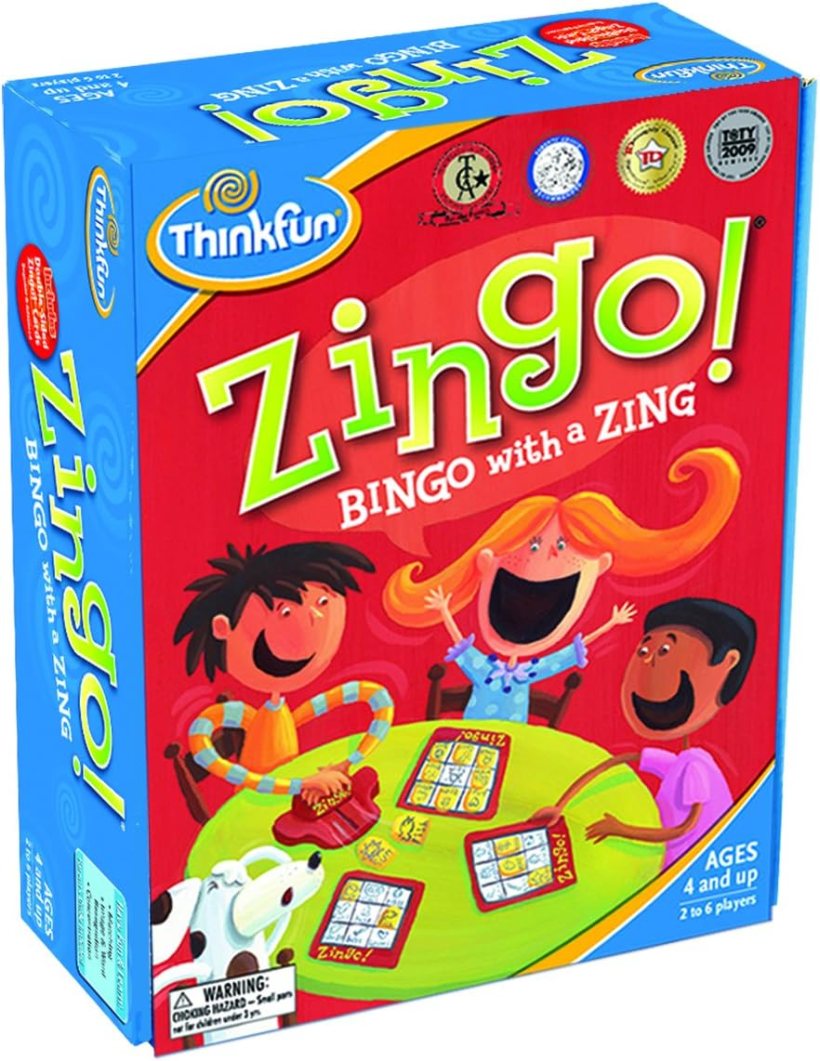
A fast-paced take on Bingo, Zingo uses a sliding tile dispenser and picture-word cards to help early readers learn common sight words. It’s great for building confidence and excitement around language.

Why kids love it: The satisfying “zing” of the tile dispenser and the race to shout “Zingo!”

2. Sum Swamp by Learning Resources

Ages: 5–7
Skills: Addition, subtraction, odd/even numbers

Players race through a swampy path by solving simple math problems. The game introduces early arithmetic in a playful, non-intimidating way.

Why kids love it: Dice, monsters, and math make a surprisingly addictive combo.

3. Outfoxed! by Gamewright

Ages: 5+
Skills: Deductive reasoning, logic, cooperation

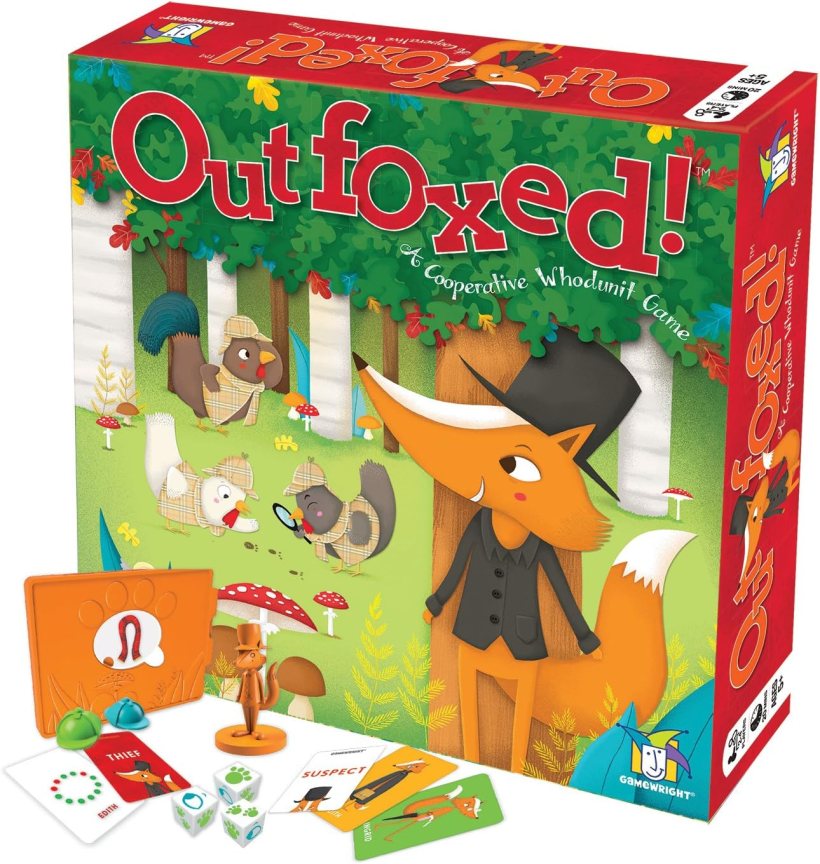
A clever whodunit where kids play detectives solving a mystery before the sneaky fox escapes. Players use clues and deduction to eliminate suspects.

Why kids love it: It feels like solving a mystery—because it is!

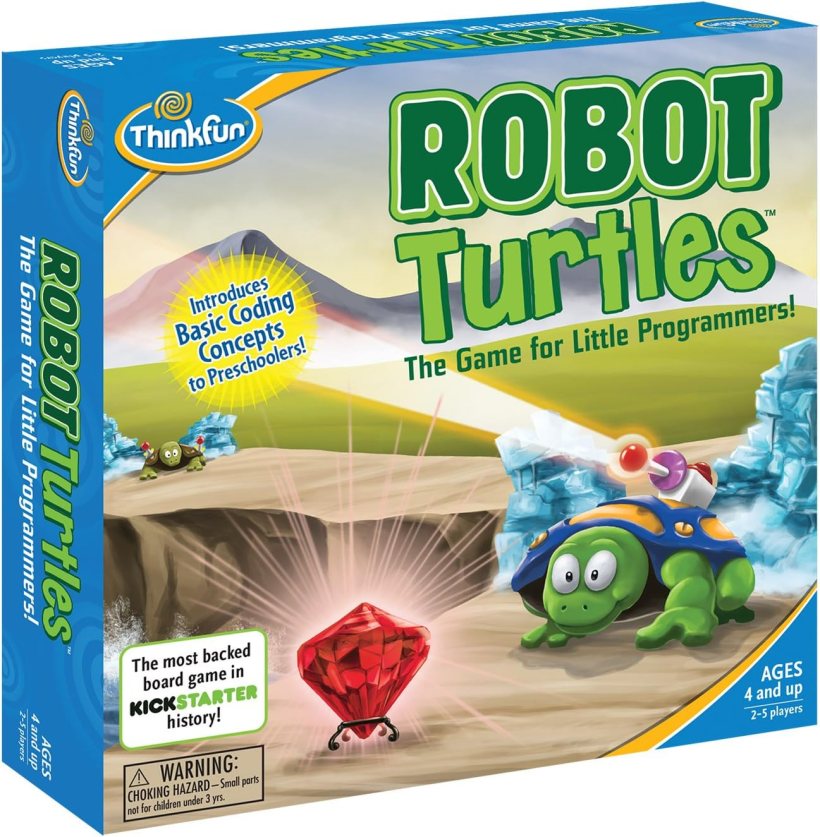
4. Robot Turtles by ThinkFun

Ages: 4–8
Skills: Coding concepts, sequencing, problem-solving

Designed by a software engineer, this game teaches preschoolers the basics of programming—without a screen. Kids use directional cards to “program” their turtles to reach a goal.

Why kids love it: They get to “boss around” grown-ups who follow their code.

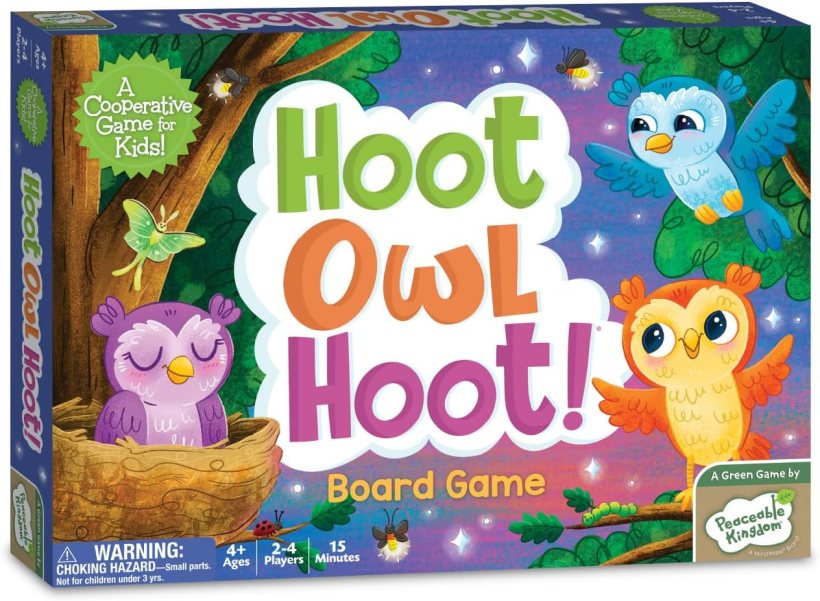
5. Hoot Owl Hoot! by Peaceable Kingdom

Ages: 4–8
Skills: Color recognition, turn-taking, teamwork

In this cooperative game, players work together to get owls back to their nest before sunrise. It’s a gentle, non-competitive game that still encourages planning and strategy.

Why kids love it: The thrill of racing the sun—and cheering each other on.

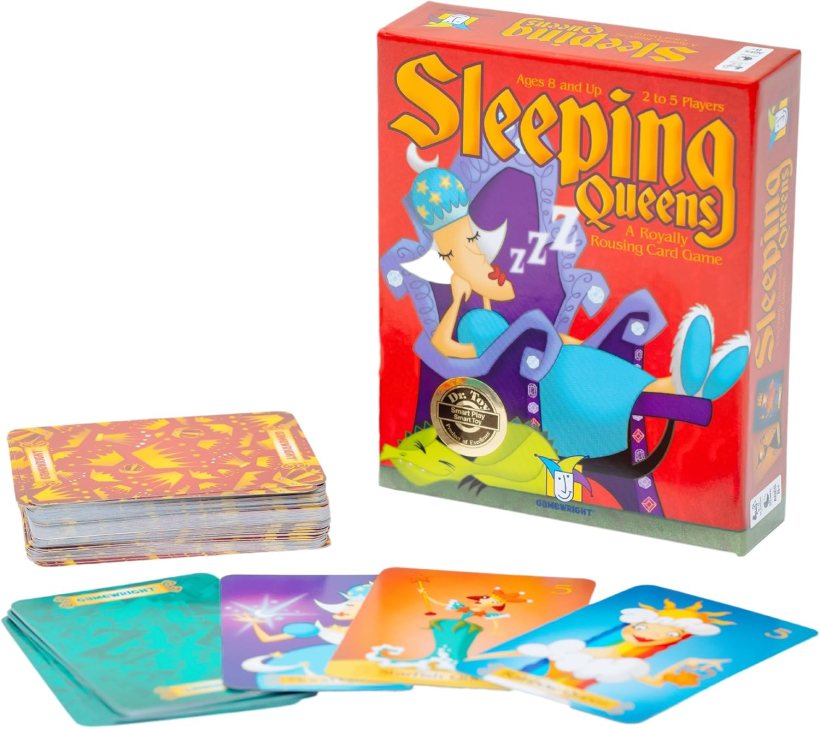
6. Sleeping Queens by Gamewright

Ages: 6+
Skills: Math, memory, strategy

Invented by a child, this whimsical card game blends number play, memory, and a bit of luck as players try to wake sleeping queens while avoiding knights and potions.

Why kids love it: The quirky characters and the fast-paced action.

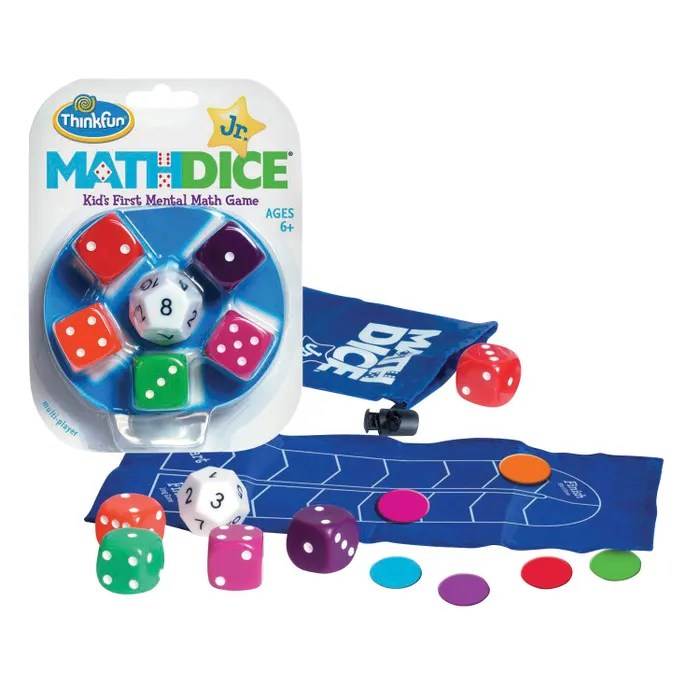
7. Math Dice Jr. by ThinkFun

Ages: 6–10
Skills: Mental math, addition, subtraction

Roll the dice, add or subtract to hit the target number, and move your pawn forward. This quick game sharpens math fluency through fun repetition and strategic thinking.

Why kids love it: Dice make everything more exciting.

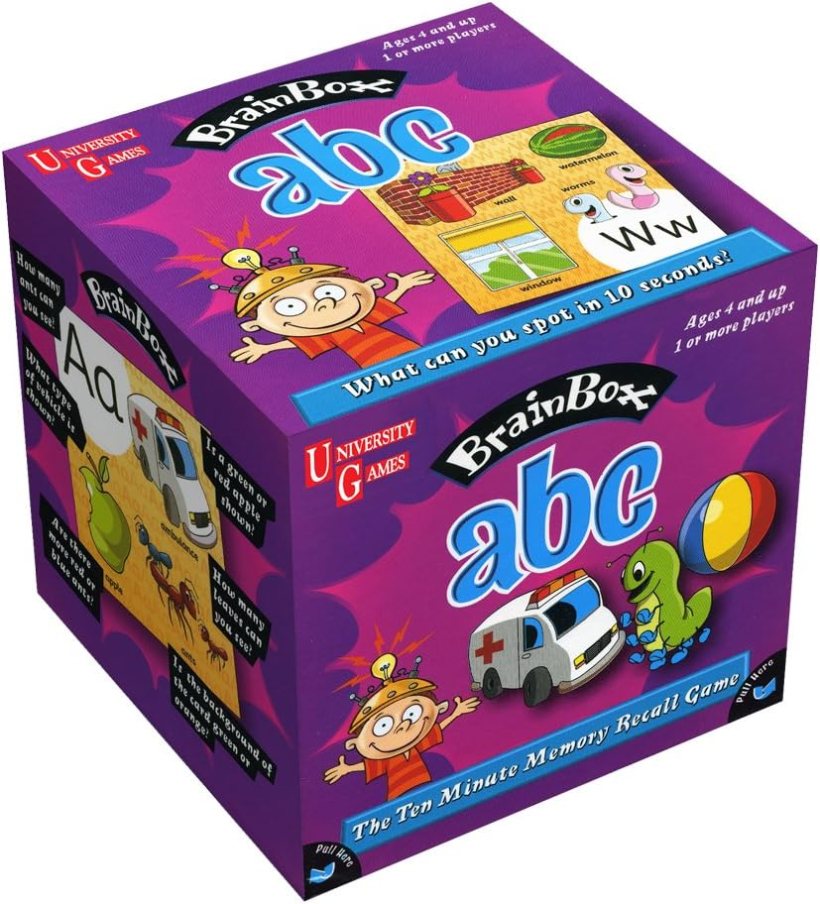
8. BrainBox: My First ABC (or other versions)

Ages: 4–8
Skills: Memory, language, observation

Players study a picture card for 10 seconds and then answer questions about it from memory. Versions include ABCs, animals, geography, and more.

Why kids love it: The 10-second memory challenge feels like a game show.

9. Race to the Treasure by Peaceable Kingdom

Ages: 5–8
Skills: Planning, collaboration, critical thinking

Another cooperative winner, this game has kids working together to build a path to a treasure before the ogre reaches it. It’s all about planning and teamwork.

Why kids love it: They get to outsmart a silly ogre together.

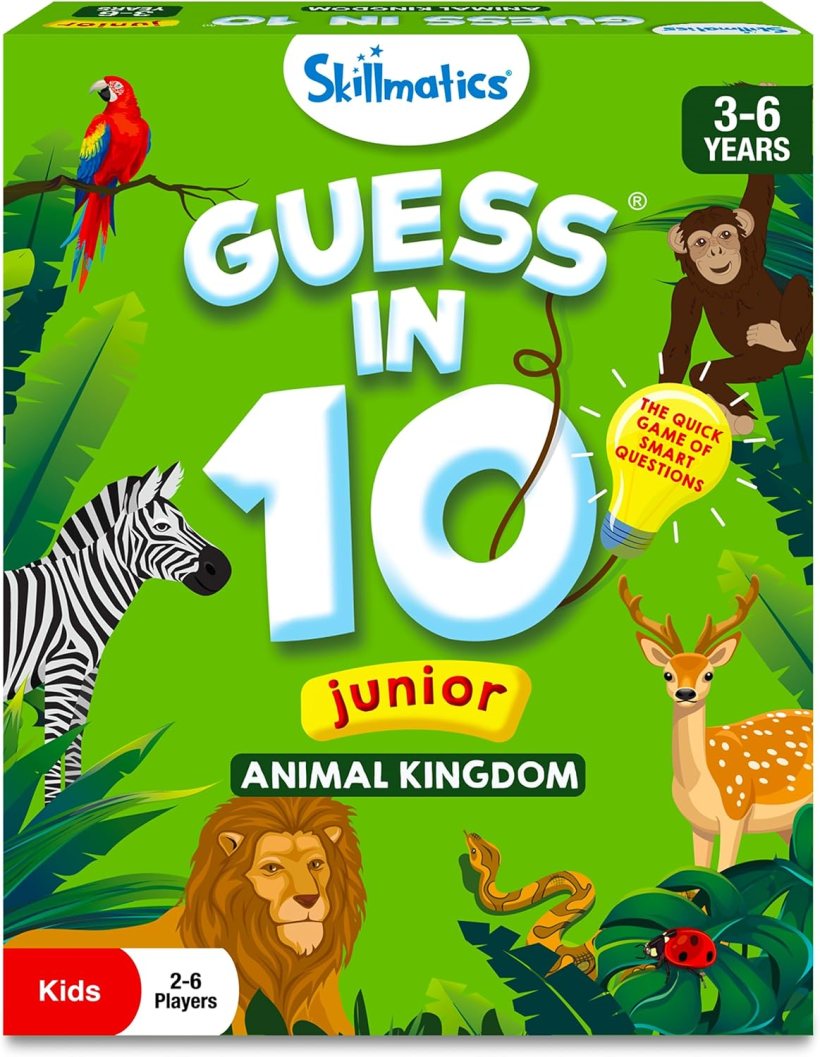
10. Guess in 10 Junior (Animal Kingdom, Countries, etc.)

Ages: 5–10
Skills: Critical thinking, questioning, general knowledge

In this rapid-fire question game, players guess what’s on the card by asking yes/no questions. Versions cover animals, jobs, food, and more.

Why kids love it: The game encourages curiosity and feels like a trivia challenge.

Final Thoughts

Educational board games are more than just a rainy-day fix—they’re a chance to learn through laughter, build skills through strategy, and grow closer as a family or classroom. These games prove that when kids are having fun, learning comes naturally.

So next time you’re looking to boost math, reading, logic, or teamwork, skip the worksheet and grab one of these games instead. Your kids will thank you—and they won’t even realize they’re learning.

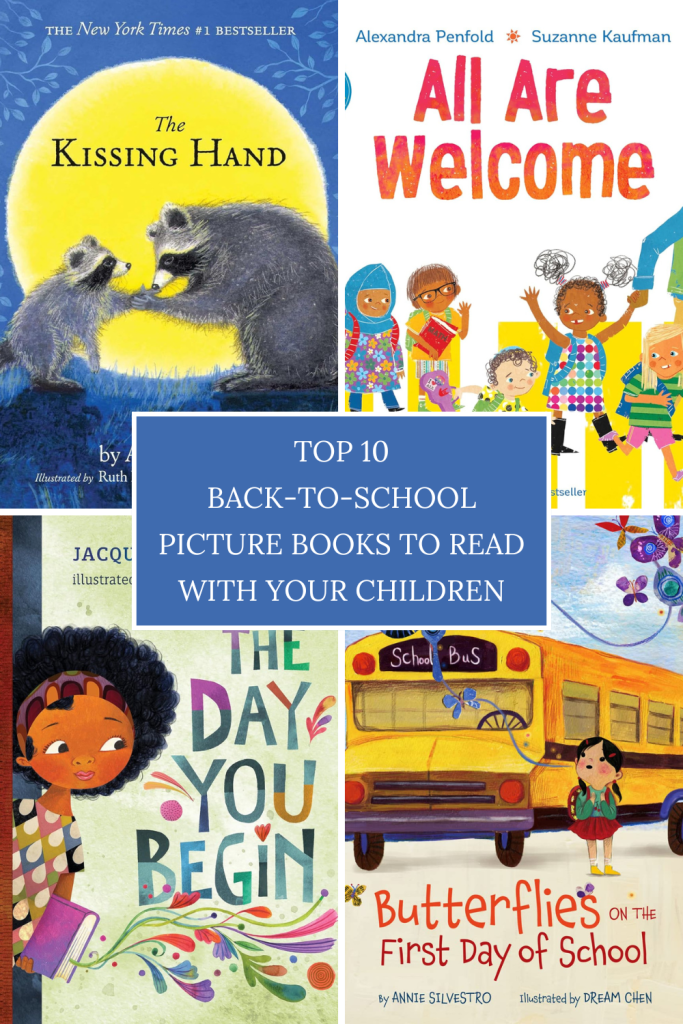
Top 10 Back-to-School Picture Books to Read With Your Children!

Whether it’s the first day of kindergarten, the first day at a new school or the return to a familiar classroom or school, back-to-school season is filled with big feelings: excitement, nervousness, curiosity—and sometimes a few butterflies. The right picture book can ease those nerves and spark great conversations.

Here are 10 delightful and heartwarming back-to-school picture books to read with your kids as they get ready for the new school year.

1. The Kissing Hand by Audrey Penn

A perennial favorite, this gentle story about a raccoon named Chester heading off to school for the first time speaks to the heart of separation anxiety. Mama Raccoon’s “kissing hand” offers a beautiful symbol of connection that stays with children all day.

Perfect for: Preschool and kindergarteners nervous about leaving home.

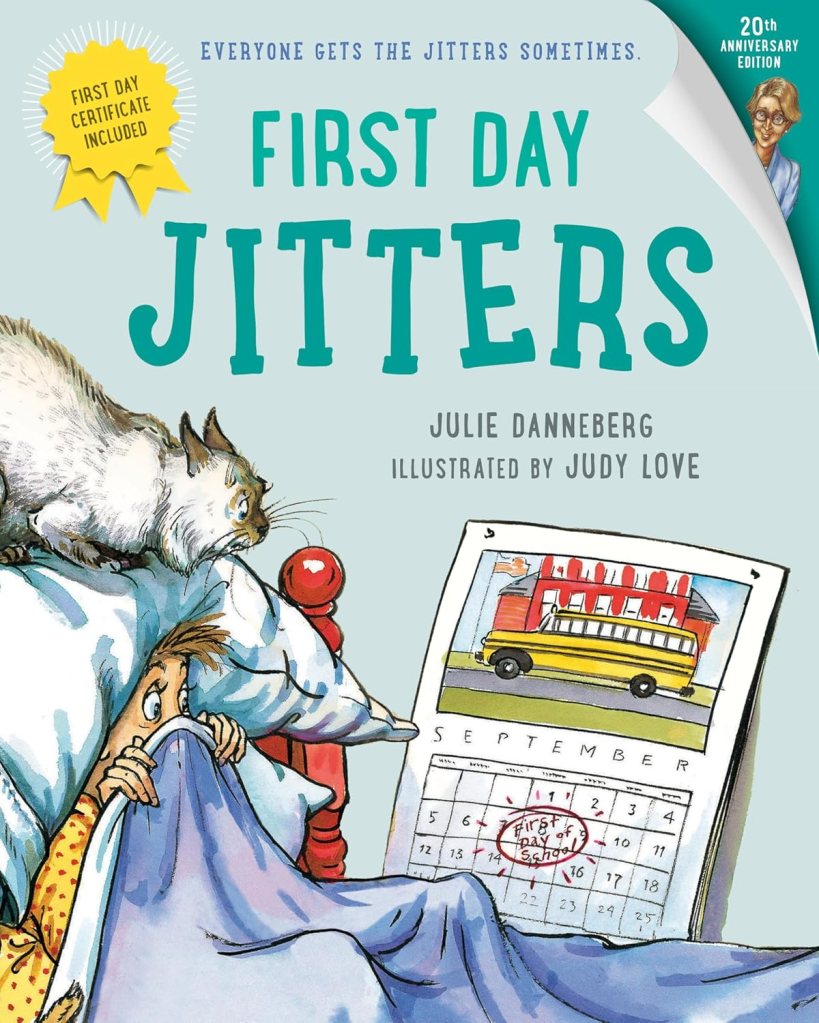
2. First Day Jitters by Julie Danneberg

Sarah Jane is dreading the first day at a new school—and there’s a fun surprise twist at the end that will leave kids giggling. This clever story reassures kids that even adults get nervous sometimes.

Perfect for: Kids transitioning to a new school or grade.

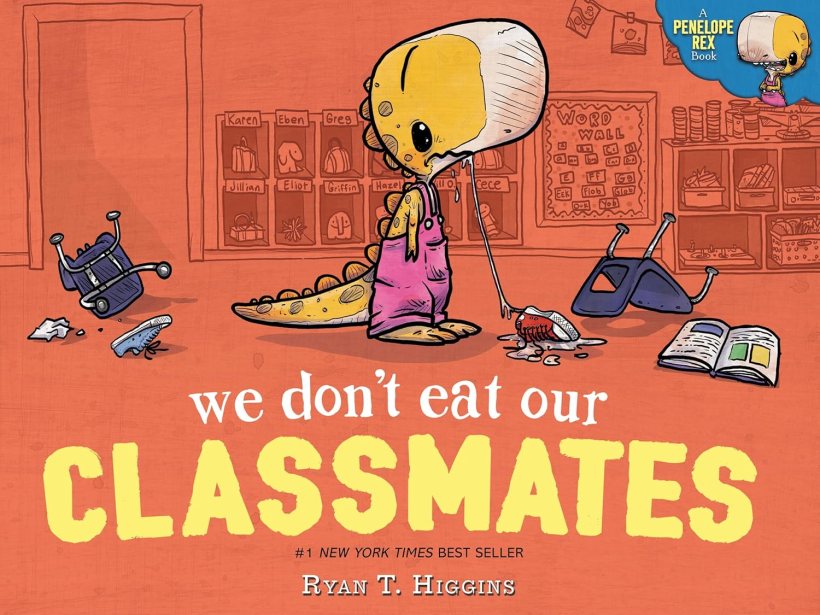
3. We Don’t Eat Our Classmates by Ryan T. Higgins

Penelope Rex is a T. rex starting school with human classmates. The only problem? She wants to eat them! A hilarious (and surprisingly touching) story about learning empathy and making friends.

Perfect for: Ages 4–7, especially kids with a quirky sense of humor.

4. All Are Welcome by Alexandra Penfold, illustrated by Suzanne Kaufman

This joyful, inclusive book celebrates a classroom where everyone belongs, no matter their background or ability. The rhythmic text and bright illustrations send a powerful message of kindness and community.

Perfect for: Every child—it’s a beautiful reminder of acceptance.

5. School’s First Day of School by Adam Rex, illustrated by Christian Robinson

This charming twist on the first-day narrative is told from the perspective of a newly built school experiencing its own set of jitters. A great way to help kids empathize and giggle at the same time.

Perfect for: Ages 5–8 who are curious or anxious about what school will be like.

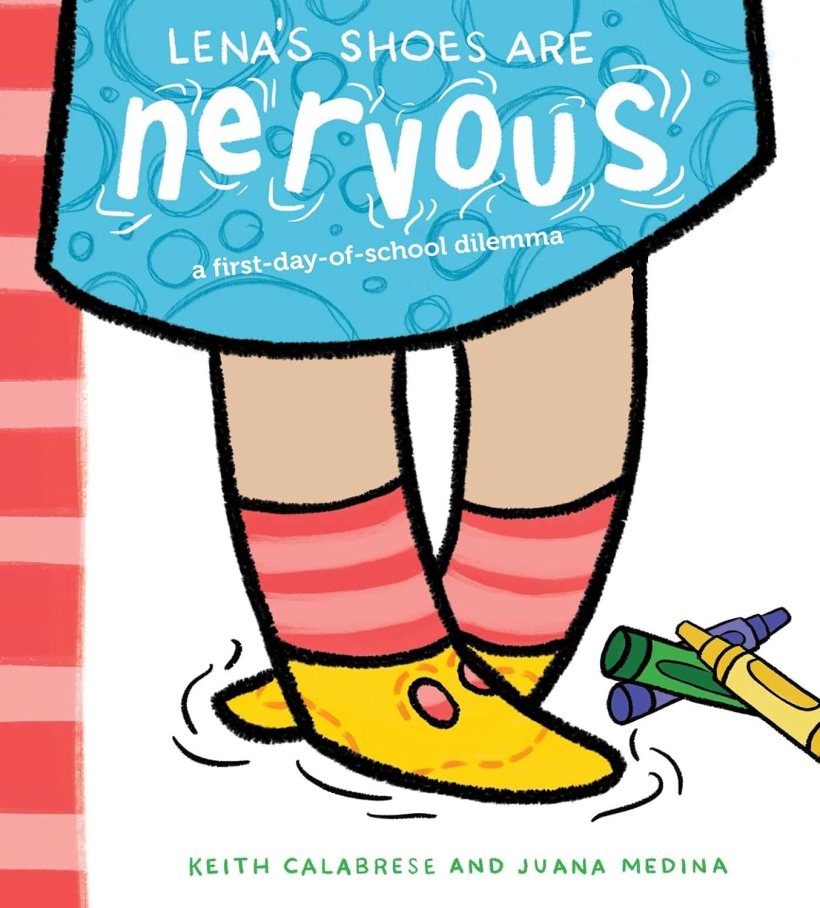
6. Lena’s Shoes Are Nervous: A First-Day-of-School Dilemma by Keith Calabrese

Lena is ready for school—but her shoes are nervous. This gentle, imaginative story gives kids a great language for talking about their own feelings.

Perfect for: Younger elementary students who need help naming emotions.

7. The Day You Begin by Jacqueline Woodson, illustrated by Rafael López

A poetic, uplifting story about feeling different and finding your voice, this book is perfect for any child walking into a space where they’re not sure they’ll fit in.

Perfect for: Building empathy, confidence, and courage.

8. If You Take a Mouse to School by Laura Numeroff, illustrated by Felicia Bond

Part of the beloved “If You Give…” series, this playful tale follows a mouse on a chaotic journey through a school day. Silly, energetic, and great for getting kids curious about school routines.

Perfect for: Pre-K to grade 1, especially fans of circular storytelling.

9. Butterflies on the First Day of School by Annie Silvestro, illustrated by Dream Chen
Version 1.0.0

Rosie is nervous about her first day—so nervous she feels butterflies in her stomach. But as she starts to make friends, those butterflies begin to flutter away.

Perfect for: A gentle, metaphor-rich way to talk about nerves and bravery.

10. The Pigeon HAS to Go to School! by Mo Willems

The famously dramatic pigeon is not ready for school—and he’s got lots of excuses. Mo Willems’ humor and expressive illustrations make this a laugh-out-loud favorite.

Perfect for: Kids who love humor (and a little drama).

Final Thoughts

Reading back-to-school picture books together can help kids process their emotions, build excitement, and feel more prepared for the year ahead. Whether you’re preparing a first-time kindergartener or simply easing into a new routine, these stories offer comfort, encouragement, and fun.

So, snuggle up, grab a few of these gems from your local library or bookstore, and start the school year off with the best kind of learning: reading together.

How to create a Cherished Family Storytime Routine

In a world filled with screens, busy schedules, and never-ending to-do lists, carving out intentional family time can be a challenge. But there’s one simple, powerful tradition that can bring your household closer while nurturing imagination, empathy, and literacy: daily story-time.

Whether you have toddlers, teens, or a mix of ages in your home, incorporating a story into your family’s daily rhythm can be more than just a bedtime ritual—it can be a grounding moment of connection, calm, and creativity.

Why Storytime Matters

Storytime isn’t just for little ones. Here are a few reasons why families of all shapes and sizes benefit from it:

  • Strengthens Bonds: Sharing stories together encourages closeness, cuddles, and conversation. It’s a time to slow down and truly be present with one another.
  • Builds Literacy and Listening Skills: Reading aloud introduces new vocabulary, sparks questions, and develops comprehension—no matter your child’s age.
  • Fosters Imagination and Curiosity: From dragons and distant planets to real-world heroes, stories help children envision new possibilities and perspectives.
  • Creates Consistent Calm: A daily ritual like story-time can provide a comforting sense of structure, especially helpful during times of transition or stress.
Tips for Creating a Daily Storytime Routine

Here’s how to make story-time a seamless—and special—part of your day:

1. Pick a Time That Works for You

While bedtime is a natural choice, storytime can happen anytime: after dinner, during breakfast, or even right after school. The key is consistency. Pick a time that fits into your family’s routine and try to stick with it daily.

2. Make It a Screen-Free Zone

Create a cozy atmosphere by turning off TVs and phones. Let this time be about voices, pages, eye contact, and imagination. Even just 10–15 minutes without distractions can make a big impact.

3. Get Everyone Involved

Let kids pick the book. Invite older siblings to read aloud or act out parts. Take turns doing silly voices. When storytime feels like a collaborative adventure, it becomes something everyone looks forward to.

4. Curate a Special Reading Spot

A designated nook, pile of blankets, or a reading tent can add a little magic to the routine. Even a corner with a lamp and a comfy chair can signal that it’s story-time.

5. Mix It Up

Read picture books, chapter books, comics, poetry—even audiobooks together on road trips. The key is variety and choosing stories that resonate with your child’s interests and developmental level.

What If My Child Is “Too Old” for Storytime?

Even tweens and teens enjoy being read to when the content is engaging and age-appropriate. Choose stories that spark meaningful conversations—graphic novels, dystopian fiction, biographies, or even nonfiction about topics they love. You might be surprised how much they still crave this quiet, intentional time.

Final Thoughts

Storytime doesn’t have to be perfect. Some nights might be rushed. Some books might flop. But the goal isn’t perfection—it’s presence. By carving out this time every day, you’re not just building vocabulary or literacy. You’re building memories, connection, and a shared family culture that values stories, imagination, and time together.

So tonight, pick a book, gather close, and let the story begin!

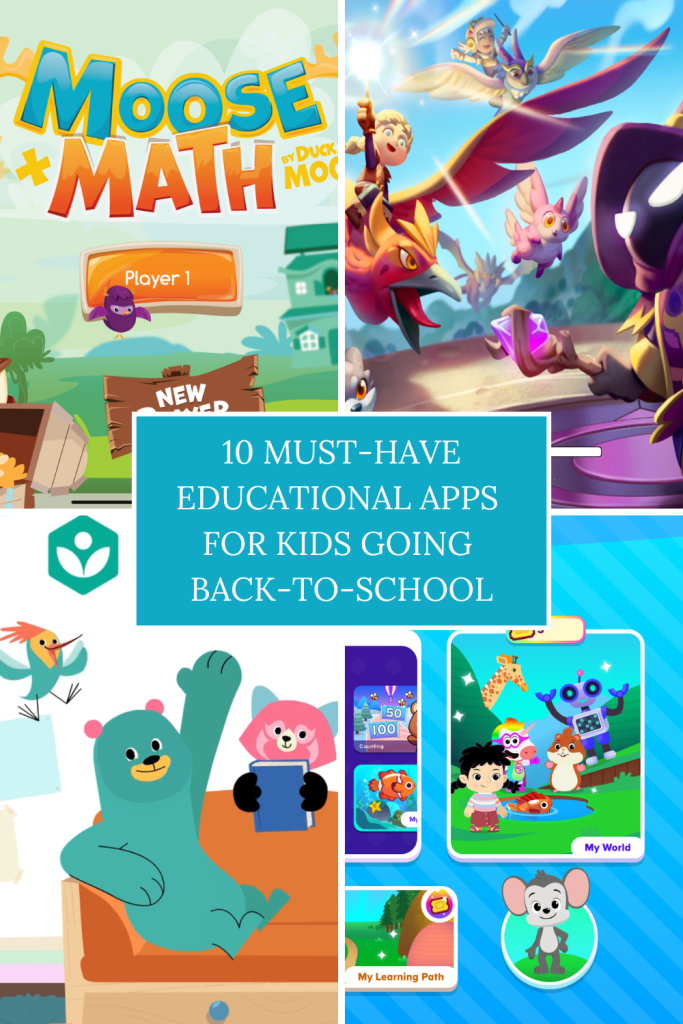
10 Must-Have Educational Apps for Kids Going Back to School (2025)

As the new school year kicks off, many parents and teachers are looking for ways to keep kids engaged, learning, and motivated — both in and out of the classroom. Thankfully, educational apps can bridge the gap between fun and learning, helping children sharpen their skills in math, reading, science, and even social-emotional development.

Here are 10 highly recommended educational apps for kids heading back to school in 2025 — suitable for a range of ages and subjects.

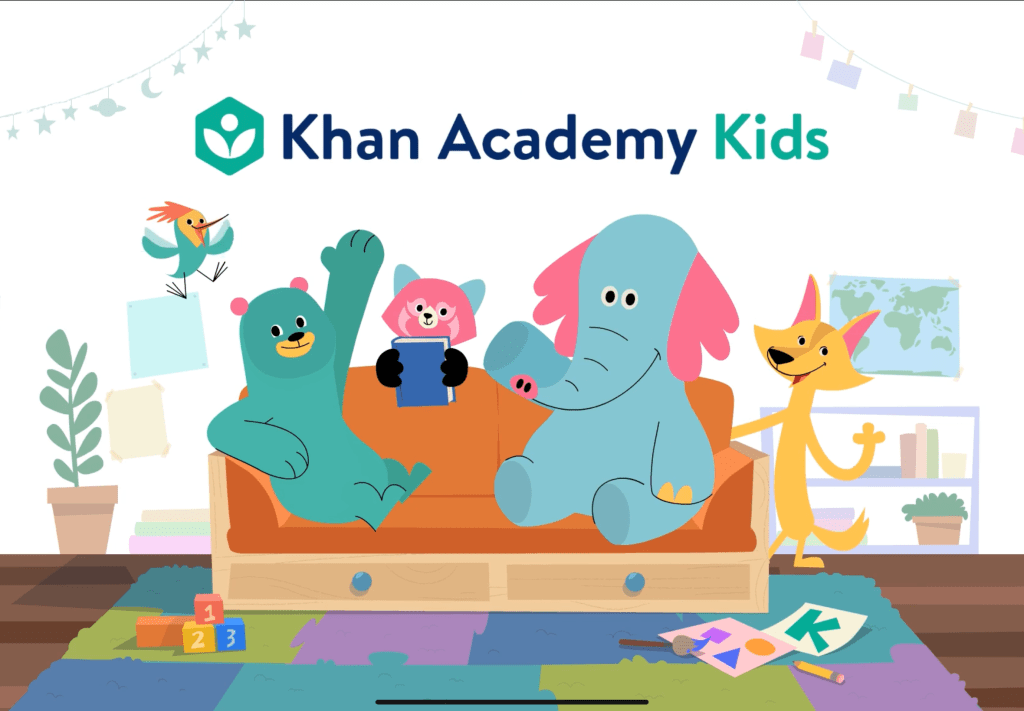
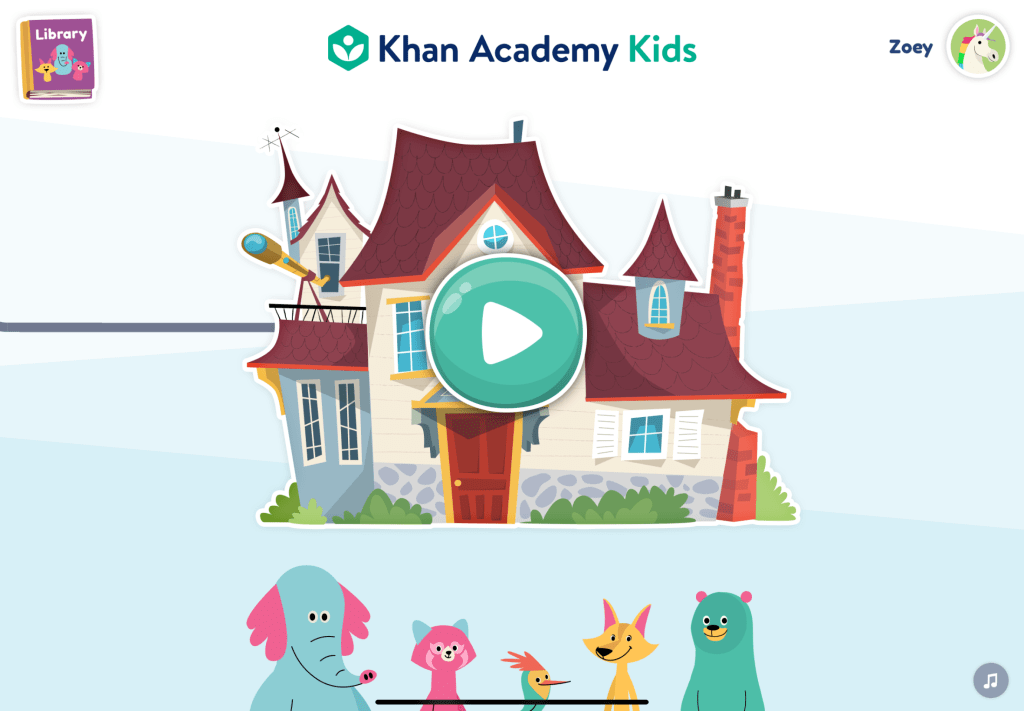
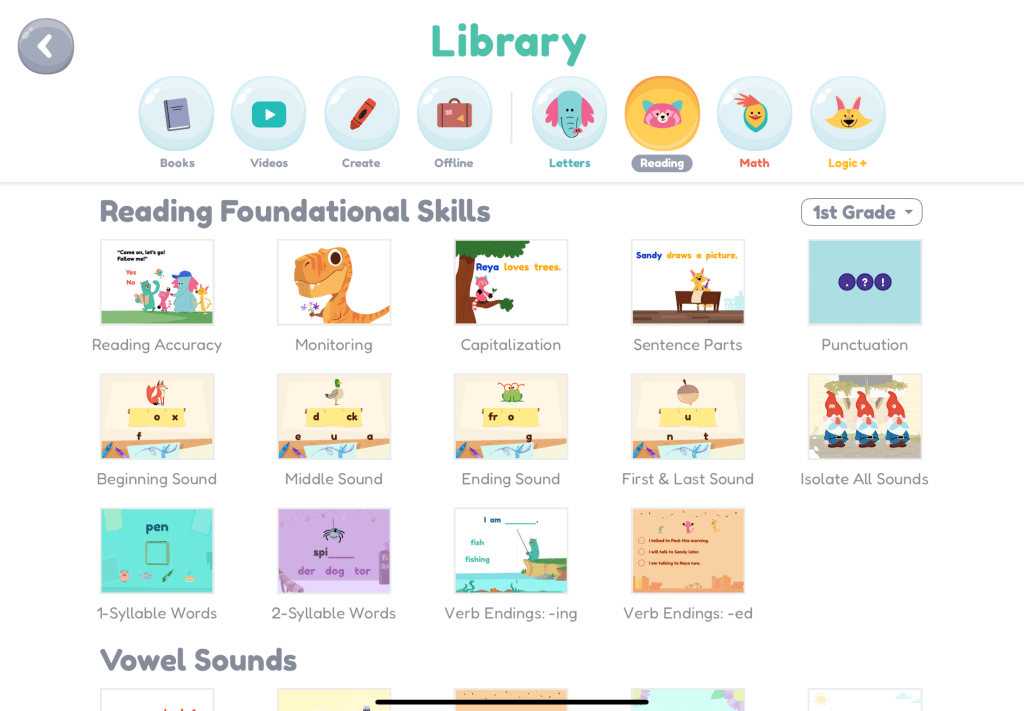
1. Khan Academy Kids (Ages 2–8)

Subjects: Reading, Math, SEL, Logic.
Why it’s great: This award-winning, free app covers a wide range of topics through colorful characters, story-based lessons, and hands-on activities. Perfect for preschool and early elementary learners.
Price: Free.
Available on: iOS, Android.

2. Prodigy Math (Ages 6–12)

Subjects: Math.
Why it’s great: Combines curriculum-based math practice with a fantasy-style role-playing game. Kids solve math problems to battle monsters and complete quests.
Price: Free with premium options.
Available on: Web, iOS, Android.

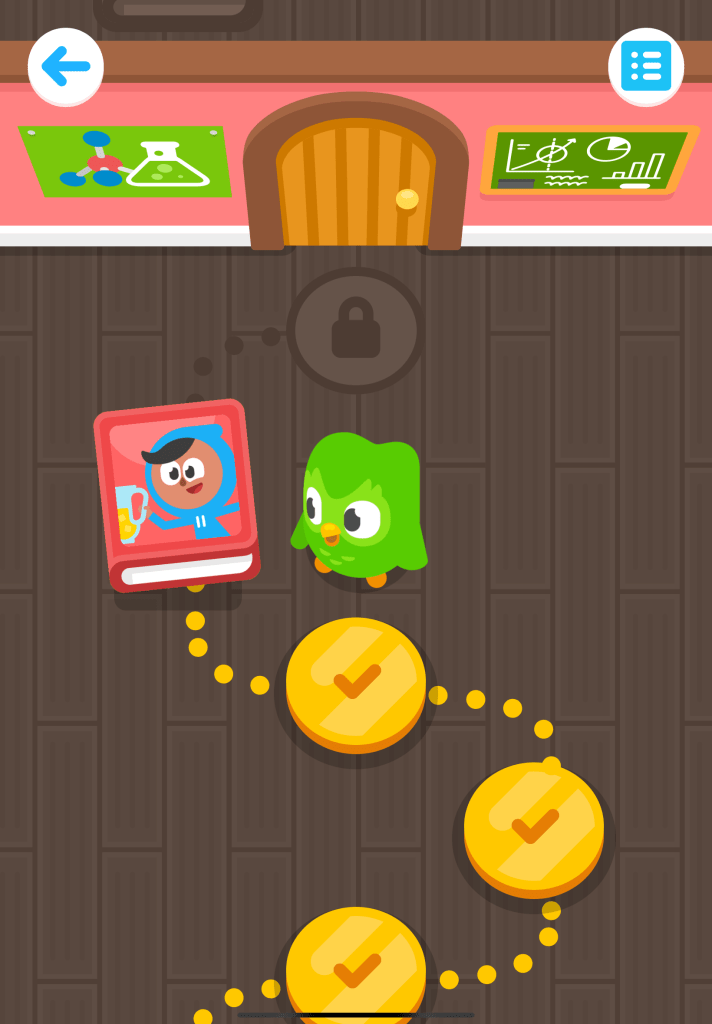
3. Duolingo ABC (Ages 3–7)

Subjects: Early Reading & Phonics.
Why it’s great: From the makers of Duolingo, this app helps young children develop basic reading skills with bite-sized lessons, traceable letters, and no ads.
Price: Free.
Available on: iOS, Android.

4. Moose Math (Ages 3–7)

Subjects: Counting, Addition/Subtraction, Number Patterns, Geometry, Measurement.
Why it’s great: Moose Math uses fun, interactive games like smoothie-making and pet bingo to teach math skills. It offers personalized feedback and encouragement as kids play. Children earn rewards to decorate their own city, keeping them motivated. The app follows Common Core standards for kindergarten and first grade and includes progress tracking for parents and teachers.
Price: Free. No ads or in-app purchases.
Available on: iOS, Android.

5. Toca Boca Jr. (Ages 6–12)

Subjects: Creativity, Storytelling, Imaginative Play.
Why it’s great: While not strictly academic, this app encourages creativity, emotional expression, and storytelling — all key developmental skills.
Price: Free with in-app purchases.
Available on: iOS, Android.

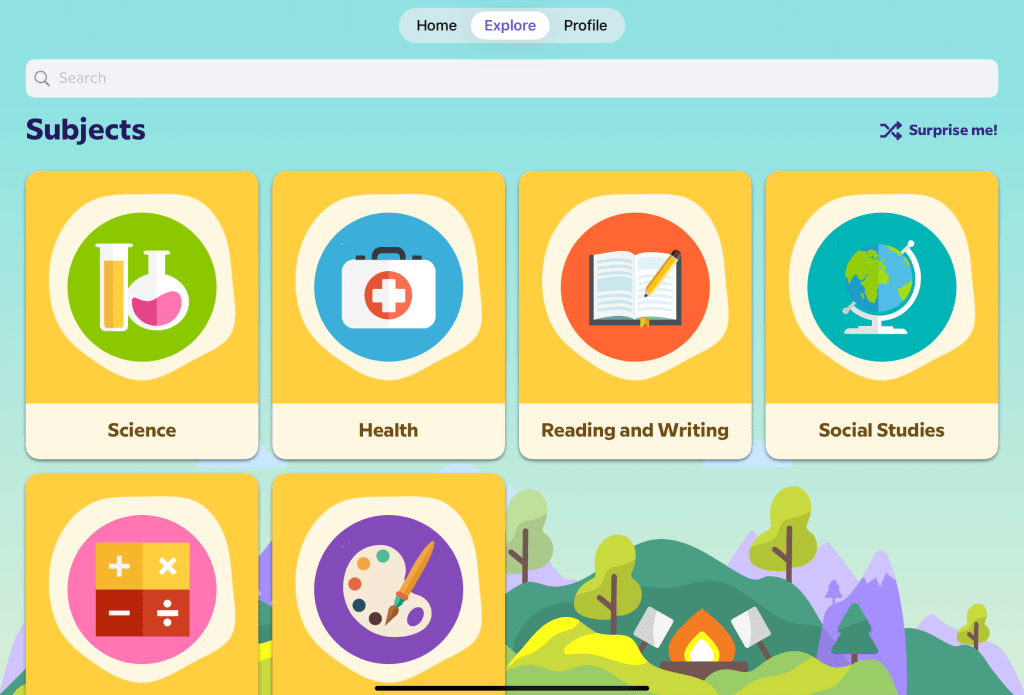
6. BrainPOP Jr. (Ages 5–9)

Subjects: Science, Social Studies, Reading, Health.
Why it’s great: Animated videos, short quizzes, and interactive games make big topics easy to understand. Used widely in schools.
Price: Subscription required (some free content).
Available on: iOS, Android, Web.

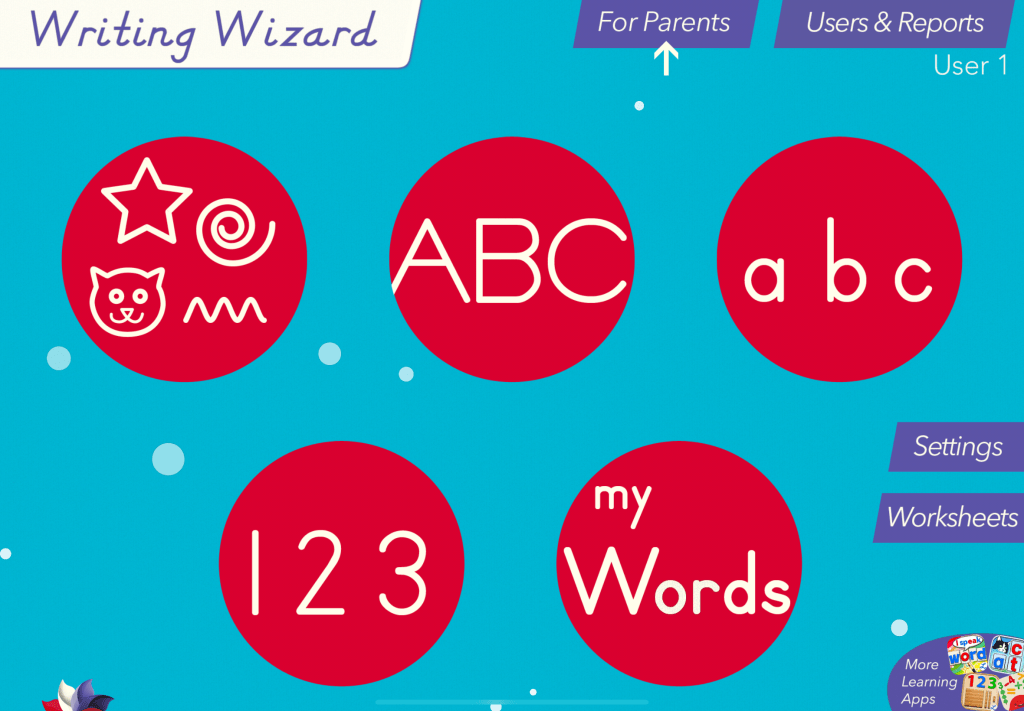
7. Writing Wizard (Ages 4–8)

Subjects: Handwriting.
Why it’s great: Helps kids trace and write letters and words with audio feedback and customizable word lists. Great for early learners and special education.
Price: Paid app.
Available on: iOS, Android.

8. ABCmouse 2 (Ages 2–8)

Subjects: Math, Reading, Art, Music, Science.
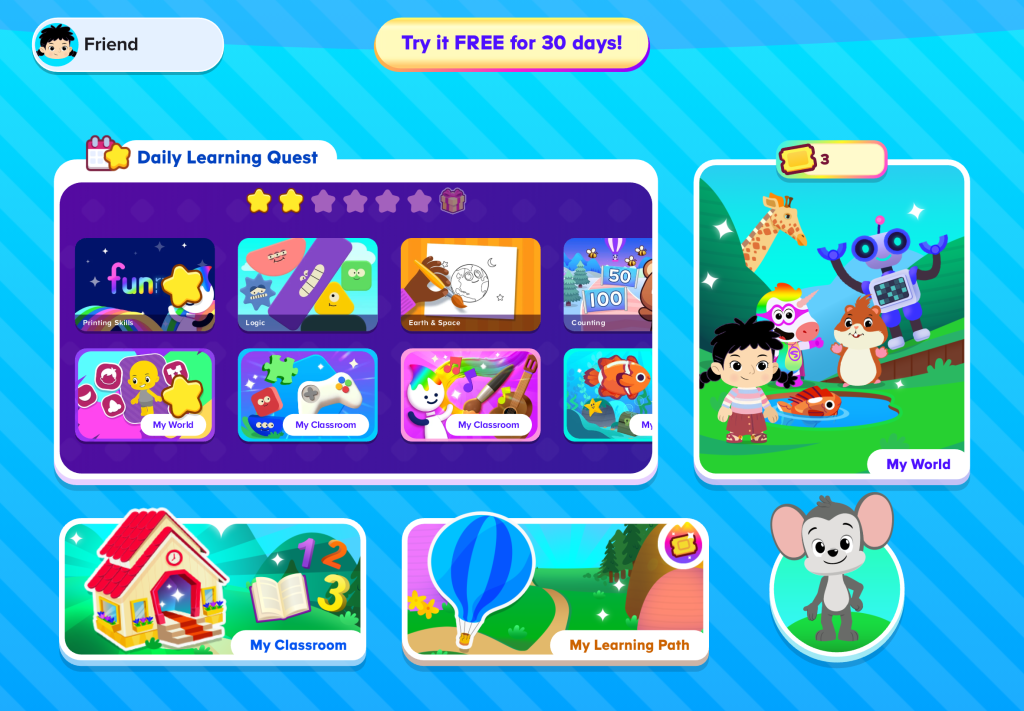
Why it’s great: A full curriculum in one app — kids earn rewards as they progress through thousands of lessons across multiple subjects.
Price: Paid subscription (with free trial).
Available on: iOS, Android, Web.

9. Epic! (Ages 5–12)

Subjects: Reading.
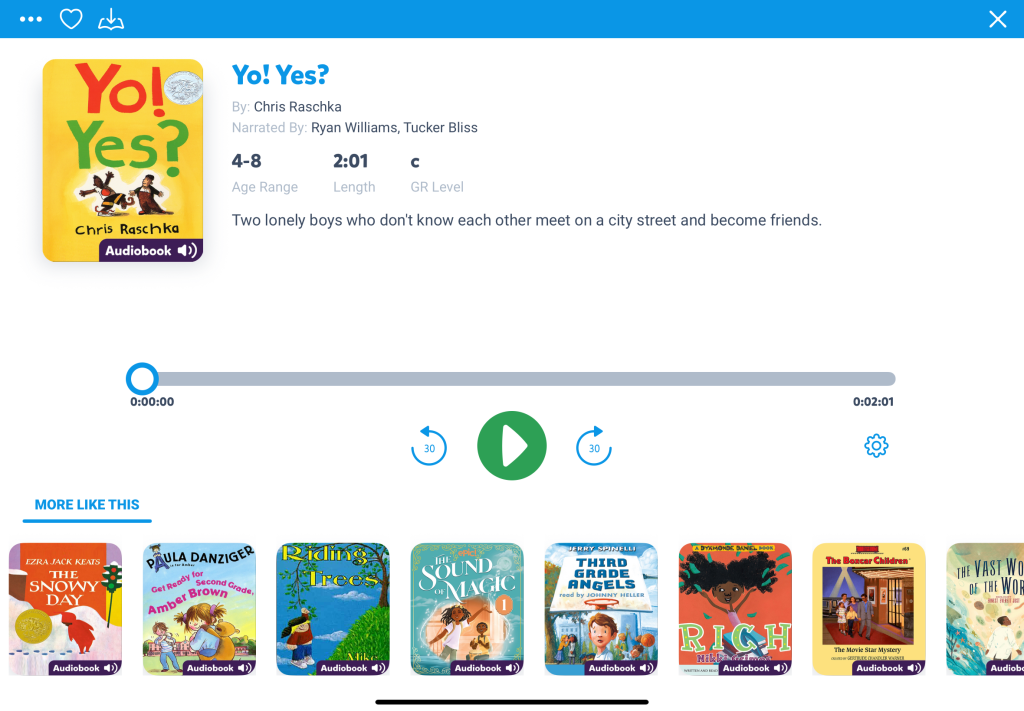
Why it’s great: A digital library of over 40,000 books, audiobooks, and videos — sorted by age, grade level, and interest. Great for reluctant or advanced readers.
Price: Free for educators, paid for parents.
Available on: iOS, Android, Web.

10. Sago Mini First Words (Ages 2–5)

Subjects: Speech and Language Development.
Why it’s great: Designed with speech therapists, this app helps toddlers and preschoolers expand their vocabulary through interactive play.
Price: Free trial, then subscription.
Available on: iOS.

Tips for Parents:
  • Set a daily screen time limit to encourage balance.
  • Use apps alongside real-life learning (e.g., reading books or practicing math at the grocery store).
  • Let kids choose topics that excite them — curiosity is the best teacher.

Whether your child is in preschool or upper elementary school, these apps can make back-to-school season a little smoother — and a lot more fun.

Do you have a favorite educational app you swear by? Share it in the comments!

How to Create a Family Media Plan That Works!

Let’s face it—technology is everywhere, and managing screen time has become one of the most common (and exhausting) conversations in modern parenting. But here’s the good news: creating a family media plan doesn’t have to feel like a battle. With a little structure and open communication, you can build a plan that supports healthy habits and keeps everyone in your home on the same page.

Here’s how to create a family media plan that actually works for your unique household.

What Is a Family Media Plan?

A family media plan is a shared set of guidelines that helps families manage how, when, and why media is used at home. It covers screen time, device use, content choices, and how tech fits into your family’s values.

Think of it as your household’s “tech mission statement” – designed to promote balance, protect mental health, and build trust between parents and kids.

Step 1: Involve the Whole Family

Before setting rules, include your kids in the conversation. Ask questions like:

  • What do you love doing online?
  • What shows or games make you feel good—or not so good?
  • How does screen time affect your sleep, school, or mood?

This opens the door to honest conversations and gives kids ownership in the plan, making them more likely to respect it.

Step 2: Set Clear (and Age-Appropriate) Limits

Every family is different, but here are some starting points to consider:

  • Preschoolers (ages 2–5): 1 hour per day of high-quality content.
  • Kids 6–12: Prioritize balance with homework, sleep, and play.
  • Teens: Encourage screen self-awareness and time boundaries.

💡 Pro Tip: Don’t just say “1 hour of screen time.” Be specific:
“30 minutes of games after homework, 30 minutes of YouTube before dinner.”

Step 3: Define Screen-Free Zones and Times

Boundaries work best when they’re simple and consistent. Try these:

  • 📵 No phones at the dinner table.
  • 😴 No screens 1 hour before bed.
  • 🚗 No personal devices in the car (unless it’s a road trip).
  • 🛋️ Family movie nights = no second screens.

Create tech-free zones in bedrooms, bathrooms, and family meals to encourage connection and reduce overuse.

Step 4: Focus on Quality, Not Just Quantity

Not all media is created equal. Help your kids:

  • Choose educational and enriching content.
  • Watch shows or play games that align with your family’s values.
  • Avoid content with heavy advertising, violence, or negative messaging.

Use resources like Common Sense Media to check ratings and reviews before watching something new.

Step 5: Keep the Conversation Going

A media plan isn’t “set it and forget it.” As your kids grow, their interests—and responsibilities—change too. Set aside time every few months to revisit the plan and adjust together.

Ask:

  • Is this plan still working for us?
  • What’s changed in your school, friendships, or schedule?
  • Are there new apps, games, or shows we should talk about?
Free Tools to Help You Get Started
  • American Academy of Pediatrics Media Plan Tool
  • Printable Media Contract for Kids & Teens
  • App/Screen Time Trackers like Apple Screen Time or Google Family Link
Sample Family Media Plan Rules

Here’s an example you can edit:

RuleWho It Applies ToNotes
No devices during mealsEveryoneEncourages family conversation
Screen time ends at 8 PMKids under 12To protect sleep hygiene
1 hour of screen time on school daysAll kidsHomework must be done first
Movies must be approvedKidsUse reviews or previews first
Unlimited educational gamesAllMust still include outdoor time
Final Thoughts

The goal of a family media plan isn’t to be overly strict—it’s to create a healthy, thoughtful relationship with technology. By setting expectations and checking in regularly, you can help your kids grow into mindful digital citizens and keep your household running a little smoother.

What Works for You?

Have you tried a media plan in your home? What rules or ideas helped your family the most? Share your thoughts in the comments—we’d love to hear your tips!

The First 30 Minutes of Cat Quest II

Have you ever been undecided on what to play next? 

Should you buy that game? Should you install that game?

I’ve been there, and sometimes you just need to take a look at the graphics, hear the music, and learn a little about the plot to see if it resonates with you before taking the next step. I’m here to help! I am creating the first 30 to the first 60 minute videos of games; indie and mainstream, new and old!

This week let’s take a look at the first 30 minutes of Cat Quest II…

Do you want to play the rest? 

The First 30 Minutes of Cat Quest

Have you ever been undecided on what to play next? 

Should you buy that game? Should you install that game?

I’ve been there, and sometimes you just need to take a look at the graphics, hear the music, and learn a little about the plot to see if it resonates with you before taking the next step. I’m here to help! I am creating the first 30 to the first 60 minute videos of games; indie and mainstream, new and old!

This week let’s take a look at the first 30 minutes of Cat Quest…

Do you want to play the rest? 

The First 30 Minutes of Stray

Have you ever been undecided on what to play next? 

Should you buy that game? Should you install that game?

I’ve been there, and sometimes you just need to take a look at the graphics, hear the music, and learn a little about the plot to see if it resonates with you before taking the next step. I’m here to help! I am creating the first 30 to the first 60 minute videos of games; indie and mainstream, new and old!

This week let’s take a look at the first 30 minutes of Stray…

Do you want to play the rest?