Fall-Themed Board Games for Kids: Cozy, Colorful Fun for Little Gamers

As the leaves crunch underfoot and the scent of cinnamon fills the air, fall is the perfect time to trade screen time for family game time. Whether it’s a rainy afternoon or a post-pumpkin-patch wind-down, fall-themed board games are a great way to keep kids entertained, engaged, and learning — all while celebrating the magic of the season.

From woodland creatures to apple harvests, here are our favorite fall-themed board games just for kids — full of cozy vibes, vibrant colors, and age-appropriate fun!

1. Outfoxed!
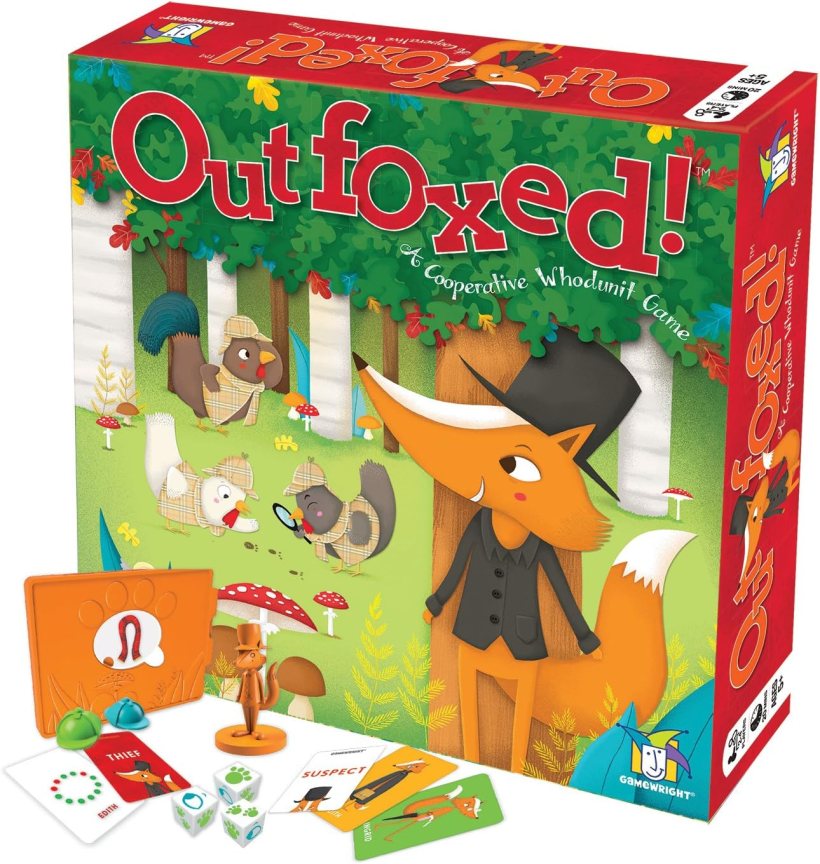
Ages: 5+ | Players: 2–4 | Play Time: 20–30 minutes

In this cooperative detective game, players work together to find out which sneaky fox stole a pie! Using dice, deduction, and a clever clue-revealing gadget, kids solve the mystery before the fox escapes.

Why it’s great for fall: Wholesome woodland characters, cozy pies, and teamwork-focused fun make this perfect for autumn play.

2. Sneaky Snacky Squirrel Game
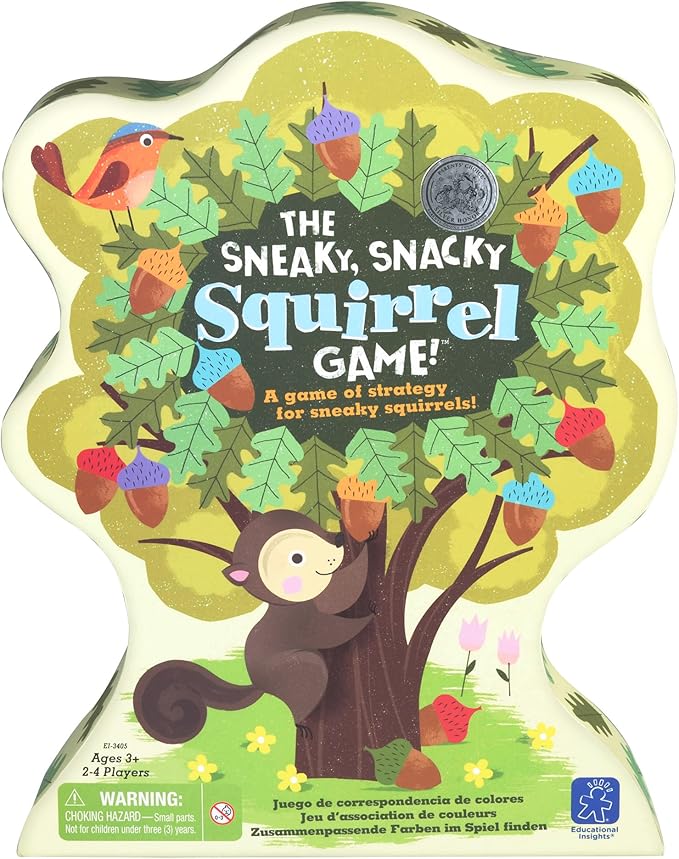
Ages: 3+ | Players: 2–4 | Play Time: 15–20 minutes

This adorable game has kids spin to collect colorful acorns and use a “squirrel squeezer” to place them in their tree stump. It’s simple, fast, and fantastic for fine motor skills and color recognition.

Why it’s great for fall: A forest setting, acorn collection, and fuzzy critters make it a seasonal staple for preschoolers.

3. Hoot Owl Hoot!
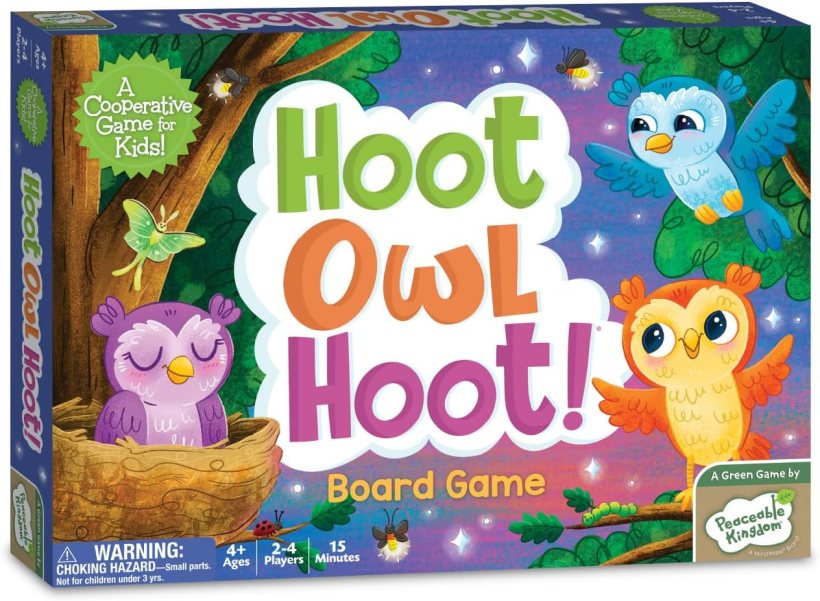
Ages: 4+ | Players: 2–4 | Play Time: 15–20 minutes

In this cooperative game from Peaceable Kingdom, kids work together to help little owls get back to their nest before the sun rises. It’s color-based, simple to learn, and stress-free — perfect for young learners.

Why it’s great for fall: Owls, nighttime forest settings, and a teamwork vibe make it ideal for autumn evenings.

4. Harvest Time

Ages: 3+ | Players: 1–6 | Play Time: 15-20 minutes

Players work together to gather fruits and vegetables from their gardens before the first frost arrives. Each turn brings a chance to harvest or a snowflake that moves winter closer. Everyone wins or loses as a team, making it perfect for younger kids and cooperative play.

Why it’s great for fall: Capturing the spirit of autumn with its focus on gathering crops before winter. It’s a cozy, seasonal game that fits beautifully into fall family nights or classroom activities, reinforcing themes of teamwork, nature, and seasonal change.

5. First Orchard (HABA)
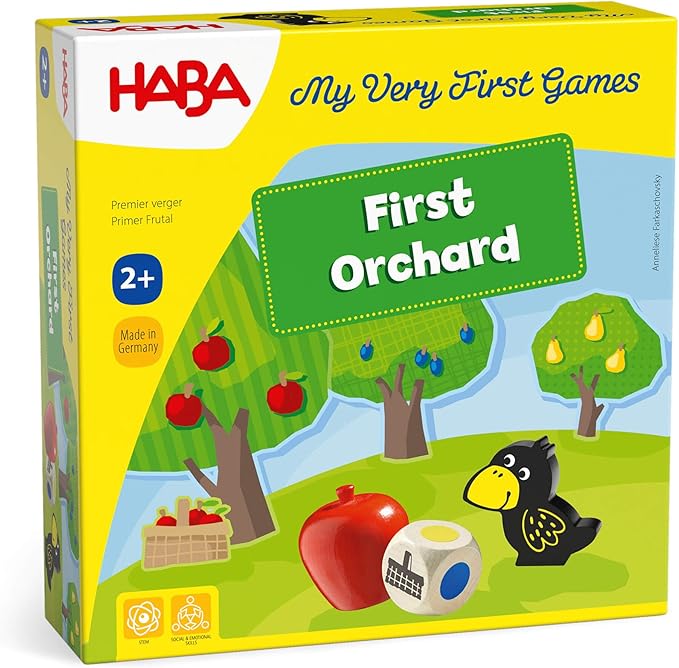
Ages: 2+ | Players: 1–4 | Play Time: 10–15 minutes

Perfect for toddlers and preschoolers, this simplified cooperative game lets players pick fruit before the pesky raven reaches the orchard. It encourages counting, teamwork, and early game-playing skills.

Why it’s great for fall: Bright fruit colors, wooden pieces, and a gentle harvest theme make it a great pick for littlest gamers.

6. Creature Comforts
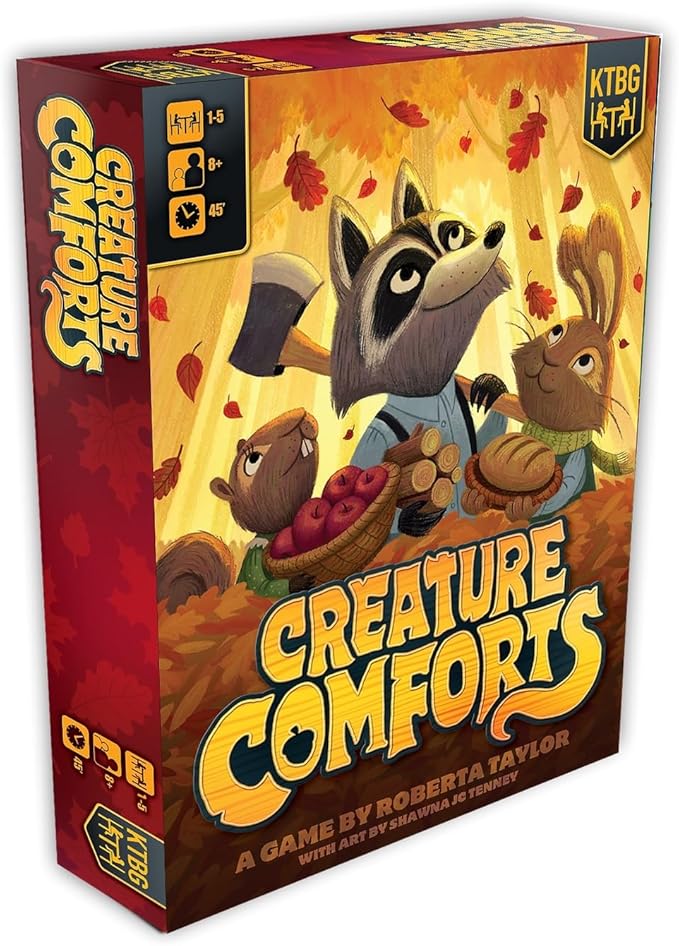
Ages: 8+ | Players: 1–5 | Play Time: 45-60 minutes

Players are woodland animals gathering resources and crafting cozy items to prepare for winter. Each round, you plan actions using dice and send your critters to the forest, meadow, or workshop to collect materials and create comforts like quilts and rocking chairs. It’s a warm, family-friendly game with light strategy and charming artwork.

Why it’s great for fall: With its woodland setting, focus on preparing for winter, and emphasis on coziness, Creature Comforts perfectly reflects the spirit of fall. It’s an ideal game for crisp evenings and family time, bringing autumn vibes right to the table.

7. My First Carcassonne
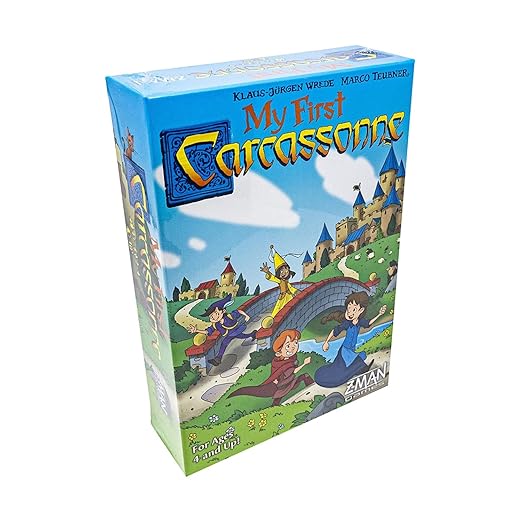
Ages: 4+ | Players: 2–4 | Play Time: 20–30 minutes

This simplified version of the classic tile-laying game is great for little ones. Players build roads and place figures in a pastoral village landscape — think barns, animals, and winding country paths.

Why it’s great for fall: The rural setting and storybook-style artwork make it a lovely pick for the season.

8. Acorn Soup (by Peaceable Kingdom)
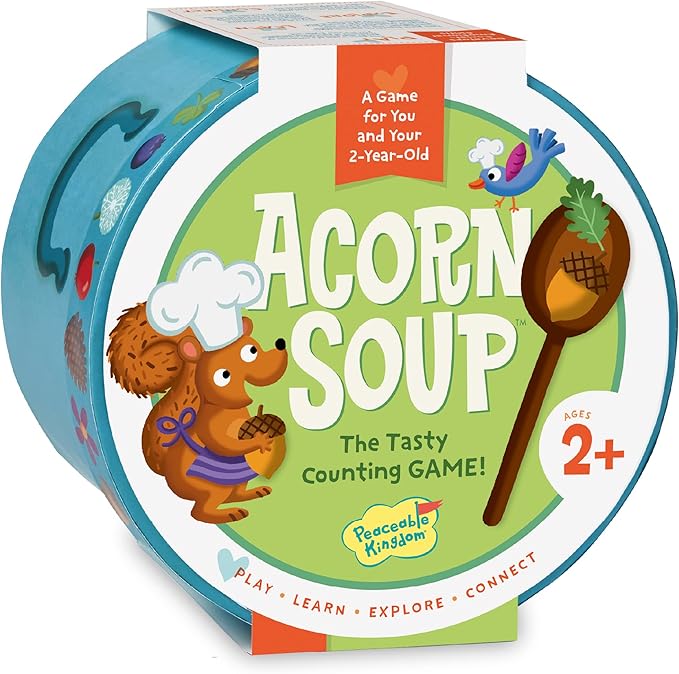
Ages: 2+ | Players: 1+ | Play Time: 10–15 minutes

Designed for toddlers, Acorn Soup invites little ones to help a friendly squirrel make different “soups” using chunky wooden ingredients and recipe cards. Kids follow simple instructions, stir pretend soups, and practice early counting and matching skills.

Why it’s great for fall: Woodland animals, acorns, and the cozy theme of making warm soup — this game is fall comfort in a box for the tiniest players.

Bonus: Make-Your-Own Fall Board Game!

Grab some construction paper, stickers, and dice to create a homemade fall-themed board game. Have kids draw pumpkins, leaves, animals, or apples — then make cards that say things like “Rake the leaves – Move ahead 2 spaces!” or “Spilled your cider – Go back 1!”

Why it’s great for fall: It’s creative, low-cost, and gets kids involved in the fun of both playing and making.

Final Thoughts

Fall is a time of gathering, gratitude, and play. These kid-friendly board games are a wonderful way to bring the season indoors — with colorful leaves, forest creatures, and the joy of spending time together. Whether you’re hosting a game night after a day of apple picking or just want a peaceful indoor activity on a chilly day, these games offer both fun and family connection.

So grab a soft blanket, pour the apple cider, and let the games begin!

How to Make Family Game Nights a Weekly Routine (That Everyone Looks Forward To)!

In today’s fast-paced world, it’s all too easy for quality family time to slip between schoolwork, chores, and screen time. That’s why family game night is such a game-changer (pun intended). It offers a regular, low-pressure way to connect, laugh, and make memories—without leaving the house or spending a fortune.

But like any good habit, making game night a consistent routine takes a bit of planning and flexibility. Here’s how to make it happen—and how to make it stick.

1. Pick a Night and Stick With It (Mostly)

Consistency is key. Choose a night that works for everyone and pencil it in like any other appointment. Friday or Sunday evenings work well for many families, but even a Monday night wind-down can work—just make it your own.

Pro tip: Call it something fun like “Friday Night Family Face-Off” or “Sunday Game Night Showdown” to build excitement.

2. Keep It Low-Key and Low-Stress

Family game night doesn’t have to be fancy. Turn off the devices, clear the table, and pull out a favorite game or two. The point is togetherness—not perfection.

Optional bonus: Pair it with pizza or snacks to make it feel special without a lot of prep.

3. Let Everyone Take Turns Choosing the Game

Rotating who gets to pick the game helps kids feel ownership and ensures variety. It also gives everyone a chance to play their favorite type of game—whether it’s silly, strategic, or cooperative.

Tip for fairness: Create a simple “game night picker” wheel or draw names from a jar.

4. Mix It Up With Different Types of Games

Keep things fresh with a mix of:

  • Quick games for busy nights (Uno, Spot It, Zingo)
  • Strategy games for older kids (Ticket to Ride, Catan Junior)
  • Cooperative games that encourage teamwork (Outfoxed!, Hoot Owl Hoot!)
  • Party-style games for lots of laughter (Charades, Pictionary)

Theme nights can add extra fun too—like “Card Game Night” or “Retro Game Night.”

5. Set the Mood

Create a cozy, inviting atmosphere. Dim the lights a bit, play some background music, and bring out blankets or floor cushions. Even small touches can make it feel like a special event.

Simple ideas: Use a “Game Night” sign, hang fairy lights, or light a candle.

6. Focus on Fun, Not Winning

It’s easy for competitiveness to take over, especially with older kids (or, let’s be honest, grown-ups). Remind everyone that the goal is fun and connection, not domination.

Try this: Occasionally play cooperative games or make up silly “bonus points” for good teamwork or sportsmanship.

7. Be Flexible (and Forgiving)

Not every week will be perfect. Life gets busy, moods shift, and sometimes a game will end in giggles—and other times in groans. That’s okay. Keep the tradition alive even if it’s just for 20 minutes or if you skip a week and come back to it later.

The key: Stick with it over time—it becomes more meaningful the longer it lasts.

8. Celebrate the Wins—Big and Small

Create little rituals like taking a “champion’s photo,” making a mini-trophy, or giving out fun titles (“Best Team Player,” “Silliest Voice,” “Card Shark”). These moments build positive memories and traditions your kids will remember for years.

Bonus: Let kids create a game night scrapbook or scoreboard.

Final Thoughts

Family game night doesn’t require hours of free time or expensive games. It just takes commitment, a dash of creativity, and a willingness to be present. Over time, it becomes more than just a night of entertainment—it becomes a tradition of laughter, learning, and connection.

So this week, pick a night, pick a game, and gather around the table. Let the dice roll and the good times begin!

Top 10 Educational Board Games for Children That Make Learning Fun!

If you’ve ever tried to sneak learning into playtime, you already know that games are a powerful tool. The best educational board games don’t just teach—they captivate. They turn math drills into monster adventures, reading practice into races, and logic into laughter.

Whether you’re a parent looking to build skills at home or a teacher stocking up your classroom shelf, these 10 educational board games for kids offer screen-free fun that’s as enriching as it is entertaining.

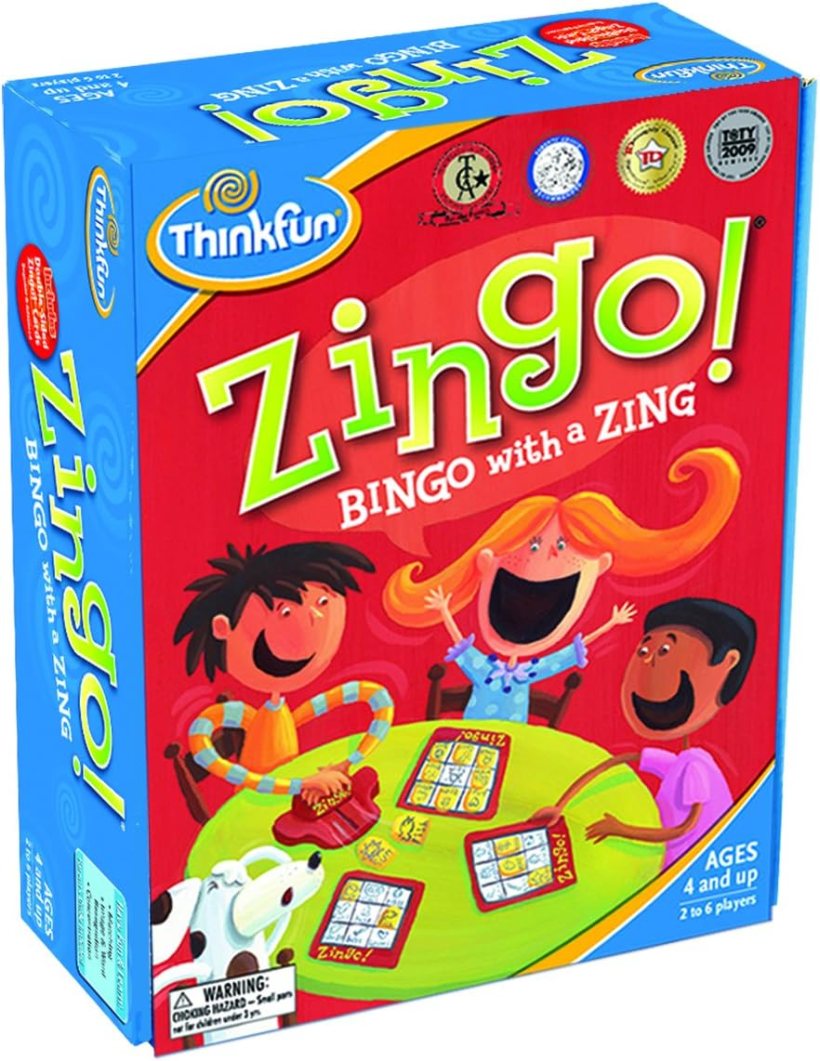
1. Zingo by ThinkFun

Ages: 4–8
Skills: Reading, vocabulary, matching

A fast-paced take on Bingo, Zingo uses a sliding tile dispenser and picture-word cards to help early readers learn common sight words. It’s great for building confidence and excitement around language.

Why kids love it: The satisfying “zing” of the tile dispenser and the race to shout “Zingo!”

2. Sum Swamp by Learning Resources

Ages: 5–7
Skills: Addition, subtraction, odd/even numbers

Players race through a swampy path by solving simple math problems. The game introduces early arithmetic in a playful, non-intimidating way.

Why kids love it: Dice, monsters, and math make a surprisingly addictive combo.

3. Outfoxed! by Gamewright

Ages: 5+
Skills: Deductive reasoning, logic, cooperation

A clever whodunit where kids play detectives solving a mystery before the sneaky fox escapes. Players use clues and deduction to eliminate suspects.

Why kids love it: It feels like solving a mystery—because it is!

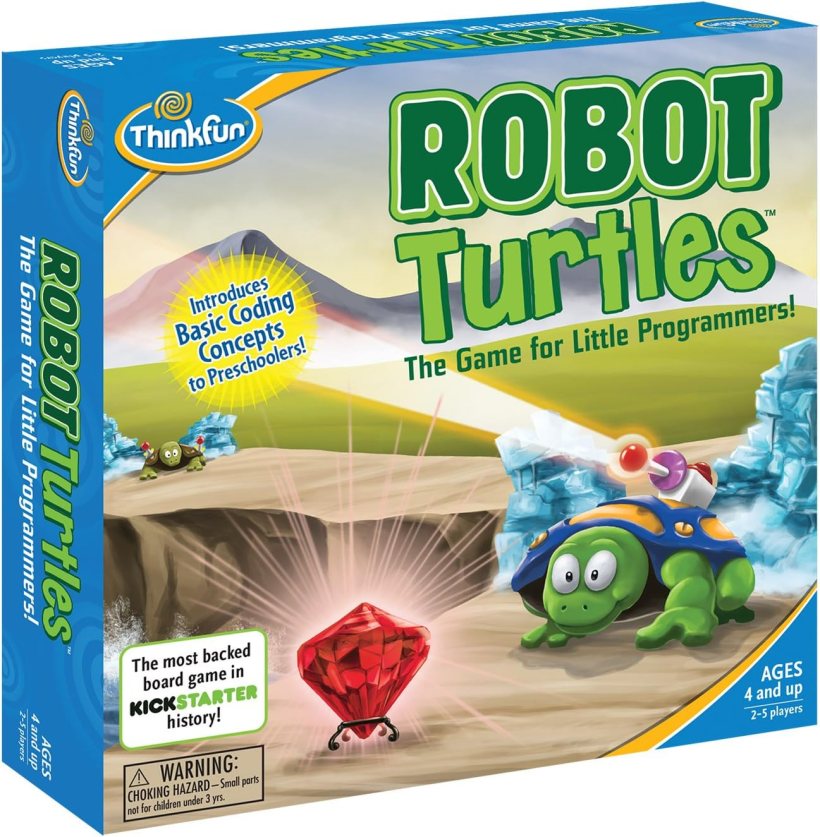
4. Robot Turtles by ThinkFun

Ages: 4–8
Skills: Coding concepts, sequencing, problem-solving

Designed by a software engineer, this game teaches preschoolers the basics of programming—without a screen. Kids use directional cards to “program” their turtles to reach a goal.

Why kids love it: They get to “boss around” grown-ups who follow their code.

5. Hoot Owl Hoot! by Peaceable Kingdom

Ages: 4–8
Skills: Color recognition, turn-taking, teamwork

In this cooperative game, players work together to get owls back to their nest before sunrise. It’s a gentle, non-competitive game that still encourages planning and strategy.

Why kids love it: The thrill of racing the sun—and cheering each other on.

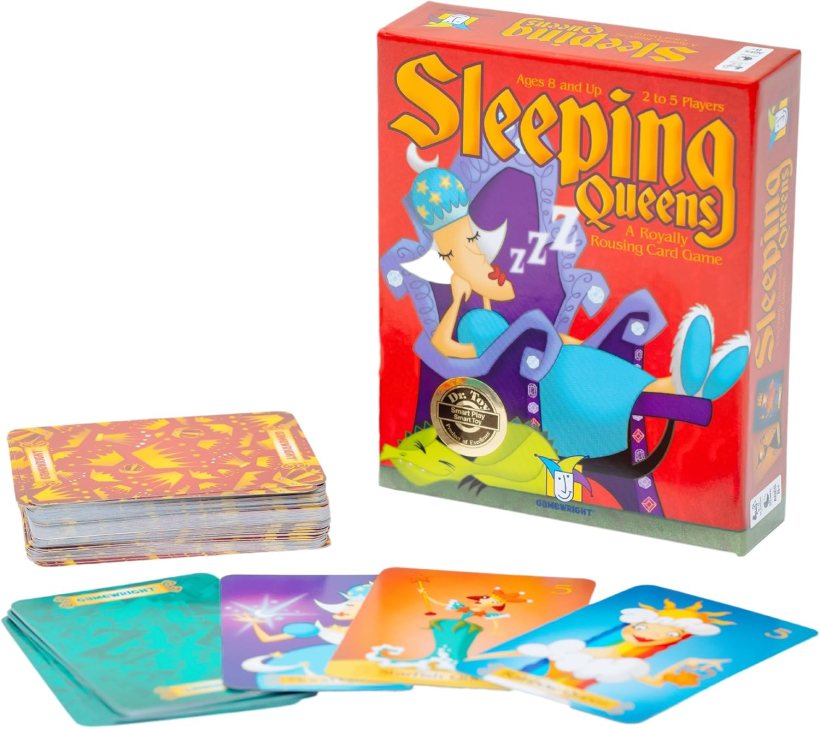
6. Sleeping Queens by Gamewright

Ages: 6+
Skills: Math, memory, strategy

Invented by a child, this whimsical card game blends number play, memory, and a bit of luck as players try to wake sleeping queens while avoiding knights and potions.

Why kids love it: The quirky characters and the fast-paced action.

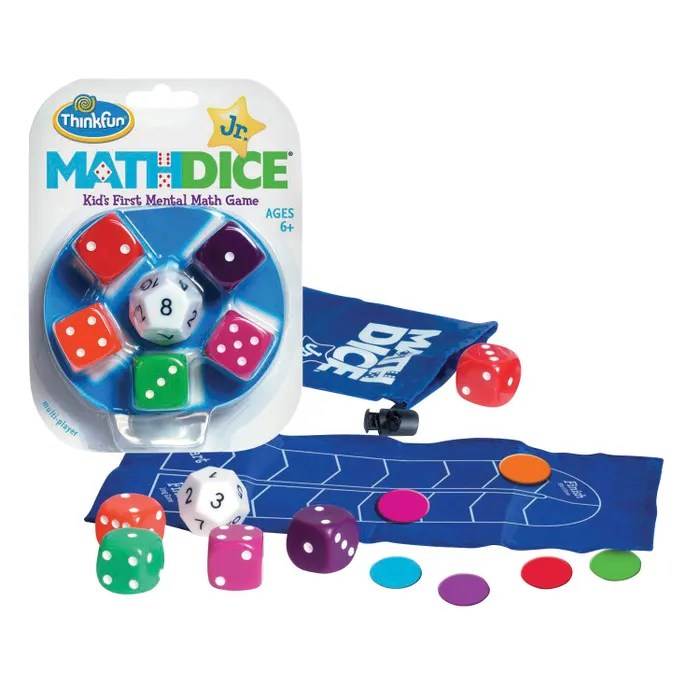
7. Math Dice Jr. by ThinkFun

Ages: 6–10
Skills: Mental math, addition, subtraction

Roll the dice, add or subtract to hit the target number, and move your pawn forward. This quick game sharpens math fluency through fun repetition and strategic thinking.

Why kids love it: Dice make everything more exciting.

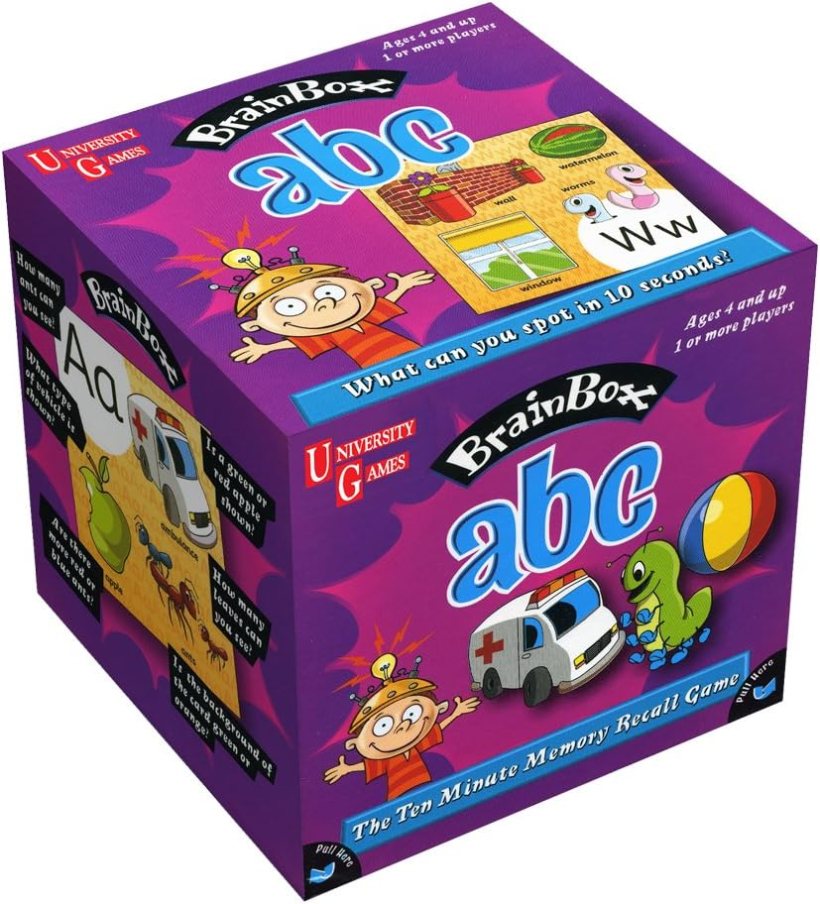
8. BrainBox: My First ABC (or other versions)

Ages: 4–8
Skills: Memory, language, observation

Players study a picture card for 10 seconds and then answer questions about it from memory. Versions include ABCs, animals, geography, and more.

Why kids love it: The 10-second memory challenge feels like a game show.

9. Race to the Treasure by Peaceable Kingdom

Ages: 5–8
Skills: Planning, collaboration, critical thinking

Another cooperative winner, this game has kids working together to build a path to a treasure before the ogre reaches it. It’s all about planning and teamwork.

Why kids love it: They get to outsmart a silly ogre together.

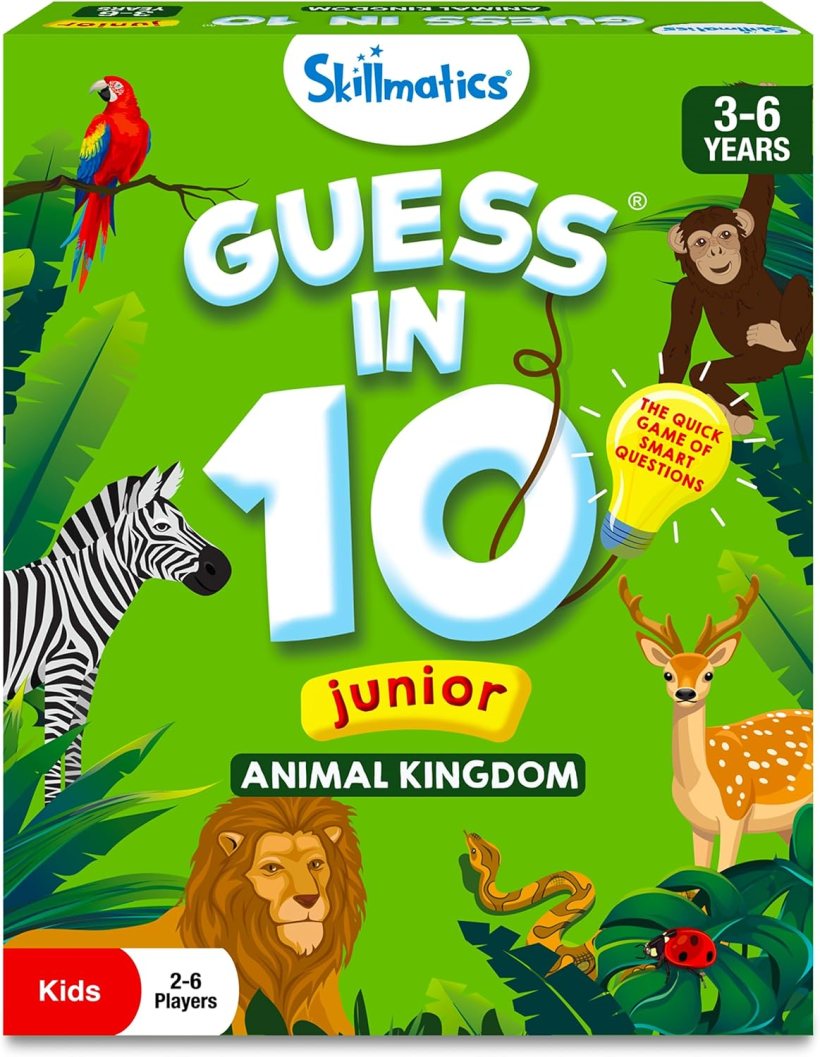
10. Guess in 10 Junior (Animal Kingdom, Countries, etc.)

Ages: 5–10
Skills: Critical thinking, questioning, general knowledge

In this rapid-fire question game, players guess what’s on the card by asking yes/no questions. Versions cover animals, jobs, food, and more.

Why kids love it: The game encourages curiosity and feels like a trivia challenge.

Final Thoughts

Educational board games are more than just a rainy-day fix—they’re a chance to learn through laughter, build skills through strategy, and grow closer as a family or classroom. These games prove that when kids are having fun, learning comes naturally.

So next time you’re looking to boost math, reading, logic, or teamwork, skip the worksheet and grab one of these games instead. Your kids will thank you—and they won’t even realize they’re learning.

How to Play – Memory Match

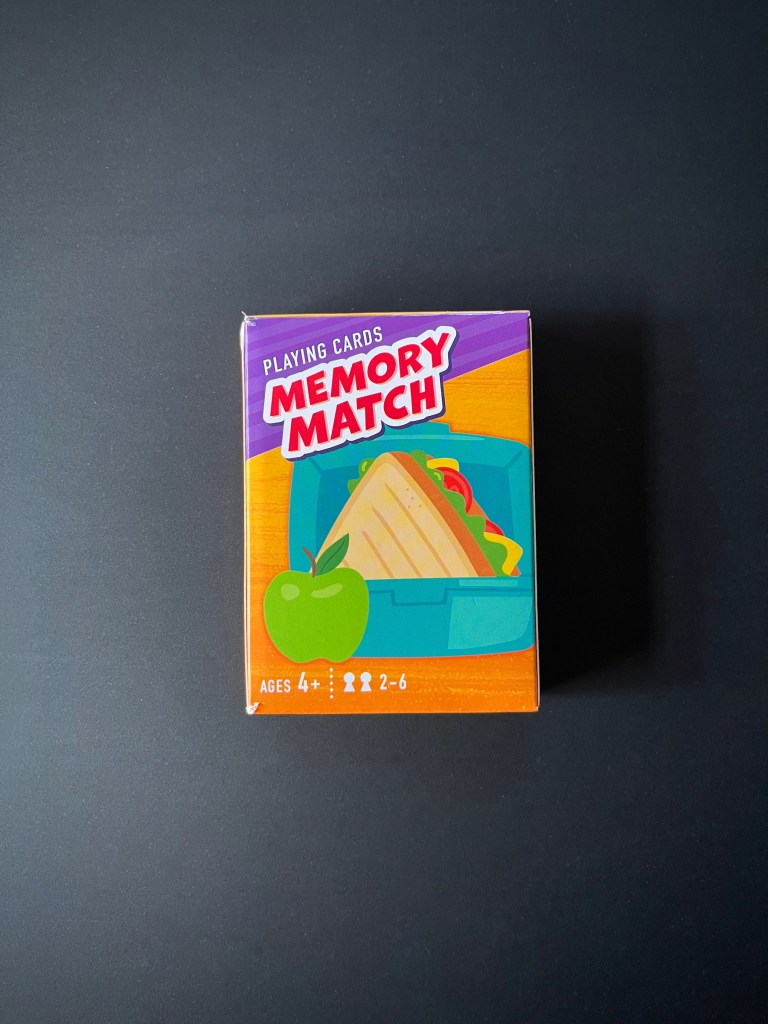
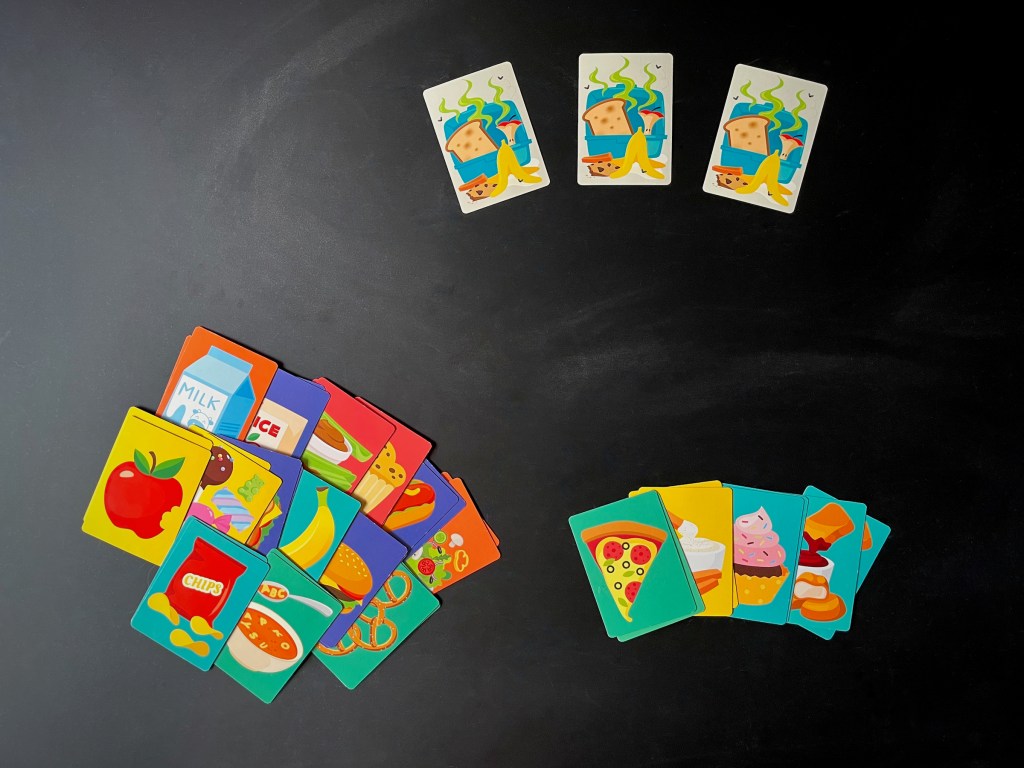
Part of the fun in raising Zoey is finding things that delight and educate her; I want to find fun, creative board games to play with her during our family game nights! This week we played Memory Match, the LotFancy version, for 2 to 6 players.

This specific memory match game is designed for kids and does a great job building visual recognition and, of course, memory recall. The graphics are adorable and gameplay is fun and engaging; especially when competition narrows in Zoey’s focus.

So let’s play!

IN THE BOX
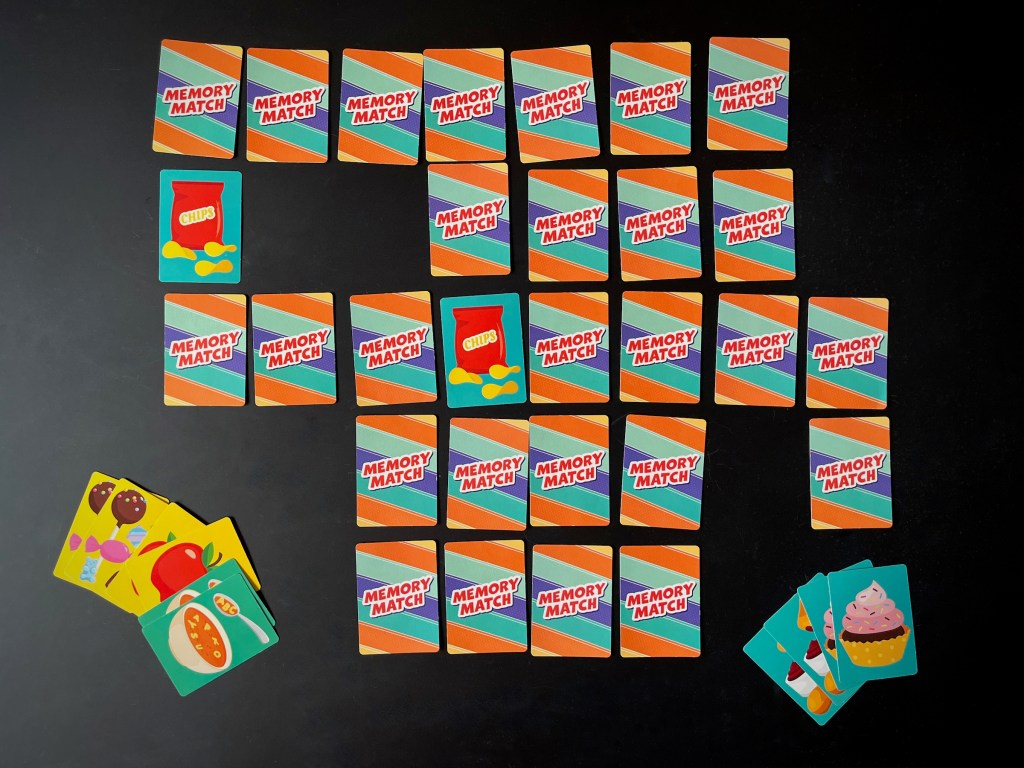
  • 39 cards
INSTRUCTIONS
  1. For standard play, remove the 3 stinky lunchbox cards. For more of a challenge, leave them in the deck.
  2. Shuffle the deck and lay them face down so the cards are not overlapping. You may place them in a grid or randomly, it’s up to you.
  3. Players take turns, the youngest player goes first.
  4. On your turn, flip two cards face-up. Make sure that the other players can see the cards too.
  5. If the two cards match, you get to keep them! Place them in a score pile in front of you. As a reward, you get to go again and flip over two more cards.
  6. If you do not make a match, flip the cards back over so they are hidden, your turn is over.
  7. If you are playing with the stinky lunch box cards and you turn one over, your turn is over.
  8. Play continues to the left and the next player takes their turn.
  9. When all the cards have been picked up (minus the stinky lunchbox cards if in play), each player counts the pairs of food they’ve collected. The player with the most food wins! 

ENJOY!

How to Play – Disney Eye Found It!

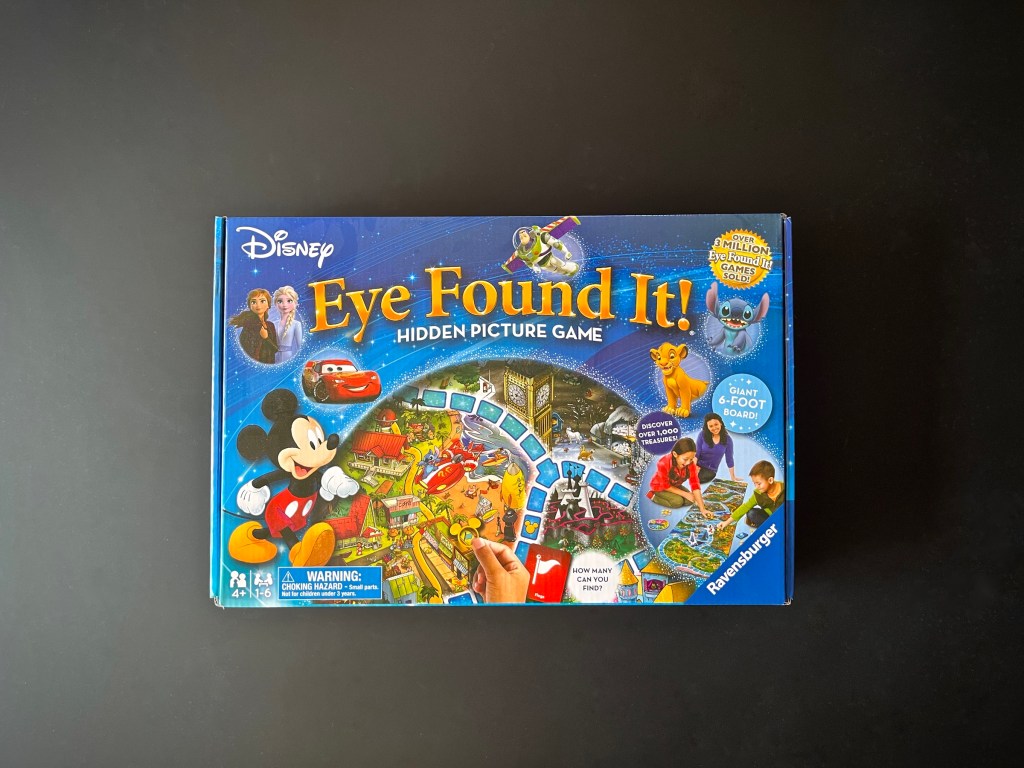
Part of the fun in raising Zoey is finding things that delight and educate her; I want to find fun, creative board games to play with her during our family game nights! This week we played Disney’s Eye Found It! for 1 to 6 players.

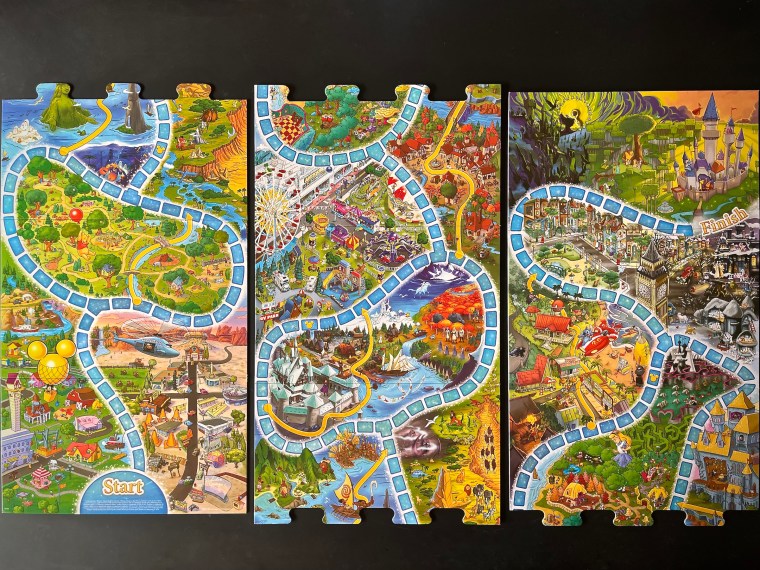
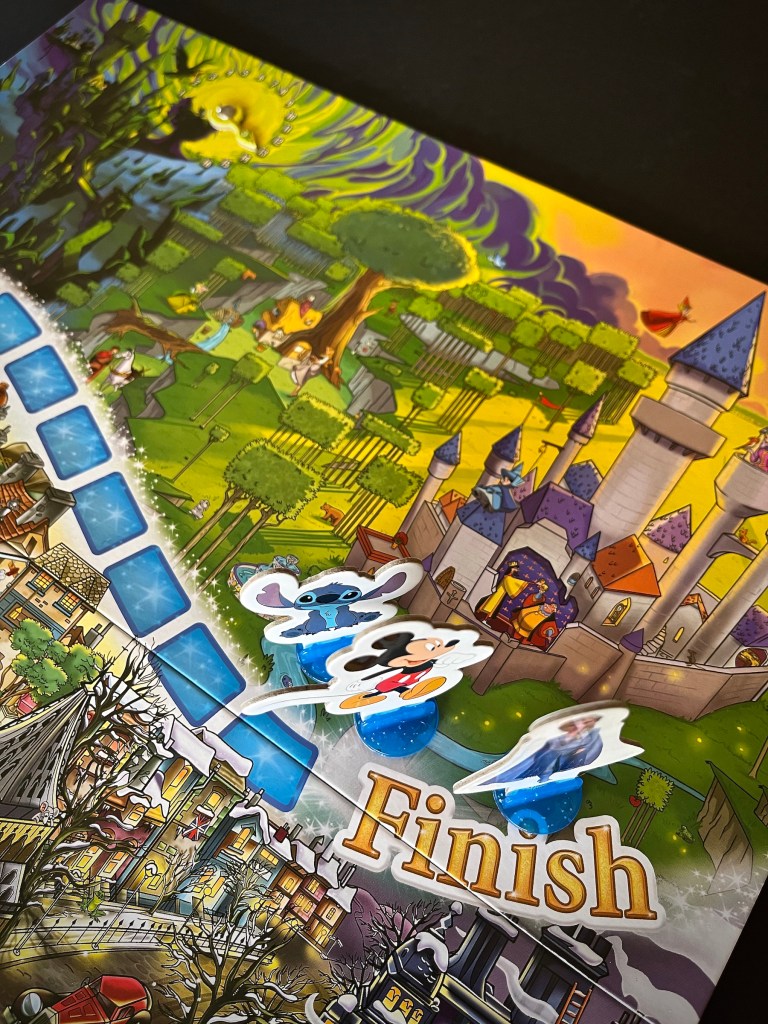
This is a cooperative game, which is nice when you’re not feeling competitive and want to focus on teamwork instead. Zoey enjoys the Disney content and searching the board for hidden objects (so do I honestly). The only warning I will give is that the game board is rather large, you’ll either need a long table, countertop, or you can set it up on the floor like we do!

So let’s play!

IN THE BOX
  • 1 game board (in 3 sections)
  • 6 characters
  • 6 character bases
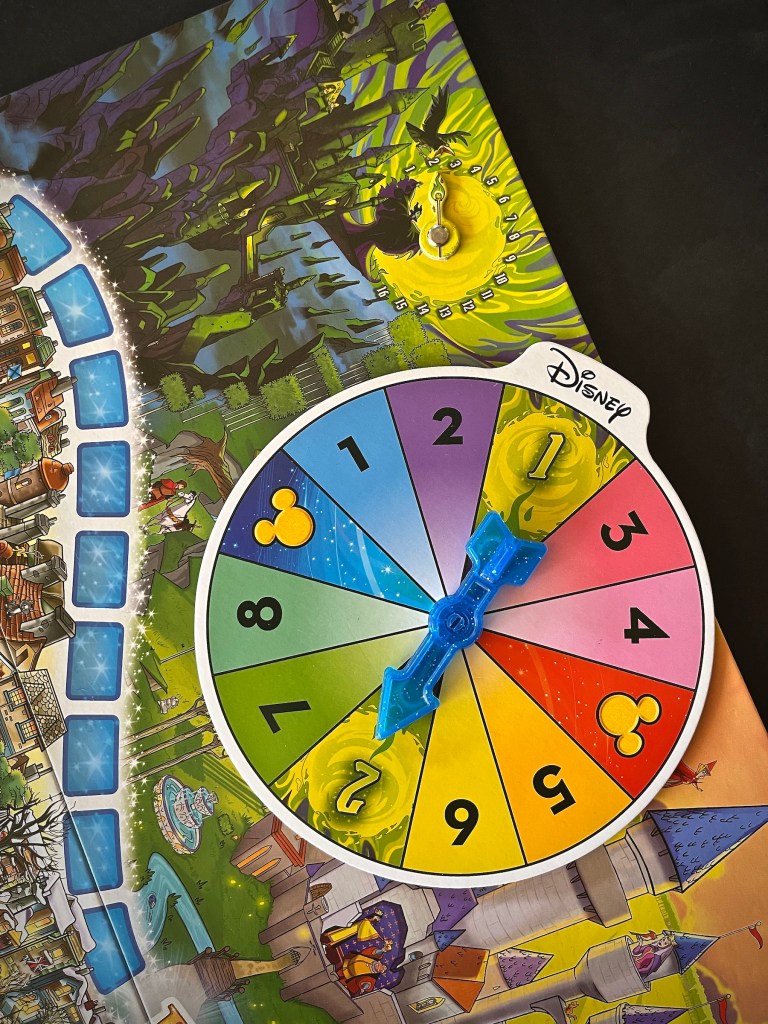
  • 1 spinner
  • 12 Mickey marker
  • 30 search cards
  • 1 sand timer
INSTRUCTIONS
  1. Unfold the game board sections and connect them.
  2. Set the Mickey markers, sand timer and spinner near the board.
  3. Shuffle the search cards and put them in a pile near the board. Either the blue or red sides may face up.
  4. Set Maleficent’s staff to “1”.
  5. Insert each character into a base. Each player chooses a chapter and puts them on the “Start” space.
  6. The youngest player goes first. On your turn, spin the spinner and follow its instructions:
    • Move – Move your character forward the number of spaces indicated.
      1. If you land on a shortcut, follow the arrow.
      2. If you get to a fork in the road, choose which way to go.
      3. If you land on a “search” space, follow the search rules.
    • Maleficent’s Magic – Move the staff one or two spaces forward, then spin again!
    • Search – If the spinner or your character land on a “search” space, draw the top card of the deck.
      1. If you spun a search on the spinner, use the side of the card matching the color on the spinner. If your character landed on a search space you may choose which side of the card to use. 
      2. Start the timer. All players help look for the object(s) shown, hidden on the game board. Each time you find one put a Mickey marker  on it so you remember where it is. When the time runs out, stop looking and count up all the Mickey markers you placed on the board. Everyone’s character moves forward that many spaces!
  7. If all players arrive at Aurora’s castle before Maleficent casts her spell (when her staff reaches 16), you all win!
ENJOY!

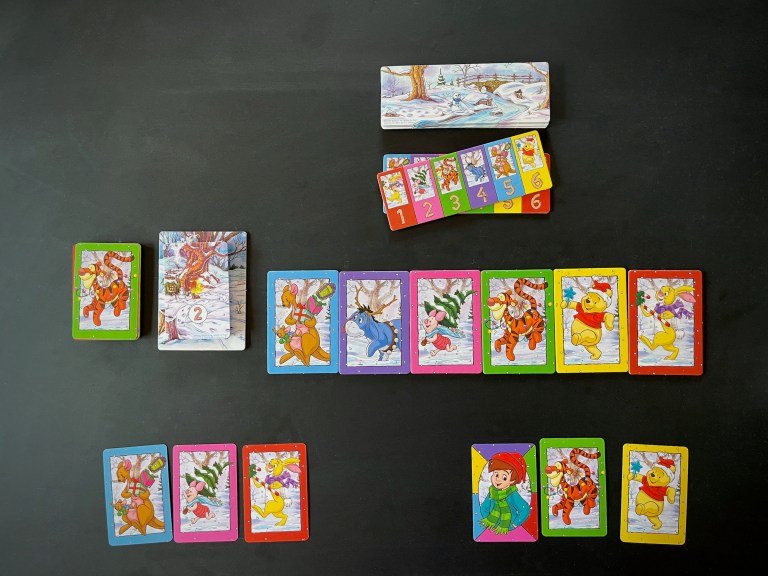
How to Play – Winnie the Pooh Snow Parade Game

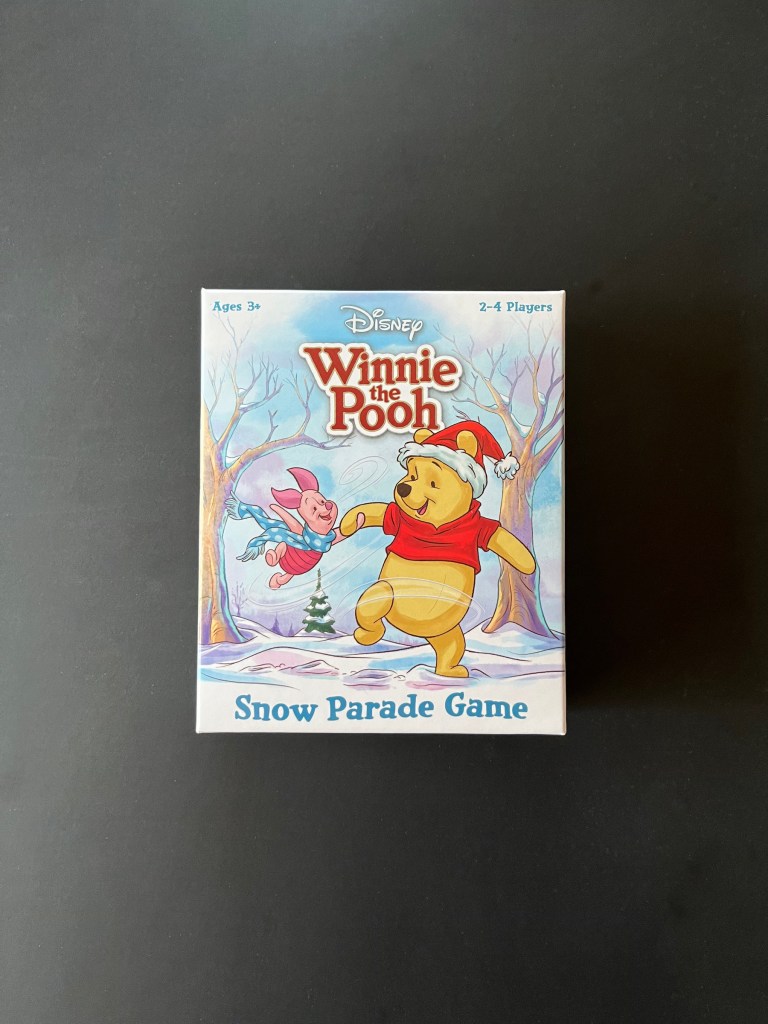
Part of the fun in raising Zoey is finding things that delight and educate her; I want to find fun, creative board games to play with her during our family game nights! This week we played Winnie the Pooh – Snow Parade Game  for 2 to 4 players!

I purchased this game on a whim! I saw Winnie the Pooh and I saw the Christmas/Winter theme, and it piqued my curiosity! It was worth it! We enjoy that this game is cooperative, which is a nice departure from the competitive games we’ve been playing!

So let’s play!

IN THE BOX
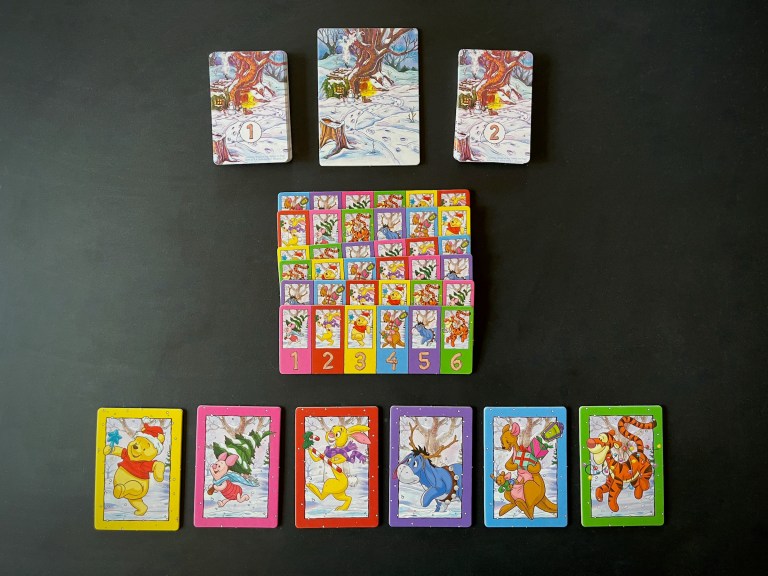
  • Home tile
  • 6 character tiles
  • 6 parade tiles
  • 40 cards
INSTRUCTIONS
  1. This is a cooperative game, you will all win or lose together! Play cards to move or swap the order of the character tiles in the parade. If you can complete the goal number of parade tiles without running out of cards, you all win the game!
    • Easy – Complete 3 parade tiles
    • Medium – Complete 4 parade tiles.
    • Hard – Complete 5 parade tiles.
  2. Place all the tiles in the middle, where everyone can reach them.
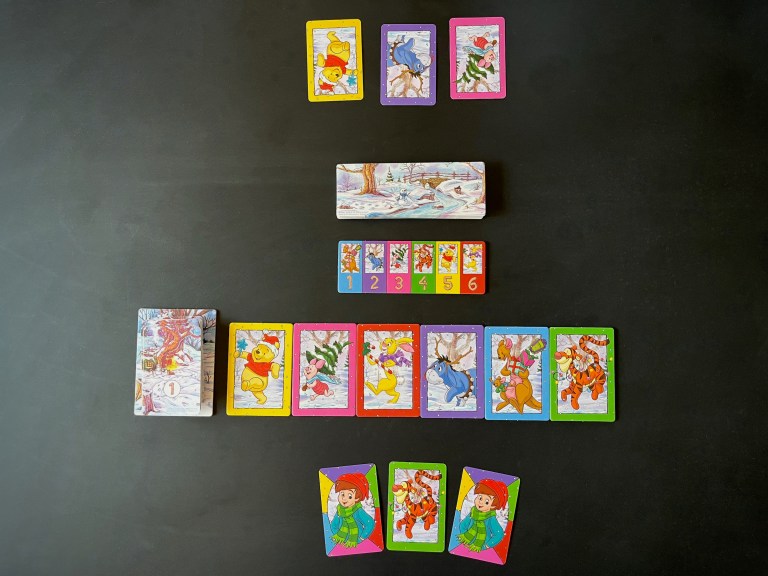
  3. Place the six character tiles face up in a line to the right of the home tile in order from 1 to 6 (the numbers are on the backs). This is the parade!
  4. Separate the cards into two piles by the numbers on the backs (1 or 2). Shuffle each pile.
  5. Place the number 1 pile of cards on top of the number 2 pile, then place this single deck on top of the home tile.
  6. Each player draws a number of cards based on the number of players. Place your cards face up so all the players can see them.
    • 2 players: 3 cards each
    • 3 to 4 players: 2 cards each.
  7. Mix the parade tiles and place them in a pile above the character tiles, face-down. Flip one tile face-up.
  8. Starting with the youngest player and moving clockwise, you can do one of these 3 actions on your turn:
    • Move a character: Play a card to move the matching character tile forward or backward one spot in the parade. Character tiles at the front of the parade can only be moved backward and character tiles at the back of the parade can only be moved forward.
    • Swap: Play a card and choose another player to also play a card. Swap the spots of those two matching character tiles in the parade.
    • Discard: Discard your cards and draw all new cards from the deck.
    • Christopher Robin: The Christopher Robin card is wild and can be played as any character.
  9. If all character tiles in the parade match the order on the current parade tile, you’ve completed it! Set it aside and flip the next parade tile over! 
  10. At the end of your turn, if you played a card, draw a new one from he deck. If another player helped you swap, you each draw a card.
  11. If the deck runs out, keep taking turns until players have no cards left to play. 
  12. If you complete the goal number of parade tiles before you run out of cards to play, all the players win!

ENJOY!

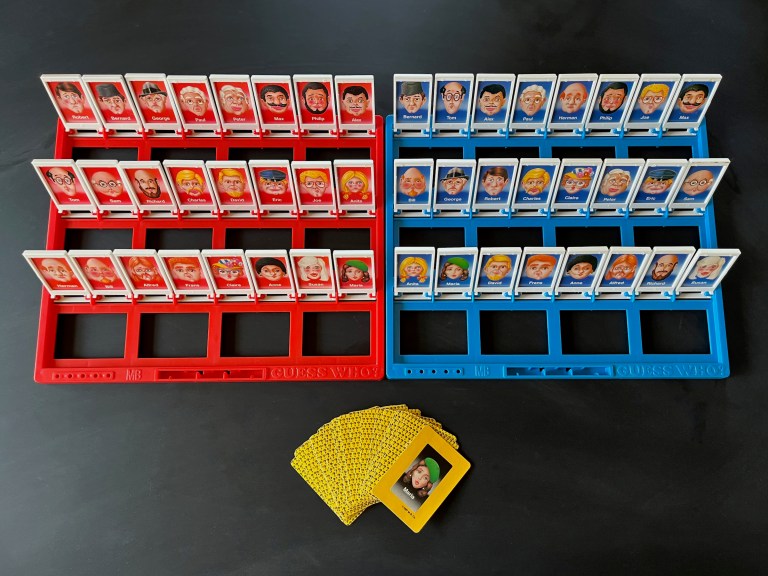
How to Play – Guess Who?

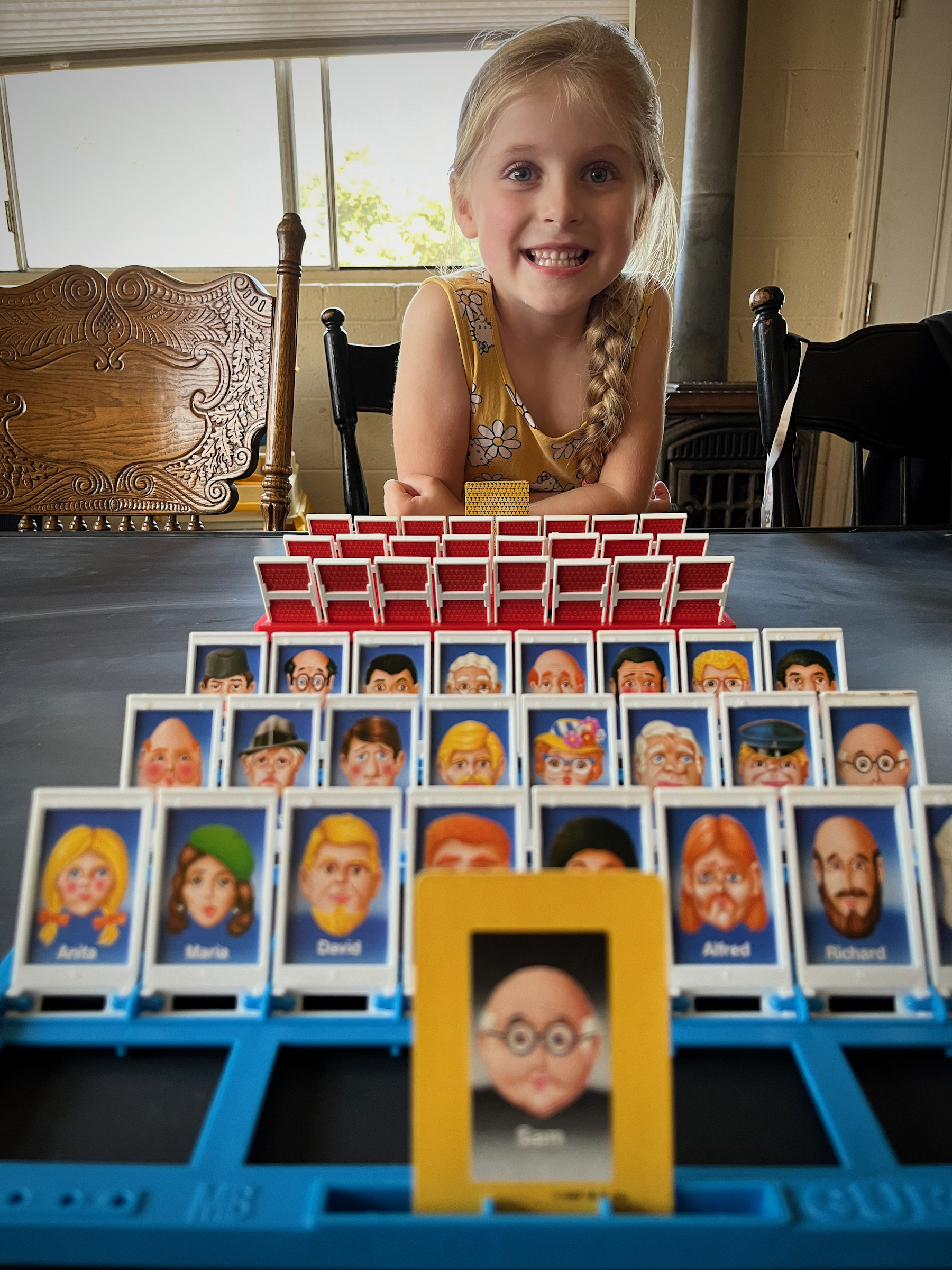
Part of the fun in raising Zoey is finding things that delight and educate her; I want to find fun, creative board games to play with her during our family game nights! This week we played Guess Who? for 2 players!

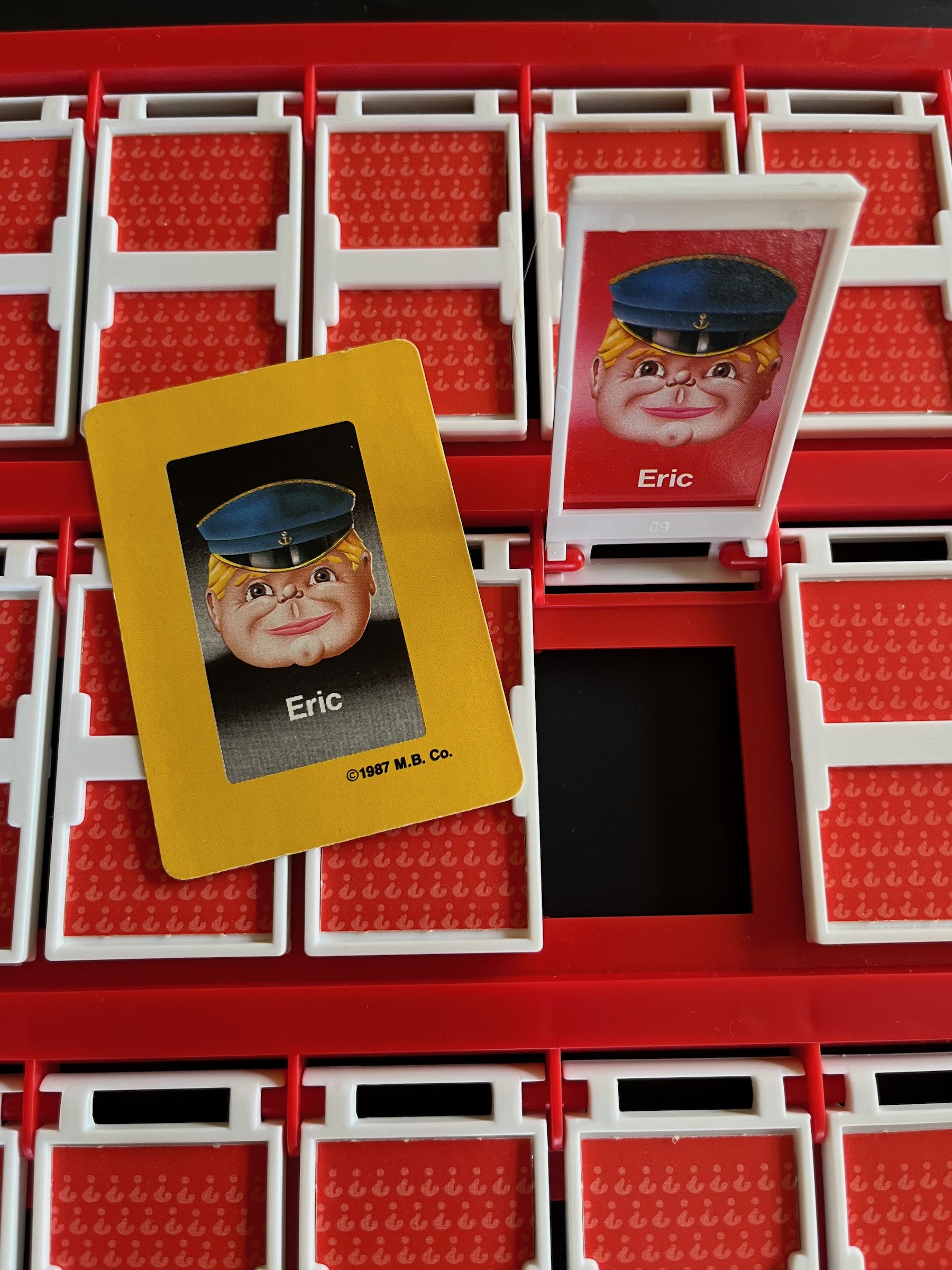
This game was a little tougher for Zoey because she is just learning to read, but she wanted to play and when there’s a will there’s a way! She ended up winning our second game together after she got the hang of asking questions and flipping down faces. She made her guess by asking if he was a ship captain with a name that starts with an “E” (for Eric); she was correct!

So let’s play!

IN THE BOX
  • 2 plastic game boards
  • 48 plastic frames
  • 48 face cards
  • 24 mystery cards
  • Scoring pegs
INSTRUCTIONS
  1. The object of the game is to guess the mystery person on your opponent’s card by asking one question per turn, and eliminating any game board faces that don’t fit the mystery person’s description.
  2. Each player chooses a game board and places it on a flat surface with the mystery card slot facing them.
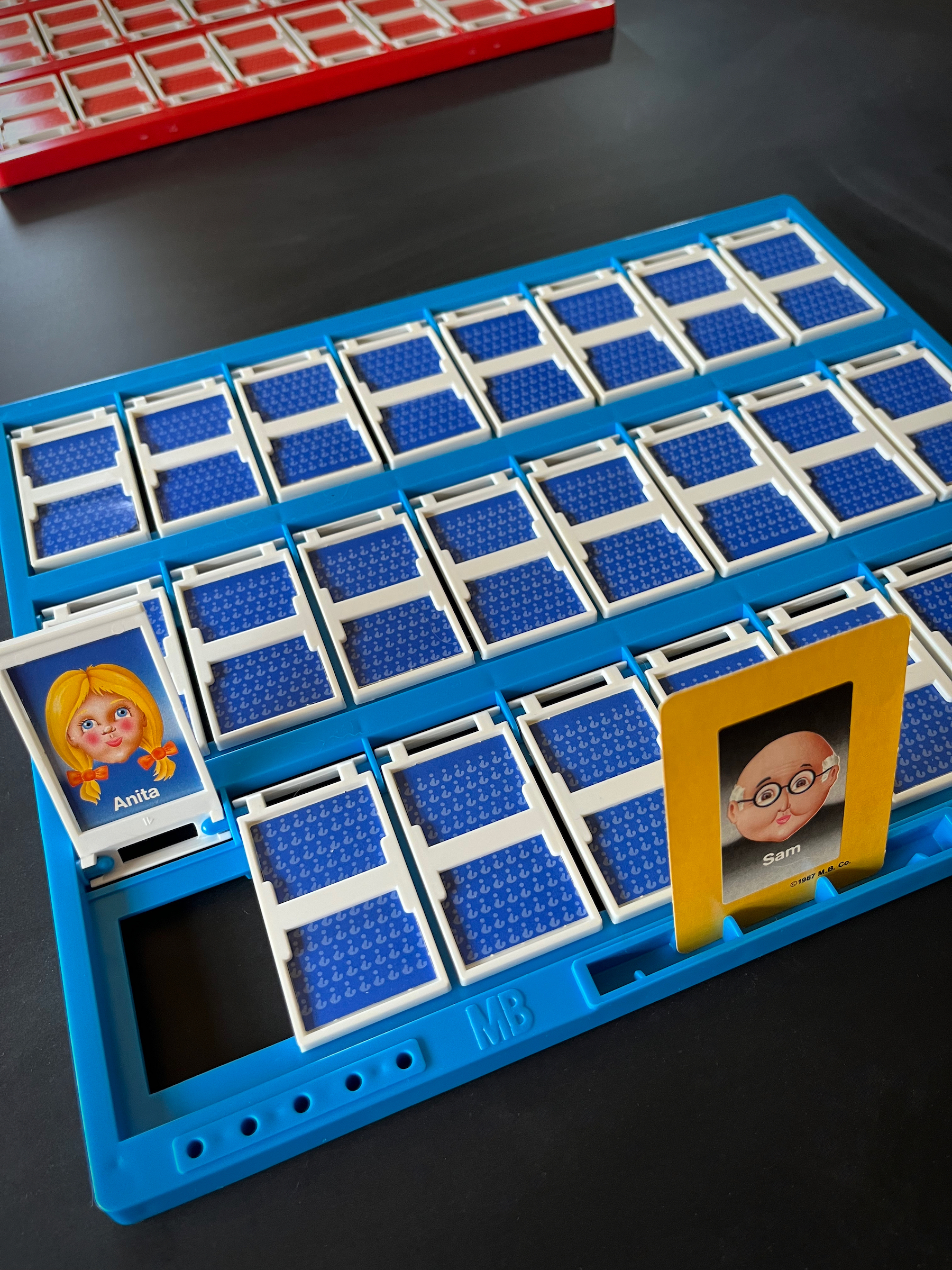
  3. Both players flip all the frames upright by tipping the game board away from themselves, then settling their game board flat again.
    • Notice the differences among the 24 faces on your game board. Hair, facial hair, eye color, hats and glasses. As you play you’ll notice several other differences among your “suspects”.
  4. Shuffle the mystery cards, then each player chooses one card at random and places it into their mystery card slot so that the mystery person faces you (do not let your opponent see your card)! Set the unused mystery cards aside.
  5. The youngest player always goes first.
  6. Ask your opponent one question per turn and each question must have either a “yes” or “no” answer. 
    • For example, “does your person have white hair?”
  7. After your opponent answers, you may be able to eliminate one or more suspects. 
    • For example, if their mystery person has white hair, flip down all the faces that have black, brown, red and yellow hair. That leaves only the white haired people as suspects after your question.
  8. After you ask a question (and flip down as many faces as you can), your turn is over.
  9. When you’re ready to guess who the mystery person is, make your guess on your turn, instead of asking a question. Don’t use your turn to guess the mystery person until you’re ready! If you guess wrong, you lose the game!
    • To guess the mystery person, say (for example), “The mystery person is Paul.” Your opponent must then tell you whether or not your guess is correct. 
  10. If you guess correctly, or your opponent guesses incorrectly, you win the game!

ENJOY!

How to Play – Uno

Part of the fun in raising Zoey is finding things that delight and educate her; I want to find fun, creative board games to play with her during our family game nights! This week we played Uno for 2 to 10 players!

When I’m researching the rules for these games I’ve played since childhood, I am discovering that I’ve been playing them differently for years! For example, when we didn’t have a playable card to match the one on the discard pile, we kept drawing until we found one, but apparently you are only supposed to draw once and move on! It does make for some funny game moments and prolongs the game; either way is fun!

So let’s play!

IN THE BOX
  • 112 cards
INSTRUCTIONS
  1. Each player draws a card; the player that draws the highest number deals (count any action card as a zero).
  2. The dealer shuffles the deck and deals each player 7 cards.
  3. Place the remainder of the deck facedown to form the “Draw” pile.
  4. The top card of the “Draw” pile is turned over to begin the “Discard” pile. If any of the action cards are turned over to start the “Discard” pile (see the function of each action card for special instructions).
  5. Action cards:
    • Draw Two card – When you play this card, the next player must draw 2 cards and miss their turn. This card may be played on a matching color or another Draw Two card. If turned up at the beginning of play the same rule applies.
    • Reverse card – When you play this card, the direction of play reverses (if play is currently to the left, the play changes to the right, and vice versa). This card may only be played on a matching color or another Reverse card. If this card is turned up at the beginning of of play, the dealer goes first, then play moves to the right instead of left.
    • Skip card – When you play this card, the next player is “skipped” or loses their turn. This card may only be played on a matching color of another Skip card. If turned up at the beginning of play, the player to the left of the dealer is “skipped”, and the player to the left of that player starts play.
    • Wild card – When you play this card, you get to choose the color that continues play (any color including the color in play before the Wild card was laid down). You may play a Wild card on your turn even if you have another playable card in your hand. If a Wild card is turned up at the beginning of play, the person to the left of the dealer chooses the color that continues play.
    • Wild Draw 4 card – When you play this card, you get to choose the color that continues play PLUS the next player must draw 4 cards from the “Draw” pile and lose their turn. You may only play this card when you do NOT have another card in your hand that matches color on the “Discard” pile (but it is acceptable to play this card if you have matching number or Action cards). If turned up at the beginning of play, return this card to the deck and pick another card.
  6. The person to the left of the dealer starts play. 
  7. On your turn, you must match a card from your hand to the card on the top of the “Discard” pile, either by number, color or action card symbol.
  8. If you don’t have a card that matches the one on the “Discard” pile, you must take a card from the “Draw” pile. If the card you picked up can be played, you are free to put it down on the same turn. Otherwise, play moves to the next person.
  9. You may also choose NOT to play a playable card from your hand. If so, you must draw a card from the “Draw” pile. If playable, that card can be put down in the same turn, however you may not play any other card from your hand after the draw.
  10. If no player is out of cards by the time the “Draw” pile is depleted, the “Discard” pile is reshuffled and play continues.
  11. When you play your next-to-last card, you must say “Uno” to indicate that you only have one card left. If you don’t say “Uno” and you’re caught before the next player begins their turn, you must draw two cards.
    • If the last card played in a round is a Draw Two or a Wild Draw Four card, the next player must draw 2 or 4 cards respectively. These cards are counted when the points are totaled.
  12. Once a player has no cards left, the round is over and the first player to get rid of their cards in a round receives points for all the cards left in their opponents’ hands as follows:
    • All number cards (0-9) = face value
    • Draw Two = 20 points
    • Reverse = 20 points
    • Skip = 20 points
    • Wild = 50 points
    • Wild Draw Four = 50 points
  13. Once the score for the round has been tallied, if no player has reached 500 points, reshuffle the cards and begin a new round. Players retain their points from previous rounds.
  14. The winner is the first player to reach 500 points.

ENJOY!

How to Play – Mancala

Part of the fun in raising Zoey is finding things that delight and educate her; I want to find fun, creative board games to play with her during our family game nights! This week we played one of my all-time favorites, Mancala!

Zoey needed a little guidance, but she was able to grasp this game even though she’s under the age recommendation of 6 and up! And she won! Go Zoey!

When I’m researching the rules for these games I’ve played since childhood, I am discovering that I’ve been playing them differently for years! For example, I had not put the “captured” stones in our stores, just continued playing with them! Either way is still fun though!

So let’s play!

IN THE BOX
  • 48 stones
  • A game board
INSTRUCTIONS
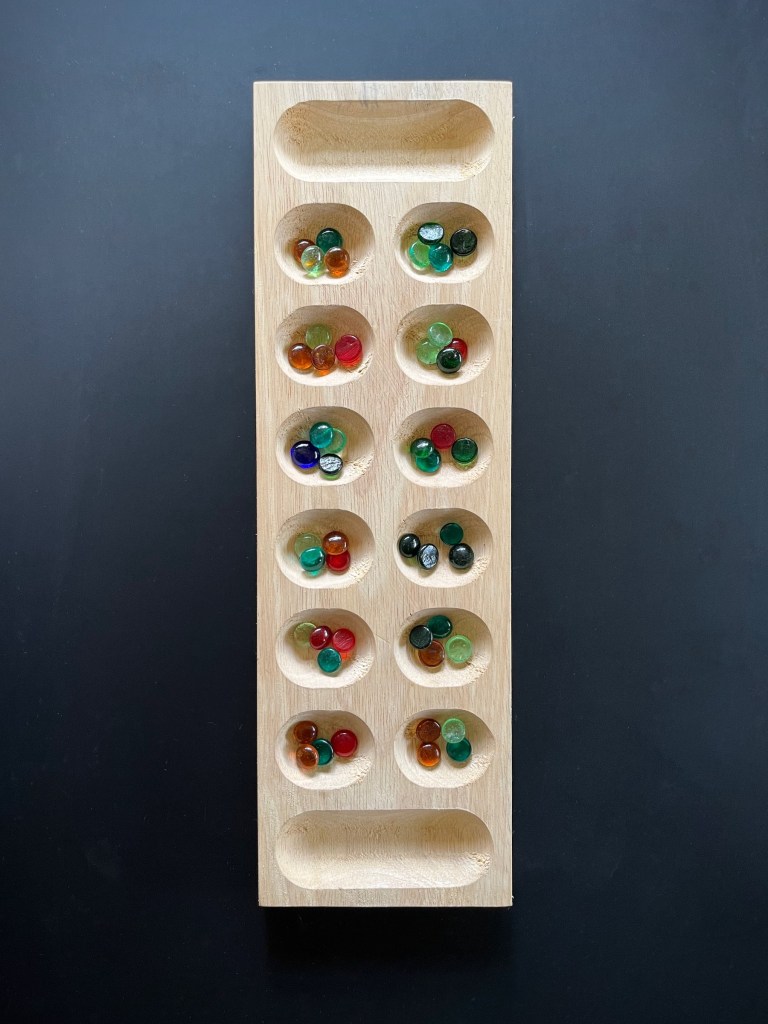
  1. Place four stones in each of the 12 pockets on the game board.
  2. Each player has a store (or Mancala) to the right, on their side of the Mancala board.
  3. The game begins with one player picking up all of the stones in any one of the pockets on their side.
  4. Moving counter-clockwise, the player deposits one of the stones in each pocket until the stones run out.
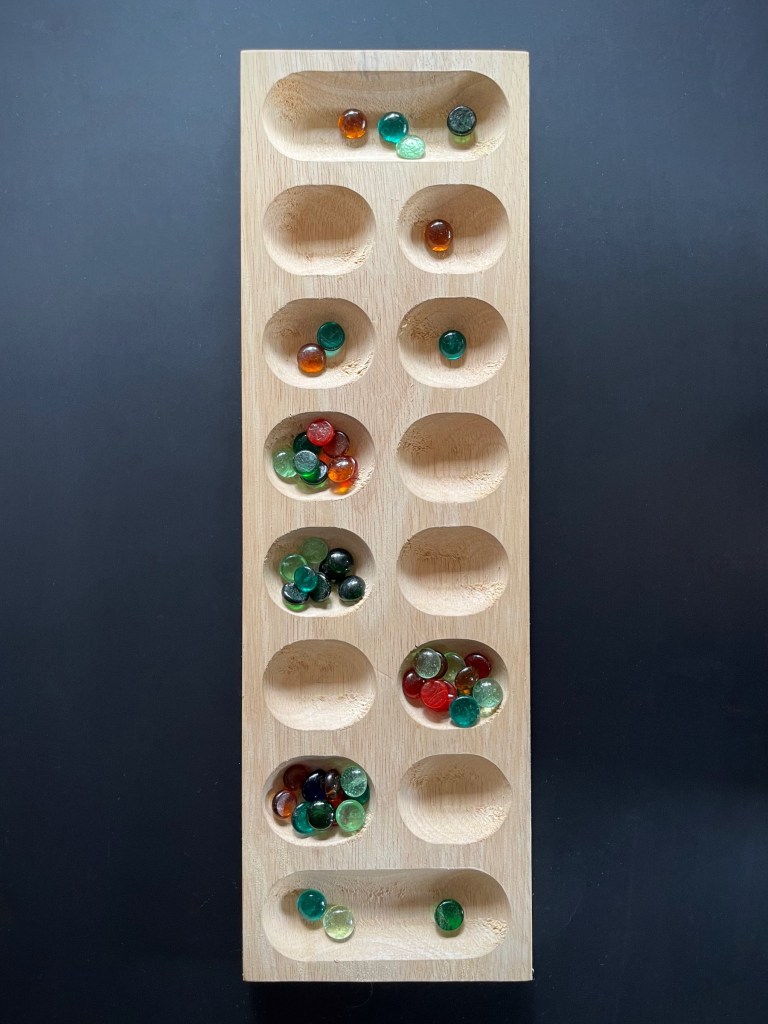
  5. f you run into your own Mancala (store), deposit one stone in it. If you run into your opponent’s Mancala, skip it and continue moving to the next pocket.
  6. If the last stone you drop is into your own Mancala, you take another turn.
  7. If the last stone you drop is in an empty pocket on your side, you “capture” any stones in the pocket directly opposite. Place these captured stones into your Mancala.
  8. The game ends when all six pockets on one side of the Mancala board are empty.
  9. The player who still has stones on his/her side of the board when the game ends captures all of those stones into their Mancala.
  10. Count all the stones in each Mancala, the player with the most stones wins!

ENJOY!

How to Play – The Fantasyland Game

Part of the fun in raising Zoey is finding things that delight and educate her; I want to find fun, creative board games to play with her during our family game nights! This week we played Walt Disney’s Fantasyland Game for 2 to 5 players.

This adorably nostalgic game was originally released in 1956, but I picked up the re-release in 2005 and now wish I had bought the whole set! There are also Adventureland, Frontierland, Tomorrowland and a straight Disneyland one! Zoey was a little under the age range for this one, but could still grasp the numbers and movement. It also helped to point out the artwork for the different rides she saw when we visited Disneyland!

So let’s play!

IN THE BOX
  • 5 game pieces
  • A game board
  • Star cards
  • Ticket cards
INSTRUCTIONS
  1. Each player selects a game piece and places it on the “Start” space. 
  2. Shuffle the ticket cards and place them in a pile with the number sides down.
  3. Shuffle the star cards and place them in a pile with the number sides down.
  4. To start the game, the youngest player draws the top ticket card and moves the number of spaces indicated on it. 
    • This first ticket is a “free” ticket to begin the game, after each player has had their first turn, tickets can then only be obtained by landing on the spaces marked “ticket”.
  5. Play then passes to the player on the left, and so on (a player may land on the same space occupied by another player).
  6. On a player’s second turn and thereafter in the game, they move their piece as shown on the space on which their piece rests at the start of this turn. They do not draw a ticket or a star unless they land on a ticket or star space.
    • The star and ticket spaces are special spaces. A player landing on one of these spaces draws a top ticket or star as indicated and immediately moves the number spaces shown. They continue to move in this manner as long as they land on either star or ticket spaces, and their turn does not end until they land on one of the regular numbered spaces. 
    • A player always keeps their tickets and stars, as they determine the winner of the game.
  7. There are two places on the board where the player may follow the regular path or may turn off on a side track to collect extra stars which will give them additional points.
    • Once a player has turned off the main track, they must continue on the turn off until they get a star, and then must return to the regular track by the same route.
    • A player reaching the space which gives them two stars entitles them to move the total number shown on the two stars they draw.
  8. The game ends when a player reaches the “Finish” space; the player with the highest number of stars and tickets wins!

ENJOY!