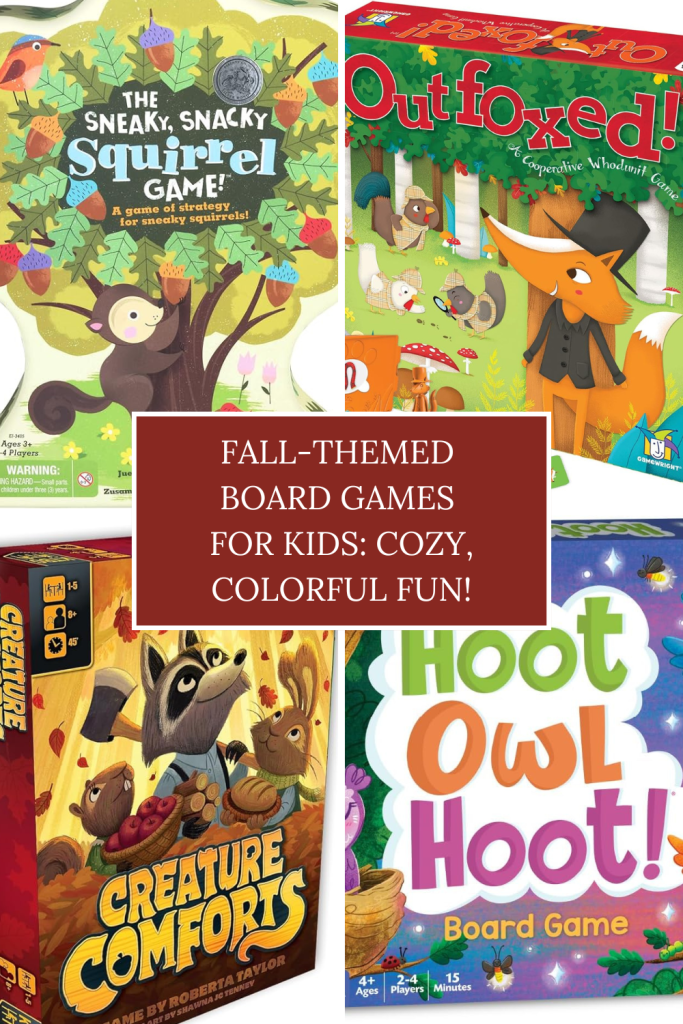
Fall-Themed Board Games for Kids: Cozy, Colorful Fun for Little Gamers

As the leaves crunch underfoot and the scent of cinnamon fills the air, fall is the perfect time to trade screen time for family game time. Whether it’s a rainy afternoon or a post-pumpkin-patch wind-down, fall-themed board games are a great way to keep kids entertained, engaged, and learning — all while celebrating the magic of the season.

From woodland creatures to apple harvests, here are our favorite fall-themed board games just for kids — full of cozy vibes, vibrant colors, and age-appropriate fun!

1. Outfoxed!
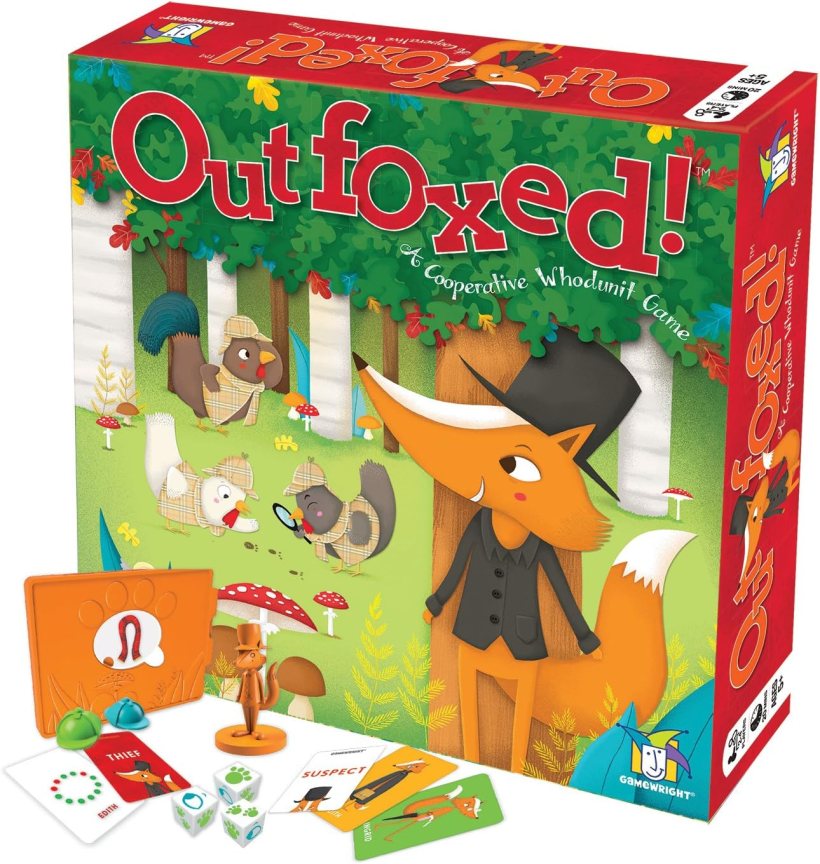
Ages: 5+ | Players: 2–4 | Play Time: 20–30 minutes

In this cooperative detective game, players work together to find out which sneaky fox stole a pie! Using dice, deduction, and a clever clue-revealing gadget, kids solve the mystery before the fox escapes.

Why it’s great for fall: Wholesome woodland characters, cozy pies, and teamwork-focused fun make this perfect for autumn play.

2. Sneaky Snacky Squirrel Game
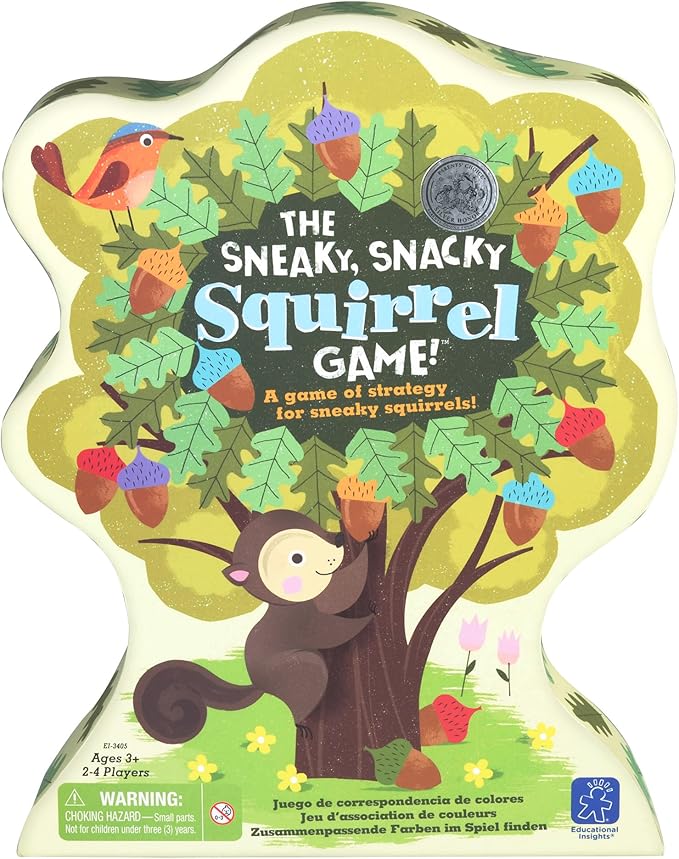
Ages: 3+ | Players: 2–4 | Play Time: 15–20 minutes

This adorable game has kids spin to collect colorful acorns and use a “squirrel squeezer” to place them in their tree stump. It’s simple, fast, and fantastic for fine motor skills and color recognition.

Why it’s great for fall: A forest setting, acorn collection, and fuzzy critters make it a seasonal staple for preschoolers.

3. Hoot Owl Hoot!
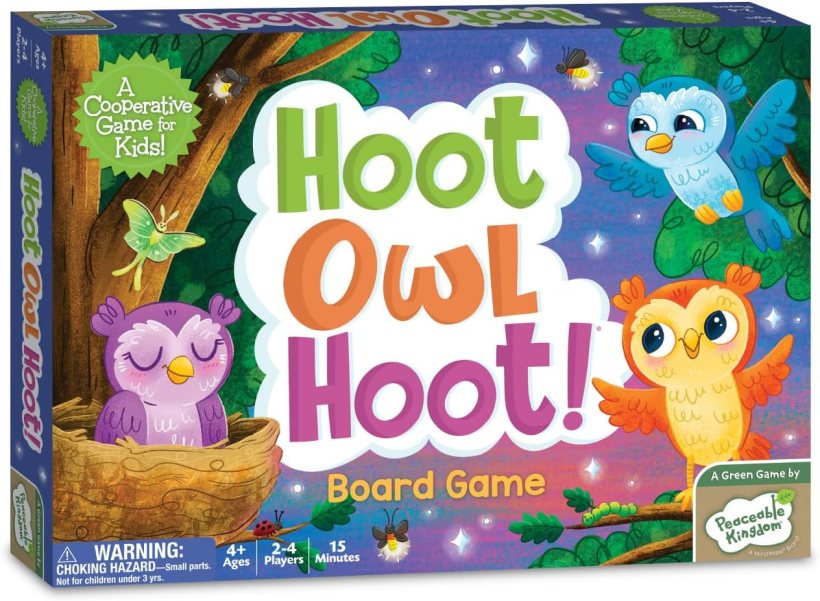
Ages: 4+ | Players: 2–4 | Play Time: 15–20 minutes

In this cooperative game from Peaceable Kingdom, kids work together to help little owls get back to their nest before the sun rises. It’s color-based, simple to learn, and stress-free — perfect for young learners.

Why it’s great for fall: Owls, nighttime forest settings, and a teamwork vibe make it ideal for autumn evenings.

4. Harvest Time

Ages: 3+ | Players: 1–6 | Play Time: 15-20 minutes

Players work together to gather fruits and vegetables from their gardens before the first frost arrives. Each turn brings a chance to harvest or a snowflake that moves winter closer. Everyone wins or loses as a team, making it perfect for younger kids and cooperative play.

Why it’s great for fall: Capturing the spirit of autumn with its focus on gathering crops before winter. It’s a cozy, seasonal game that fits beautifully into fall family nights or classroom activities, reinforcing themes of teamwork, nature, and seasonal change.

5. First Orchard (HABA)
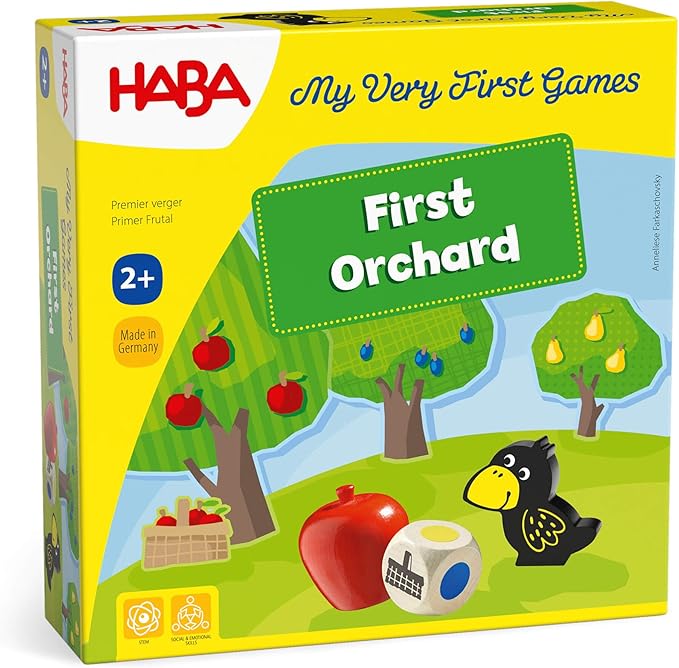
Ages: 2+ | Players: 1–4 | Play Time: 10–15 minutes

Perfect for toddlers and preschoolers, this simplified cooperative game lets players pick fruit before the pesky raven reaches the orchard. It encourages counting, teamwork, and early game-playing skills.

Why it’s great for fall: Bright fruit colors, wooden pieces, and a gentle harvest theme make it a great pick for littlest gamers.

6. Creature Comforts
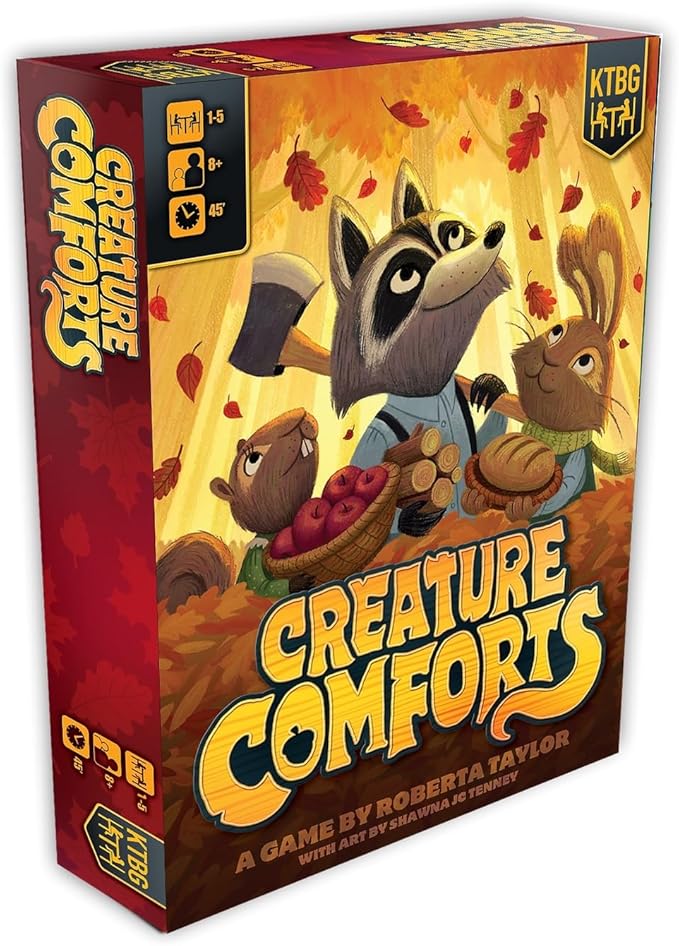
Ages: 8+ | Players: 1–5 | Play Time: 45-60 minutes

Players are woodland animals gathering resources and crafting cozy items to prepare for winter. Each round, you plan actions using dice and send your critters to the forest, meadow, or workshop to collect materials and create comforts like quilts and rocking chairs. It’s a warm, family-friendly game with light strategy and charming artwork.

Why it’s great for fall: With its woodland setting, focus on preparing for winter, and emphasis on coziness, Creature Comforts perfectly reflects the spirit of fall. It’s an ideal game for crisp evenings and family time, bringing autumn vibes right to the table.

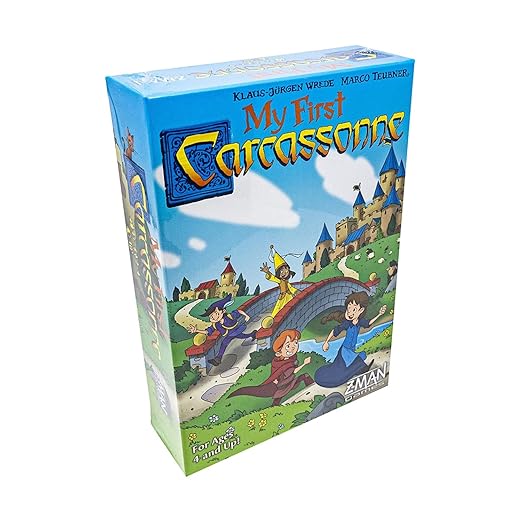
7. My First Carcassonne
Ages: 4+ | Players: 2–4 | Play Time: 20–30 minutes

This simplified version of the classic tile-laying game is great for little ones. Players build roads and place figures in a pastoral village landscape — think barns, animals, and winding country paths.

Why it’s great for fall: The rural setting and storybook-style artwork make it a lovely pick for the season.

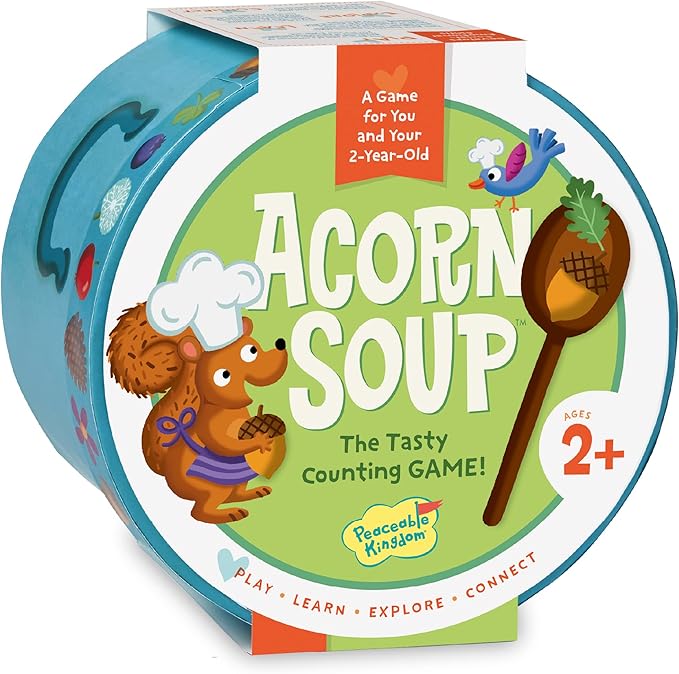
8. Acorn Soup (by Peaceable Kingdom)
Ages: 2+ | Players: 1+ | Play Time: 10–15 minutes

Designed for toddlers, Acorn Soup invites little ones to help a friendly squirrel make different “soups” using chunky wooden ingredients and recipe cards. Kids follow simple instructions, stir pretend soups, and practice early counting and matching skills.

Why it’s great for fall: Woodland animals, acorns, and the cozy theme of making warm soup — this game is fall comfort in a box for the tiniest players.

Bonus: Make-Your-Own Fall Board Game!

Grab some construction paper, stickers, and dice to create a homemade fall-themed board game. Have kids draw pumpkins, leaves, animals, or apples — then make cards that say things like “Rake the leaves – Move ahead 2 spaces!” or “Spilled your cider – Go back 1!”

Why it’s great for fall: It’s creative, low-cost, and gets kids involved in the fun of both playing and making.

Final Thoughts

Fall is a time of gathering, gratitude, and play. These kid-friendly board games are a wonderful way to bring the season indoors — with colorful leaves, forest creatures, and the joy of spending time together. Whether you’re hosting a game night after a day of apple picking or just want a peaceful indoor activity on a chilly day, these games offer both fun and family connection.

So grab a soft blanket, pour the apple cider, and let the games begin!

Cozy Up with These Fall-Themed Family-Friendly Video Games!

As the leaves turn golden and the air gets crisp, there’s something magical about fall. It’s a season made for warm drinks, fuzzy socks, and quiet moments together—and what better way to enjoy those moments than with a video game that captures the spirit of autumn?

Whether you’re cuddling up for a cozy family night or looking for screen-time that celebrates the season, these fall-themed video games offer gentle gameplay, cozy settings, and just the right amount of challenge for kids and grown-ups alike.

Here are our favorite family-friendly fall games that bring all the pumpkin-spiced vibes—without stepping on a single crunchy leaf.

1. Animal Crossing: New Horizons

System: Nintendo Switch
Ages: 5+
Why it’s great:
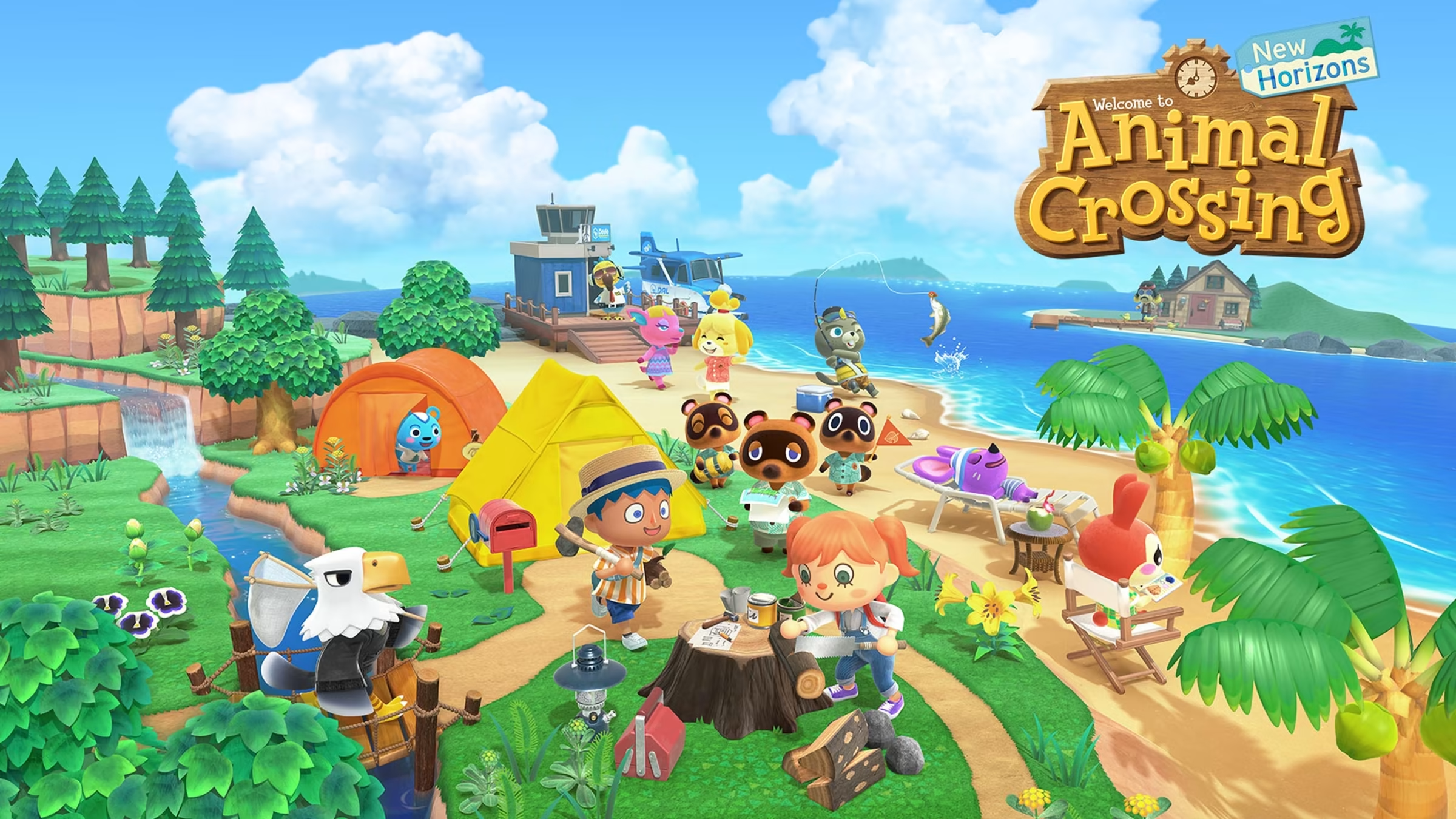
This beloved life-simulation game is at its coziest in the fall. Harvest pumpkins, craft seasonal DIYs, rake leaves, and celebrate Halloween and Thanksgiving-style events. No rush, no pressure—just peaceful island life.

Fall feature: The whole month of October includes spooky decorations, costumes, and candy collecting.

2. Stardew Valley

System: PC, Switch, PlayStation, Xbox, Mobile
Ages: 10+
Why it’s great:
Farm, fish, mine, and make friends in this wholesome, open-ended farming game. Each in-game season brings its own charm, and fall is especially lovely with its deep colors, harvest festivals, and cozy atmosphere.

Perfect for: Kids who love creativity and parents who love peaceful gameplay.

3. A Short Hike

System: Switch, PC, PlayStation, Xbox
Ages: 8+
Why it’s great:
This bite-sized adventure game follows a young bird hiking through autumn-colored forests to reach a mountain summit. It’s relaxing, heartwarming, and full of small, joyful moments.

Fall vibes: The music, colors, and gentle exploration feel like a walk through a quiet forest on a cool day.

4. Luigi’s Mansion 3

System: Nintendo Switch
Ages: 7+
Why it’s great:
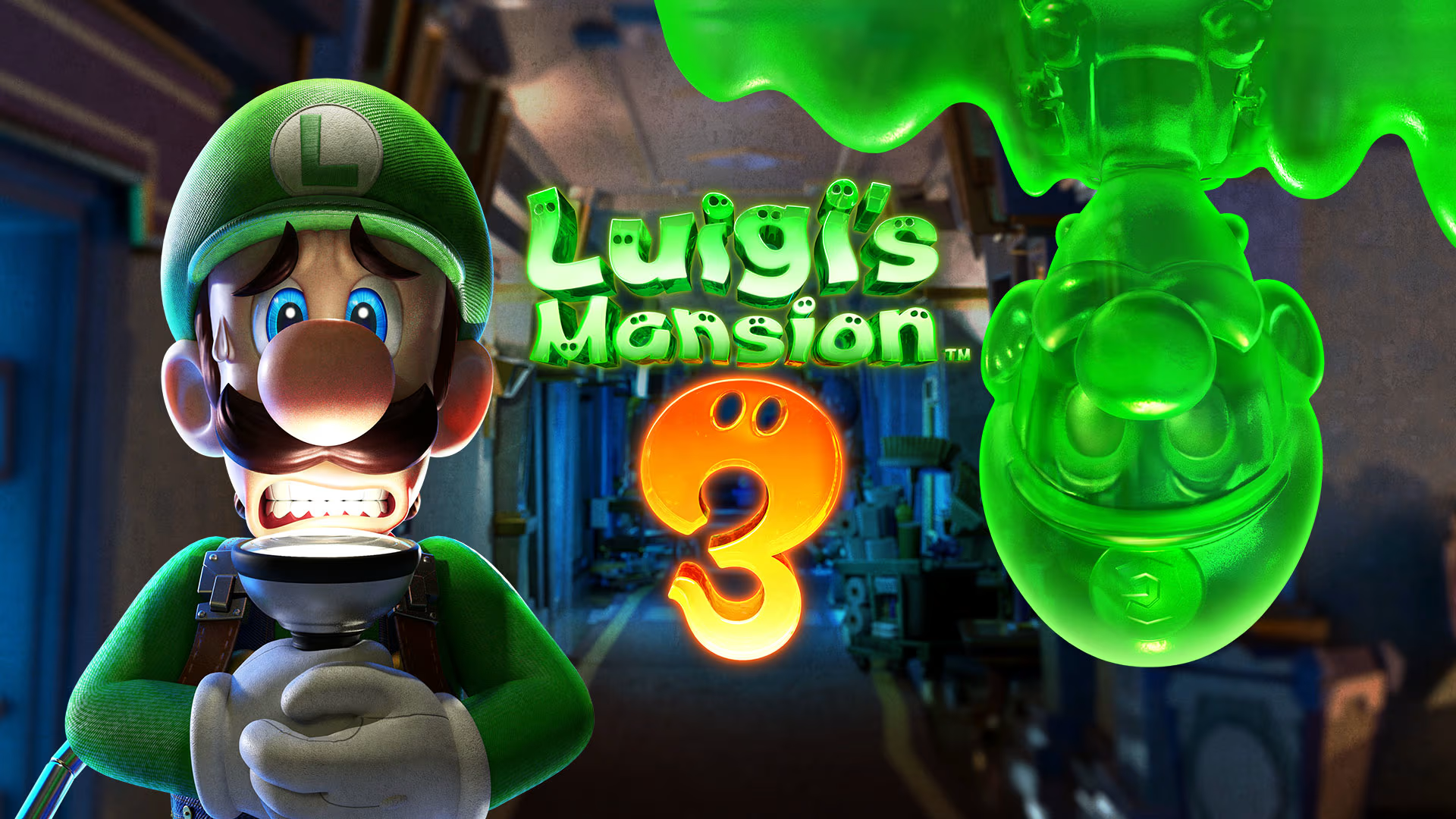
What’s fall without a little spooky fun? In this light-hearted ghost-hunting game, Luigi explores a haunted hotel to rescue his friends. It’s funny, clever, and packed with puzzles perfect for family teamwork.

Not-too-scary factor: Silly ghosts and cartoon-style humor make it fun, not frightening.

5. Cozy Grove

System: Switch, PC, PlayStation, Xbox, Mobile
Ages: 10+
Why it’s great:
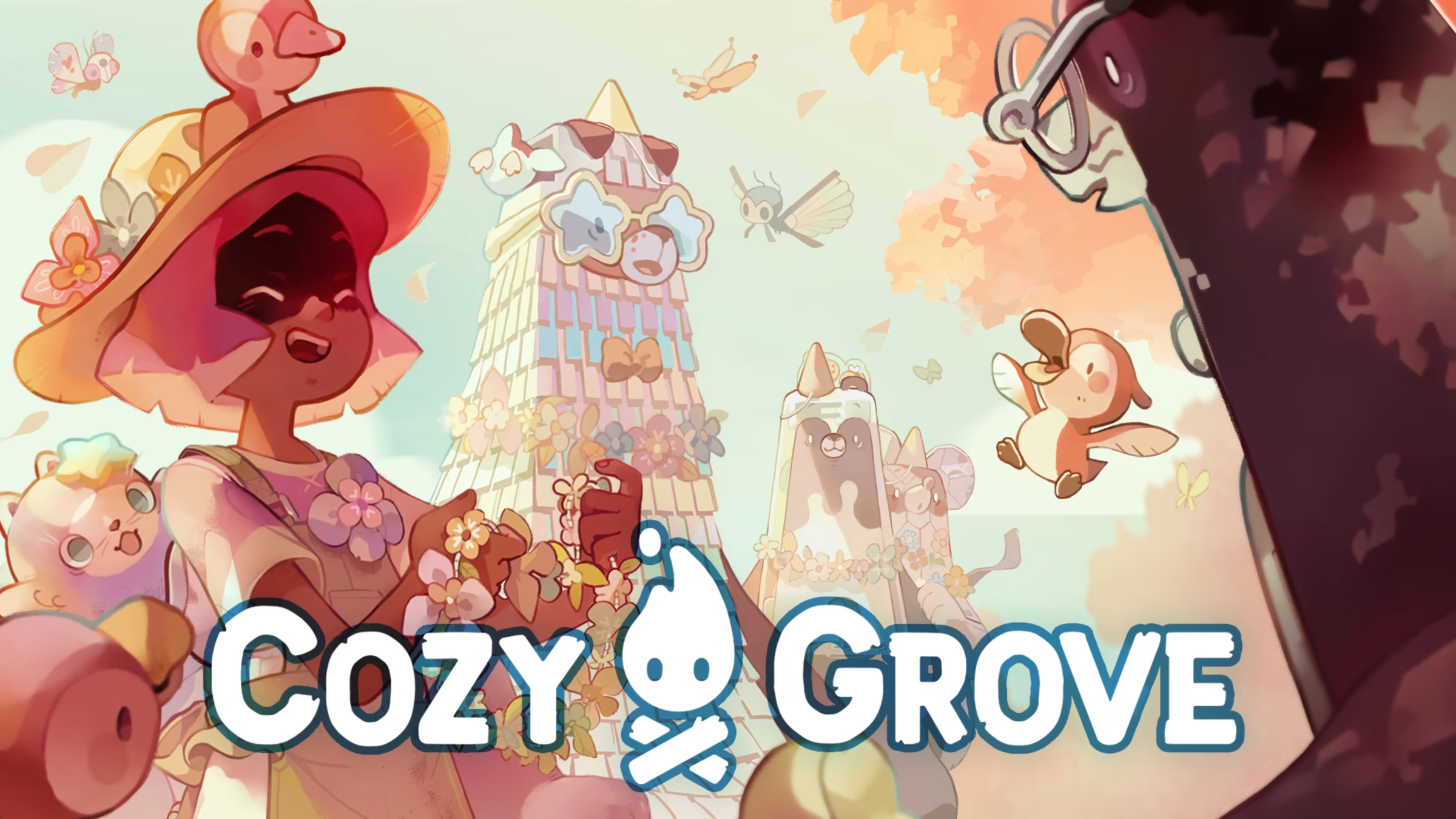
A spiritual cousin to Animal Crossing, this game places you on a haunted—but heartwarming—island where you help ghostly creatures find peace. The hand-drawn art and seasonal changes make fall especially beautiful.

Why it’s cozy: It encourages daily play in short bursts, with gentle music and calming tasks.

6. Yoshi’s Crafted World

System: Nintendo Switch
Ages: 5+
Why it’s great:
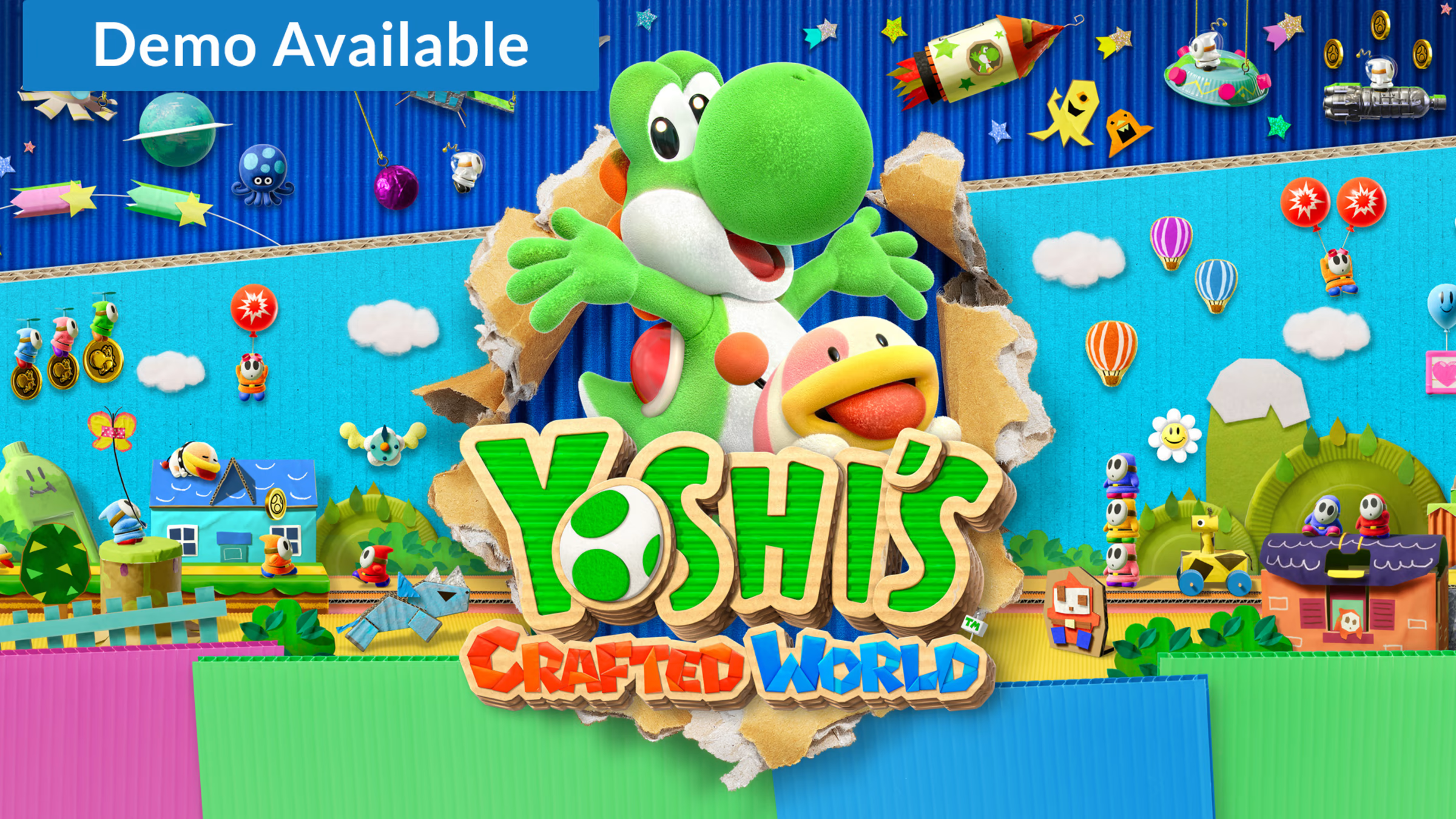
Not fall-specific, but its warm, earthy visuals and handcrafted environments give off major autumn vibes. Kids will love guiding Yoshi through cardboard forests, yarn-wrapped hills, and paper-leaf paths.

Great for co-op: Two players can team up for extra fun and less frustration.

7. Spiritfarer

System: Switch, PC, PlayStation, Xbox
Ages: 10+
Why it’s great:
A beautiful and thoughtful game about helping spirits move on—while farming, cooking, and exploring in a world that often feels like eternal fall. It’s touching, gentle, and a great conversation starter for older kids.

Warning: While very peaceful, the game touches on deeper themes like loss and letting go—best for tweens and up.

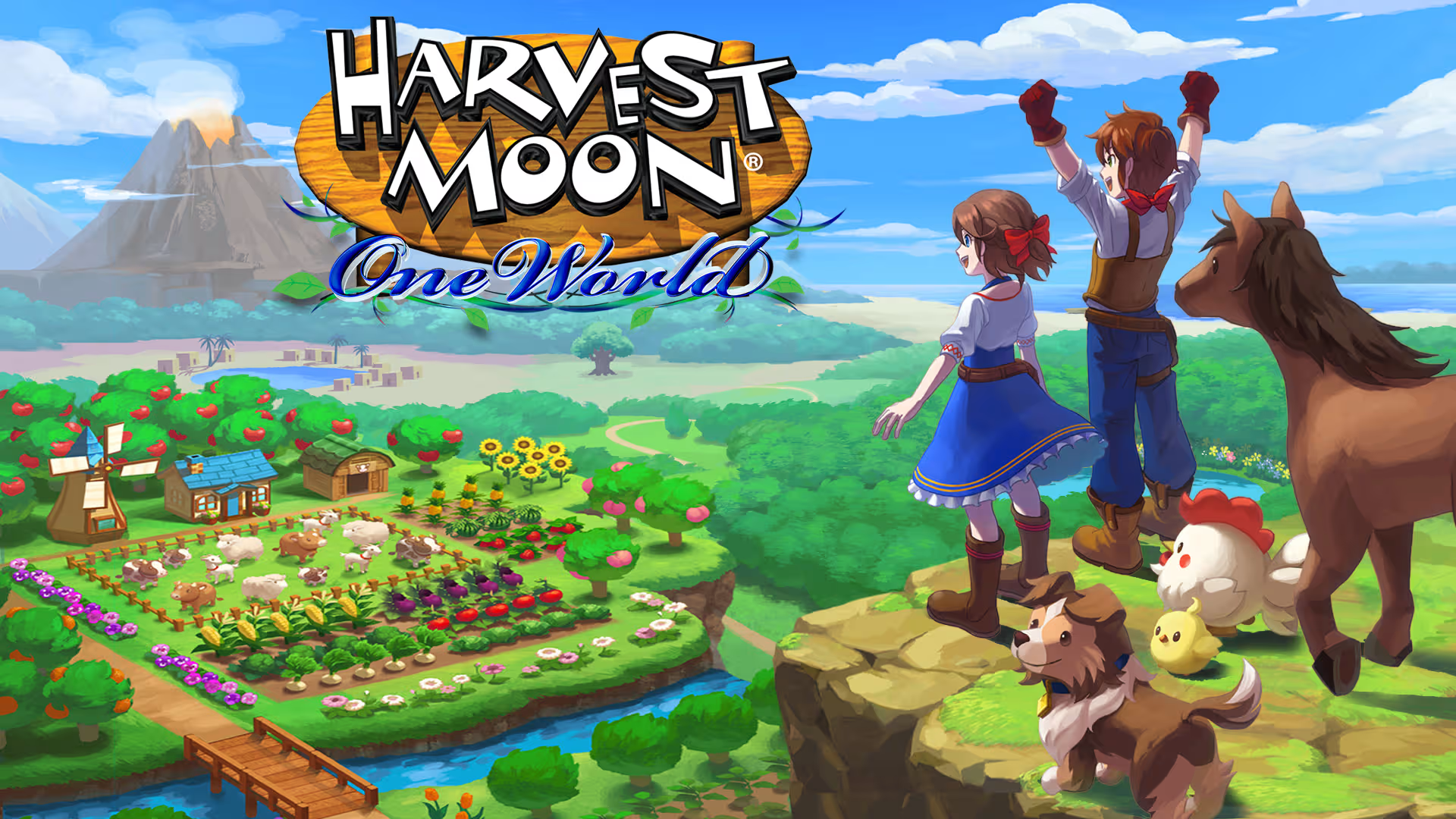
8. Harvest Moon: One World

System: Switch, PlayStation, Xbox
Ages: 7+
Why it’s great:
This farming simulator has you traveling through various climates and regions, including autumn-inspired landscapes. Kids can grow crops, raise animals, and explore a vibrant, friendly world.

Classic appeal: Fans of older Harvest Moon games will love the return to familiar rhythms.

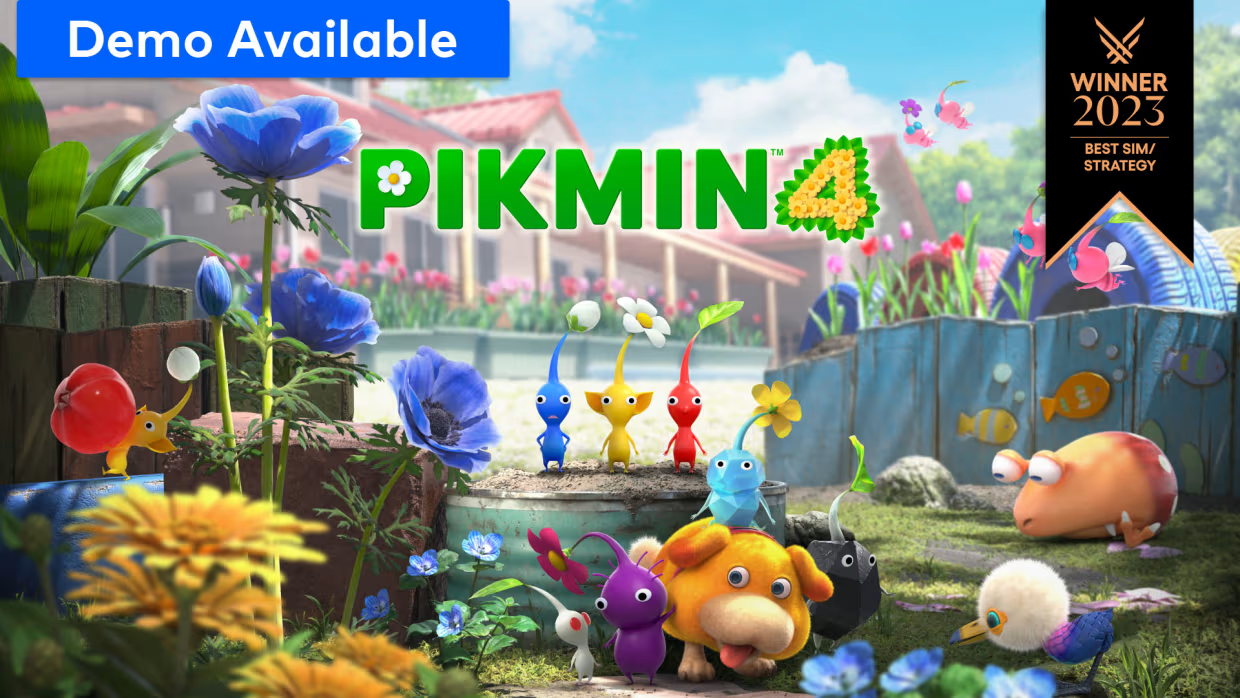
9. Pikmin 4

System: Nintendo Switch
Ages: 7+
Why it’s great:
Explore earthy, garden-like worlds full of leaves, acorns, and natural treasures. Pikmin games blend strategy and adventure, and the latest version includes easier controls and adorable helpers.

Fall feeling: The nature-based setting, changing light, and organic textures make it feel like autumn in motion.

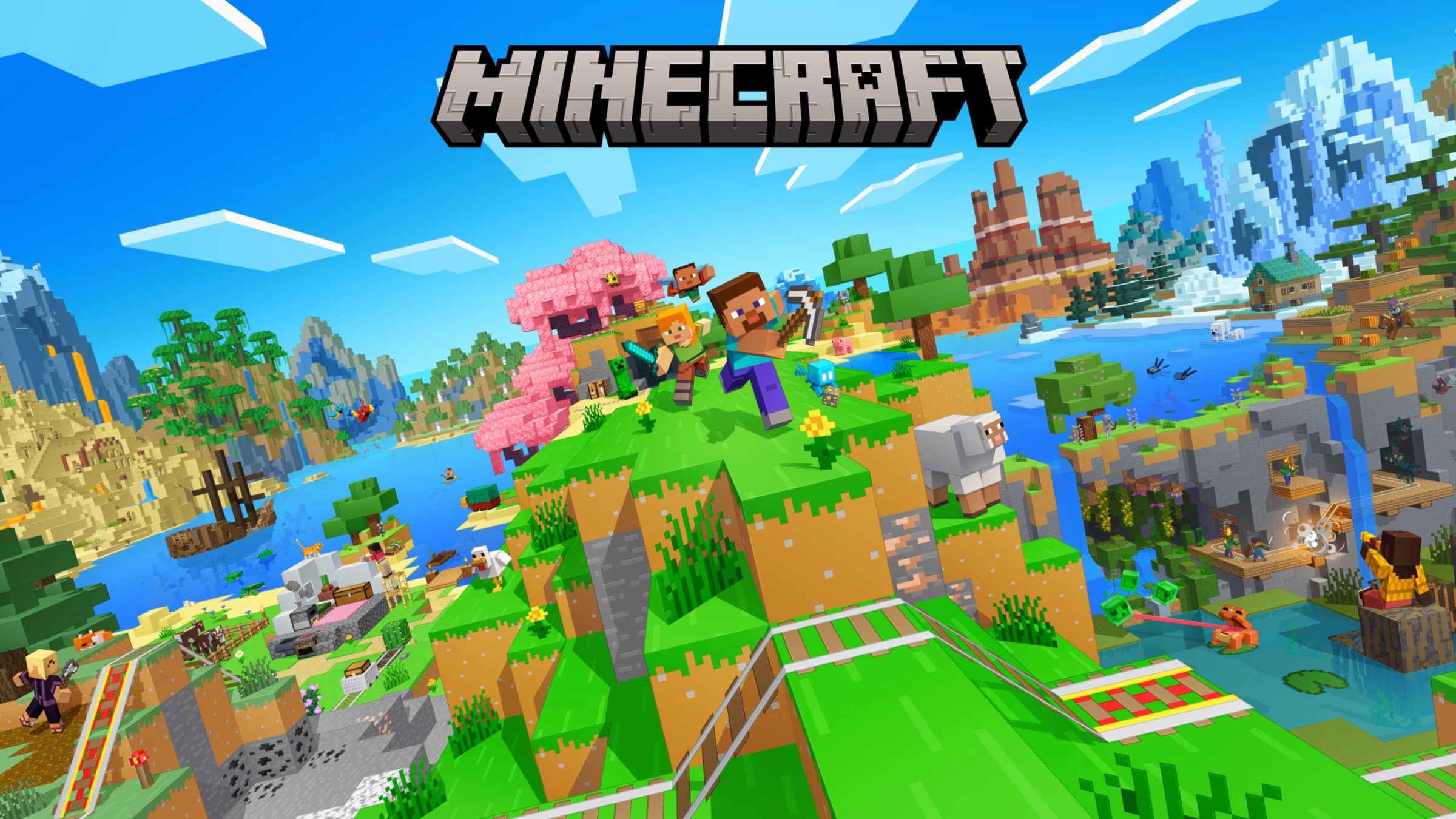
10. Minecraft (with Fall or Nature Mods/Packs)

System: All major platforms
Ages: 6+
Why it’s great:
With endless customization, Minecraft becomes the ultimate fall game when you add seasonal texture packs or explore autumn-themed maps. Build pumpkin patches, haunted houses, or cozy cabins together as a family.

Idea: Set up a family “fall build challenge” with themes like campfires, forests, or corn mazes!

Final Thoughts

Fall is about slowing down, getting cozy, and enjoying the simple joys of the season—and these video games capture that spirit beautifully. Whether you’re farming pumpkins, solving puzzles in a spooky mansion, or simply exploring a golden forest, these games offer more than entertainment—they offer connection.

So grab a blanket, sip some cider, and start a new fall family tradition—with a controller in hand and autumn in the air.

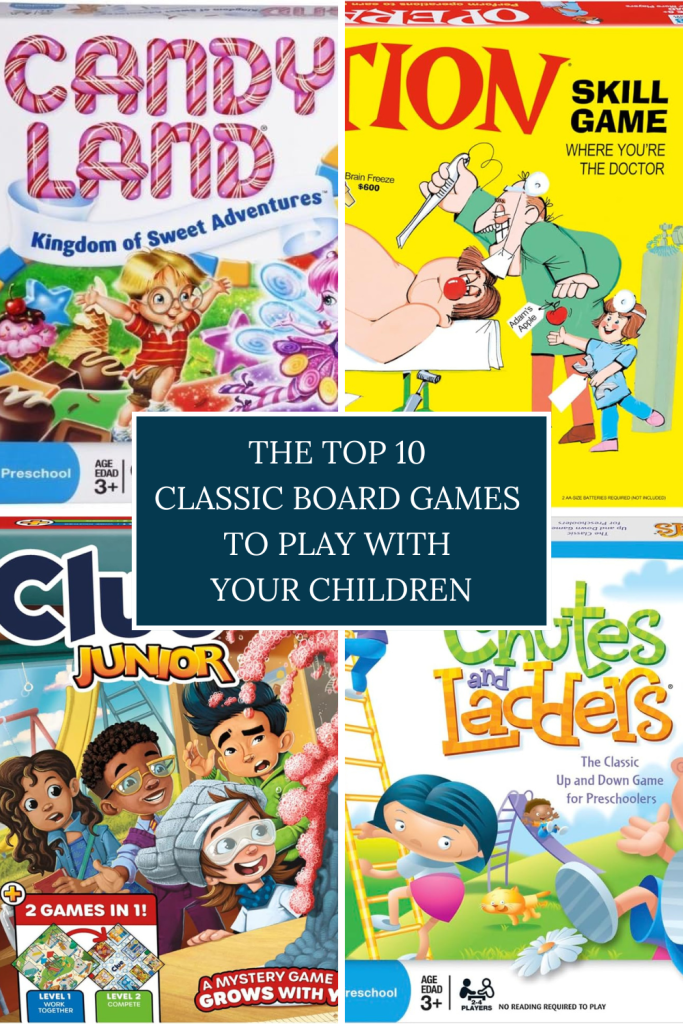
Top 10 Classic Board Games to Play with your Children

In a world full of flashy apps and video games, sometimes the best family memories come from sitting around the kitchen table with a good old-fashioned board game. Classic board games stand the test of time because they’re easy to learn, fun to play, and perfect for bringing families together.

Whether you’re introducing your kids to your childhood favorites or just looking for screen-free fun, here are 10 classic board games that are still a hit with children of all ages.

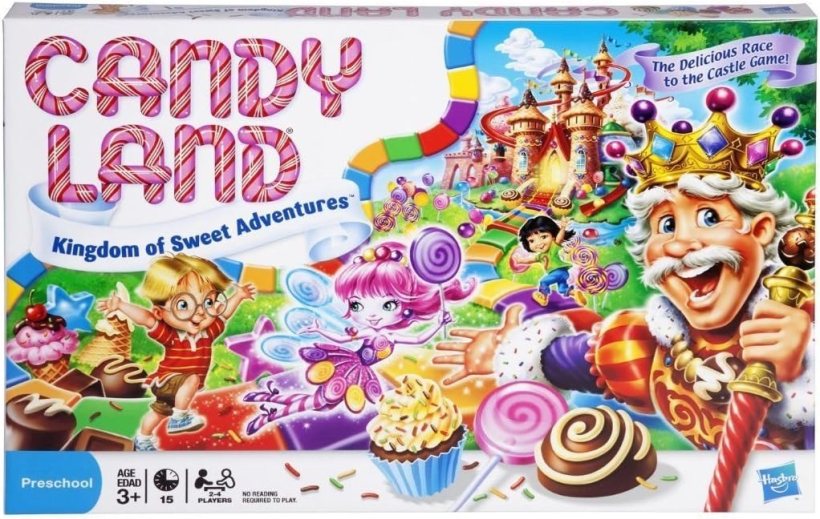
1. Candy Land

Best for ages: 3–6
Why it’s a classic:
This colorful, simple race-to-the-finish game introduces young kids to turn-taking, color recognition, and patience. No reading required—just a sweet adventure through Gumdrop Mountains and Lollipop Woods.

Why kids love it: It feels like stepping into a storybook made of candy.

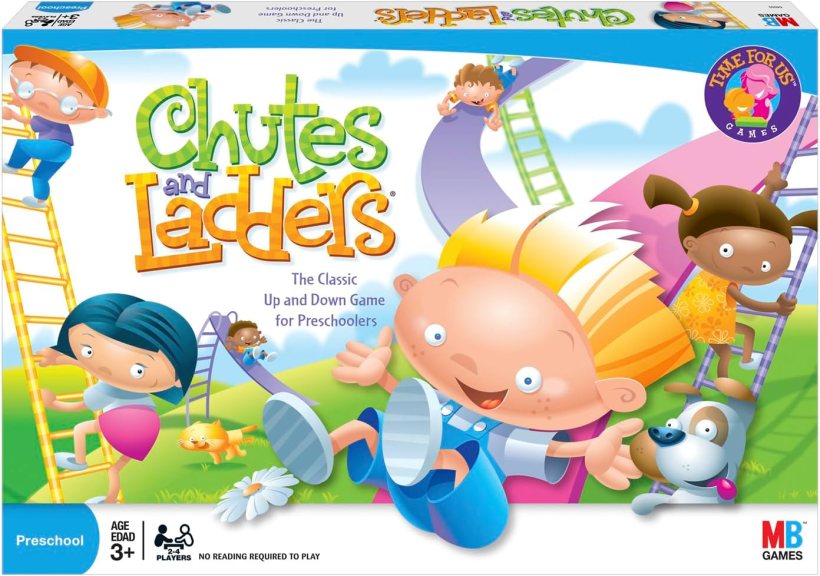
2. Chutes and Ladders

Best for ages: 4–7
Why it’s a classic:
A simple game of ups and downs that teaches kids cause and effect—good deeds send you up ladders, poor choices send you down chutes.

Life lesson alert: It’s a playful intro to consequences and resilience.

3. Guess Who?

Best for ages: 5–10
Why it’s a classic:
A two-player deduction game where you guess your opponent’s mystery character by asking yes-or-no questions.

Bonus: Teaches kids to observe details, ask smart questions, and think logically.

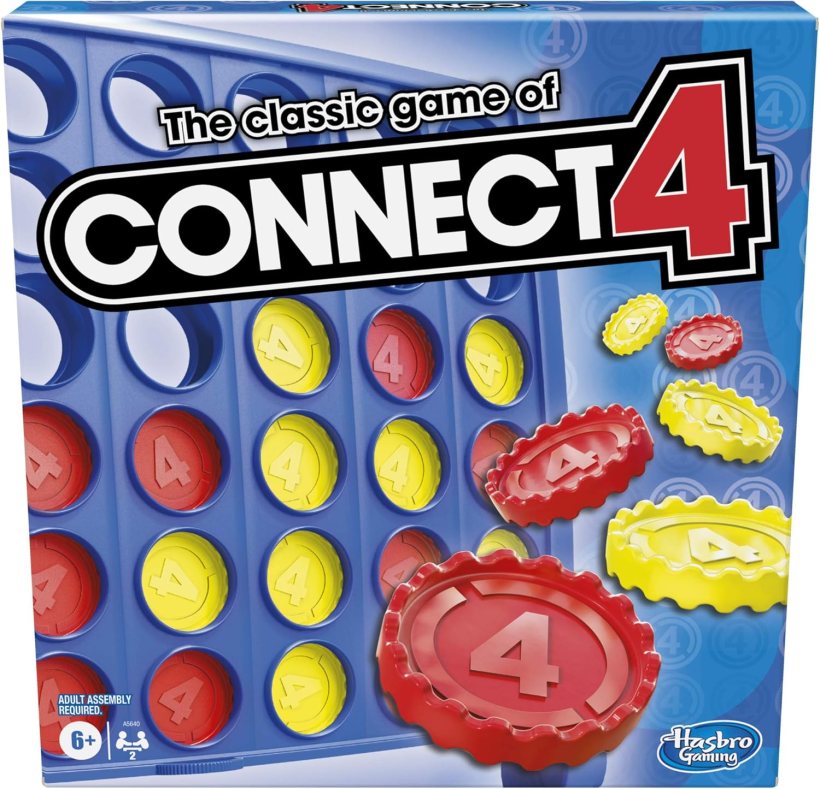
4. Connect Four

Best for ages: 6+
Why it’s a classic:
Easy to learn, hard to master. Drop colored discs into a grid and try to get four in a row. It’s fast, fun, and sneakily strategic.

Why parents love it: It builds problem-solving and planning skills.

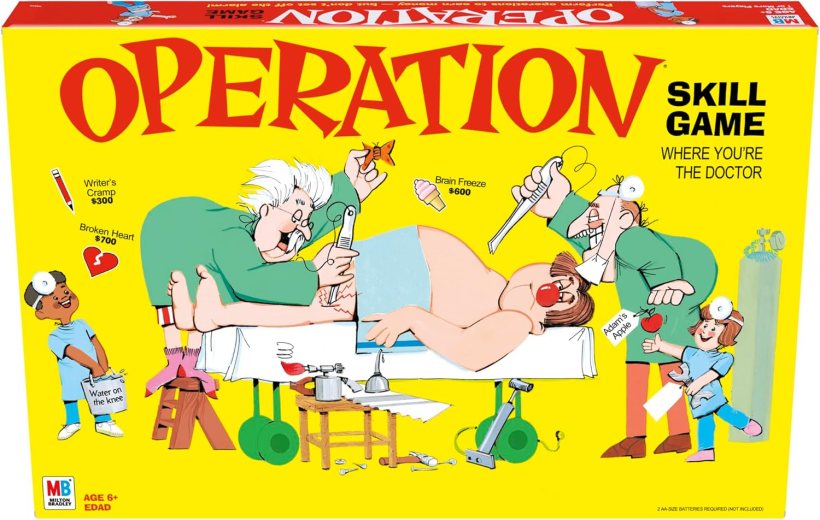
5. Operation

Best for ages: 6–10
Why it’s a classic:
In this buzzy, silly game of precision, kids remove tiny plastic “organs” from a patient without touching the edges. One wrong move and—BUZZ!

Great for: Hand-eye coordination, fine motor skills, and loads of laughter.

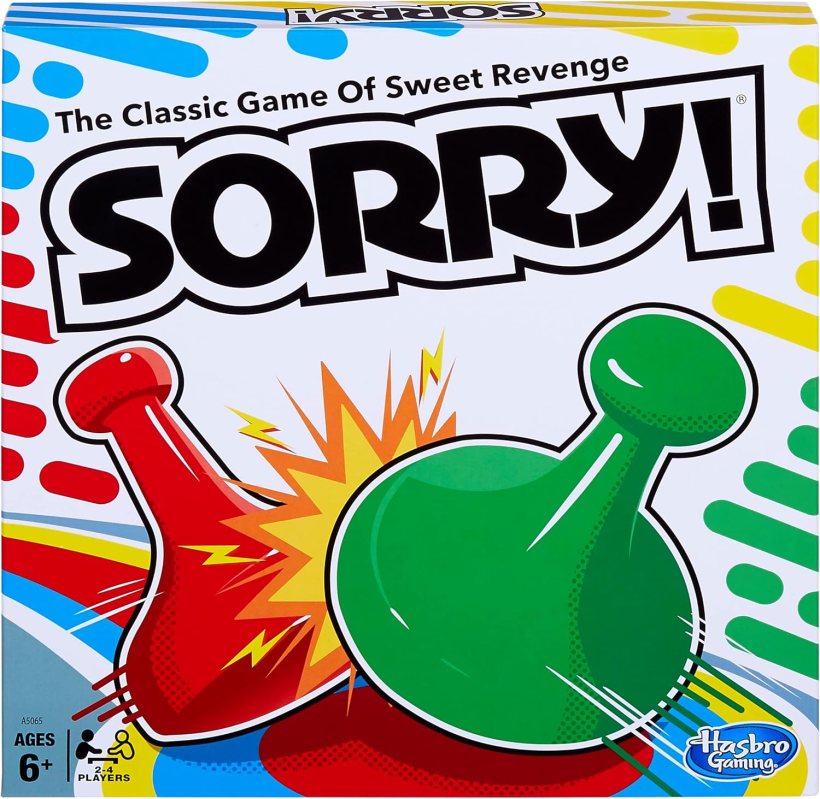
6. Sorry!

Best for ages: 6+
Why it’s a classic:
A colorful game of luck and strategy where players race to get their pawns home—while sending opponents back to the start with a mischievous “Sorry!”

Why kids love it: Knocking someone back to start never gets old.

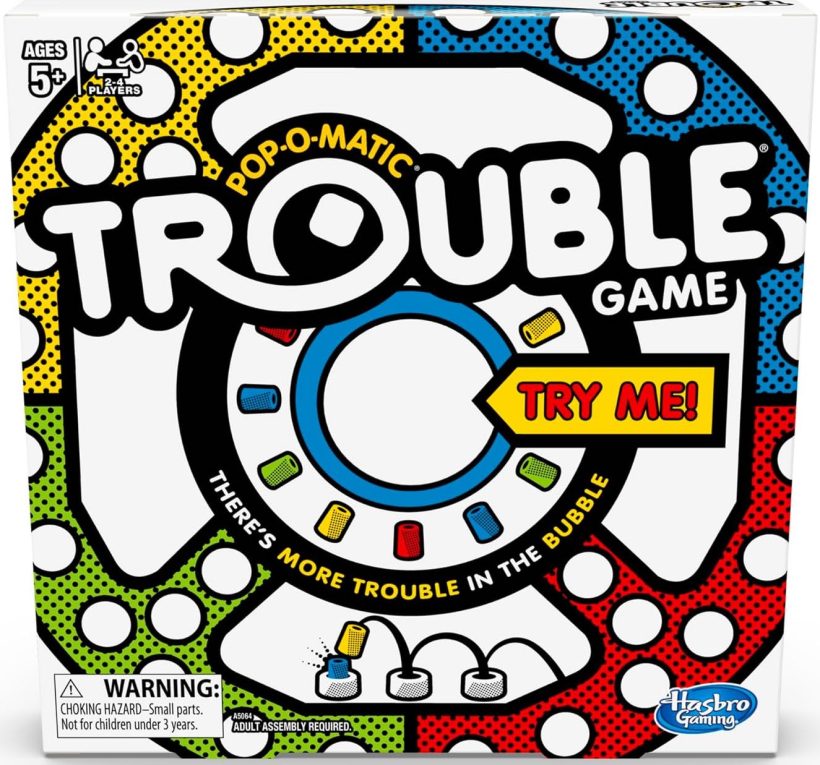
7. Trouble

Best for ages: 5+
Why it’s a classic:
Featuring the iconic “Pop-O-Matic” dice bubble, this fast-paced game is similar to Sorry!, but with satisfying pops and quick moves.

Sensory win: That dice popper is pure joy for little hands.

8. The Game of Life

Best for ages: 8+
Why it’s a classic:
Drive your tiny car through a winding road of choices—school, job, kids, vacations—and see where “life” takes you.

Great for older kids: Introduces basic decision-making and money concepts in a fun, imaginative way.

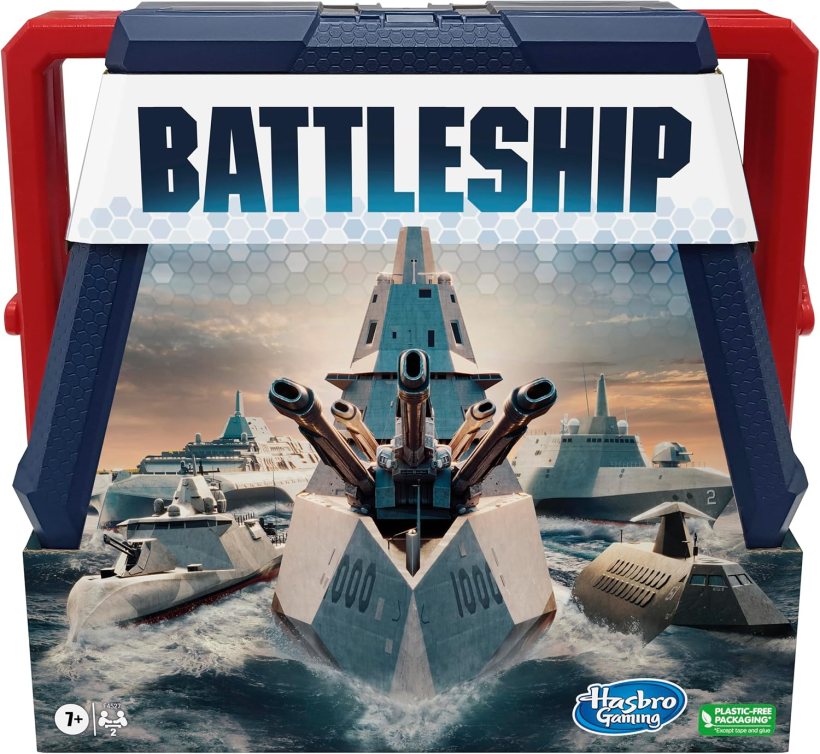
9. Battleship

Best for ages: 7+
Why it’s a classic:
A fun two-player guessing game of naval warfare. Try to sink your opponent’s ships by calling out coordinates and listening for that satisfying, “You sunk my battleship!”

Why it sticks: Combines logic, memory, and strategy with a touch of drama.

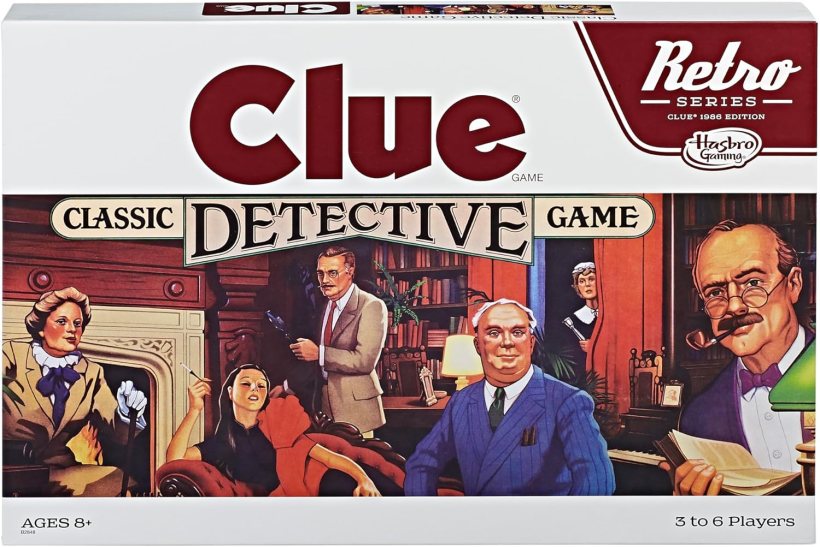
10. Clue (Junior or Classic)

Best for ages: 6+ (Junior), 8+ (Classic)
Why it’s a classic:
Solve the mystery of who did it, with what, and where! The Junior version simplifies gameplay, while the original offers deeper deduction for older kids.

Bonus: Encourages critical thinking and discussion. It’s like a detective story you play.

Final Thoughts

Classic board games are more than just play—they’re lessons in patience, sportsmanship, strategy, and communication. And best of all, they’re an opportunity to slow down, unplug, and enjoy real connection.

So dust off those game boxes, clear off the kitchen table, and dive into some timeless fun with your kids. You might even rediscover your own favorite along the way.

Top 10 Classic Video Games to Play with Your Children

Video games aren’t just for solo players or high-score chasers—they can also be a great way to connect across generations. Whether you grew up blowing into cartridges or hearing the dial-up modem whir, sharing classic video games with your kids is a fun way to relive your own childhood while introducing them to the roots of modern gaming.

These 10 classic video games are not only iconic, but also kid-friendly, easy to pick up, and packed with timeless fun. Grab a controller, sit side by side, and get ready for some epic family game time.

1. Super Mario Bros. (NES/SNES, Switch Online)

Ages: 5+
Why it’s great: It’s the game that defined platforming—and it’s still incredibly fun. Simple to learn, but challenging to master, Super Mario Bros. is perfect for young kids just learning the ropes, and parents who want a hit of pure nostalgia.

Pro tip: Try Super Mario Bros. 3 or Super Mario World for more variety and two-player fun.

2. Sonic the Hedgehog (Genesis, Switch, iOS)

Ages: 6+
Why it’s great: Fast, colorful, and bursting with energy, Sonic is great for kids who love quick action and bright visuals. Plus, you can take turns or play co-op in later titles like Sonic 2.

Fun fact: Sonic’s speed makes it especially fun for younger kids who like constant movement.

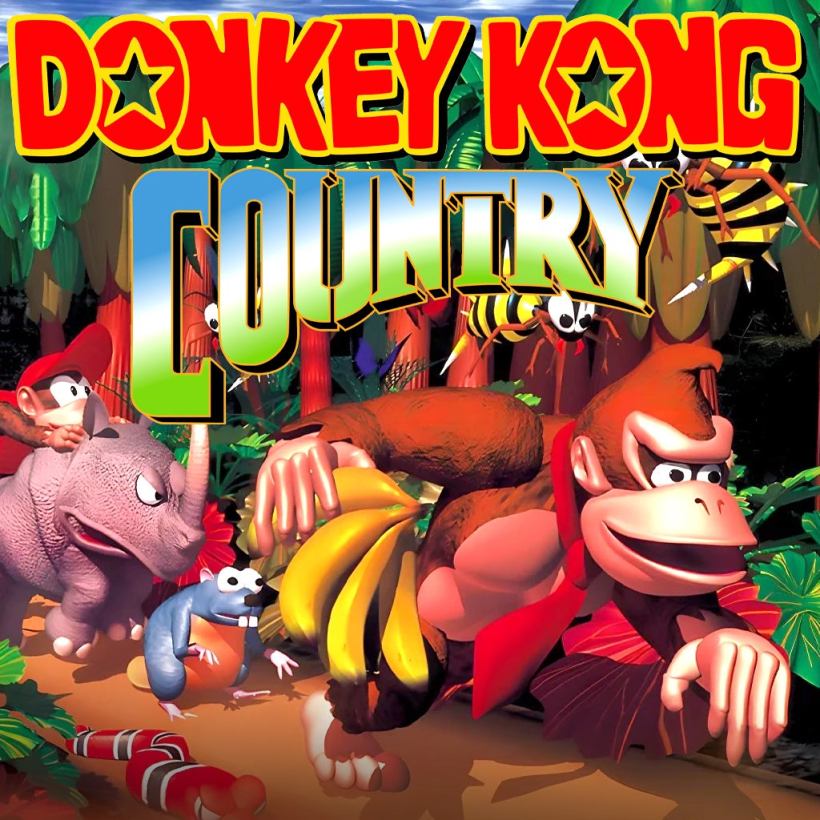
3. Donkey Kong Country (SNES, Switch Online)

Ages: 7+
Why it’s great: This beautifully animated side-scroller has aged incredibly well. With tag-team play between Donkey and Diddy Kong, it’s perfect for cooperative gameplay and sharing turns.

Bonus: The soundtrack is legendary—seriously, give it a listen even if you’re not playing!

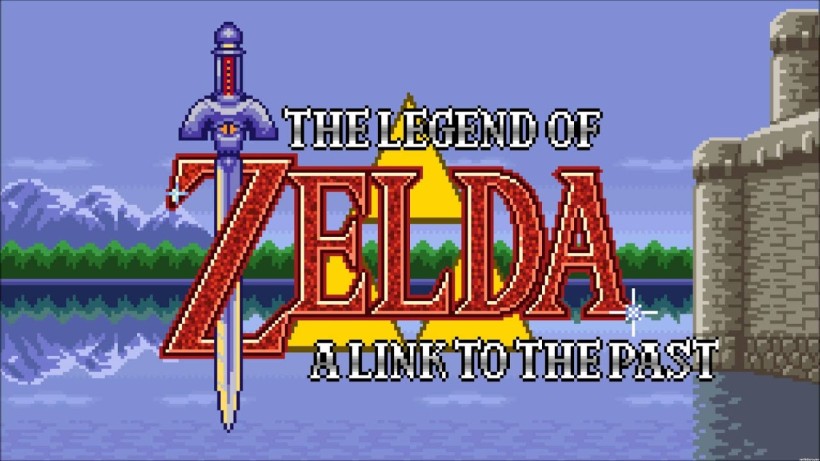
4. The Legend of Zelda: A Link to the Past (SNES, Switch Online)

Ages: 8+
Why it’s great: Introduce your kids to the world of puzzles, dungeons, and sword-swinging adventure. A Link to the Past is a perfect starting point for the Zelda series, and playing through it together can feel like reading a great fantasy book.

Family idea: Take turns solving puzzles or navigating dungeons—it’s a great team challenge.

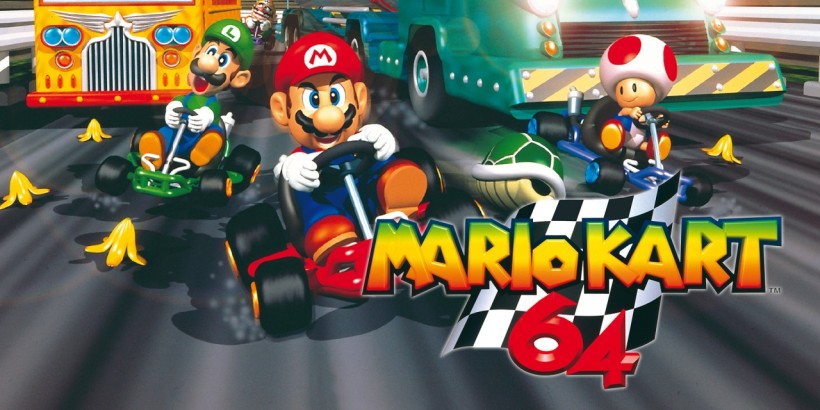
5. Mario Kart 64 (N64, Switch Online Expansion Pack)

Ages: 5+
Why it’s great: Few games spark as much joy and chaos as Mario Kart. The 64 version is packed with classic tracks and couch co-op fun. It’s easy enough for young players but competitive enough for parents to enjoy too.

Warning: May cause uncontrollable laughter and mild banana-related frustration.

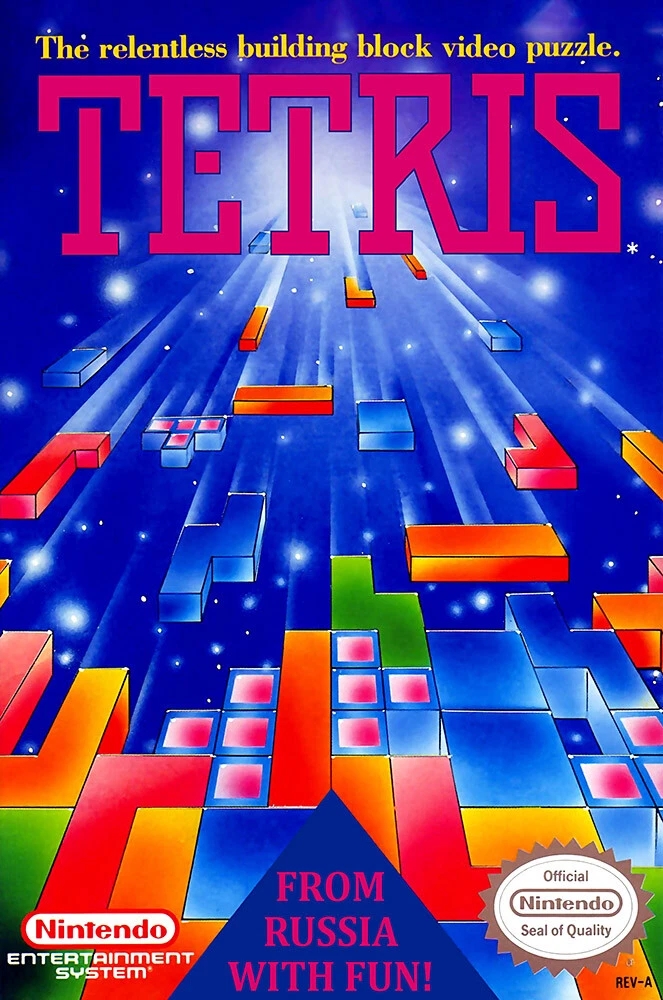
6. Tetris (NES/Game Boy, Switch Online)

Ages: 6+
Why it’s great: A puzzle game with infinite replayability. Whether you’re playing solo or in head-to-head modes (Tetris 99 is great too), it sharpens spatial reasoning and strategy without fast reflexes.

Educational angle: Helps develop pattern recognition and problem-solving skills.

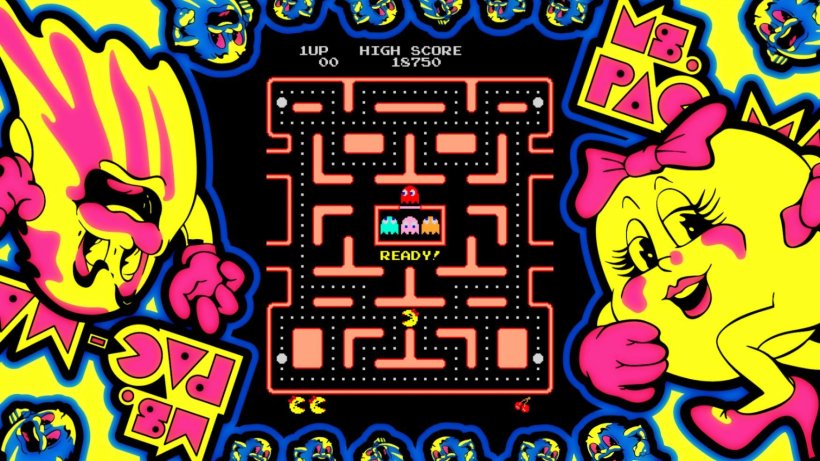
7. Ms. Pac-Man (Arcade, Various Consoles, and Apps)

Ms. Pac-Man (Arcade, Various Consoles, and Apps)
Ages: 4+
Why it’s great: With simple, intuitive mechanics, Ms. Pac-Man offers endless challenge and fun. The goal is just as easy to grasp: eat the dots, avoid the ghosts, but the gameplay is slightly more dynamic and exciting than its predecessor. With random maze layouts and faster-paced action, it keeps players on their toes. Great for quick gaming sessions and taking turns!

Tip: Ms. Pac-Man’s unpredictability makes it a more thrilling choice for those seeking a bit more of a challenge than the original Pac-Man.

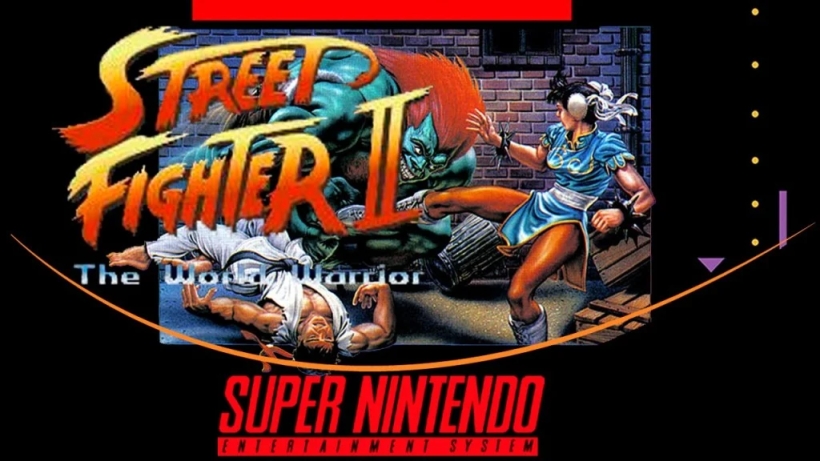
8. Street Fighter II (SNES, Arcade1Up, Switch)

Ages: 10+
Why it’s great: Great for older kids, this classic fighting game is easy to pick up but layered with strategy. Plus, it’s a blast to button mash in two-player mode (just keep it friendly!).

Tip for parents: Turn it into a lesson in digital sportsmanship and fair play.

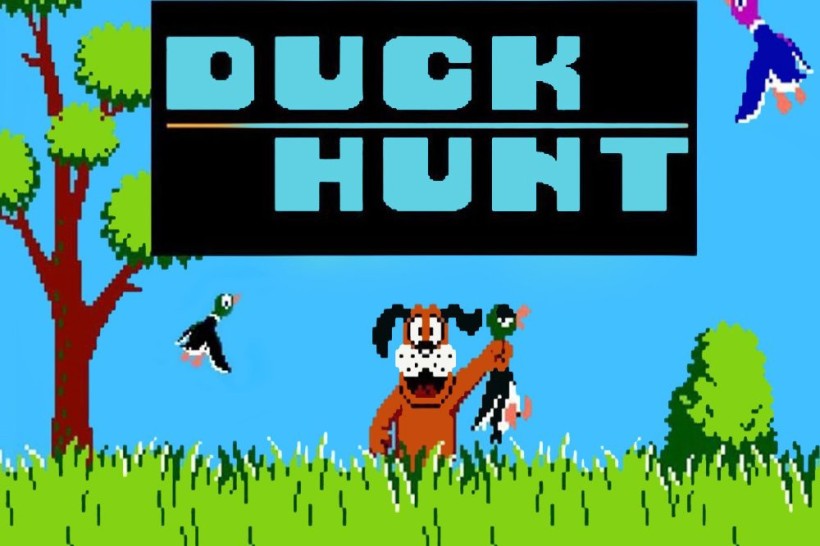
9. Duck Hunt (NES, with CRT TV or emulator)

Ages: 5+
Why it’s great: Simple shooting mechanics and that cheeky dog make Duck Hunt a retro gem. If you have the right setup (or a modern version), it’s a hit with younger kids.

Pro tip: Kids love it when the ducks fly erratically—lots of laughs!

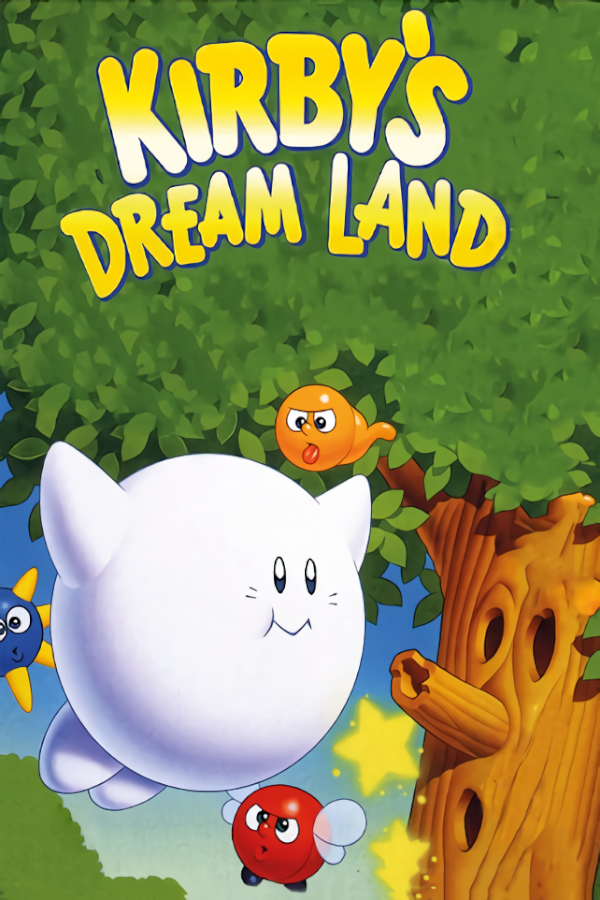
10. Kirby’s Dream Land (Game Boy, Switch Online)

Ages: 4+
Why it’s great: With its adorable design and forgiving gameplay, Kirby’s Dream Land is ideal for beginners. It’s perfect for introducing very young gamers to basic platforming without frustration.

Bonus: Kirby games tend to be short, so they’re great for a quick “gaming snack.”

Final Thoughts

Playing classic video games with your kids isn’t just about hitting high scores—it’s about sharing something you love, laughing at goofy moments, and learning to work (or race) together. These games might be decades old, but their magic still shines.

So dust off that controller, fire up the retro console (or emulator or app), and press “Start” on a family-friendly adventure that bridges generations.

How to Make Family Game Nights a Weekly Routine (That Everyone Looks Forward To)!

In today’s fast-paced world, it’s all too easy for quality family time to slip between schoolwork, chores, and screen time. That’s why family game night is such a game-changer (pun intended). It offers a regular, low-pressure way to connect, laugh, and make memories—without leaving the house or spending a fortune.

But like any good habit, making game night a consistent routine takes a bit of planning and flexibility. Here’s how to make it happen—and how to make it stick.

1. Pick a Night and Stick With It (Mostly)

Consistency is key. Choose a night that works for everyone and pencil it in like any other appointment. Friday or Sunday evenings work well for many families, but even a Monday night wind-down can work—just make it your own.

Pro tip: Call it something fun like “Friday Night Family Face-Off” or “Sunday Game Night Showdown” to build excitement.

2. Keep It Low-Key and Low-Stress

Family game night doesn’t have to be fancy. Turn off the devices, clear the table, and pull out a favorite game or two. The point is togetherness—not perfection.

Optional bonus: Pair it with pizza or snacks to make it feel special without a lot of prep.

3. Let Everyone Take Turns Choosing the Game

Rotating who gets to pick the game helps kids feel ownership and ensures variety. It also gives everyone a chance to play their favorite type of game—whether it’s silly, strategic, or cooperative.

Tip for fairness: Create a simple “game night picker” wheel or draw names from a jar.

4. Mix It Up With Different Types of Games

Keep things fresh with a mix of:

  • Quick games for busy nights (Uno, Spot It, Zingo)
  • Strategy games for older kids (Ticket to Ride, Catan Junior)
  • Cooperative games that encourage teamwork (Outfoxed!, Hoot Owl Hoot!)
  • Party-style games for lots of laughter (Charades, Pictionary)

Theme nights can add extra fun too—like “Card Game Night” or “Retro Game Night.”

5. Set the Mood

Create a cozy, inviting atmosphere. Dim the lights a bit, play some background music, and bring out blankets or floor cushions. Even small touches can make it feel like a special event.

Simple ideas: Use a “Game Night” sign, hang fairy lights, or light a candle.

6. Focus on Fun, Not Winning

It’s easy for competitiveness to take over, especially with older kids (or, let’s be honest, grown-ups). Remind everyone that the goal is fun and connection, not domination.

Try this: Occasionally play cooperative games or make up silly “bonus points” for good teamwork or sportsmanship.

7. Be Flexible (and Forgiving)

Not every week will be perfect. Life gets busy, moods shift, and sometimes a game will end in giggles—and other times in groans. That’s okay. Keep the tradition alive even if it’s just for 20 minutes or if you skip a week and come back to it later.

The key: Stick with it over time—it becomes more meaningful the longer it lasts.

8. Celebrate the Wins—Big and Small

Create little rituals like taking a “champion’s photo,” making a mini-trophy, or giving out fun titles (“Best Team Player,” “Silliest Voice,” “Card Shark”). These moments build positive memories and traditions your kids will remember for years.

Bonus: Let kids create a game night scrapbook or scoreboard.

Final Thoughts

Family game night doesn’t require hours of free time or expensive games. It just takes commitment, a dash of creativity, and a willingness to be present. Over time, it becomes more than just a night of entertainment—it becomes a tradition of laughter, learning, and connection.

So this week, pick a night, pick a game, and gather around the table. Let the dice roll and the good times begin!
Top 10 Educational Board Games for Children That Make Learning Fun!

If you’ve ever tried to sneak learning into playtime, you already know that games are a powerful tool. The best educational board games don’t just teach—they captivate. They turn math drills into monster adventures, reading practice into races, and logic into laughter.

Whether you’re a parent looking to build skills at home or a teacher stocking up your classroom shelf, these 10 educational board games for kids offer screen-free fun that’s as enriching as it is entertaining.

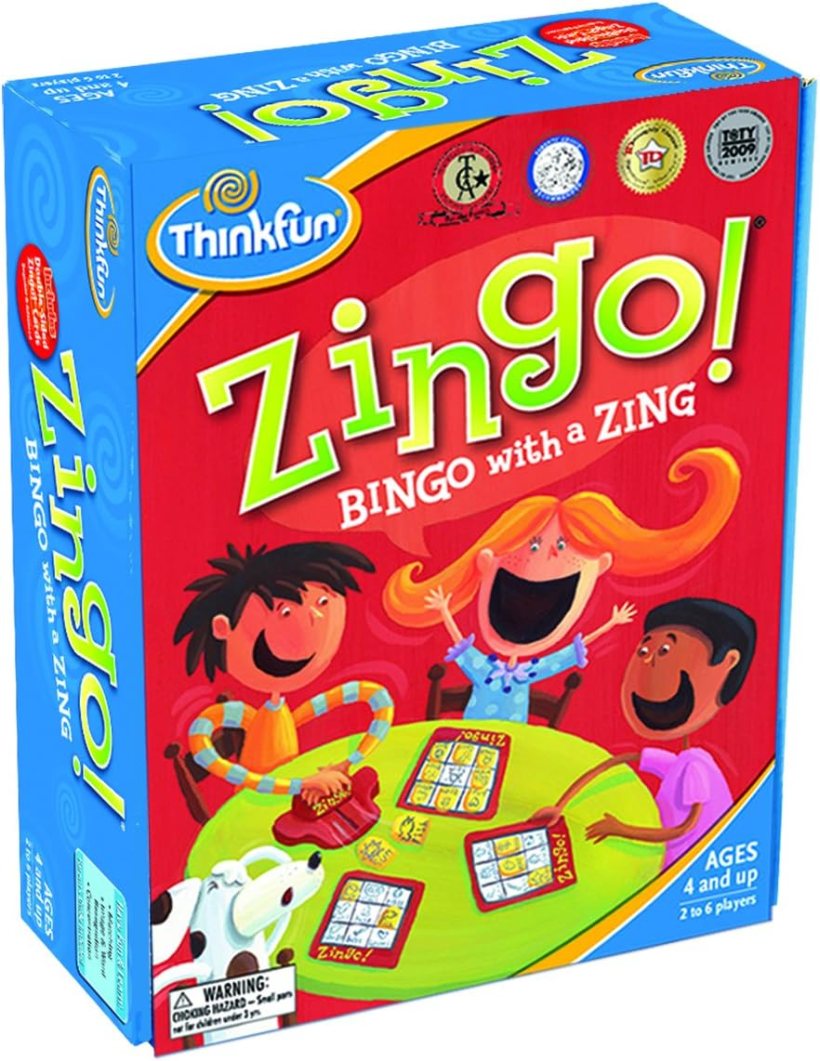
1. Zingo by ThinkFun

Ages: 4–8
Skills: Reading, vocabulary, matching

A fast-paced take on Bingo, Zingo uses a sliding tile dispenser and picture-word cards to help early readers learn common sight words. It’s great for building confidence and excitement around language.

Why kids love it: The satisfying “zing” of the tile dispenser and the race to shout “Zingo!”

2. Sum Swamp by Learning Resources

Ages: 5–7
Skills: Addition, subtraction, odd/even numbers

Players race through a swampy path by solving simple math problems. The game introduces early arithmetic in a playful, non-intimidating way.

Why kids love it: Dice, monsters, and math make a surprisingly addictive combo.

3. Outfoxed! by Gamewright

Ages: 5+
Skills: Deductive reasoning, logic, cooperation

A clever whodunit where kids play detectives solving a mystery before the sneaky fox escapes. Players use clues and deduction to eliminate suspects.

Why kids love it: It feels like solving a mystery—because it is!

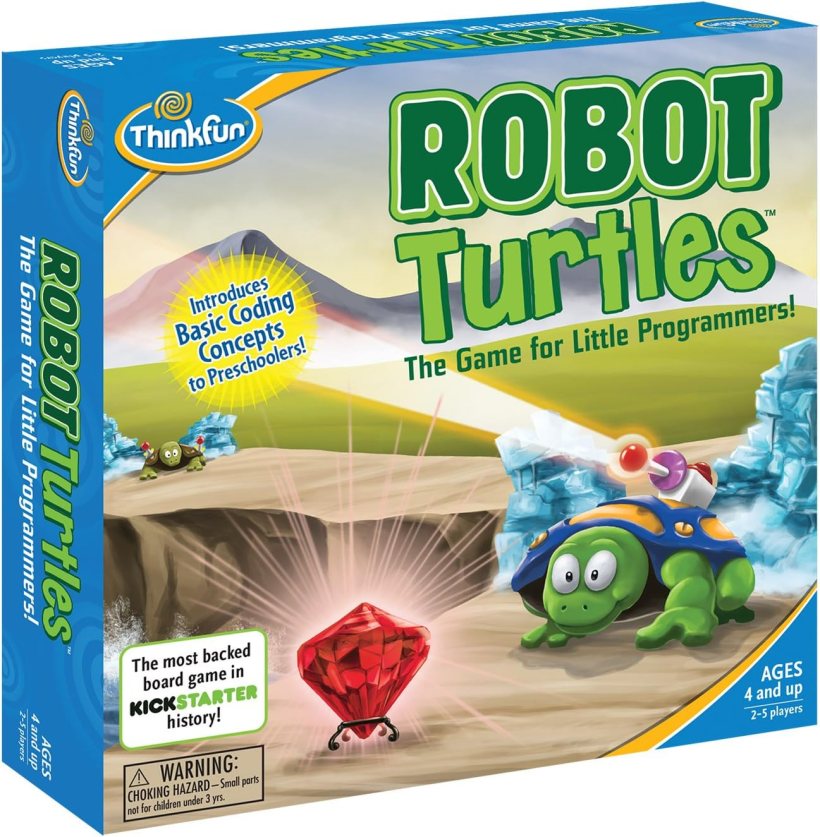
4. Robot Turtles by ThinkFun

Ages: 4–8
Skills: Coding concepts, sequencing, problem-solving

Designed by a software engineer, this game teaches preschoolers the basics of programming—without a screen. Kids use directional cards to “program” their turtles to reach a goal.

Why kids love it: They get to “boss around” grown-ups who follow their code.

5. Hoot Owl Hoot! by Peaceable Kingdom

Ages: 4–8
Skills: Color recognition, turn-taking, teamwork

In this cooperative game, players work together to get owls back to their nest before sunrise. It’s a gentle, non-competitive game that still encourages planning and strategy.

Why kids love it: The thrill of racing the sun—and cheering each other on.

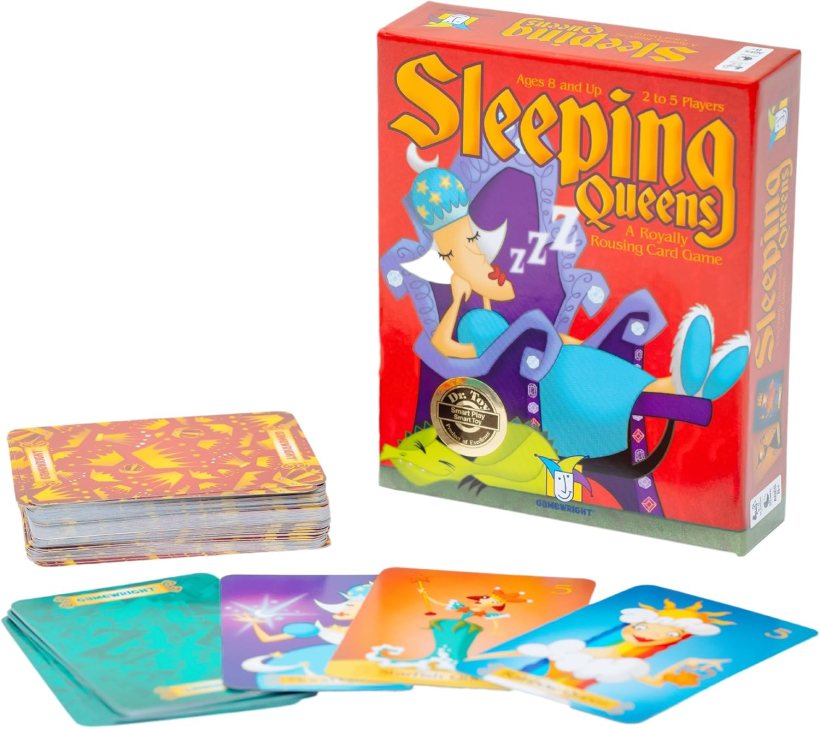
6. Sleeping Queens by Gamewright

Ages: 6+
Skills: Math, memory, strategy

Invented by a child, this whimsical card game blends number play, memory, and a bit of luck as players try to wake sleeping queens while avoiding knights and potions.

Why kids love it: The quirky characters and the fast-paced action.

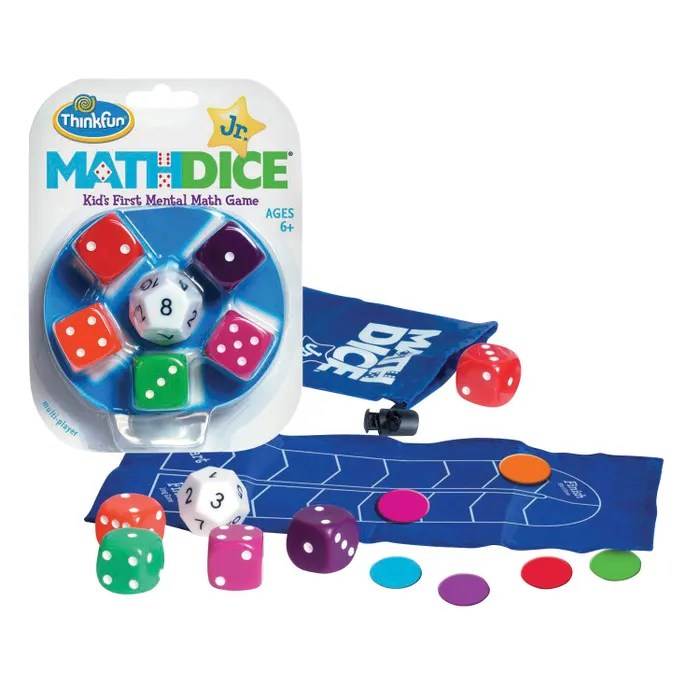
7. Math Dice Jr. by ThinkFun

Ages: 6–10
Skills: Mental math, addition, subtraction

Roll the dice, add or subtract to hit the target number, and move your pawn forward. This quick game sharpens math fluency through fun repetition and strategic thinking.

Why kids love it: Dice make everything more exciting.

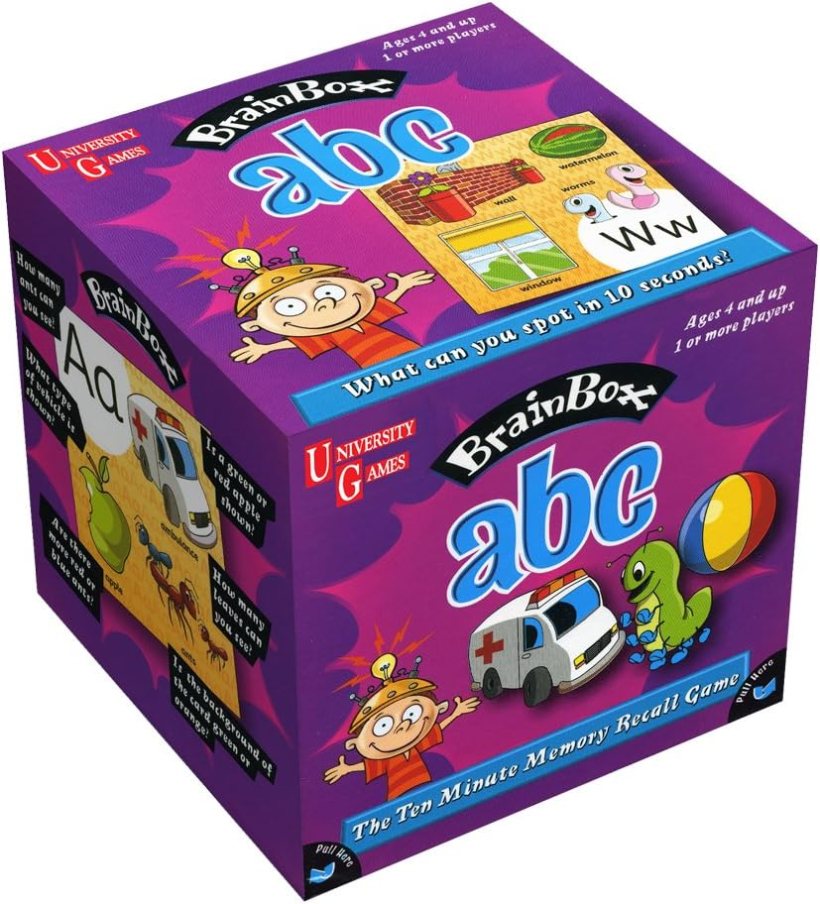
8. BrainBox: My First ABC (or other versions)

Ages: 4–8
Skills: Memory, language, observation

Players study a picture card for 10 seconds and then answer questions about it from memory. Versions include ABCs, animals, geography, and more.

Why kids love it: The 10-second memory challenge feels like a game show.

9. Race to the Treasure by Peaceable Kingdom

Ages: 5–8
Skills: Planning, collaboration, critical thinking

Another cooperative winner, this game has kids working together to build a path to a treasure before the ogre reaches it. It’s all about planning and teamwork.

Why kids love it: They get to outsmart a silly ogre together.

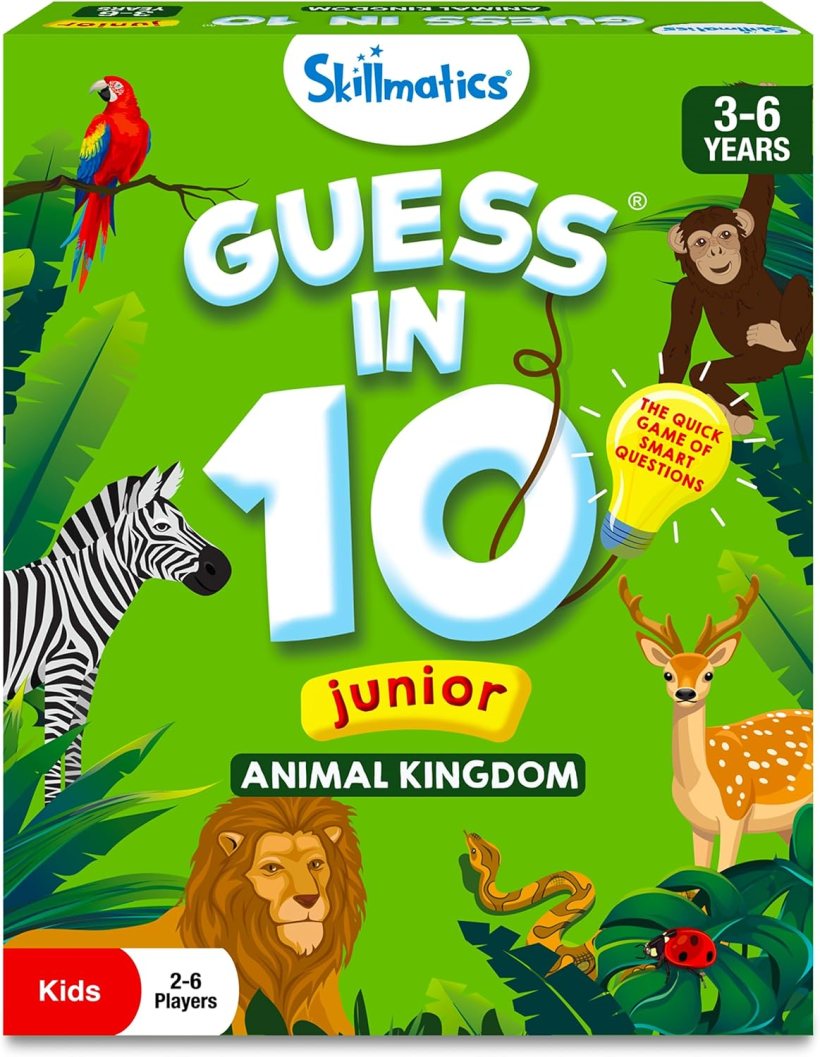
10. Guess in 10 Junior (Animal Kingdom, Countries, etc.)

Ages: 5–10
Skills: Critical thinking, questioning, general knowledge

In this rapid-fire question game, players guess what’s on the card by asking yes/no questions. Versions cover animals, jobs, food, and more.

Why kids love it: The game encourages curiosity and feels like a trivia challenge.

Final Thoughts

Educational board games are more than just a rainy-day fix—they’re a chance to learn through laughter, build skills through strategy, and grow closer as a family or classroom. These games prove that when kids are having fun, learning comes naturally.

So next time you’re looking to boost math, reading, logic, or teamwork, skip the worksheet and grab one of these games instead. Your kids will thank you—and they won’t even realize they’re learning.

How to Play – Memory Match

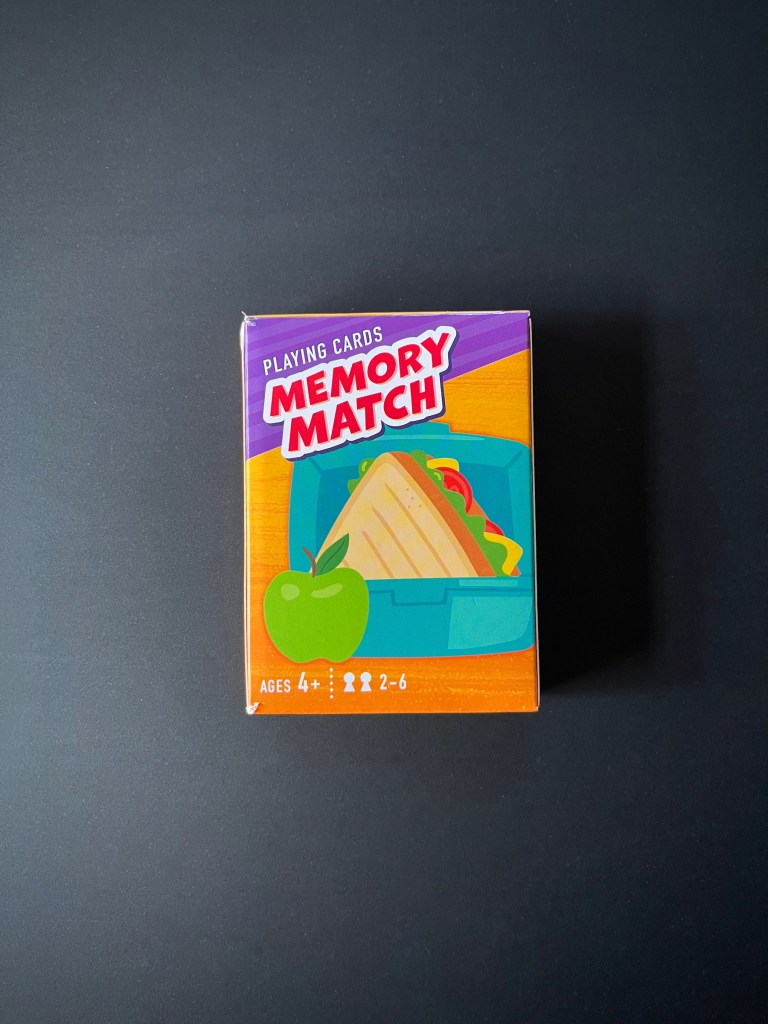
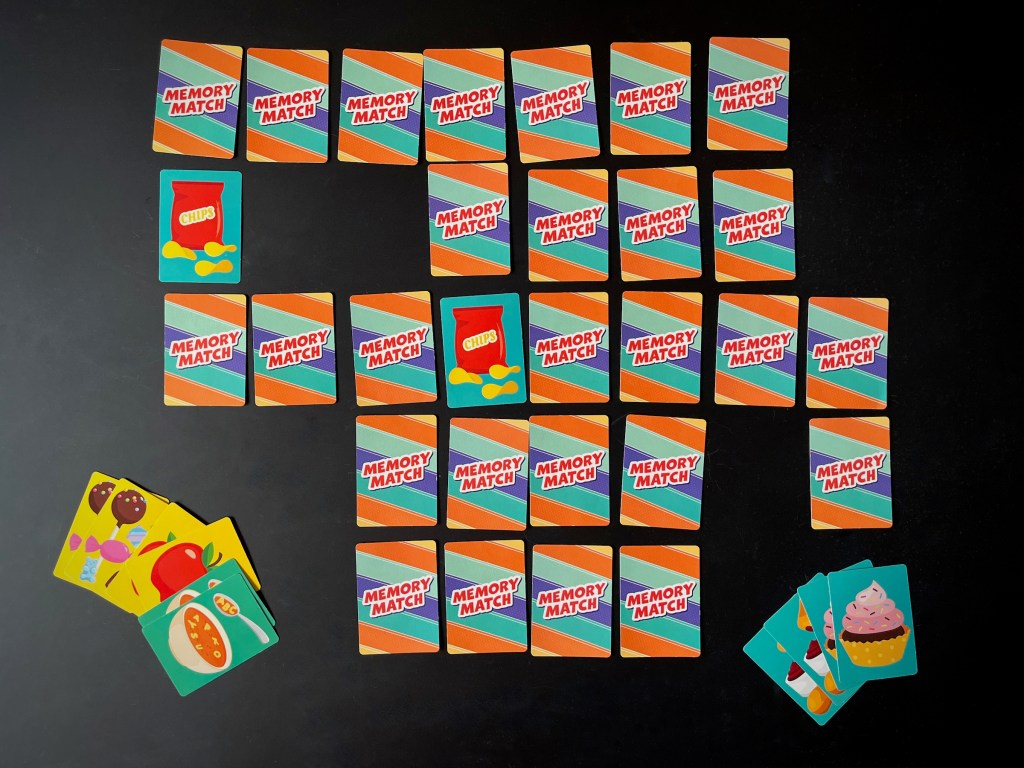
Part of the fun in raising Zoey is finding things that delight and educate her; I want to find fun, creative board games to play with her during our family game nights! This week we played Memory Match, the LotFancy version, for 2 to 6 players.

This specific memory match game is designed for kids and does a great job building visual recognition and, of course, memory recall. The graphics are adorable and gameplay is fun and engaging; especially when competition narrows in Zoey’s focus.

So let’s play!

IN THE BOX
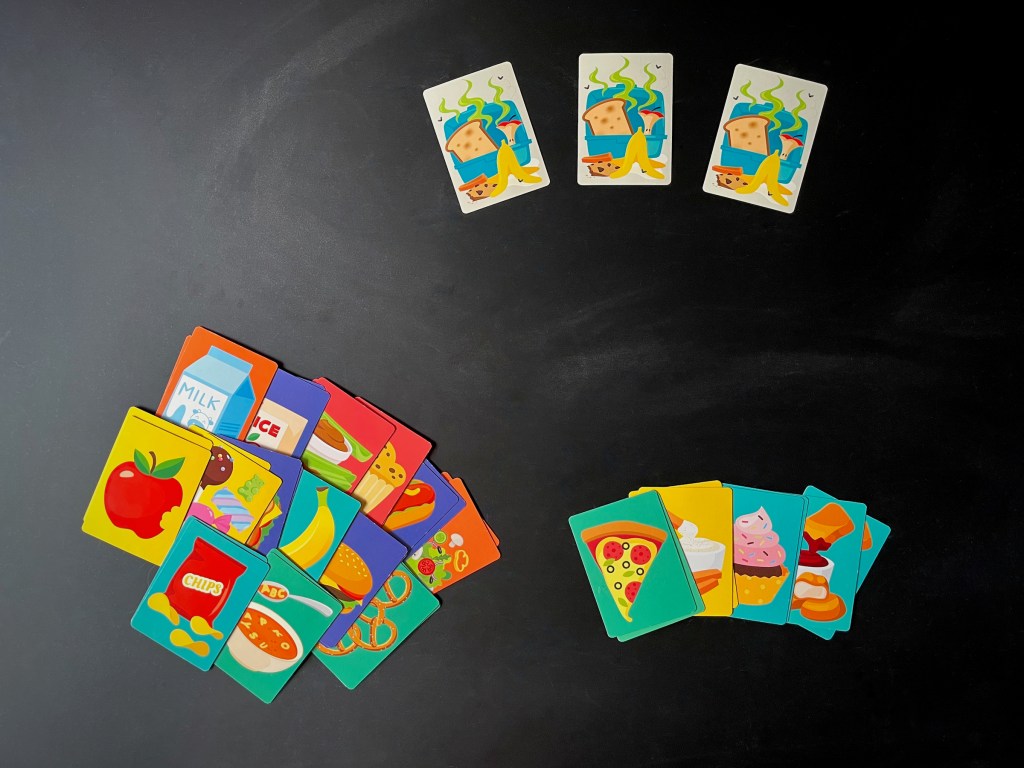
  • 39 cards
INSTRUCTIONS
  1. For standard play, remove the 3 stinky lunchbox cards. For more of a challenge, leave them in the deck.
  2. Shuffle the deck and lay them face down so the cards are not overlapping. You may place them in a grid or randomly, it’s up to you.
  3. Players take turns, the youngest player goes first.
  4. On your turn, flip two cards face-up. Make sure that the other players can see the cards too.
  5. If the two cards match, you get to keep them! Place them in a score pile in front of you. As a reward, you get to go again and flip over two more cards.
  6. If you do not make a match, flip the cards back over so they are hidden, your turn is over.
  7. If you are playing with the stinky lunch box cards and you turn one over, your turn is over.
  8. Play continues to the left and the next player takes their turn.
  9. When all the cards have been picked up (minus the stinky lunchbox cards if in play), each player counts the pairs of food they’ve collected. The player with the most food wins! 

ENJOY!

How to Play – Disney Eye Found It!

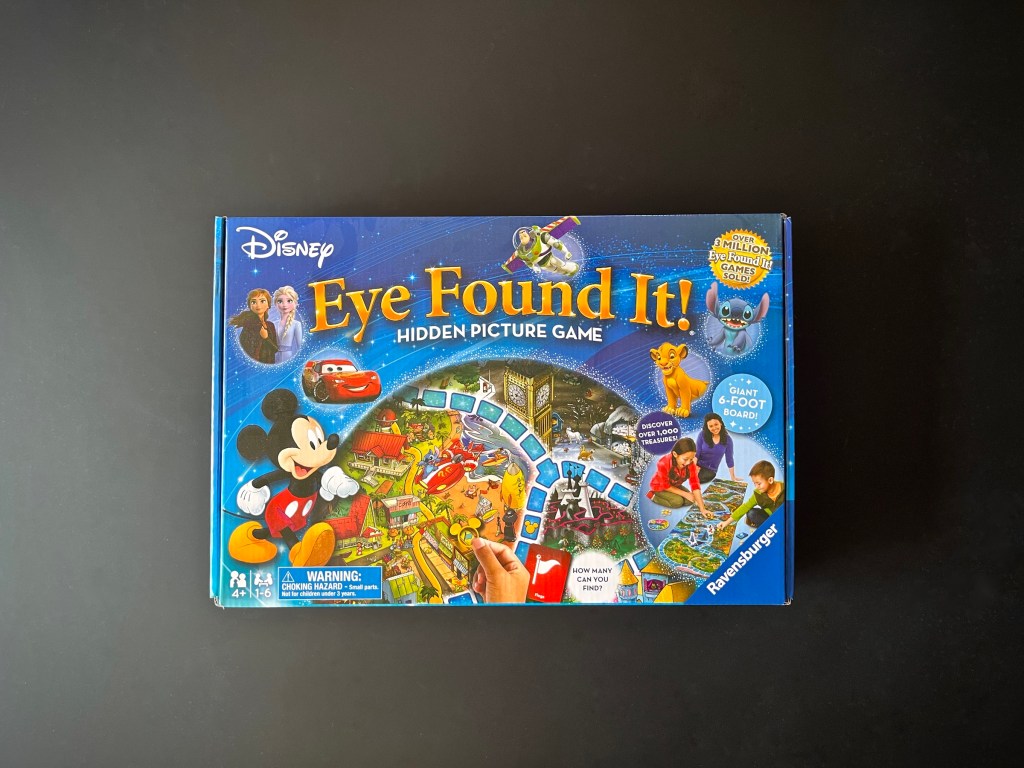
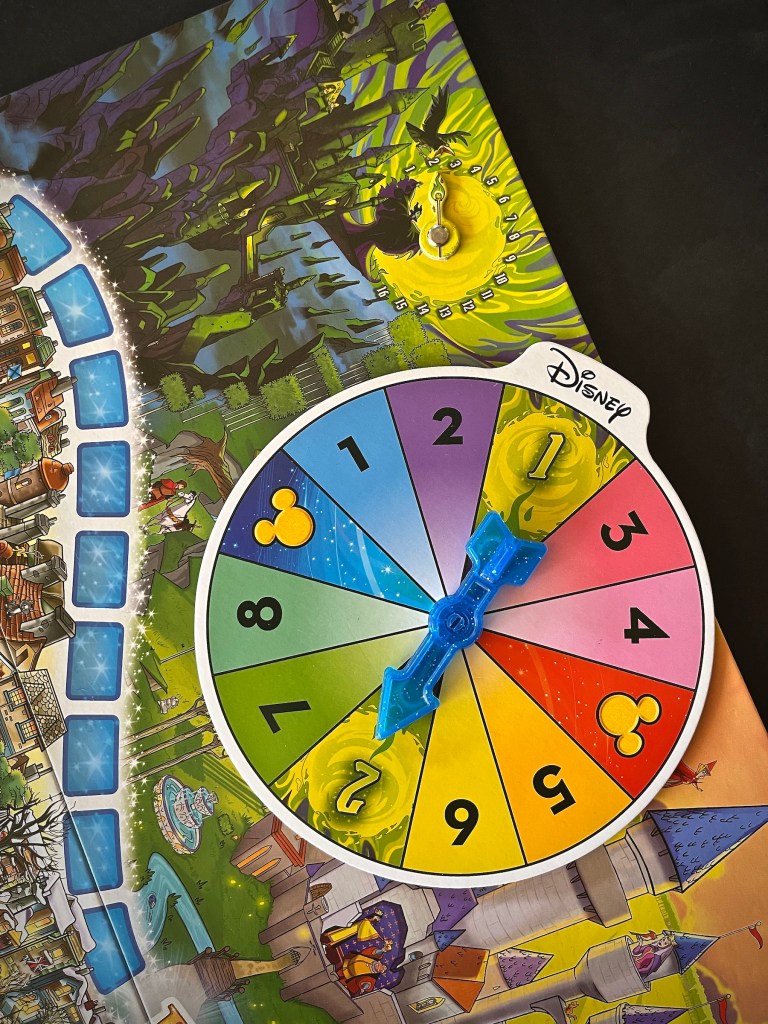
Part of the fun in raising Zoey is finding things that delight and educate her; I want to find fun, creative board games to play with her during our family game nights! This week we played Disney’s Eye Found It! for 1 to 6 players.

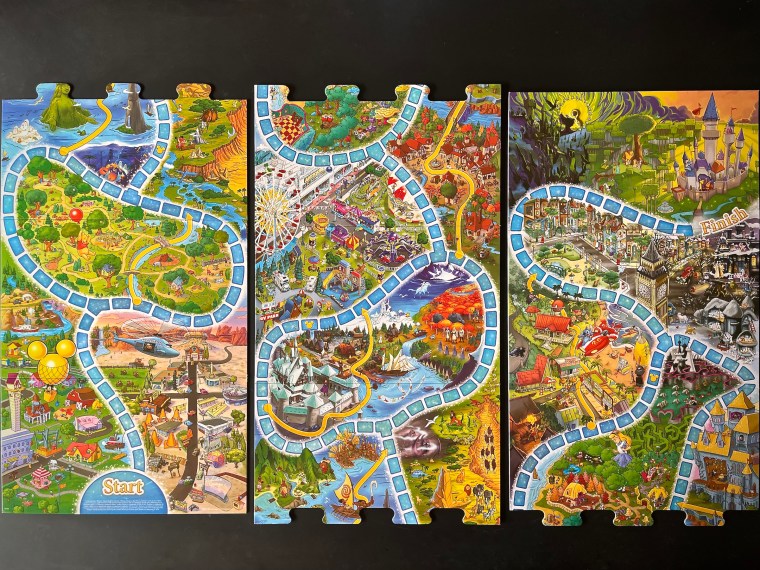
This is a cooperative game, which is nice when you’re not feeling competitive and want to focus on teamwork instead. Zoey enjoys the Disney content and searching the board for hidden objects (so do I honestly). The only warning I will give is that the game board is rather large, you’ll either need a long table, countertop, or you can set it up on the floor like we do!

So let’s play!

IN THE BOX
  • 1 game board (in 3 sections)
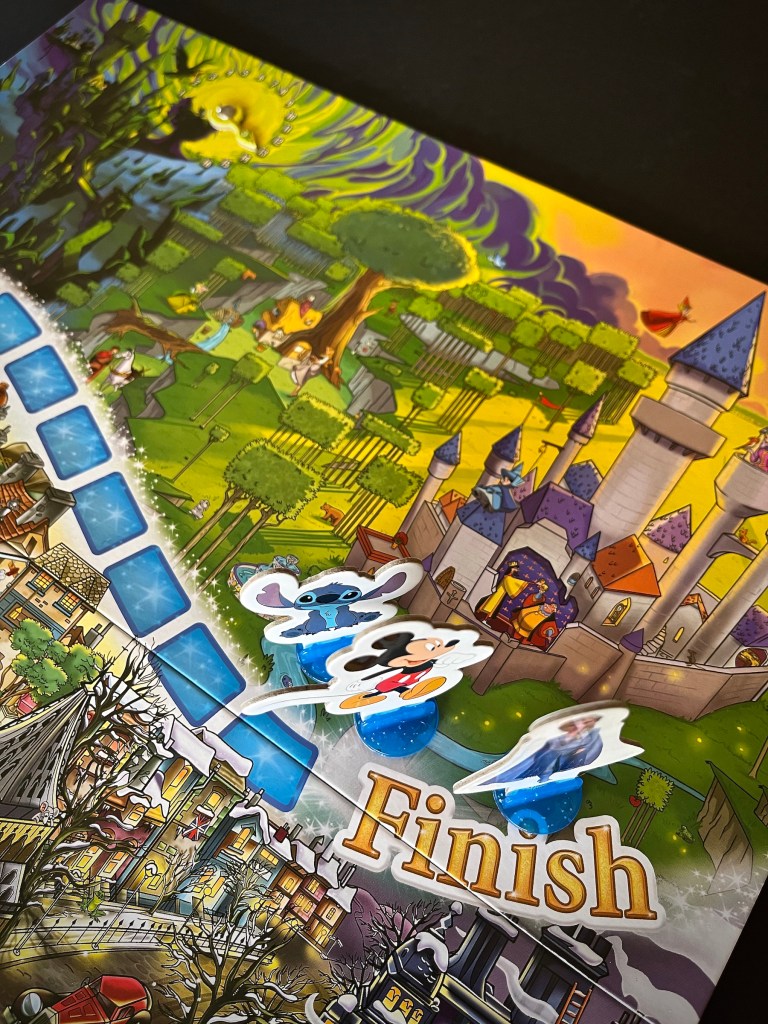
  • 6 characters
  • 6 character bases
  • 1 spinner
  • 12 Mickey marker
  • 30 search cards
  • 1 sand timer
INSTRUCTIONS
  1. Unfold the game board sections and connect them.
  2. Set the Mickey markers, sand timer and spinner near the board.
  3. Shuffle the search cards and put them in a pile near the board. Either the blue or red sides may face up.
  4. Set Maleficent’s staff to “1”.
  5. Insert each character into a base. Each player chooses a chapter and puts them on the “Start” space.
  6. The youngest player goes first. On your turn, spin the spinner and follow its instructions:
    • Move – Move your character forward the number of spaces indicated.
      1. If you land on a shortcut, follow the arrow.
      2. If you get to a fork in the road, choose which way to go.
      3. If you land on a “search” space, follow the search rules.
    • Maleficent’s Magic – Move the staff one or two spaces forward, then spin again!
    • Search – If the spinner or your character land on a “search” space, draw the top card of the deck.
      1. If you spun a search on the spinner, use the side of the card matching the color on the spinner. If your character landed on a search space you may choose which side of the card to use. 
      2. Start the timer. All players help look for the object(s) shown, hidden on the game board. Each time you find one put a Mickey marker  on it so you remember where it is. When the time runs out, stop looking and count up all the Mickey markers you placed on the board. Everyone’s character moves forward that many spaces!
  7. If all players arrive at Aurora’s castle before Maleficent casts her spell (when her staff reaches 16), you all win!

ENJOY!
How to Play – Winnie the Pooh Snow Parade Game

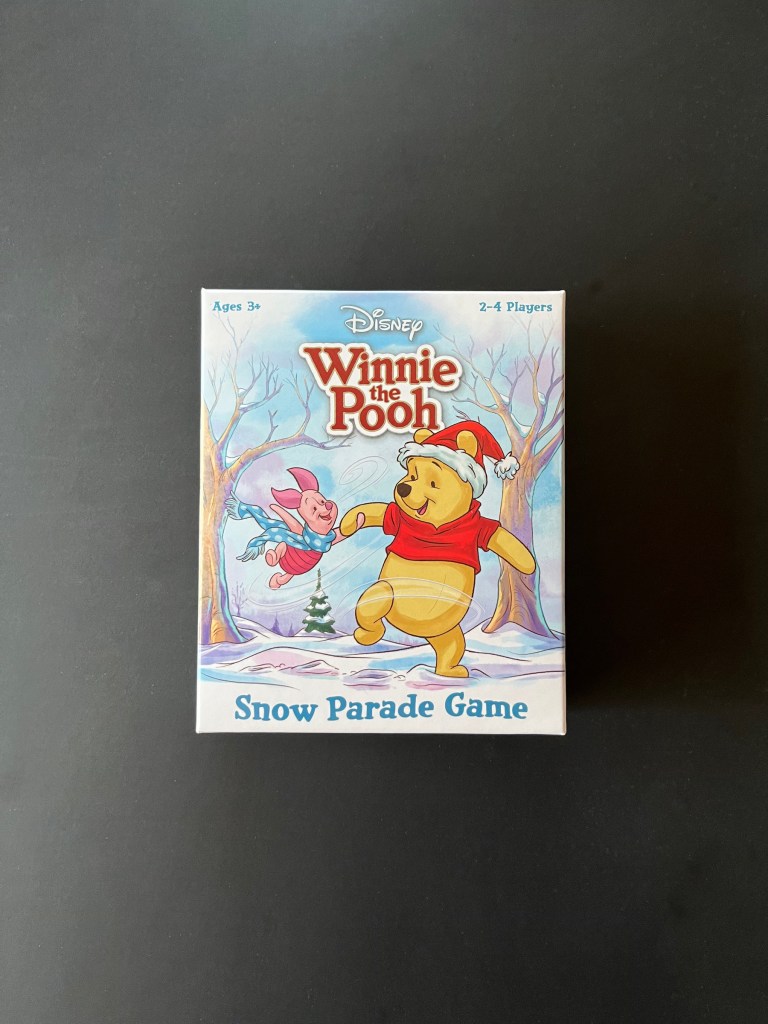
Part of the fun in raising Zoey is finding things that delight and educate her; I want to find fun, creative board games to play with her during our family game nights! This week we played Winnie the Pooh – Snow Parade Game  for 2 to 4 players!

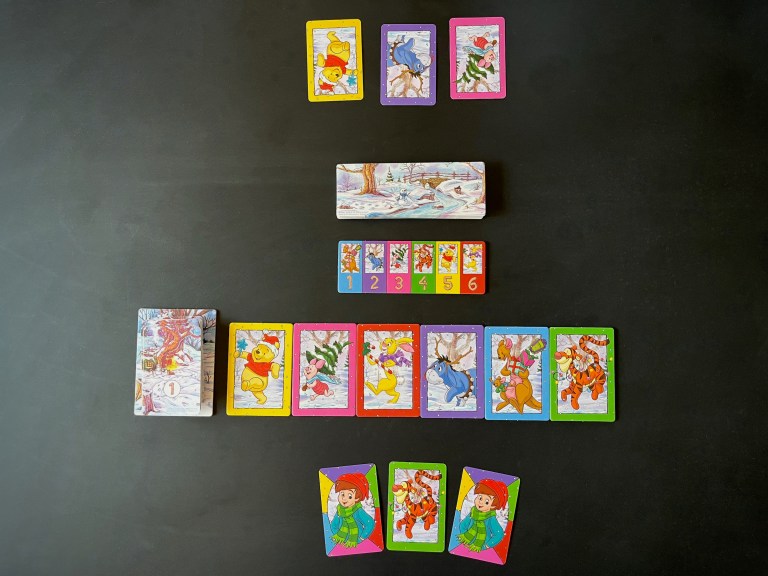
I purchased this game on a whim! I saw Winnie the Pooh and I saw the Christmas/Winter theme, and it piqued my curiosity! It was worth it! We enjoy that this game is cooperative, which is a nice departure from the competitive games we’ve been playing!

So let’s play!

IN THE BOX
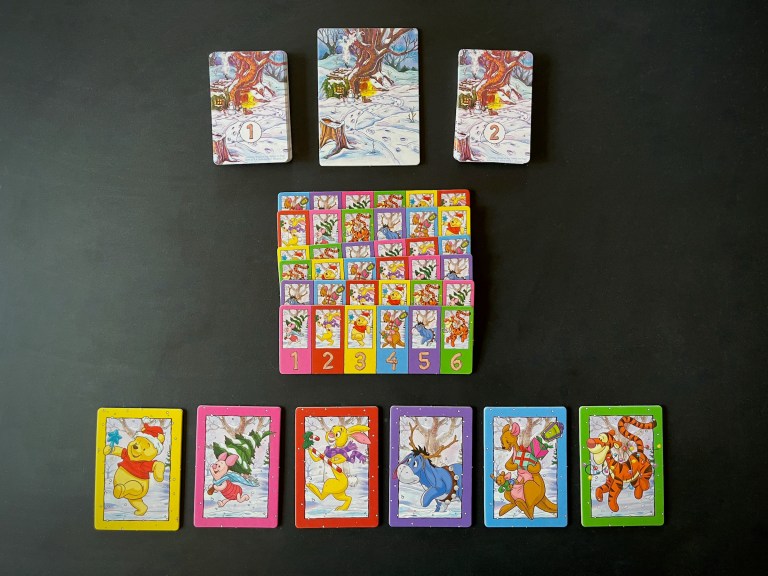
  • Home tile
  • 6 character tiles
  • 6 parade tiles
  • 40 cards
INSTRUCTIONS
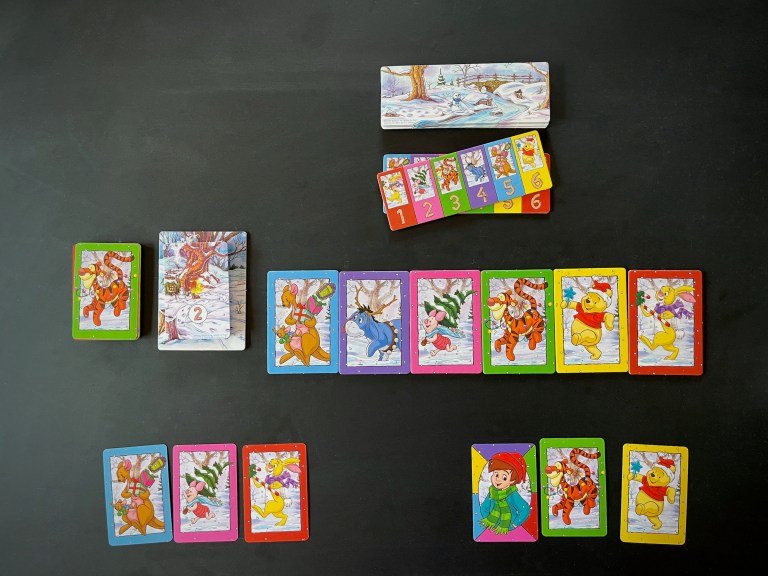
  1. This is a cooperative game, you will all win or lose together! Play cards to move or swap the order of the character tiles in the parade. If you can complete the goal number of parade tiles without running out of cards, you all win the game!
    • Easy – Complete 3 parade tiles
    • Medium – Complete 4 parade tiles.
    • Hard – Complete 5 parade tiles.
  2. Place all the tiles in the middle, where everyone can reach them.
  3. Place the six character tiles face up in a line to the right of the home tile in order from 1 to 6 (the numbers are on the backs). This is the parade!
  4. Separate the cards into two piles by the numbers on the backs (1 or 2). Shuffle each pile.
  5. Place the number 1 pile of cards on top of the number 2 pile, then place this single deck on top of the home tile.
  6. Each player draws a number of cards based on the number of players. Place your cards face up so all the players can see them.
    • 2 players: 3 cards each
    • 3 to 4 players: 2 cards each.
  7. Mix the parade tiles and place them in a pile above the character tiles, face-down. Flip one tile face-up.
  8. Starting with the youngest player and moving clockwise, you can do one of these 3 actions on your turn:
    • Move a character: Play a card to move the matching character tile forward or backward one spot in the parade. Character tiles at the front of the parade can only be moved backward and character tiles at the back of the parade can only be moved forward.
    • Swap: Play a card and choose another player to also play a card. Swap the spots of those two matching character tiles in the parade.
    • Discard: Discard your cards and draw all new cards from the deck.
    • Christopher Robin: The Christopher Robin card is wild and can be played as any character.
  9. If all character tiles in the parade match the order on the current parade tile, you’ve completed it! Set it aside and flip the next parade tile over! 
  10. At the end of your turn, if you played a card, draw a new one from he deck. If another player helped you swap, you each draw a card.
  11. If the deck runs out, keep taking turns until players have no cards left to play. 
  12. If you complete the goal number of parade tiles before you run out of cards to play, all the players win!

ENJOY!

How to Play – Guess Who?

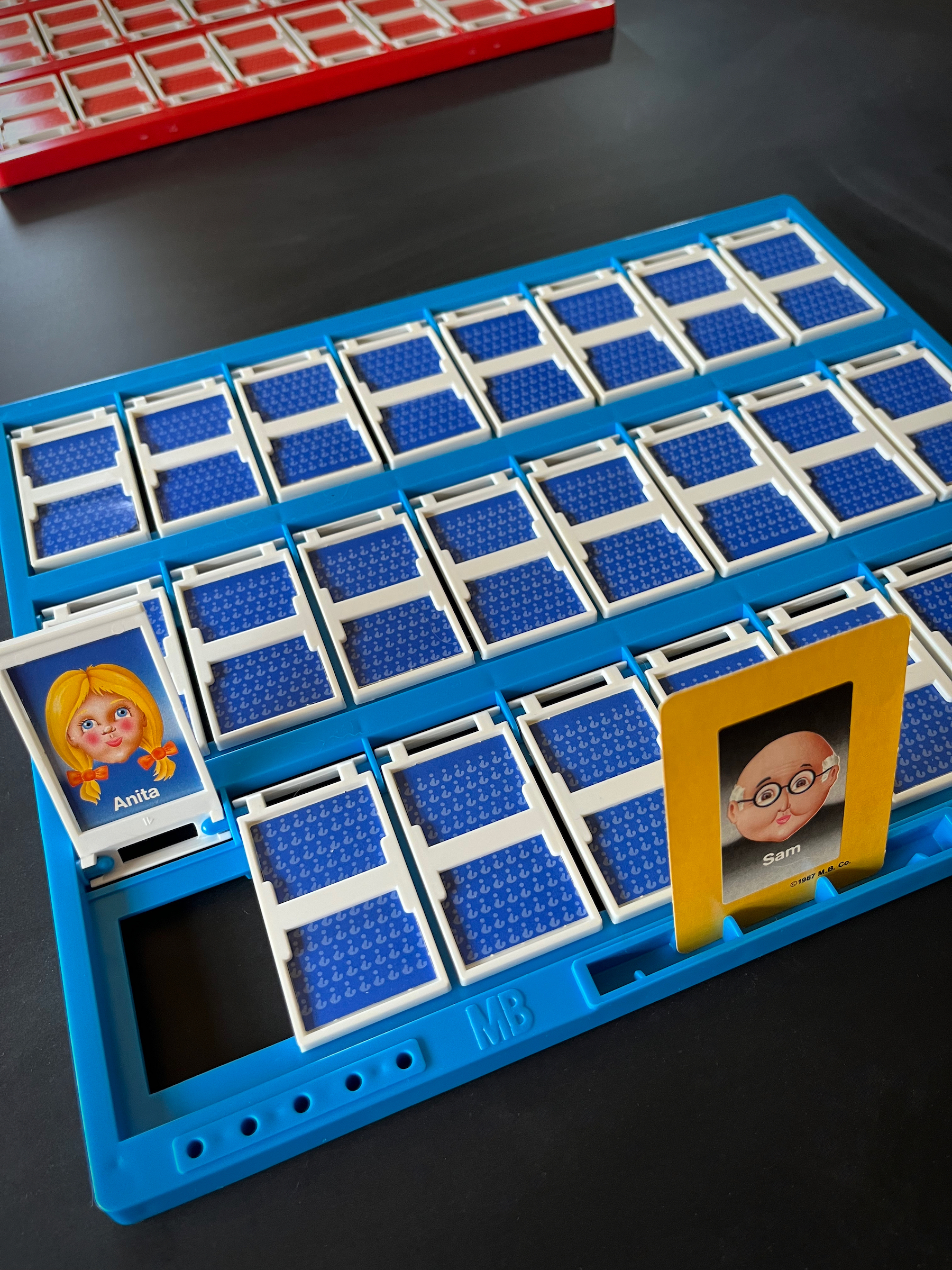
Part of the fun in raising Zoey is finding things that delight and educate her; I want to find fun, creative board games to play with her during our family game nights! This week we played Guess Who? for 2 players!

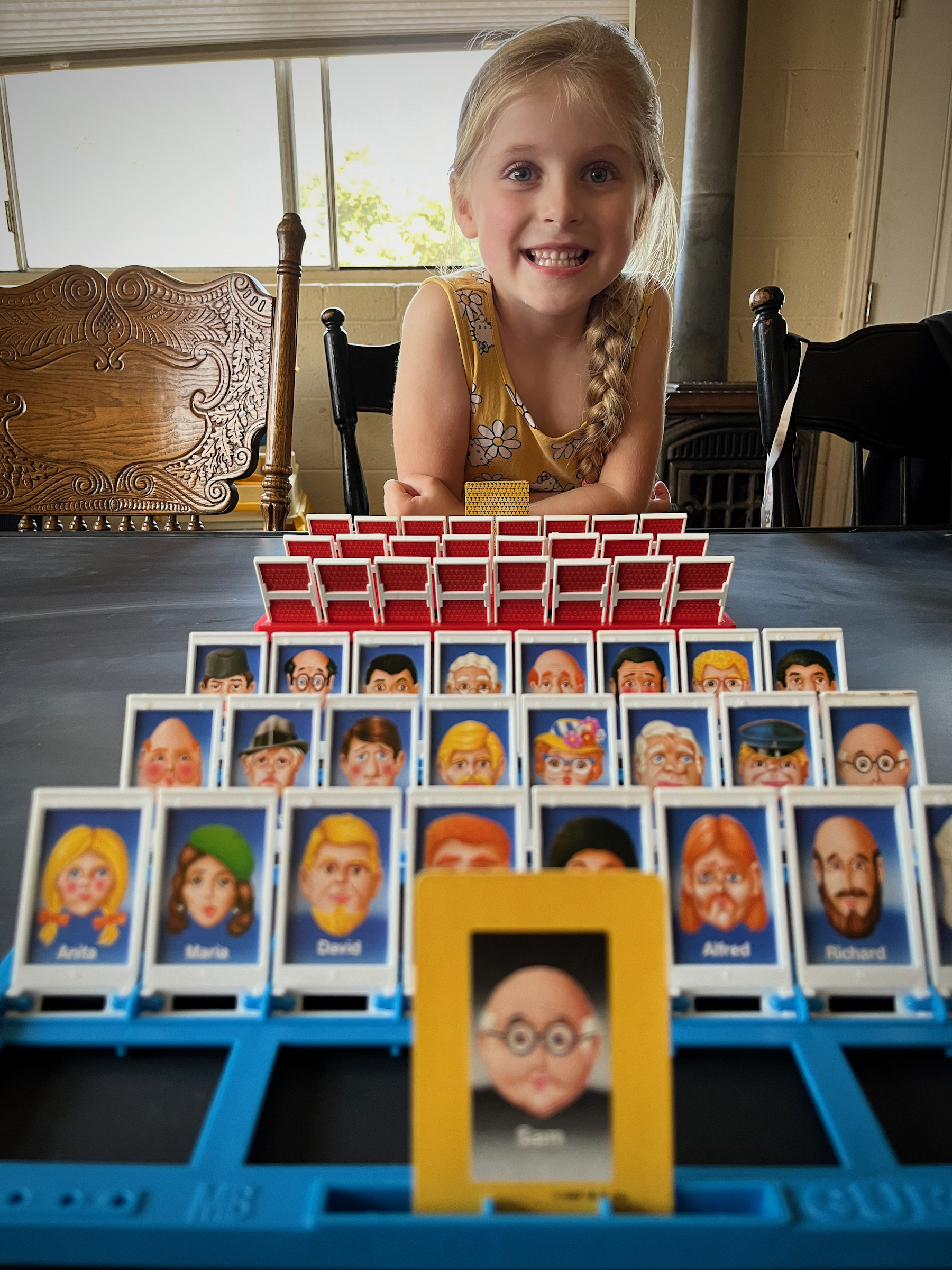
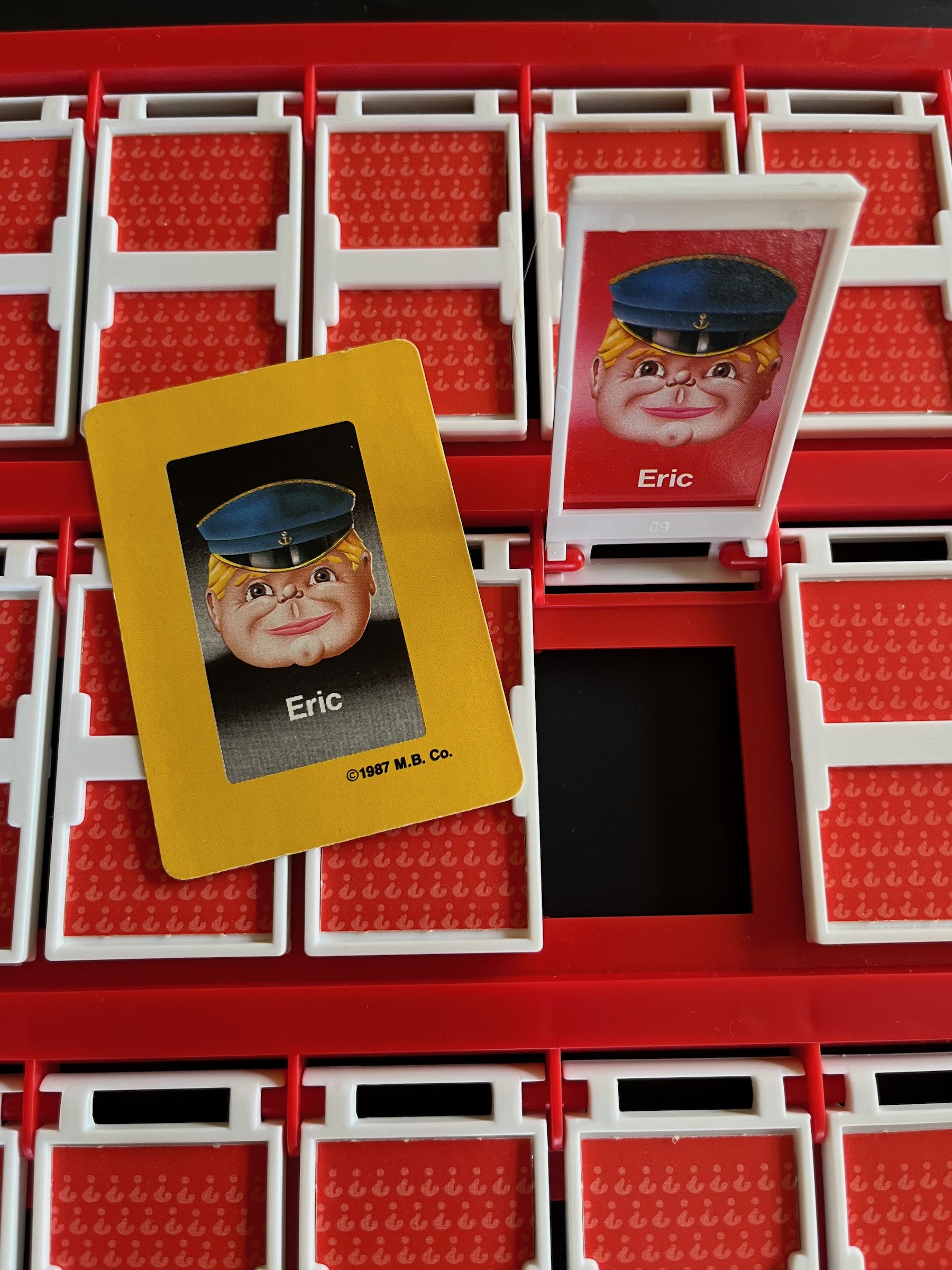
This game was a little tougher for Zoey because she is just learning to read, but she wanted to play and when there’s a will there’s a way! She ended up winning our second game together after she got the hang of asking questions and flipping down faces. She made her guess by asking if he was a ship captain with a name that starts with an “E” (for Eric); she was correct!

So let’s play!

IN THE BOX
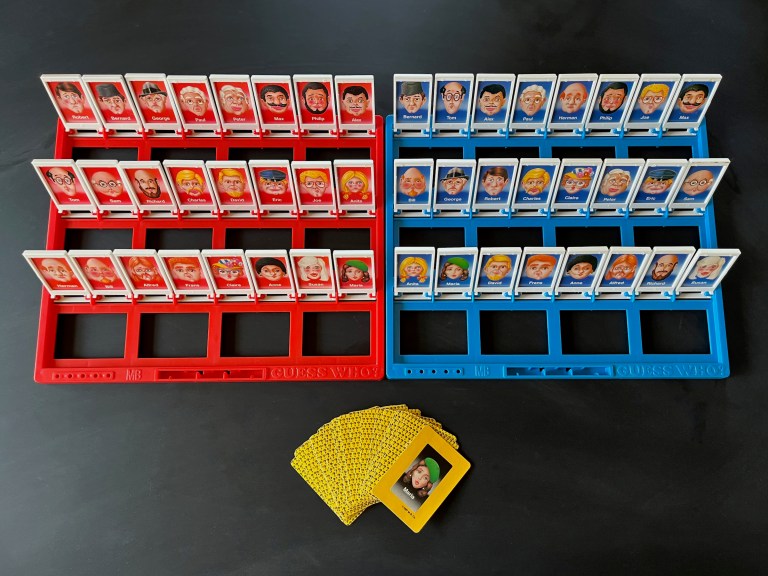
  • 2 plastic game boards
  • 48 plastic frames
  • 48 face cards
  • 24 mystery cards
  • Scoring pegs
INSTRUCTIONS
  1. The object of the game is to guess the mystery person on your opponent’s card by asking one question per turn, and eliminating any game board faces that don’t fit the mystery person’s description.
  2. Each player chooses a game board and places it on a flat surface with the mystery card slot facing them.
  3. Both players flip all the frames upright by tipping the game board away from themselves, then settling their game board flat again.
    • Notice the differences among the 24 faces on your game board. Hair, facial hair, eye color, hats and glasses. As you play you’ll notice several other differences among your “suspects”.
  4. Shuffle the mystery cards, then each player chooses one card at random and places it into their mystery card slot so that the mystery person faces you (do not let your opponent see your card)! Set the unused mystery cards aside.
  5. The youngest player always goes first.
  6. Ask your opponent one question per turn and each question must have either a “yes” or “no” answer. 
    • For example, “does your person have white hair?”
  7. After your opponent answers, you may be able to eliminate one or more suspects. 
    • For example, if their mystery person has white hair, flip down all the faces that have black, brown, red and yellow hair. That leaves only the white haired people as suspects after your question.
  8. After you ask a question (and flip down as many faces as you can), your turn is over.
  9. When you’re ready to guess who the mystery person is, make your guess on your turn, instead of asking a question. Don’t use your turn to guess the mystery person until you’re ready! If you guess wrong, you lose the game!
    • To guess the mystery person, say (for example), “The mystery person is Paul.” Your opponent must then tell you whether or not your guess is correct. 
  10. If you guess correctly, or your opponent guesses incorrectly, you win the game!

ENJOY!