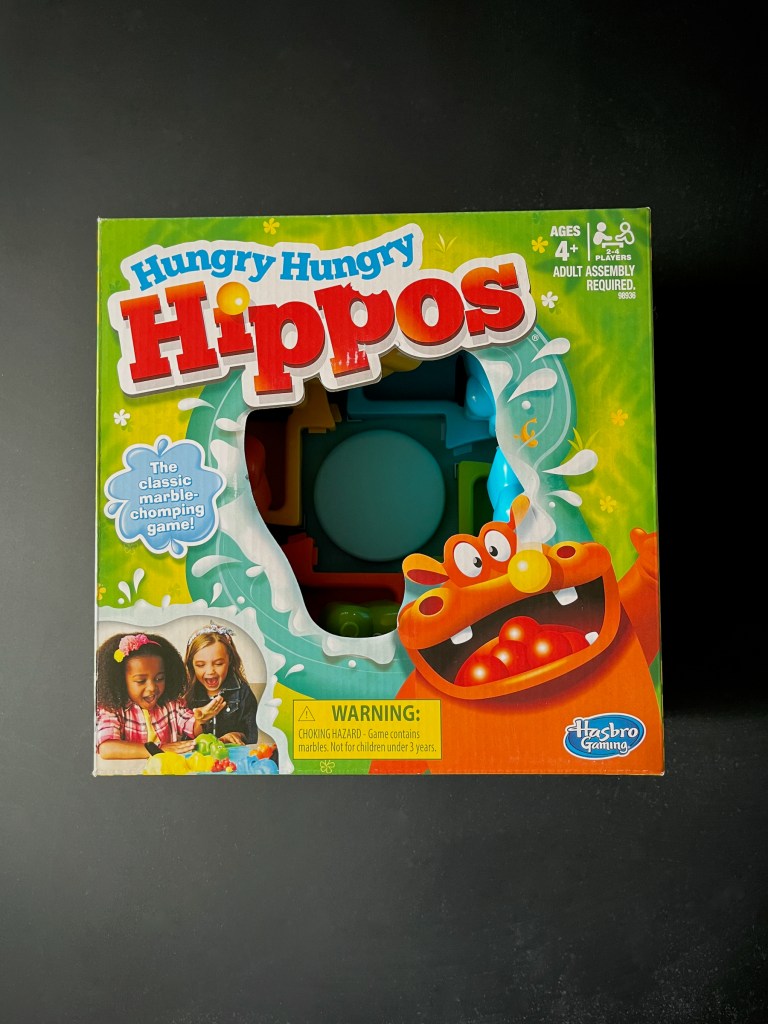
Part of the fun in raising Zoey is finding things that delight and educate her; I want to find fun, creative board games to play with her during our family game nights! This week we played the Hungry, Hungry Hippos by Hasbro for 2 to 4 players!
This game was a Christmas gift to Zoey from her aunt and uncle, and we love it! Zoey’s favorite color is yellow so I think she feels more drawn to the version where whomever chomps the yellow ball wins, rather than whoever chomps the most balls wins. Either way it’s a classic, fast-paced game we all can enjoy!
Let’s play!
IN THE BOX
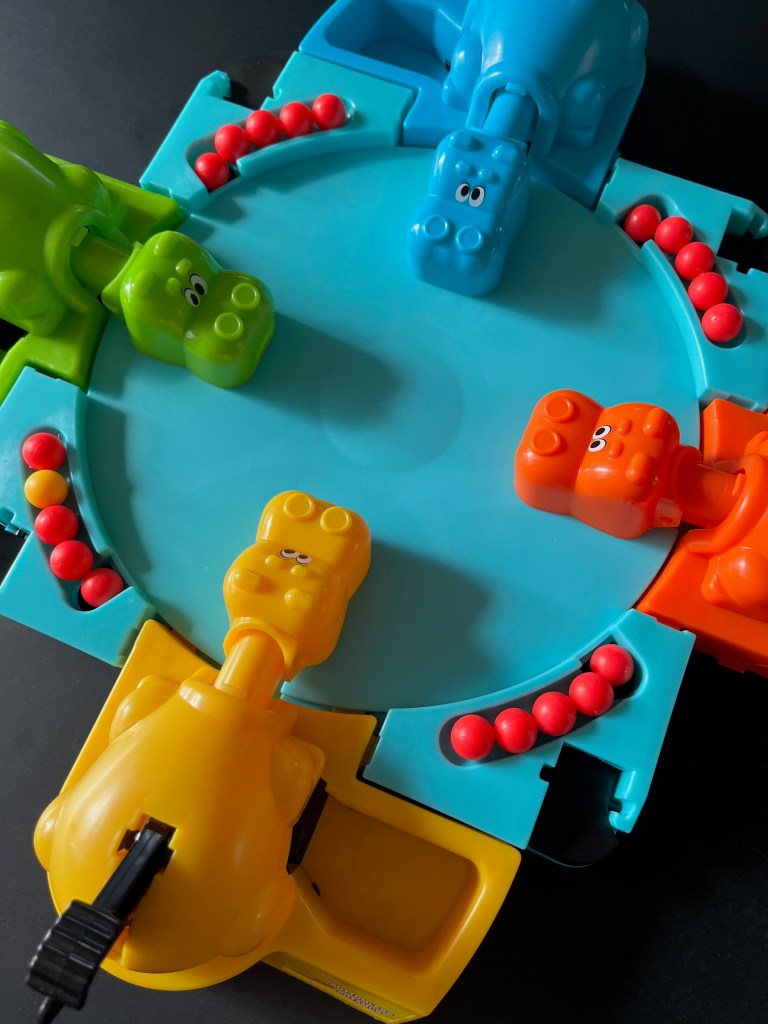
A game tray
4 attachable hippos
4 attachable marble release levers
20 balls
INSTRUCTIONS
Each player selects a hippo and places 5 marbles into the marble release area near their hippo.
BEGINNER’S GAME
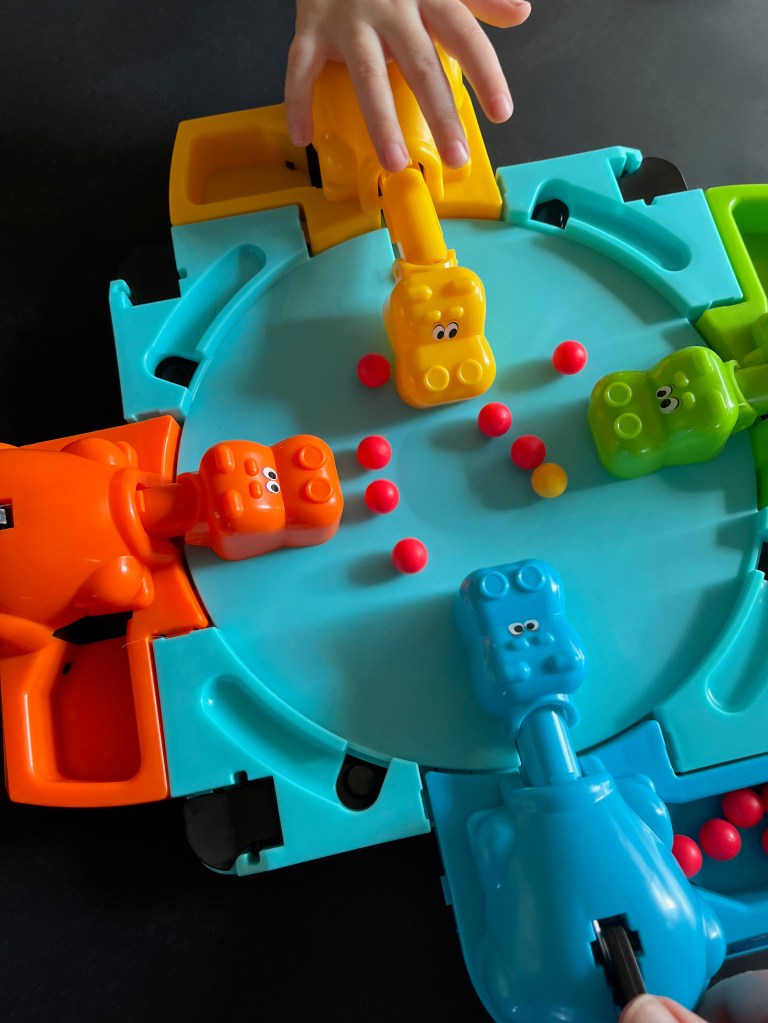
One player is chosen to release a marble by pressing the marble release lever. As soon as the marble is released, all players try to make their hippos gobble it by pressing the hippo tails until someone succeeds.
Moving clockwise, the next player releases a marble and the process is repeated.
After all the players have been gobbled, each player counts up the marbles in their marble collecting area.
Whomever has the most marbles wins the game!
ADVANCED
All players release their marbles at the same time and (once someone says “Go!”) attempt to gobble as many marbles with their hippos as they can!
After all the players have been gobbled, each player counts up the marbles in their marble collecting area.
Whomever has the most marbles wins the game!
*Another variation is to see who has the yellow/golden marble at the end of the game, and whoever does wins!
Have you ever been undecided on what to play next?
Should you buy that game? Should you install that game?
I’ve been there, and sometimes you just need to take a look at the graphics, hear the music, and learn a little about the plot to see if it resonates with you before taking the next step. I’m here to help! I am creating the first 30 to the first 60 minute videos of games; indie and mainstream, new and old!
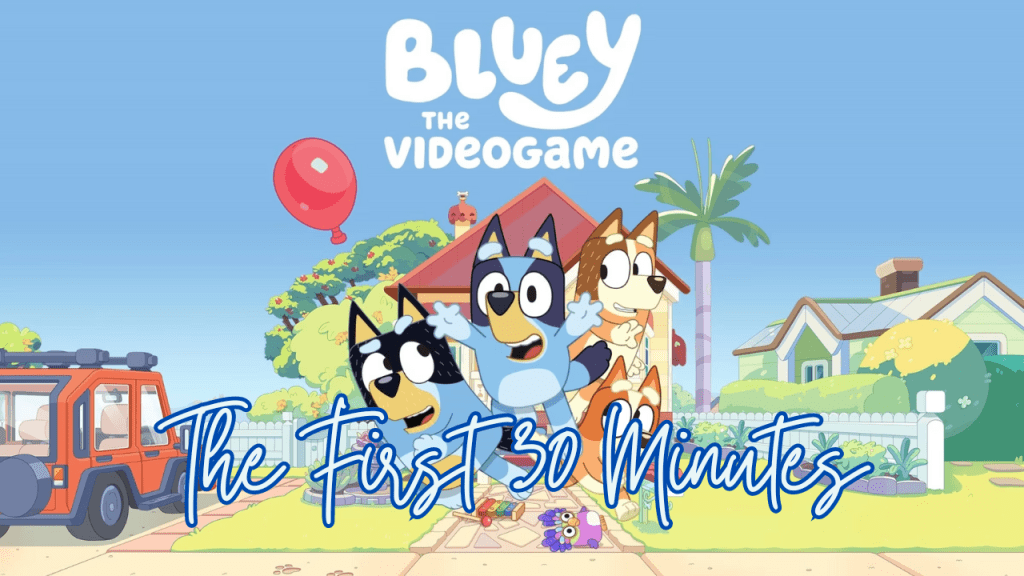
This week let’s take a look at the first 30 minutes of Bluey: The Video Game…
Have you ever been undecided on what to play next?
Should you buy that game? Should you install that game?
I’ve been there, and sometimes you just need to take a look at the graphics, hear the music, and learn a little about the plot to see if it resonates with you before taking the next step. I’m here to help! I am creating the first 30 to the first 60 minute videos of games; indie and mainstream, new and old!
This week let’s take a look at the first 60 minutes of Super Mario Bros. Wonder…
Welcome back friends! Do you crochet? I do! I feel calm and cozy when I’m crocheting, and fiercely proud whenever I complete a project.
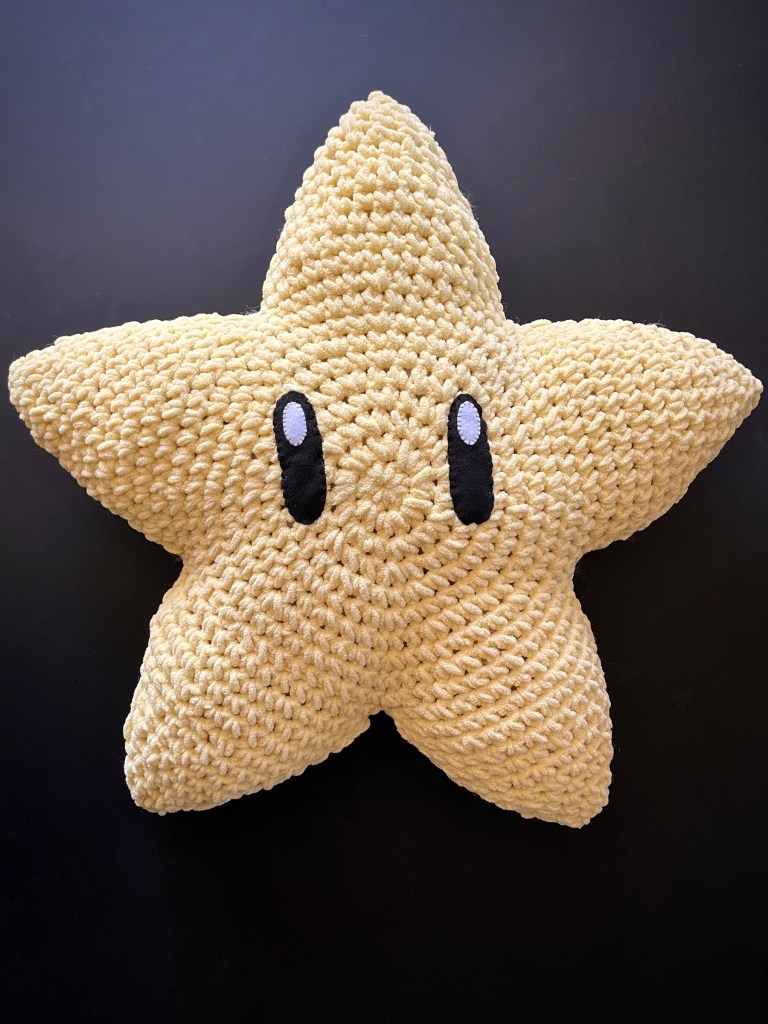
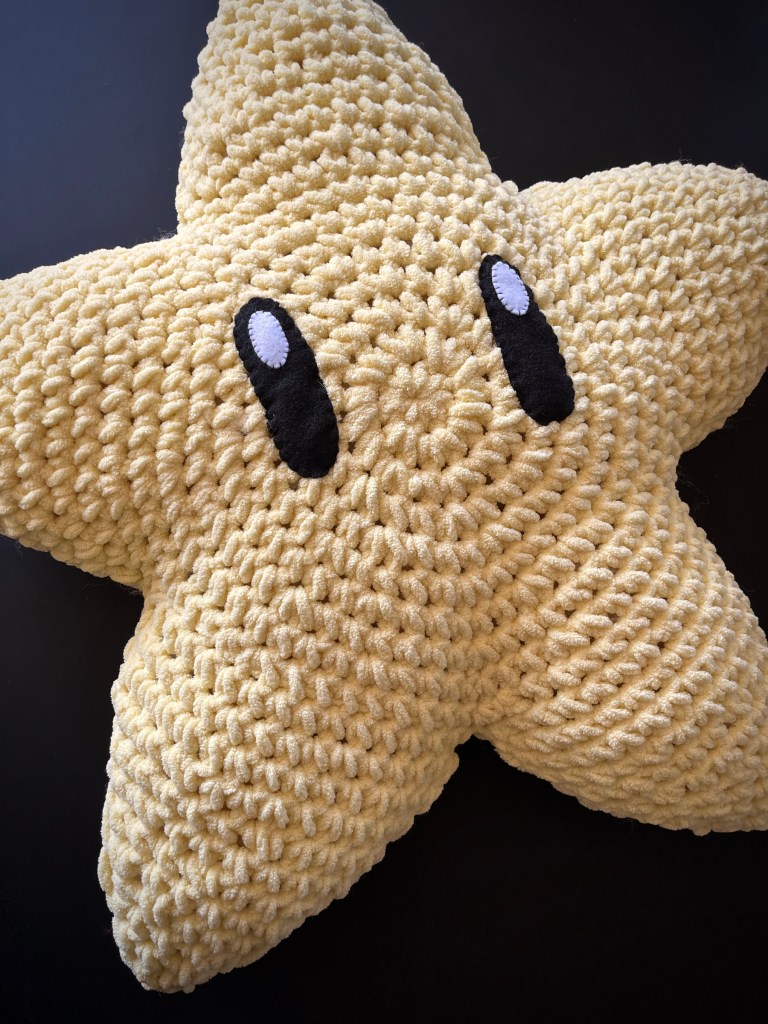
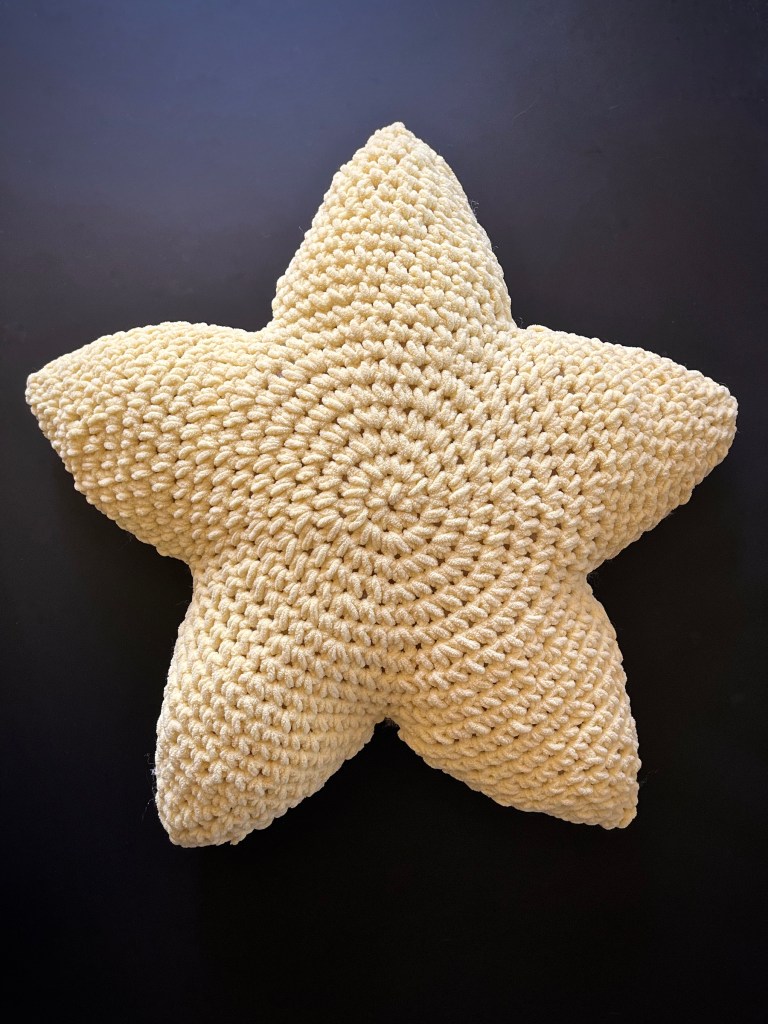
March 10th was Mario Day! In celebration I created this super soft and cuddly Super Star pillow! This pattern is intermediate and ideal for those who know their way around “magic rings”, “increases” and “decreases”. Any chenille-style yarn, size 6, can be used in this pattern, but for my example piece I used Bernat Baby Blanket Yarn in buttercup yellow.
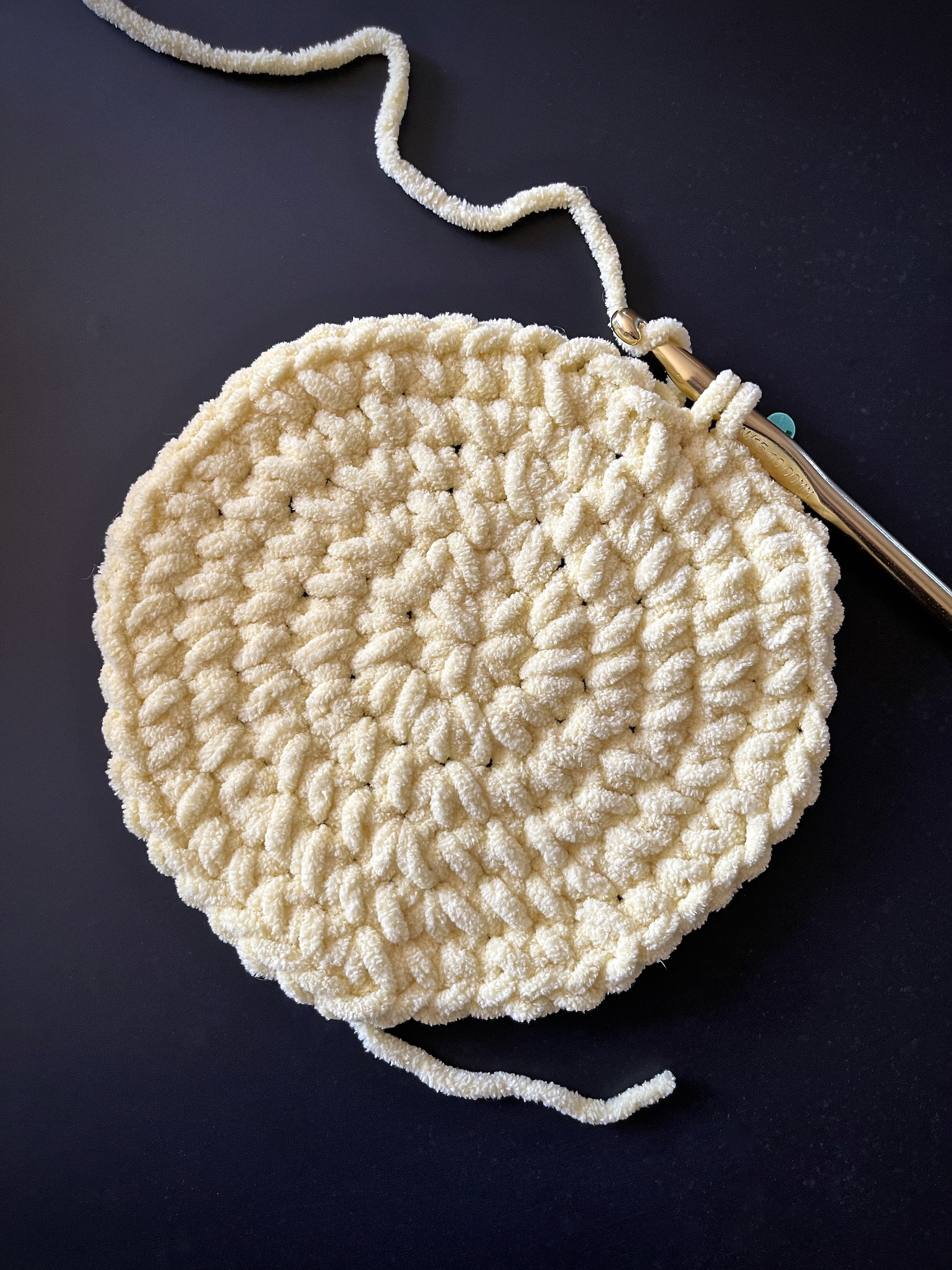
Round 1: Create a magic ring with 8 single crochets (total of 8 stitches). Place a stitch marker in the last stitch of this round.
Round 2: Increase in each stitch around (total of 16 stitches). Place a stitch marker in the last stitch of this round (henceforth remove it and move it up to the last stitch in each round after this one).
Round 3: 1 single crochet, 1 increase, alternating around the round (24).
Round 4: 1 single crochet, 1 increase, 1 single crochet, alternating around the round (32).
Round 5: 3 single crochet, 1 increase, alternating around the round (40).
Round 6: 2 single crochet, 1 increase, 2 single crochet, alternating around the round (48).
Round 7: 5 single crochet, 1 increase, alternating around the round (56).
Round 8: 3 single crochet, 1 increase, 3 single crochet, alternating around the round (64).
Round 9: 7 single crochet, 1 increase, alternating around the round (72).
Round 10: 4 single crochet, 1 increase, 4 single crochet, alternating around the round (80).
Finish off the first center piece of the star by slip stitching into the next stitch, then cutting the yarn pulling the end through. Using a yarn needle, stitch the loose end of the yarn into the body of the center piece and set it aside.
Repeat steps 1 through 10 to create a second center piece of the star. This time, do not slip stitch, leave the yarn attached and move the stitch marker to the last stitch.
On this second center piece that we have not tied off, count 16 stitches from the marker on your last stitch from the round before and put a stitch marker through the 16th stitch. Count 16 stitches from this marker and place another marker through that stitch. Continue this around your center piece until you have 5 markers total.
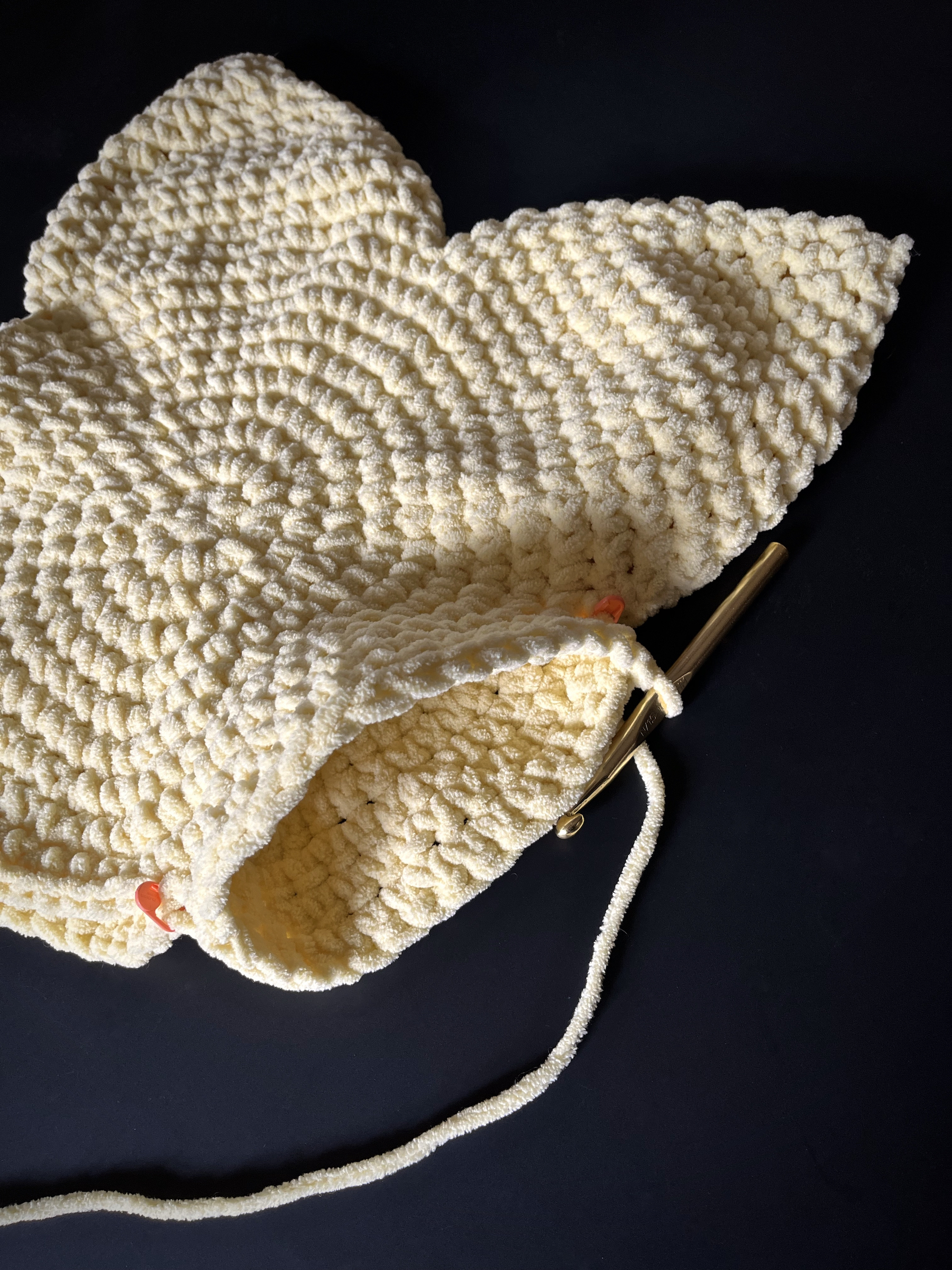
Place the marked centerpiece over the tied-off centerpiece with the more textured sides both facing out, then re-pin the five markers through the aligned stitches of both centerpieces.
Point Round 1: 16 single crochet down one side of the pinned centerpieces from marker to marker with the 16th stitch bringing both sides together just inside the next marker. Then turn your work and do 16 single crochet up the other centerpiece side to reach your starting point (32). Place a stitch maker in the last stitch of this round, which also joins both sides together.
Point Round 2: Single crochet in each stitch around (32). Place a stitch marker in the last stitch of this round (henceforth remove it and move it up to the last stitch in each round after this one).
Point Round 3: 14 single crochet, 1 decline, turn the project around and then 14 single crochet and 1 decline (30).
Point Round 4: 4 single crochet, 1 decline, 4 single crochet, alternating around the point round (27).
Point Round 5: 7 single crochet, 1 decline, alternating around the point round (24).
Point Round 6: 3 single crochet, 1 decline, 3 single crochet, alternating around the point round (21).
Point Round 7: 5 single crochet, 1 decline, alternating around the point round (18).
Point Round 8: 2 single crochet, 1 decline, 2 single crochet, alternating around the point round (15).
Point Round 9: 3 single crochet, 1 decline, alternating around the point round (12).
Point Round 10: 1 single crochet, 1 decline, 1 single crochet, alternating around the point round (9).
Point Round 11: 1 single crochet, 1 decline, alternating around the point round (6).
Point Round 12: Decline 3 times (3).
Cut off your yarn with a little bit of a tail. Attach a yarn needle and insert your needle through the top 3 stitches of the point and pull them tight to make a sharper point. Then stitch the rest of the tail into the body.
To begin a new point with loose yarn, insert your hook into the first stitch, yarn over with your loose yarn and pull through, then complete the stitch by yarning over and pulling through this loop. This will anchor your loose yarn to the next point and mark the first stitch.
Repeat steps 15 through 27 to create the next point. If you’re feeling lost, remember to always count your stitches. At the end of each round the amount of stitches should match the number I’ve put into parenthesis for that round.
Continue repeating steps 15 through 27 until you have completed 4 points of the star, then stuff what you’ve completed. Do not worry about the holes at the base of each point, we will sew them up once we’ve completed the final point.
Begin the last point and stuff it a little at a time as you stitch upwards. Finish the stuffing with chopstick and tie off.
Once the star has been stuffed and completed with 5 points, use the same yarn and a yarn needle to sew up any holes, found at the base in between each point. Concealing any excess yarn by stitching it into the body of the star.
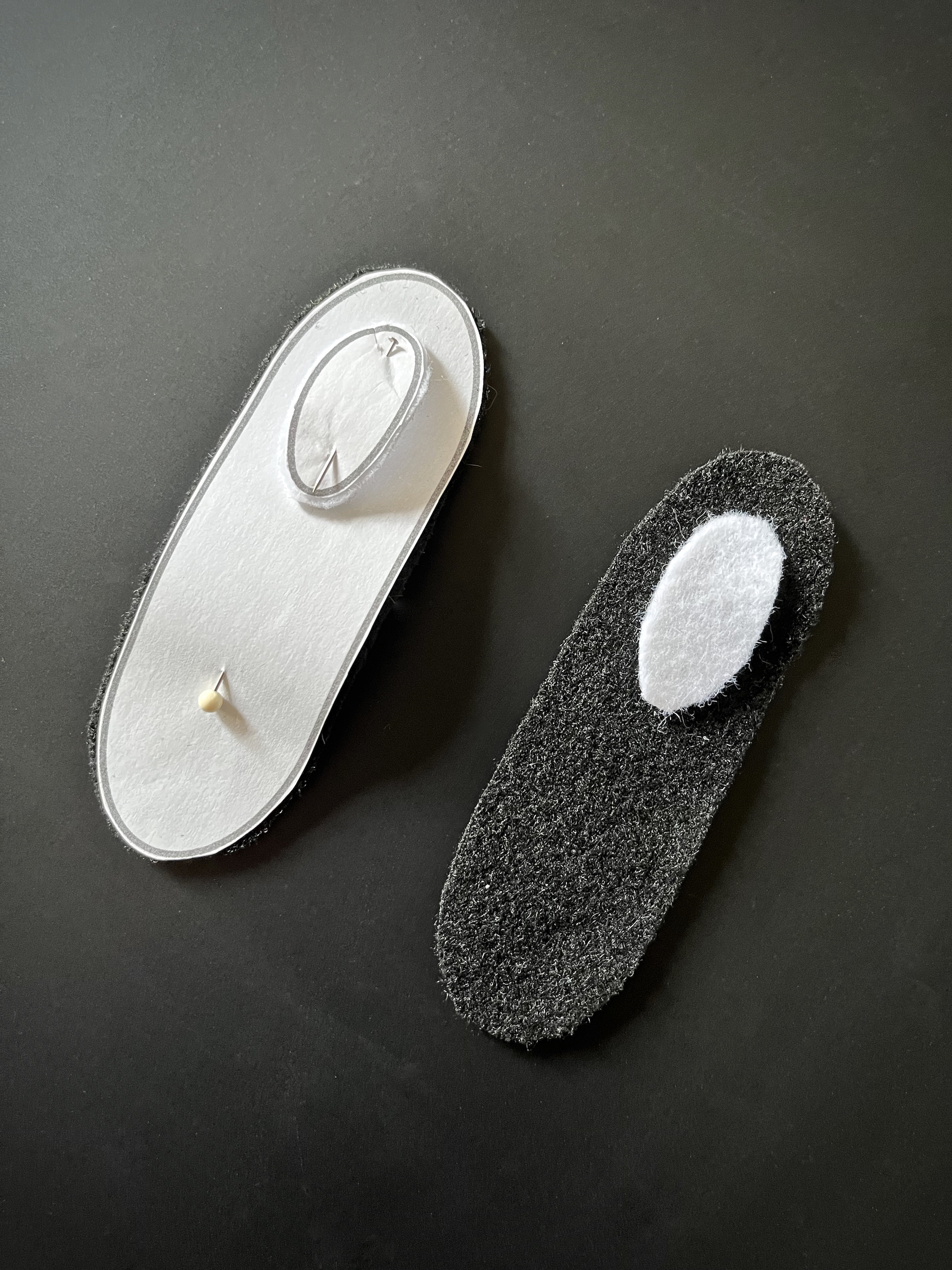
Once the star has been completed. Cut out the pieces for the felt eyes using the patterns I’ve provided, and the black and white felt.
Stitch the white highlights onto the black backgrounds, then stitch the eyes onto the pillow.
Have you ever been undecided on what to play next?
Should you buy that game? Should you install that game?
I’ve been there, and sometimes you just need to take a look at the graphics, hear the music, and learn a little about the plot to see if it resonates with you before taking the next step. I’m here to help! I am creating the first 30 to the first 60 minute videos of games; indie and mainstream, new and old!
This week let’s take a look at the first 30 minutes of Crash Bandicoot 4: It’s About Time…
Welcome back friends! We bought a new refrigerator some time ago and I’ve been thinking it would be nice to decorate it with some Super Mario Bros. magnets! Also, March 10th is Mario Day!
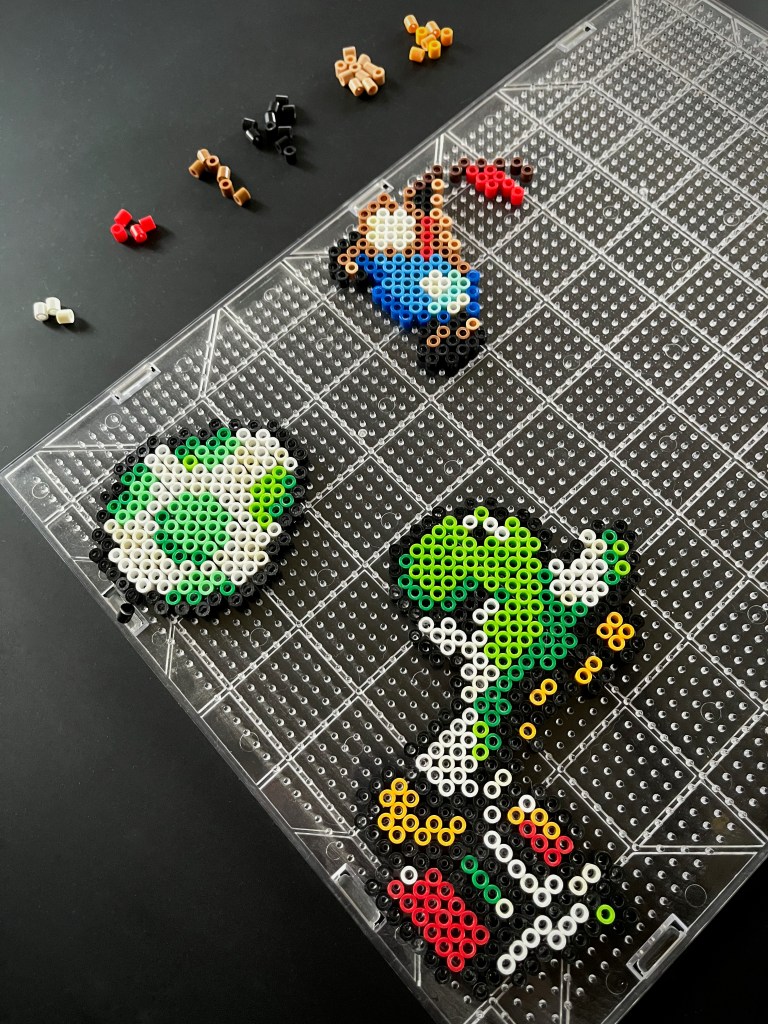
Working with a limited amount of black and white perler beads, I chose a handful of characters / objects from Super Mario World to begin with, and more to come! I created (and the pictures of the patterns are included below) for small Mario, small Luigi, a coin, Yoshi’s egg and Yoshi.
The magnets turned out great! I left them a little less melted on outward facing side because I like the look, but you are always welcome to melt them more! Be careful with the iron, but don’t be afraid to make some mistakes! Mistakes happen for everyone, you may see two pieces of my Mario’s mustache that were over-melted from an unevenly heated iron, but if it’s not worth scrapping the whole piece, embrace it!
Let’s get started!
SUPPLIES
Fuse beads
Fuse bead pegboard
Parchment paper
Point tweezers (optional)
Painter’s tape
Seam ripper
Iron
Iron-safe surface
Peel and stick magnet discs
INSTRUCTIONS
If your beads did not come pre-sorted by color, sort them into the colors you need per character and/or object.
On your pegboard, begin laying out the appropriate colored beads for the character(s) and/or object(s) you’ve chosen. I recommend working on one character/object at a time, then moving on to the next.
If you are having a hard time placing beads into specific places, use pointed tweezers to pick up each bead and then insert it.
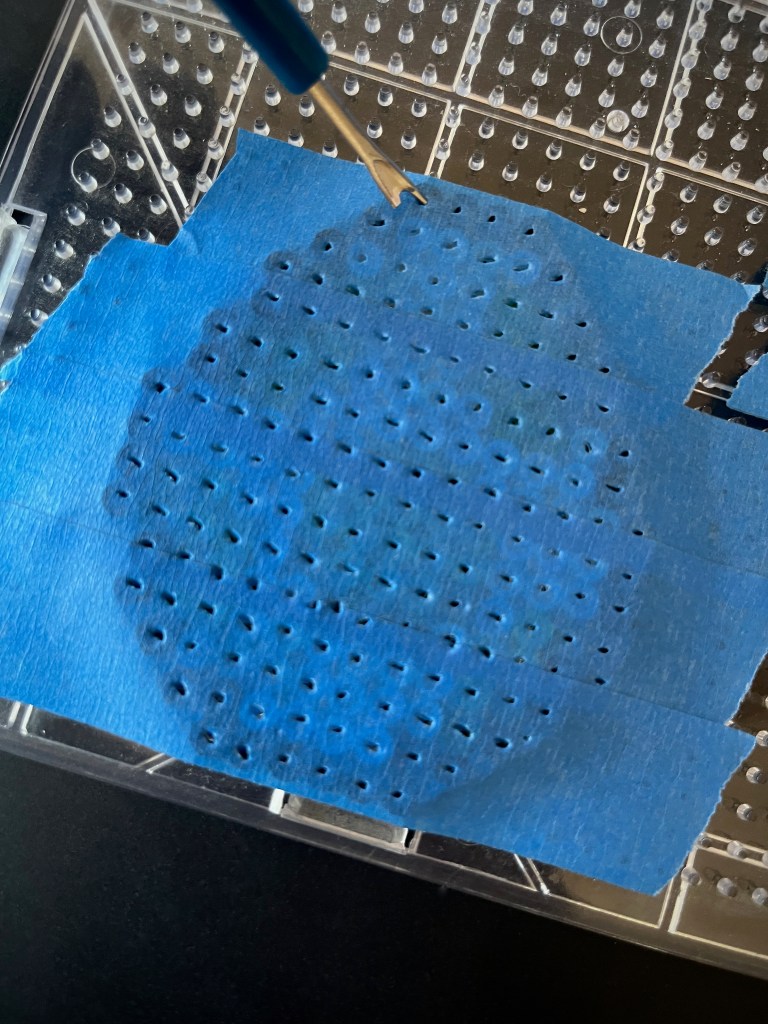
Once each character has been completed, take strips of painter’s tape and cover that character, slightly layering each piece of tape so it’s one connected piece.
Take a seam ripper (or other sharp pointed tool) and poke a small hole into the center of each fuse bead in the pattern. This allows built up heat to escape the tape when ironing.
Carefully remove the taped pattern from the peg board and place it tape-side down on an iron-safe surface. Then place parchment, wax, or ironing paper over it.
Heat a dry iron to a medium heat and as smoothly and evenly as you can, begin to iron the project in a circular motion. Do not press down. Beads take about 10 to 20 seconds per side to fuse evenly and some colors may fuse more quickly than others.
When the beads begin to fuse together you’ll see their colors more clearly through the paper and the center holes will shrink to a pinhole size. Lift the paper occasionally to see how the beads are fusing.
Let the design cool, placing a flat and heavy object over it to keep it from curling.
Remove the weight and paper and flip the project over. Peel off the tape and place the paper back on this side of the project.
Repeat step 7 through 9 on this side of the project. I chose to only lightly fuse the beads on this side because I prefer the look, but you are welcome to melt them more!
Remove the weight and paper and flip the project over.
Peel the back-liner off a magnet and attach it to the back of your project. For the smaller objects like the coin and egg, I used one magnet. For Mario and Luigi I used two, spread evenly. And for Yoshi, I used three magnets, spread evenly!
Stick to you refrigerator or other magnetic surface and enjoy!
Have you ever been undecided on what to play next?
Should you buy that game? Should you install that game?
I’ve been there, and sometimes you just need to take a look at the graphics, hear the music, and learn a little about the plot to see if it resonates with you before taking the next step. I’m here to help! I am creating the first 30 to the first 60 minute videos of games; indie and mainstream, new and old!
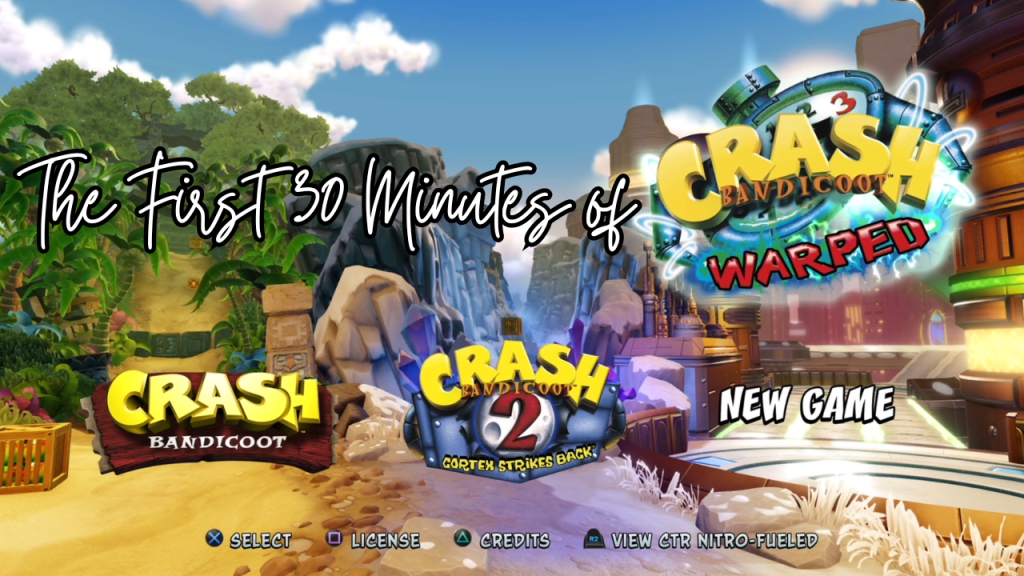
This week let’s take a look at the first 30 minutes of Crash Bandicoot: Warped…
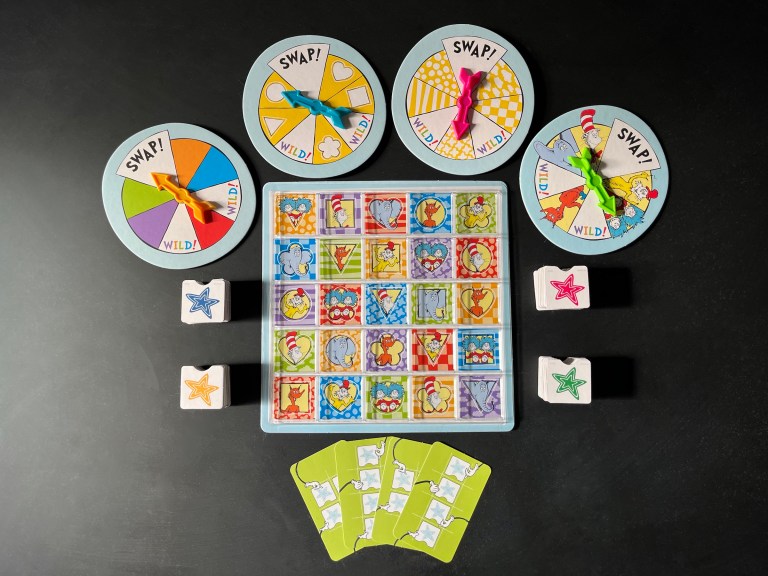
Part of the fun in raising Zoey is finding things that delight and educate her; I want to find fun, creative board games to play with her during our family game nights! This week we played the Dr. Seuss Pattern Party Game for 2 to 4 players!
This game was a Christmas gift to Zoey from her great aunt and uncle, and we love it! Zoey has enjoyed most of the Dr. Seuss books we have read to her and the opportunity to play a game with all the characters she recognizes is an opportunity we can’t pass up! Especially when Dr. Seuss’s birthday is coming up on March 2nd!
Let’s play!
IN THE BOX
4 game spinners
A game board
Goal cards
Tiles
INSTRUCTIONS
Place the board in the center of the play area.
Each player chooses a color (blue, green, red, yellow) and then takes all the tiles of that color.
Starting with the youngest player, each player chooses a spinner and a goal card (if you are playing with fewer than four players, place the remaining spinners next the game board in front of pretend players, then leave the remaining tiles and goal cars in the box).
Each player places their goal card in front of them. Each goal card has a basic green side and an advanced pink side. When you set up the game, choose which side to use (you may want to choose a different side for each player, such as younger players using green sides and older players using pink sides).
On your turn, spin your spinner.
If you spin a picture (character, color, shape or pattern) play one of your tiles on a matching space on the game board. If there are no matching spaces, you may play on an empty space. You cannot play on a space that already has a tile.
If you spin WILD!, play one of your tiles on any space on the game board. You can even play on another tile if your tile will fit – only four tiles may stack in each space.
If you spin SWAP!, everyone passes their spinner to the left. If you’re playing with fewer than four players, don’t forget to pass the pretend players’ spinners. Then spin again!
You can match squares on your goal card anywhere on the game board, even if they’re facing a different direction.
The first player with four of their tiles showing on the game board that match their goal card is the winner!
Have you ever been undecided on what to play next?
Should you buy that game? Should you install that game?
I’ve been there, and sometimes you just need to take a look at the graphics, hear the music, and learn a little about the plot to see if it resonates with you before taking the next step. I’m here to help! I am creating the first 30 to the first 60 minute videos of games; indie and mainstream, new and old!
This week let’s take a look at the first 30 minutes of Crash Bandicoot 2: Cortex Strikes Back…
Have you ever been undecided on what to play next?
Should you buy that game? Should you install that game?
I’ve been there, and sometimes you just need to take a look at the graphics, hear the music, and learn a little about the plot to see if it resonates with you before taking the next step. I’m here to help! I am creating the first 30 to the first 60 minute videos of games; indie and mainstream, new and old!
This week let’s take a look at the first 60 minutes of Banishers: Ghosts of New Eden…


















 Whole Heartily