DIY – Crochet Pumpkin with a Cinnamon Stick Stem

Welcome back friends! Do you crochet? I dabbled in crochet off and on for a few years, always fascinated, but never fully catching on. I kept at it, and suddenly, it clicked! I feel calm and cozy when I’m crocheting, and fiercely proud whenever I complete a project.

It’s that time of year for autumn decor! So let’s create a crochet pumpkin with a cinnamon stick stem!

SUPPLIES
  • Crochet hook (size 5.5mm)
  • Medium yarn (size 4)
  • Fiberfill stuffing
  • Scissors
  • Yarn needle
INSTRUCTIONS
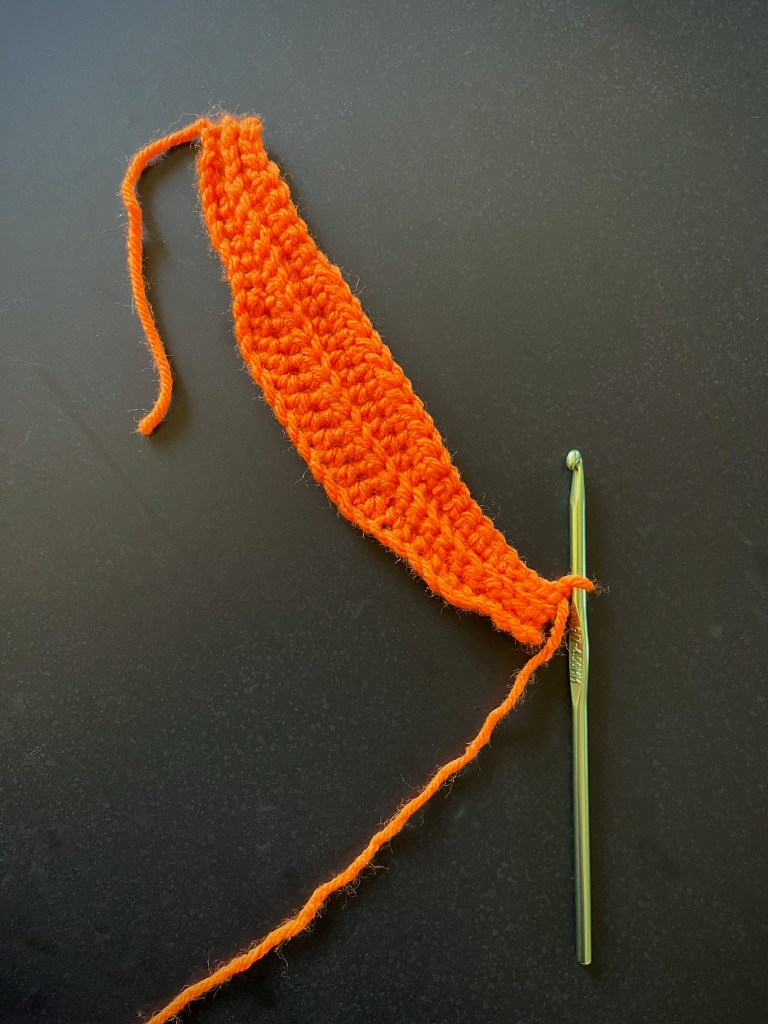
  1. Create a slip knot and then chain 31 stitches.
  2. For this piece, we will be working in the back loop only for all stitches.
  3. Starting in the 2nd chain from the hook, create 3 slip stitches, 6 single crochets, 12 half double crochets, 6 single crochets and 3 slip stitches. Then chain 1 and turn the project around.
  4. Repeat step 3 until the project measures about 12 inches long across the center.
  5. Join the two short sides of the project together, and insert the hook into the back loop of the working stitches and the starting chain as you stitch the final row.
  6. Sew a running stitch along the bottom edges of the project and pull to gather. Then tie a knot, weave in some of the excess yarn, and cut off the rest.
  7. Turn the pumpkin project over and stuff it with fiberfill until it’s as plump as you want it.
  8. Sew a running stitch along the top of the pumpkin and pull to gather, leaving a hole large enough to insert a cinnamon stick. Then tie a knot, weave in some of the excess yarn and cuts off the rest.
  9. Insert a cinnamon stick into the hole you left for it at the top of the pumpkin. You can hot glue it in place or leave it loose like I did so that I can replace the cinnamon stick if it looses its smell!
  10. Place in your house an enjoy!

How to Dye Cotton Flour Sack Towels

I wonder why white dish towels are so popular? They are nearly impossible to keep stainless and who wants stained and dirty looking dish towels hanging in the kitchen? Trying something new, I purchased a 5-pack of white flour sack towels and dyed them blue! Let me show you how!

SUPPLIES
  • Cotton flour-sack towels
  • Plastic table cover 
  • Paper towels
  • Rubber gloves
  • Plastic container or stainless steel sink
  • Large metal spoon
  • 1 teaspoon of dishwashing detergent
  • 1 cup of salt
  • Rit All-Purpose Dye (liquid)
INSTRUCTIONS
  1. To remove any finishes that may interfere with dye absorption, pre-wash the flour sack towels in warm, soapy water without any fabric softener.
  2. Prepare your workspace. If you do not have an asphalt driveway to work on like myself, cover your workspace with plastic table cover and have paper towels handy to protect against any possible spills.
  3. To protect your hands from hot water and staining, please wear rubber gloves.
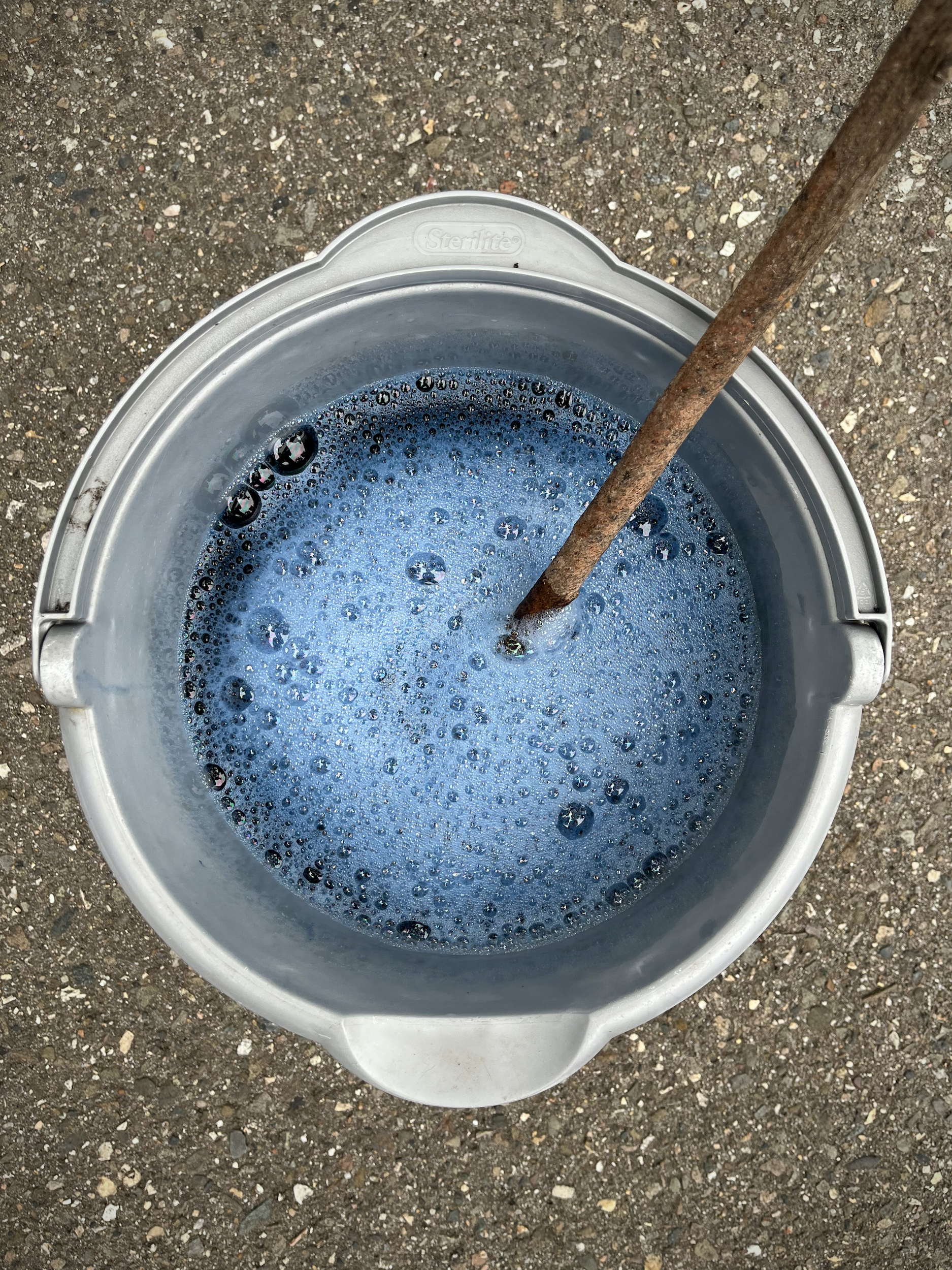
  4. Fill a plastic container or stainless steel sink with enough water for the fabric to move freely when stirred. This water should ideally be 140°F. My tap did not get hot enough, so I used an electric kettle to heat the water and it worked out well!
  5. To enhance the color in cotton: add 1 cup of salt and 1 teaspoon of dish detergent.
  6. Shake the liquid dye well and add it to the dye-bath.
  7. Test the color by dipping a paper towel into the dye-bath. If color is too light, add more dye. If color is too dark, add more water. I used the whole 8 oz. bottle of dye in a plastic bucket filled 2/3 of the way full with water.
  8. Wet the towels, squeeze out any excess water, and add them to the dye-bath.
  9. The first 10 minutes are the most critical, stir slowly and continuously to ensure an even color.
  10. The towels can remain in the dye-bath from 10 minutes up to one hour with stirring. I left mine in for about 45 minutes.
  11. When the desired color is achieved, remove the towels from the dye-bath. Keep in mind that the fabric will look darker when wet and will dry lighter.
  12. Rinse the towels in cool water until the water begins to run clear.
  13. Wash them in warm water with a mild detergent, rinse and dry.
  14. Enjoy!

DIY – Sensory Slime

Part of the fun in raising Zoey is making things that delight her; I want to create fun, educational activities for her that are made with love and will be loved!

I don’t believe I ever played with slime as a child, but it is super fascinating and fun to play with even as an adult! Adults should mix the slime, or supervise while a child over the age of 6 mixes. This recipe is safer for children to handle, but if they are younger than the age of 6 please supervise and please do not let them eat any!

Let’s make some slime!

SUPPLIES
  • 8 oz of washable school glue (i.e. Elmer’s)
  • 1 to 2 drops of liquid food coloring (optional)
  • 1/4 cup glitter (optional)
  • 1 teaspoons of baking soda
  • 2 tablespoons of saline solution (contact lens solution)
INSTRUCTIONS
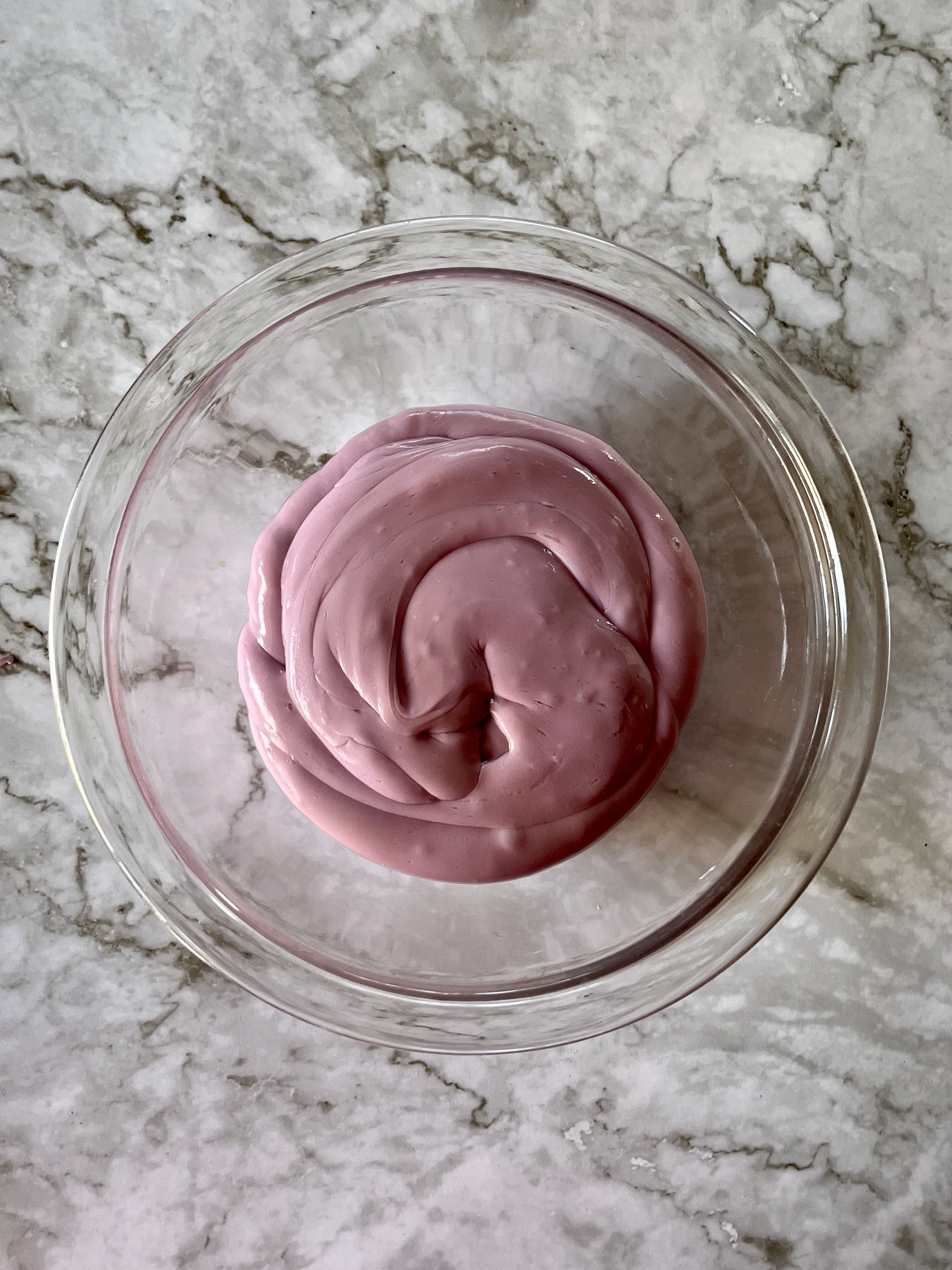
  1. Squeeze the glue into a medium bowl, then stir in the food coloring and glitter if desired.
  2. Add the baking soda to the glue mixture and stir until smooth.
  3. Add 2 tablespoons of the saline solution and stir slowly until the mixture forms into a blob and becomes stringy.
  4. Pick up the slime and work it between your hands, until smooth.
  5. Enjoy and store in an airtight container so you can enjoy again!

Water Table Accessory and Activity Ideas

Water Table Activities

Part of the fun in raising Zoey is making things that delight her; I want to create fun, educational activities for her that are made with love and will be loved!

With how much young ones love water, water tables are perfection during the hot summer months! Set them up in a comfortable location with some shade, and watch them play to their hearts content! They can play with the table as is, or you can add accessories to make the play even more engaging and fun! 

Here to inspire you, I’ve created a list of water table accessory/activity ideas to keep the kiddos entertained for hours!

**If you live in California or any other location where wasting water may be an issue, no worries! Bypass adding any food coloring to the play water and once you’re done, you can use it to water your plants!