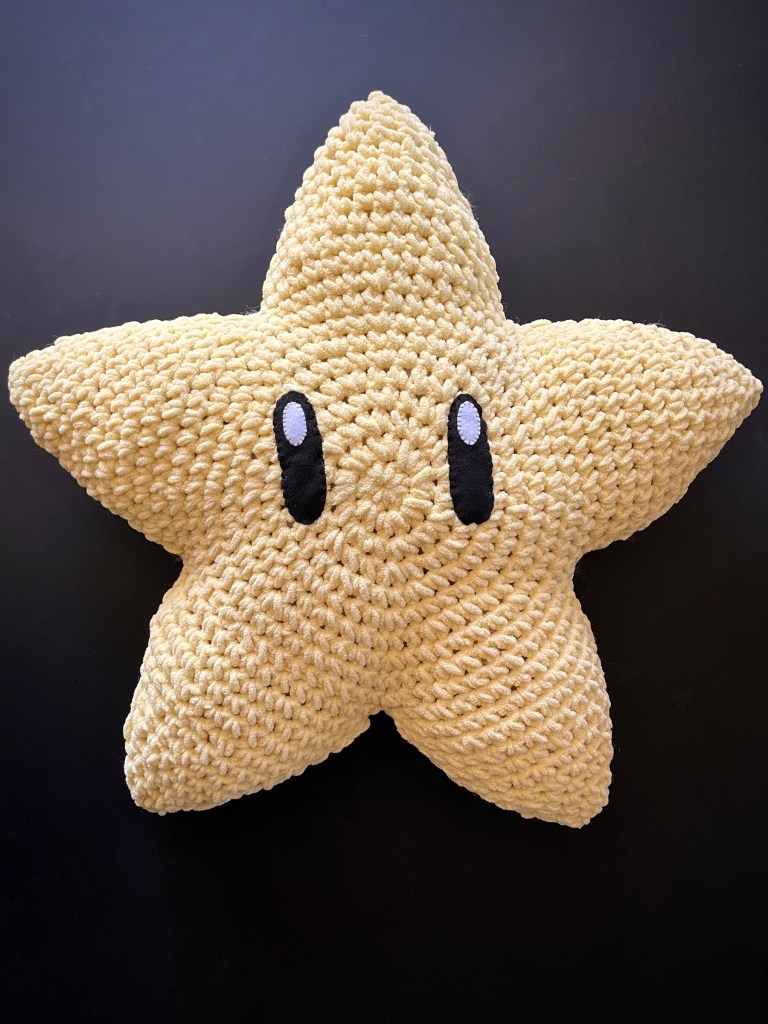
DIY Crochet – Super Mario Super Star

Welcome back friends! Do you crochet? I do! I feel calm and cozy when I’m crocheting, and fiercely proud whenever I complete a project.

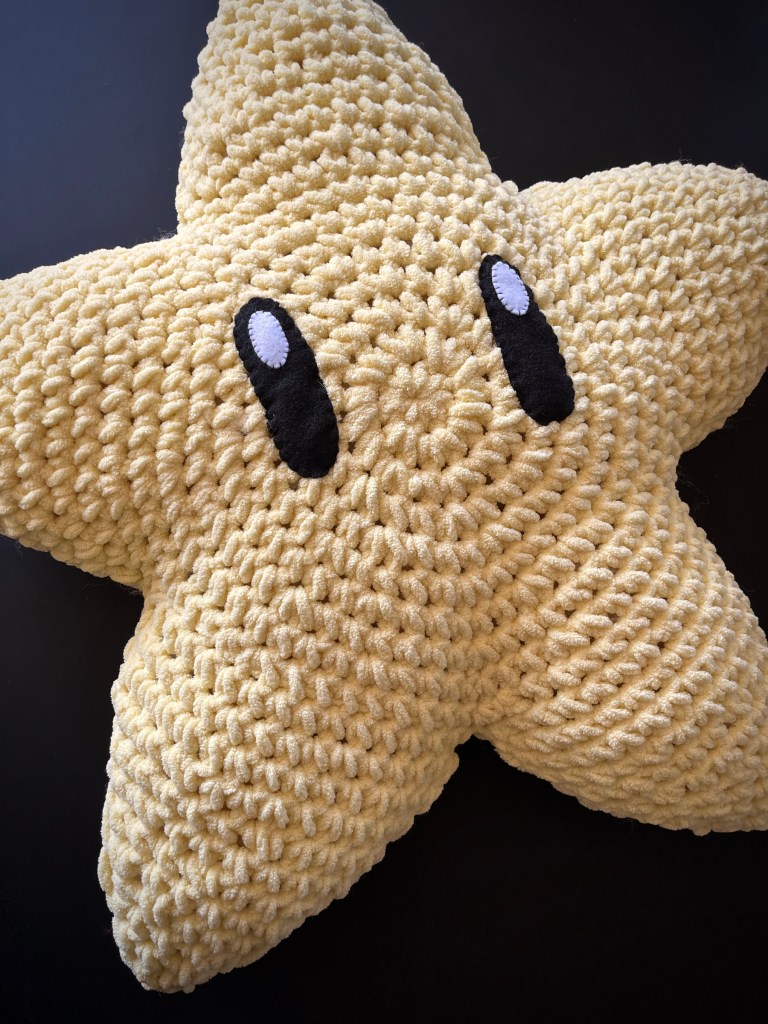
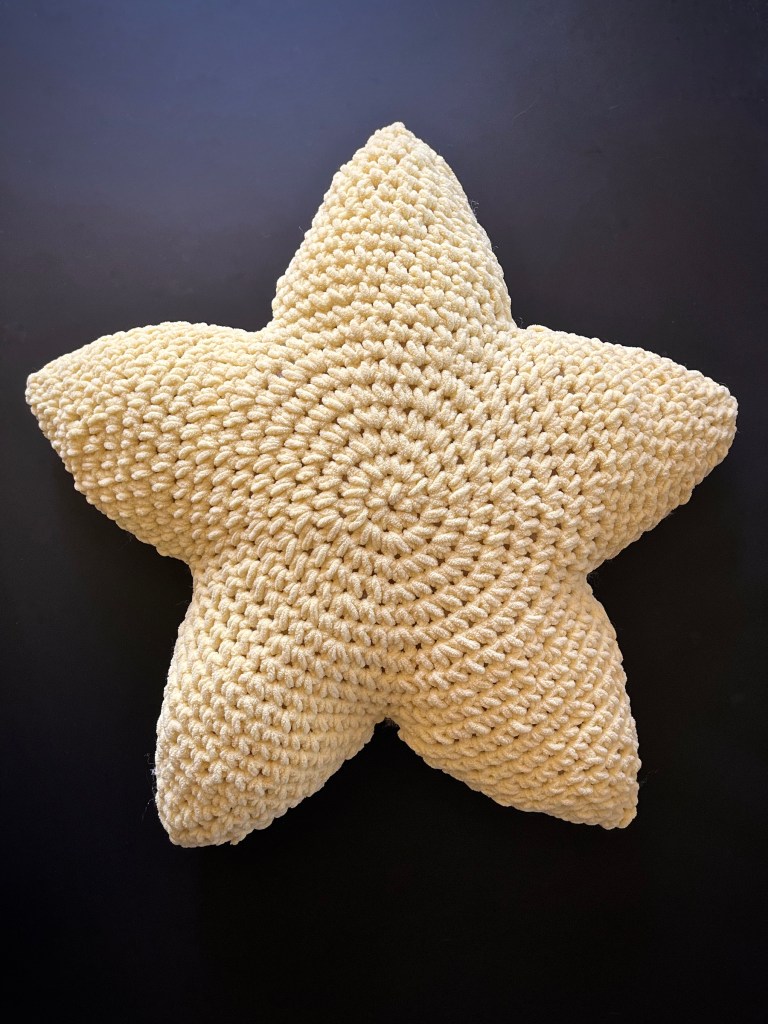
March 10th was Mario Day! In celebration I created this super soft and cuddly Super Star pillow! This pattern is intermediate and ideal for those who know their way around “magic rings”, “increases” and “decreases”. Any chenille-style yarn, size 6, can be used in this pattern, but for my example piece I used Bernat Baby Blanket Yarn in buttercup yellow.

Let’s get started!

SUPPLIES
  • Crochet hook (size 10 mm)
  • Chenille-style yarn (size 6)
  • Scissors
  • Yarn needle or small crochet hook
  • Fiber fill
  • Black felt
  • White felt
  • Black thread
  • Sewing needle
INSTRUCTIONS
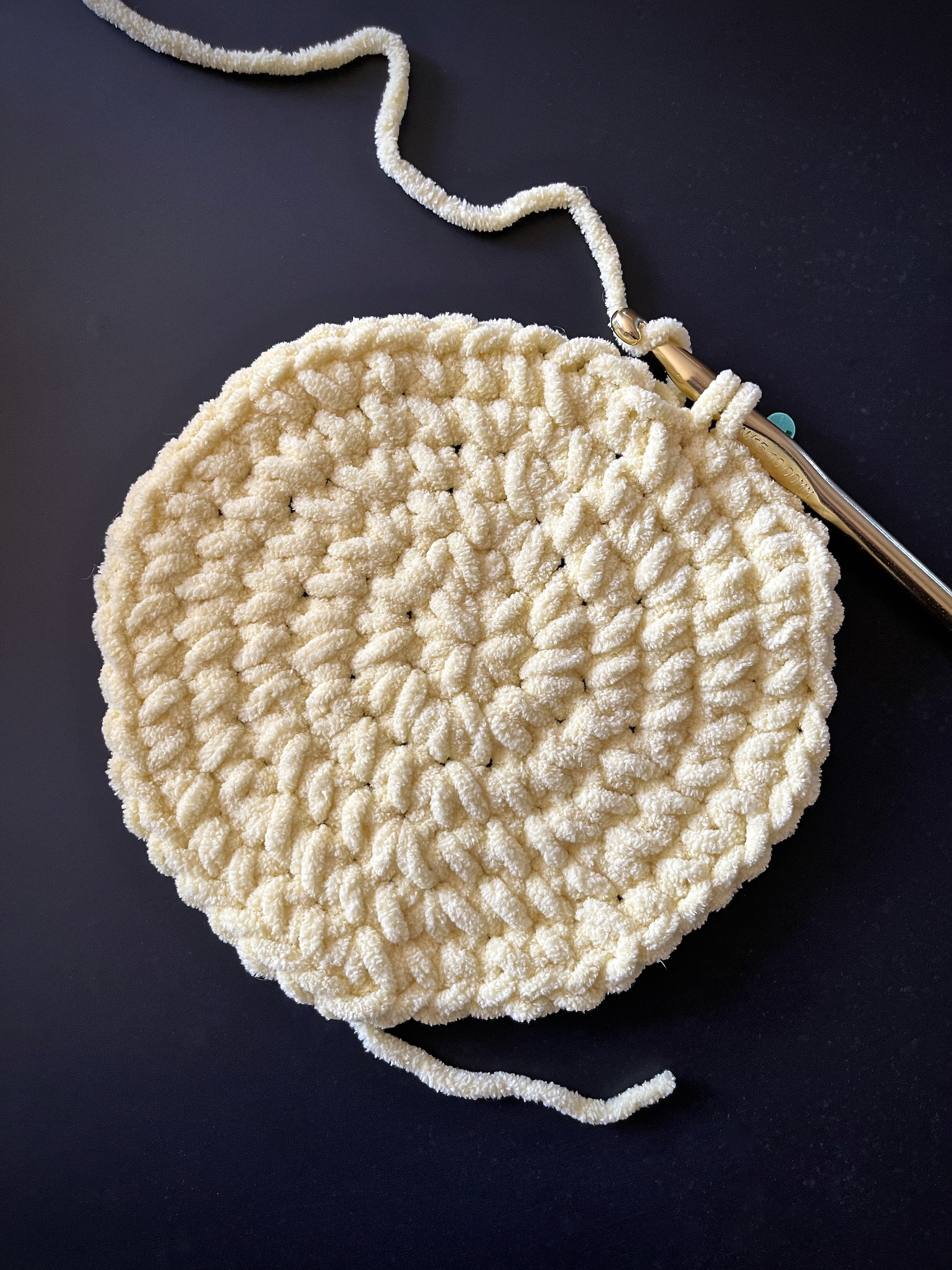
  1. Round 1: Create a magic ring with 8 single crochets (total of 8 stitches). Place a stitch marker in the last stitch of this round.
  2. Round 2: Increase in each stitch around (total of 16 stitches). Place a stitch marker in the last stitch of this round (henceforth remove it and move it up to the last stitch in each round after this one).
  3. Round 3: 1 single crochet, 1 increase, alternating around the round (24).
  4. Round 4: 1 single crochet, 1 increase, 1 single crochet, alternating around the round (32).
  5. Round 5: 3 single crochet, 1 increase, alternating around the round (40).
  6. Round 6: 2 single crochet, 1 increase, 2 single crochet, alternating around the round (48).
  7. Round 7: 5 single crochet, 1 increase, alternating around the round (56).
  8. Round 8: 3 single crochet, 1 increase, 3 single crochet, alternating around the round (64).
  9. Round 9: 7 single crochet, 1 increase, alternating around the round (72).
  10. Round 10: 4 single crochet, 1 increase, 4 single crochet, alternating around the round (80).
  11. Finish off the first center piece of the star by slip stitching into the next stitch, then cutting the yarn pulling the end through. Using a yarn needle, stitch the loose end of the yarn into the body of the center piece and set it aside.
  12. Repeat steps 1 through 10 to create a second center piece of the star. This time, do not slip stitch, leave the yarn attached and move the stitch marker to the last stitch.
  13. On this second center piece that we have not tied off, count 16 stitches from the marker on your last stitch from the round before and put a stitch marker through the 16th stitch. Count 16 stitches from this marker and place another marker through that stitch. Continue this around your center piece until you have 5 markers total.
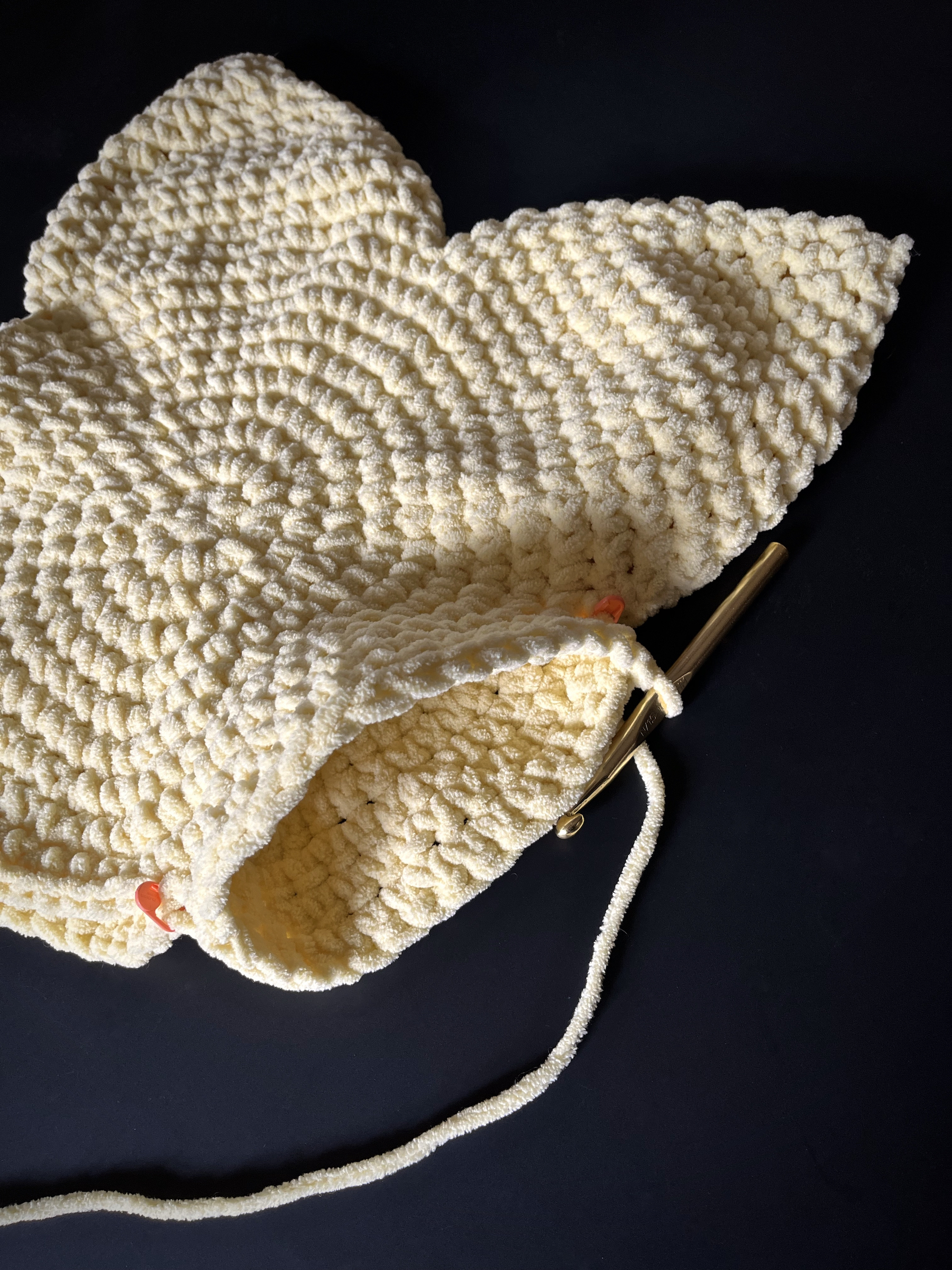
  14. Place the marked centerpiece over the tied-off centerpiece with the more textured sides both facing out, then re-pin the five markers through the aligned stitches of both centerpieces.
  15. Point Round 1: 16 single crochet down one side of the pinned centerpieces from marker to marker with the 16th stitch bringing both sides together just inside the next marker. Then turn your work and do 16 single crochet up the other centerpiece side to reach your starting point (32). Place a stitch maker in the last stitch of this round, which also joins both sides together.
  16. Point Round 2: Single crochet in each stitch around (32). Place a stitch marker in the last stitch of this round (henceforth remove it and move it up to the last stitch in each round after this one).
  17. Point Round 3: 14 single crochet, 1 decline, turn the project around and then 14 single crochet and 1 decline (30).
  18. Point Round 4: 4 single crochet, 1 decline, 4 single crochet, alternating around the point round (27).
  19. Point Round 5: 7 single crochet, 1 decline, alternating around the point round (24).
  20. Point Round 6: 3 single crochet, 1 decline, 3 single crochet, alternating around the point round (21).
  21. Point Round 7: 5 single crochet, 1 decline, alternating around the point round (18).
  22. Point Round 8: 2 single crochet, 1 decline, 2 single crochet, alternating around the point round (15).
  23. Point Round 9: 3 single crochet, 1 decline, alternating around the point round (12).
  24. Point Round 10: 1 single crochet, 1 decline, 1 single crochet, alternating around the point round (9).
  25. Point Round 11: 1 single crochet, 1 decline, alternating around the point round (6).
  26. Point Round 12: Decline 3 times (3).
  27. Cut off your yarn with a little bit of a tail. Attach a yarn needle and insert your needle through the top 3 stitches of the point and pull them tight to make a sharper point. Then stitch the rest of the tail into the body.
  28. To begin a new point with loose yarn, insert your hook into the first stitch, yarn over with your loose yarn and pull through, then complete the stitch by yarning over and pulling through this loop. This will anchor your loose yarn to the next point and mark the first stitch.
  29. Repeat steps 15 through 27 to create the next point. If you’re feeling lost, remember to always count your stitches. At the end of each round the amount of stitches should match the number I’ve put into parenthesis for that round.
  30. Continue repeating steps 15 through 27 until you have completed 4 points of the star, then stuff what you’ve completed. Do not worry about the holes at the base of each point, we will sew them up once we’ve completed the final point.
  31. Begin the last point and stuff it a little at a time as you stitch upwards. Finish the stuffing with chopstick and tie off.
  32. Once the star has been stuffed and completed with 5 points, use the same yarn and a yarn needle to sew up any holes, found at the base in between each point. Concealing any excess yarn by stitching it into the body of the star.
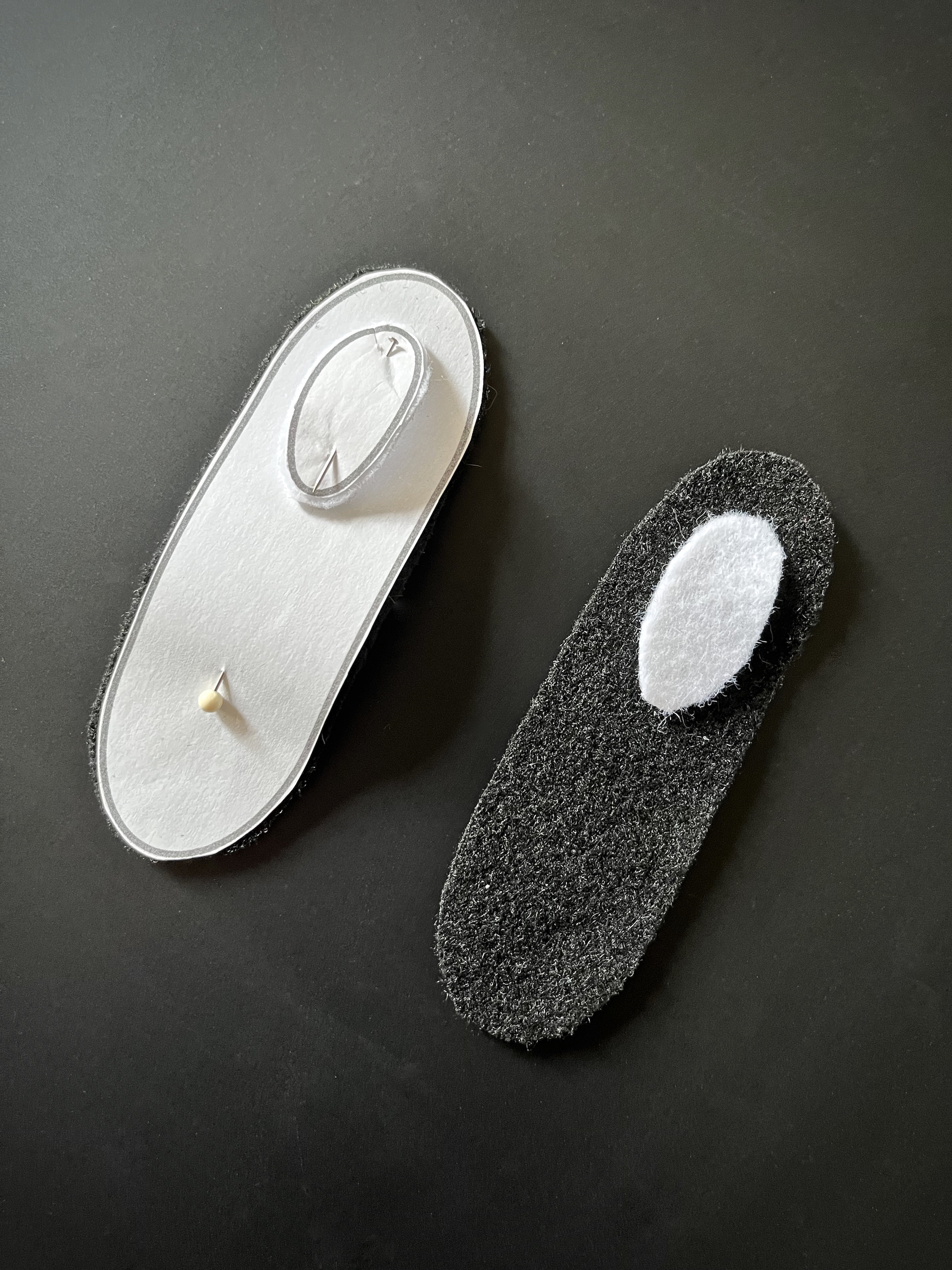
  33. Once the star has been completed. Cut out the pieces for the felt eyes using the patterns I’ve provided, and the black and white felt.
  34. Stitch the white highlights onto the black backgrounds, then stitch the eyes onto the pillow.
  35. Enjoy!

DIY Fuse Bead – Super Mario World Magnets

Welcome back friends! We bought a new refrigerator some time ago and I’ve been thinking it would be nice to decorate it with some Super Mario Bros. magnets! Also, March 10th is Mario Day!

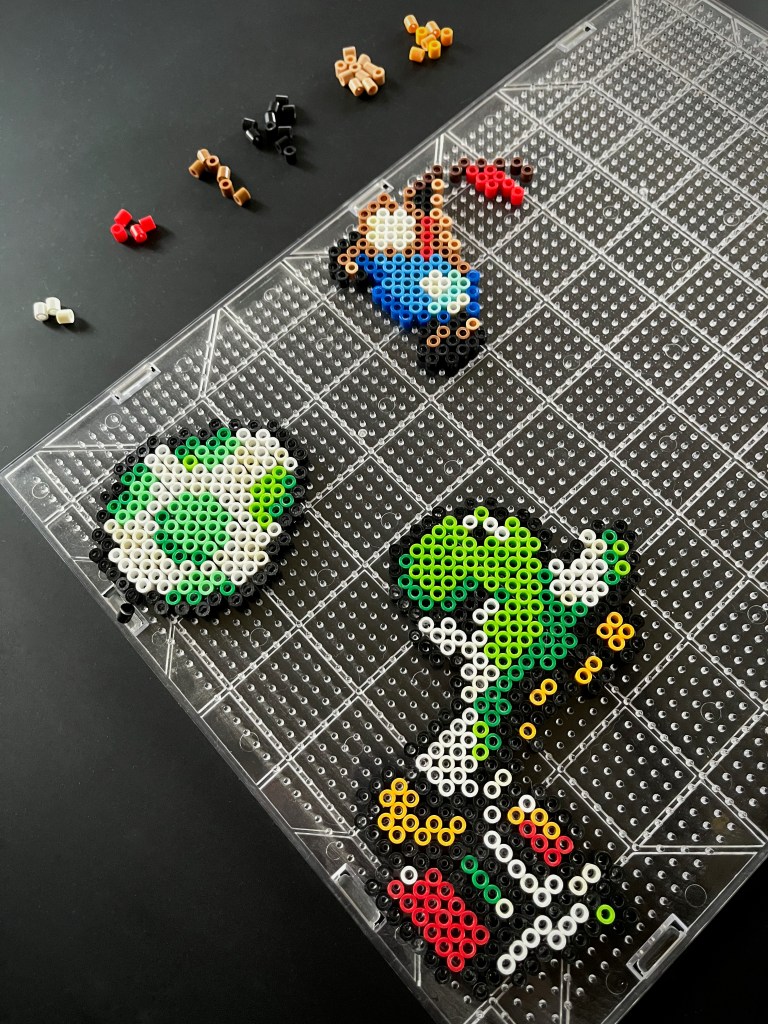
Working with a limited amount of black and white perler beads, I chose a handful of characters / objects from Super Mario World to begin with, and more to come! I created (and the pictures of the patterns are included below) for small Mario, small Luigi, a coin, Yoshi’s egg and Yoshi.

The magnets turned out great! I left them a little less melted on outward facing side because I like the look, but you are always welcome to melt them more! Be careful with the iron, but don’t be afraid to make some mistakes! Mistakes happen for everyone, you may see two pieces of my Mario’s mustache that were over-melted from an unevenly heated iron, but if it’s not worth scrapping the whole piece, embrace it!

Let’s get started!

SUPPLIES
  • Fuse beads
  • Fuse bead pegboard
  • Parchment paper
  • Point tweezers (optional)
  • Painter’s tape
  • Seam ripper
  • Iron
  • Iron-safe surface
  • Peel and stick magnet discs
INSTRUCTIONS
  1. If your beads did not come pre-sorted by color, sort them into the colors you need per character and/or object.
    • Coin: 50 black, 25 white, 17 light brown, 27 bright yellow, 41 gold yellow.
    • Luigi: 63 black, 29 white, 19 bright green, 39 light brown, 18 dark brown, 5 lighter blue, 17 blue, 12 darker blue, 20 lighter tan, 17 golden tan, 2 bright yellow.
    • Mario: 63 black, 29 white, 19 bright red, 39 light brown, 18 dark brown, 5 lighter blue, 17 blue, 12 darker blue, 20 lighter tan, 17 golden tan, 2 bright yellow.
    • Yoshi’s egg: 40 black, 70 white, 19 darker green, 29 lighter green, 8 bright green.
    • Yoshi: 146 black, 63 white, 23 gold yellow, 20 bright red, 34 darker green, 54 bright green.
  2. On your pegboard, begin laying out the appropriate colored beads for the character(s) and/or object(s) you’ve chosen. I recommend working on one character/object at a time, then moving on to the next.
  3. If you are having a hard time placing beads into specific places, use pointed tweezers to pick up each bead and then insert it.
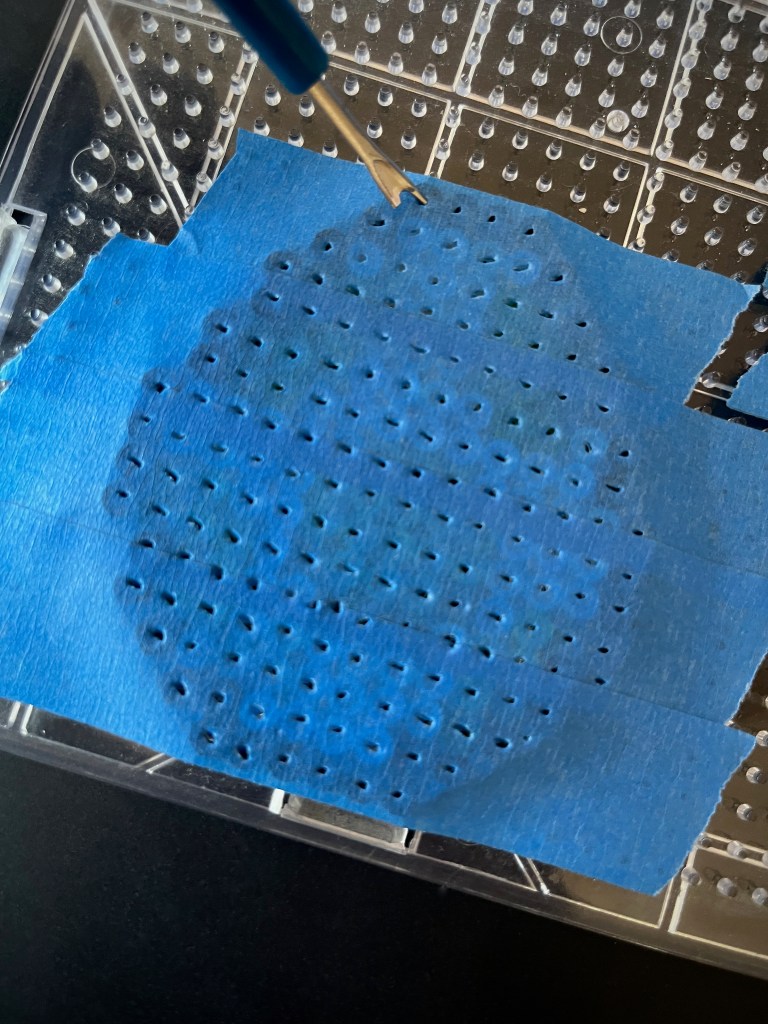
  4. Once each character has been completed, take strips of painter’s tape and cover that character, slightly layering each piece of tape so it’s one connected piece.
  5. Take a seam ripper (or other sharp pointed tool) and poke a small hole into the center of each fuse bead in the pattern. This allows built up heat to escape the tape when ironing.
  6. Carefully remove the taped pattern from the peg board and place it tape-side down on an iron-safe surface. Then place parchment, wax, or ironing paper over it.
  7. Heat a dry iron to a medium heat and as smoothly and evenly as you can, begin to iron the project in a circular motion. Do not press down. Beads take about 10 to 20 seconds per side to fuse evenly and some colors may fuse more quickly than others.
  8. When the beads begin to fuse together you’ll see their colors more clearly through the paper and the center holes will shrink to a pinhole size. Lift the paper occasionally to see how the beads are fusing.
  9. Let the design cool, placing a flat and heavy object over it to keep it from curling.
  10. Remove the weight and paper and flip the project over. Peel off the tape and place the paper back on this side of the project.
  11. Repeat step 7 through 9 on this side of the project. I chose to only lightly fuse the beads on this side because I prefer the look, but you are welcome to melt them more!
  12. Remove the weight and paper and flip the project over. 
  13. Peel the back-liner off a magnet and attach it to the back of your project. For the smaller objects like the coin and egg, I used one magnet. For Mario and Luigi I used two, spread evenly. And for Yoshi, I used three magnets, spread evenly!
  14. Stick to you refrigerator or other magnetic surface and enjoy!

DIY Crochet – Cat Ear Beanie Hat

Welcome back friends! Do you crochet? I dabbled in crochet off and on for a few years, always fascinated, but never fully catching on. I kept at it, and suddenly, it clicked! I feel calm and cozy when I’m crocheting, and fiercely proud whenever I complete a project.

It’s that time of year for keeping warm! And, in the spirit of playing the Pete the Cat and the Missing Cupcakes game, I thought I’d make a blue crochet cat ear hat!

This hat is whimsical and cozy! The pattern is easy, and ideal for any level of crocheter (beginners included)! Any size 4 yarn can be used in this pattern, but for the Pete the Cat blue of my example piece, I used Red Heart yarn in the “soft navy” color. The size of the hat can also be adjusted for smaller heads by reducing the amount of rows to match half the circumference of the intended person’s head.

Let’s get started!

SUPPLIES
  • Crochet hook (size 5.50 mm)
  • Red Heart yarn (color: soft navy)
  • Scissors
  • Yarn needle or small crochet hook
INSTRUCTIONS
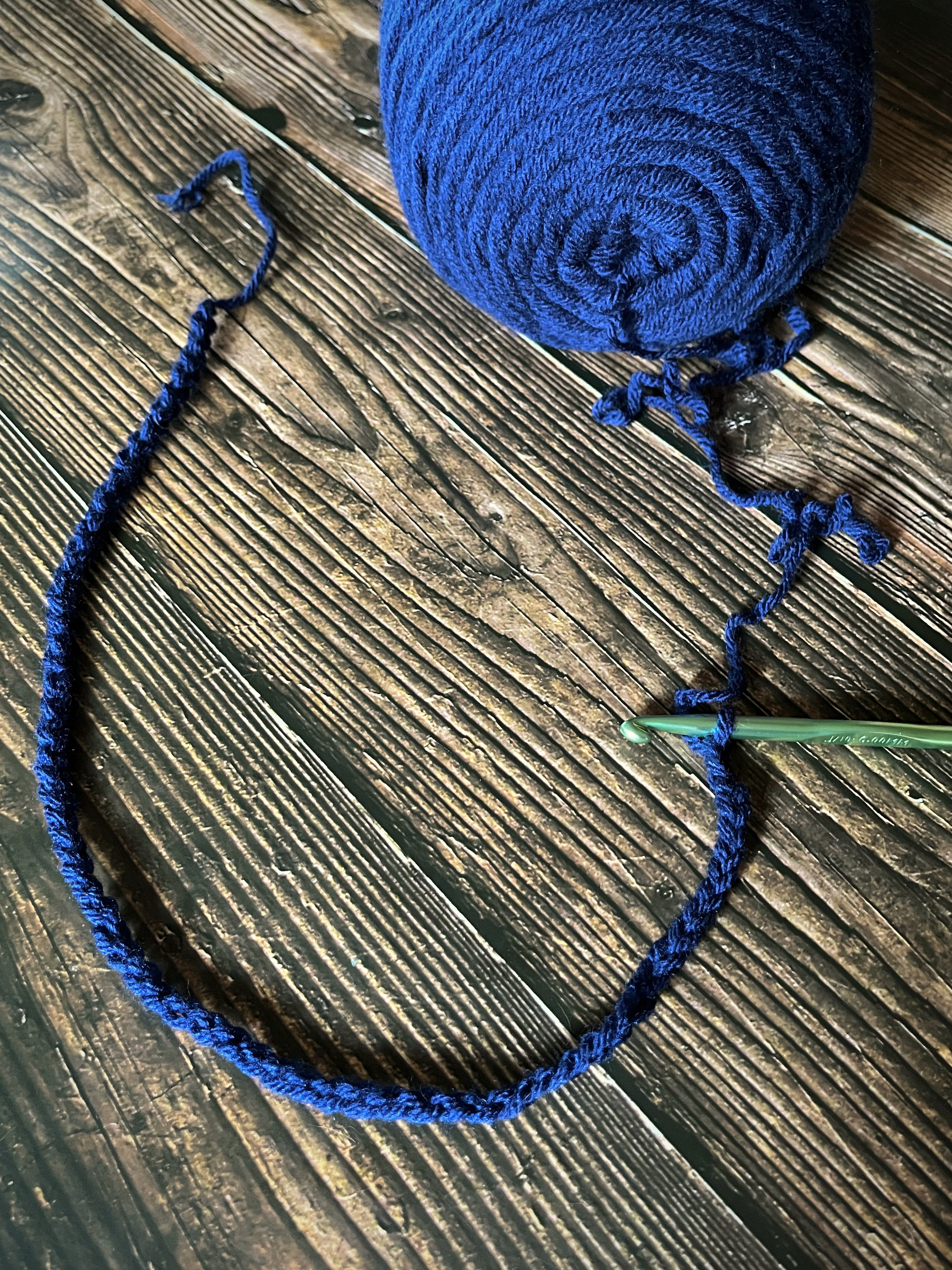
  1. Create a slip knot and then at least 60 chain stitches (you can chain a few more if you want to make the brim wider). I wanted a wider brim/slouchier hat so I chained 70.
  2. Turn your chain around and half double crochet (hdc) into the third stitch from the hook, then continue to hdc all the way across your chain.
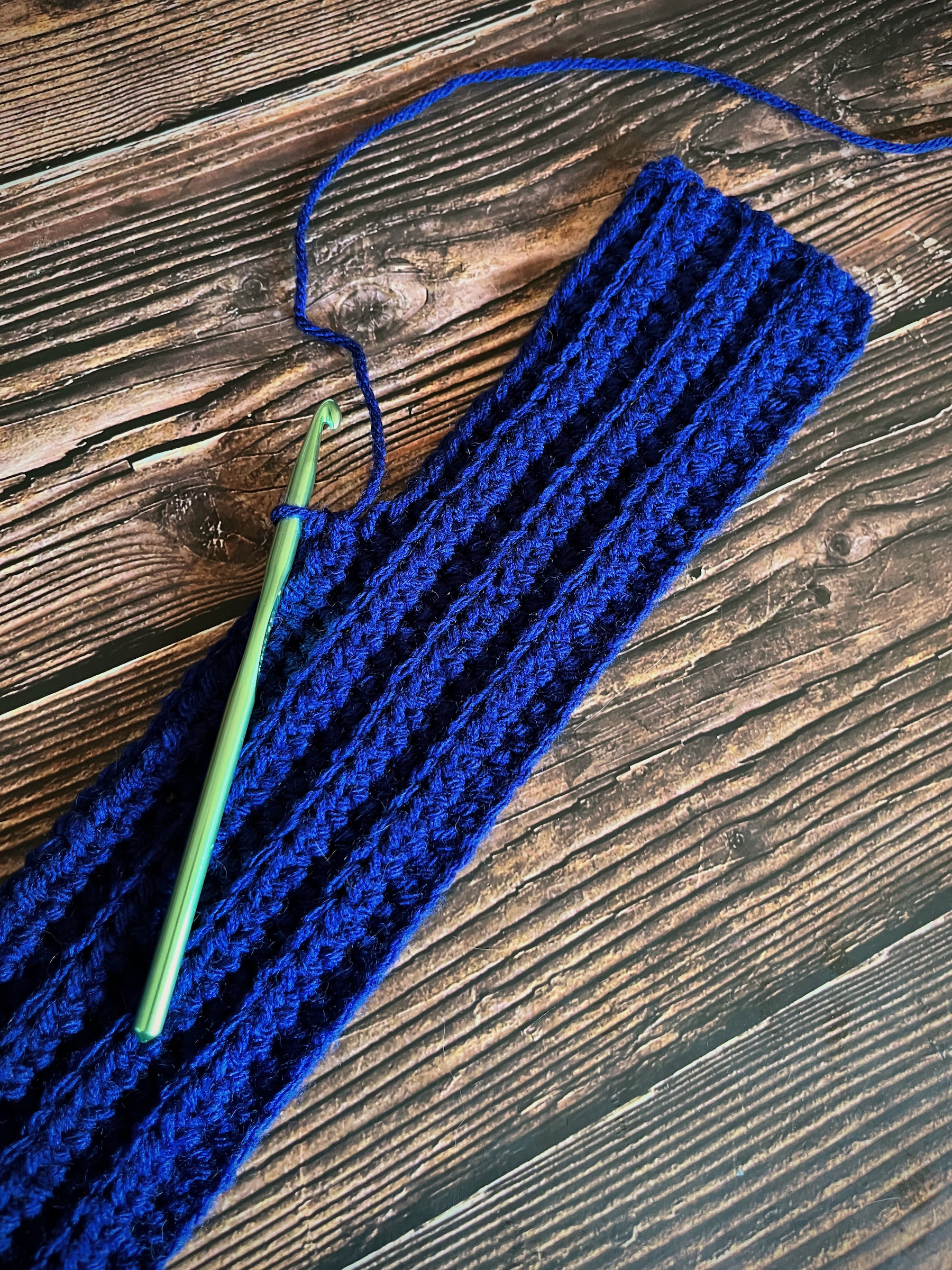
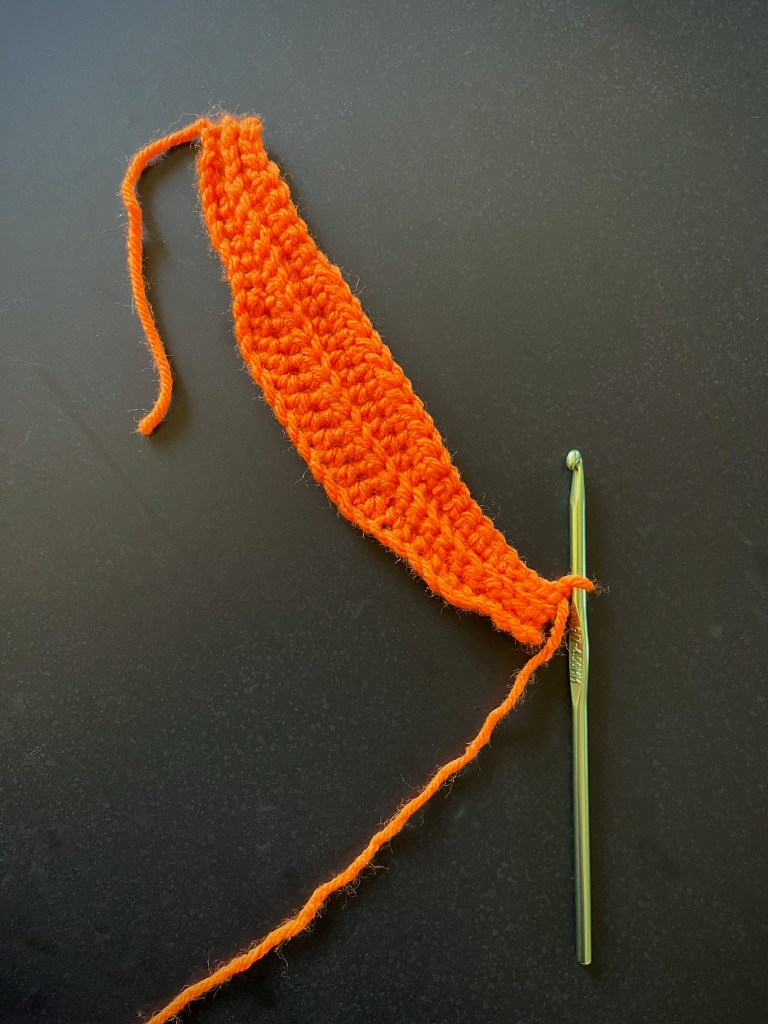
  3. Chain 2 and turn your work. Hdc into the back loop of the third stitch from the hook, then continue to hdc in the back loops of each stitch all the way across your project.
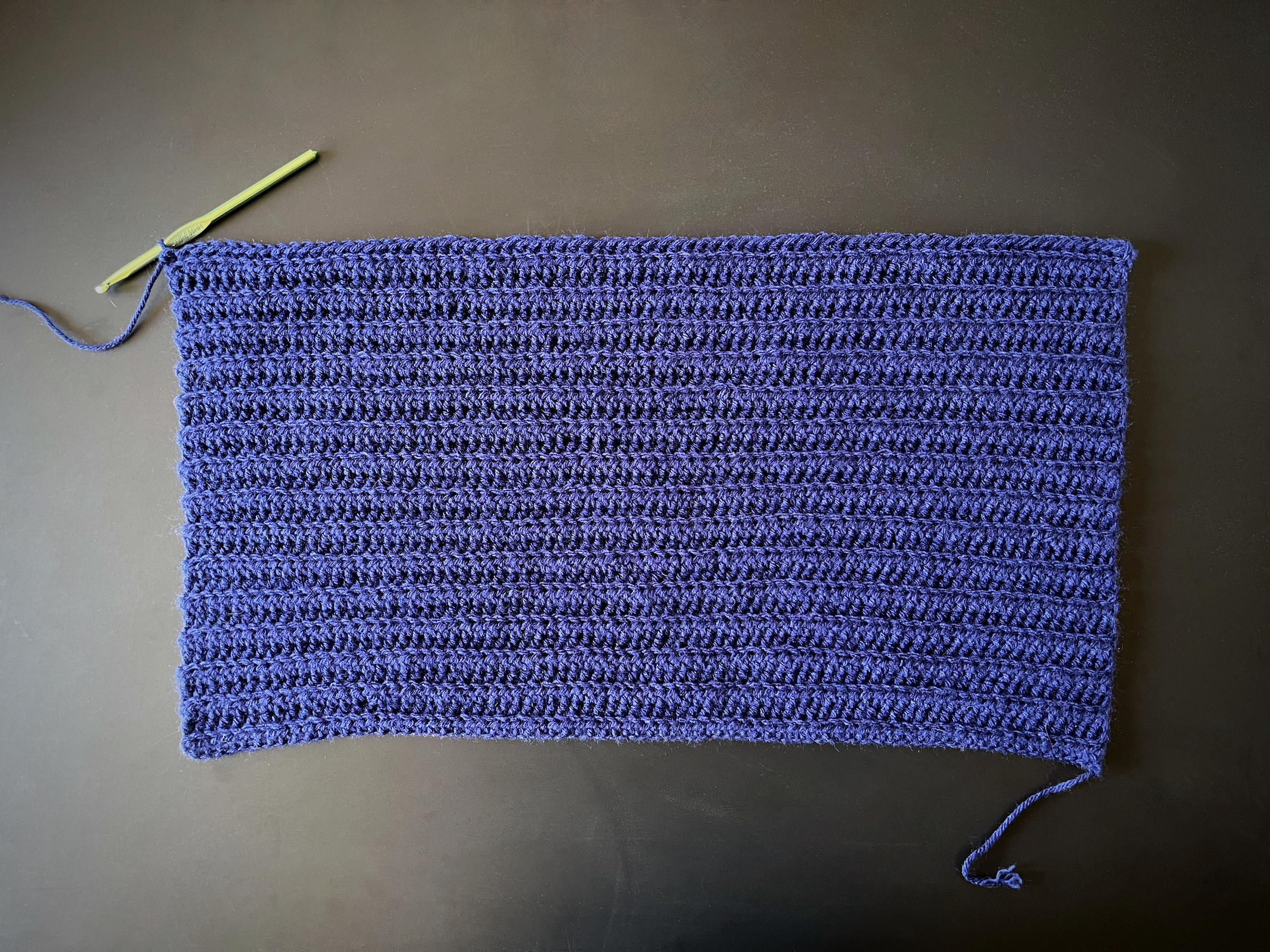
  4. Repeat step 3 until there is a total of 28 to 30 hdc rows (the amount of rows can be adjusted so that the width of the project matches half of the circumference of your head).
  5. After the last hdc of your last row, fold the length of the project in half (the fold will be the top of your hat where the “ears” form).
  6. Using the yarn that is still attached, stitch up this side of the hat towards the fold. Insert your hook through the aligned stitches on either side and perform a single crochet to bring them together. 
  7. Once you’ve reached the top corner of the fold, tie a knot and cut the yarn. Use a yarn needle or a small crochet hook to weave the remaining yarn into the project.
  8. Knot the tail from the beginning of the project to your yarn skein and repeat steps 6 and 7 up the other side of the hat.
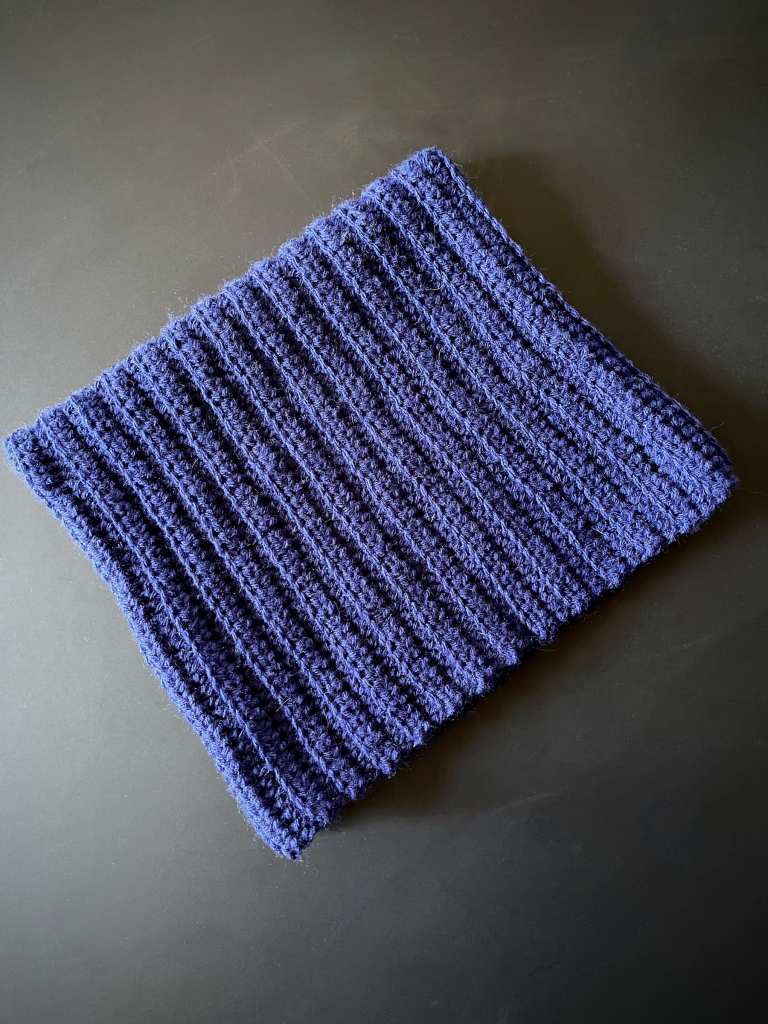
  9. Fold up the brim, place the hat on your head and adjust the ears to your preference!
  10. Enjoy!

DIY Crochet – Warm, Fuzzy Scarf Pattern

Welcome back friends! Do you crochet? I dabbled in crochet off and on for a few years, always fascinated, but never fully catching on. I kept at it, and suddenly, it clicked! I feel calm and cozy when I’m crocheting, and fiercely proud whenever I complete a project.

It’s that time of year for keeping warm! Whether you’d like to create a scarf for yourself or to gift to a friend, I’m here to help! 

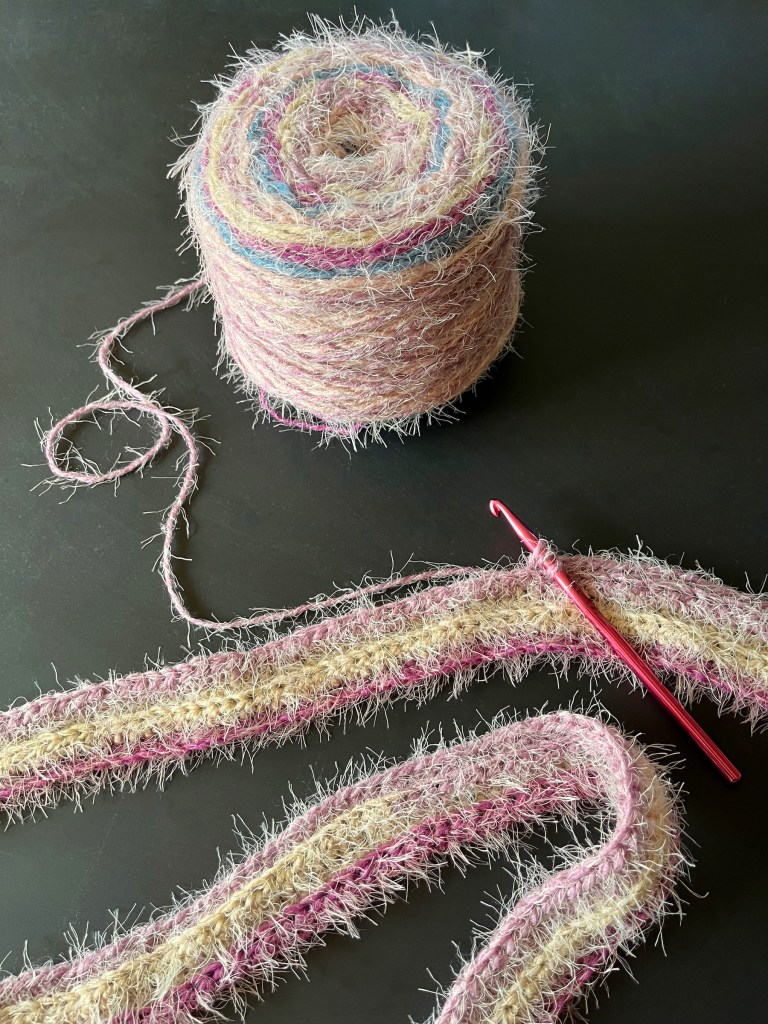
This scarf is cozy classic and ideal for any level of crocheter (beginners included)! Any bulky size 5 yarn can be used in this pattern, but for the soft and fuzzy results of my example piece, I used Carron Latte Cakes Yarn.

SUPPLIES
  • Crochet hook (size 6mm)
  • Carron Latte Cakes Yarn (Color: Rose Scented)
  • Scissors
  • Yarn needle or small crochet hook
INSTRUCTIONS
  1. Create a slip knot, then chain 250 stitches.
  2. Turn your chain around and half double crochet (hdc) into the third stitch from the hook. Continue to hdc in each stitch all the way across your chain.
  3. Chain 2 and turn your work. Hdc into the back loop of the third stitch from the hook, then continue to hdc in the back loops of each stitch all the way across your project.
  4. Repeat step 3 for the next thirteen rows for a total of 15 hdc rows. You are welcome increase the amount of rows if you’d prefer a wider scarf!
  5. After the last hdc stitch of your last row, use the scissors to disconnect the yarn from the skein and pull the loose end through your crochet loop.
  6. Using a yarn needle or a small crochet hook, weave the loose ends of the yarn into the surrounding scarf.
  7. Wrap around your neck and get cozy!

DIY – Crochet Pumpkin with a Cinnamon Stick Stem

Welcome back friends! Do you crochet? I dabbled in crochet off and on for a few years, always fascinated, but never fully catching on. I kept at it, and suddenly, it clicked! I feel calm and cozy when I’m crocheting, and fiercely proud whenever I complete a project.

It’s that time of year for autumn decor! So let’s create a crochet pumpkin with a cinnamon stick stem!

SUPPLIES
  • Crochet hook (size 5.5mm)
  • Medium yarn (size 4)
  • Fiberfill stuffing
  • Scissors
  • Yarn needle
INSTRUCTIONS
  1. Create a slip knot and then chain 31 stitches.
  2. For this piece, we will be working in the back loop only for all stitches.
  3. Starting in the 2nd chain from the hook, create 3 slip stitches, 6 single crochets, 12 half double crochets, 6 single crochets and 3 slip stitches. Then chain 1 and turn the project around.
  4. Repeat step 3 until the project measures about 12 inches long across the center.
  5. Join the two short sides of the project together, and insert the hook into the back loop of the working stitches and the starting chain as you stitch the final row.
  6. Sew a running stitch along the bottom edges of the project and pull to gather. Then tie a knot, weave in some of the excess yarn, and cut off the rest.
  7. Turn the pumpkin project over and stuff it with fiberfill until it’s as plump as you want it.
  8. Sew a running stitch along the top of the pumpkin and pull to gather, leaving a hole large enough to insert a cinnamon stick. Then tie a knot, weave in some of the excess yarn and cuts off the rest.
  9. Insert a cinnamon stick into the hole you left for it at the top of the pumpkin. You can hot glue it in place or leave it loose like I did so that I can replace the cinnamon stick if it looses its smell!
  10. Place in your house an enjoy!

How to Dye Cotton Flour Sack Towels

I wonder why white dish towels are so popular? They are nearly impossible to keep stainless and who wants stained and dirty looking dish towels hanging in the kitchen? Trying something new, I purchased a 5-pack of white flour sack towels and dyed them blue! Let me show you how!

SUPPLIES
  • Cotton flour-sack towels
  • Plastic table cover 
  • Paper towels
  • Rubber gloves
  • Plastic container or stainless steel sink
  • Large metal spoon
  • 1 teaspoon of dishwashing detergent
  • 1 cup of salt
  • Rit All-Purpose Dye (liquid)
INSTRUCTIONS
  1. To remove any finishes that may interfere with dye absorption, pre-wash the flour sack towels in warm, soapy water without any fabric softener.
  2. Prepare your workspace. If you do not have an asphalt driveway to work on like myself, cover your workspace with plastic table cover and have paper towels handy to protect against any possible spills.
  3. To protect your hands from hot water and staining, please wear rubber gloves.
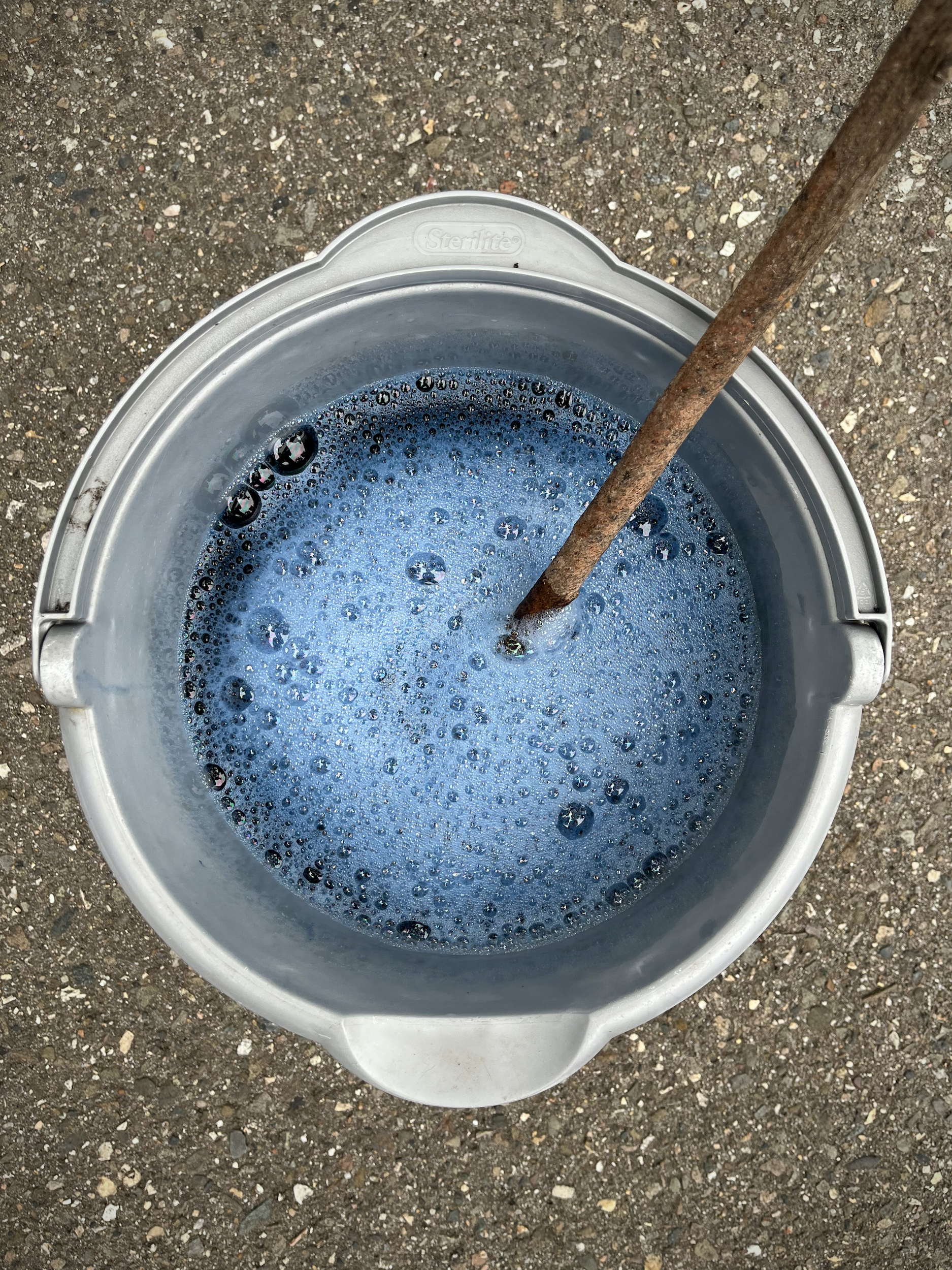
  4. Fill a plastic container or stainless steel sink with enough water for the fabric to move freely when stirred. This water should ideally be 140°F. My tap did not get hot enough, so I used an electric kettle to heat the water and it worked out well!
  5. To enhance the color in cotton: add 1 cup of salt and 1 teaspoon of dish detergent.
  6. Shake the liquid dye well and add it to the dye-bath.
  7. Test the color by dipping a paper towel into the dye-bath. If color is too light, add more dye. If color is too dark, add more water. I used the whole 8 oz. bottle of dye in a plastic bucket filled 2/3 of the way full with water.
  8. Wet the towels, squeeze out any excess water, and add them to the dye-bath.
  9. The first 10 minutes are the most critical, stir slowly and continuously to ensure an even color.
  10. The towels can remain in the dye-bath from 10 minutes up to one hour with stirring. I left mine in for about 45 minutes.
  11. When the desired color is achieved, remove the towels from the dye-bath. Keep in mind that the fabric will look darker when wet and will dry lighter.
  12. Rinse the towels in cool water until the water begins to run clear.
  13. Wash them in warm water with a mild detergent, rinse and dry.
  14. Enjoy!

DIY – Bee Watering Station

Whether you keep a garden or not, bees are so essential to the plant life around us! They need water too, and sometimes sources of water are too deep for them to safely reach. To aid the bees while they are pollinating our plants, let’s create a decorative water dish for them to safely get a drink and keep moving!

SUPPLIES
  • 1 plant saucer
  • 1 plant pot (smaller than the plant saucer)
  • Small, foam paint brush
  • Paint palette (or a tray for your paint)
  • Non-toxic acrylic paint
  • Mod Podge
  • Glass gem marbles
INSTRUCTIONS
  1. Wipe the plant pot and saucer clean with a damp rag and allow to them to dry.
  2. To prime and seal the plant pot and saucer, spread an even layer of Mod Podge on them with a small foam paint brush. Allow them to dry before switching sides and/or applying new layers.
  3. Once the Mod Podge is dry, begin painting the plant pot and saucer with whichever color of non-toxic acrylic paint you prefer! Allow them to dry before switching sides and/or applying new layers.
  4. Apply the paint in layers until you’re happy with the color and texture.
  5. Once the paint is dry, seal the plant pot and saucer again with even layers Mod Podge. Allow them to dry before switching sides and/or applying new layers.
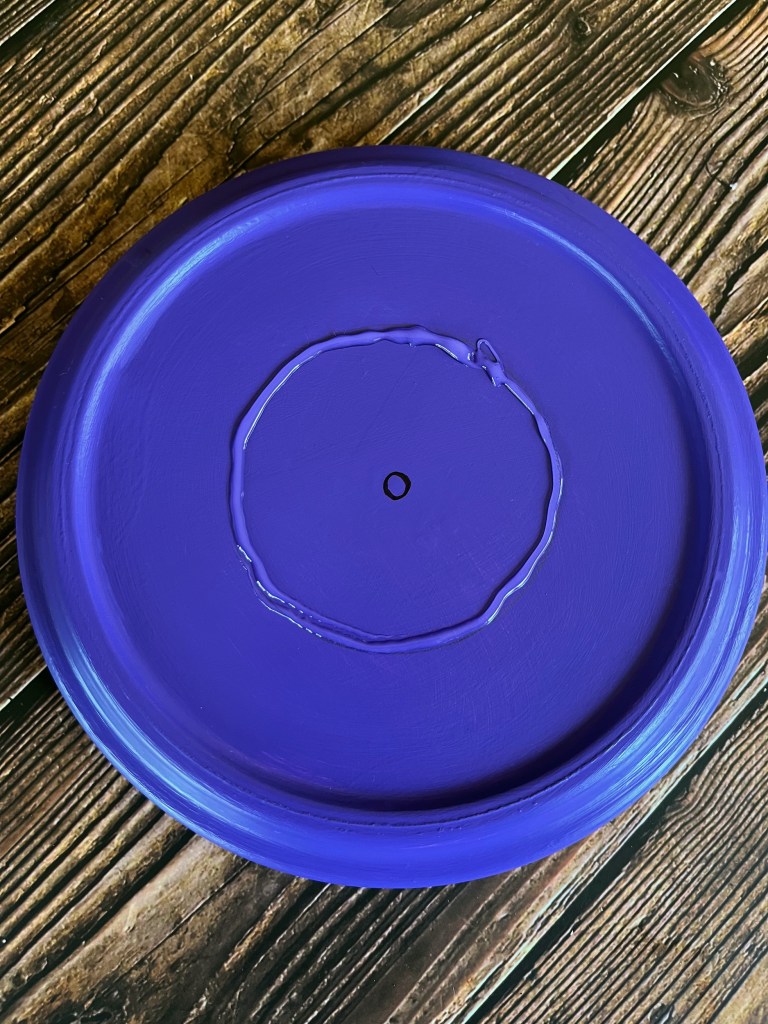
  6. Once the Mod Podge is dry, flip the plant saucer over and find its center. Place the bottom of the plant pot centered on the bottom of the plant saucer and use a pencil to trace around the edge.
  7. Remove the plant pot and carefully apply an even trail of glue just inside the traced circle on the bottom of the plant saucer.
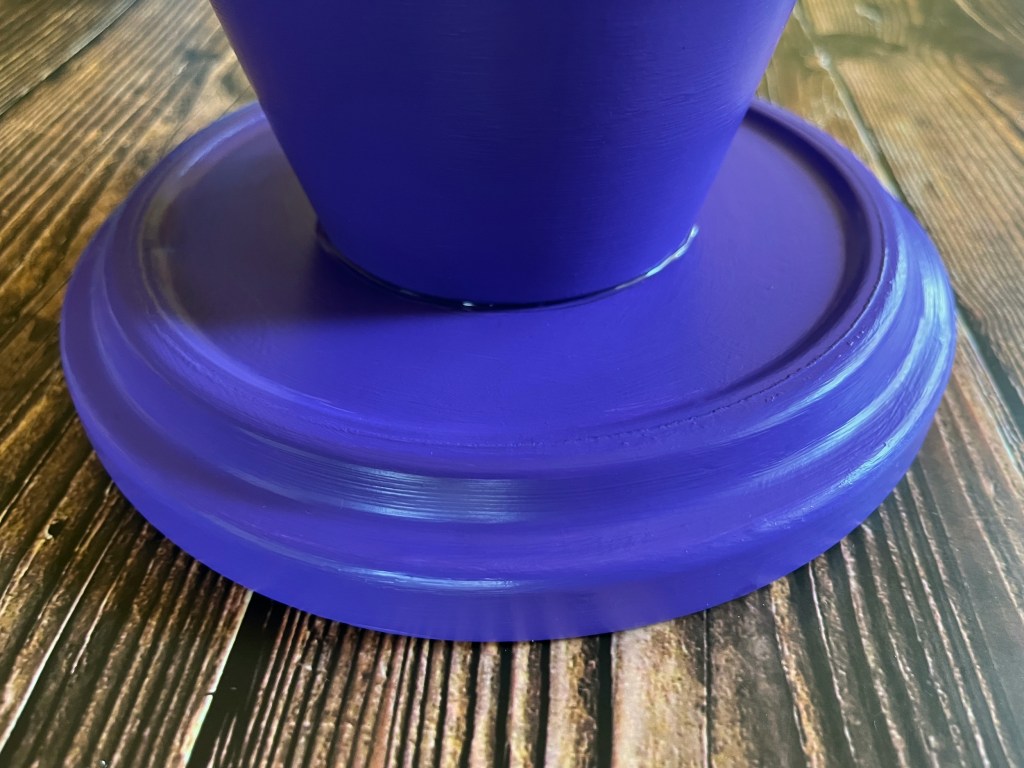
  8. Immediately place the bottom of the plant pot on the bottom of the plant saucer over the circle of glue and press down gently. Leave the assembled water dish as it is, upside down, for at least 24 hours to dry before moving it.
  9. Now, Mod Podge should be left to fully cure for at least 3 weeks before filling the dish with water. Allow the Mod Podge to fully cure before moving on to the next step!
  10. Once the Mod Podge has fully cured (you will know it is when it is no longer tacky to the touch), fill the water dish with glass gem marbles and then with water.
  11. Place the Bee water station outdoors to hydrate those bees!
  12. Enjoy!
DIY – Felt Pie

What child (or inner child) doesn’t love preparing toy food in a play kitchen? 

I had a play kitchen when I was a little girl and loved preparing pie for myself, my sister and my parents. Now that I’m grown and have a daughter of my own, I want to make her some handcrafted play food so she can enjoy making meals for everyone during play, or while we cook in the kitchen next to her!

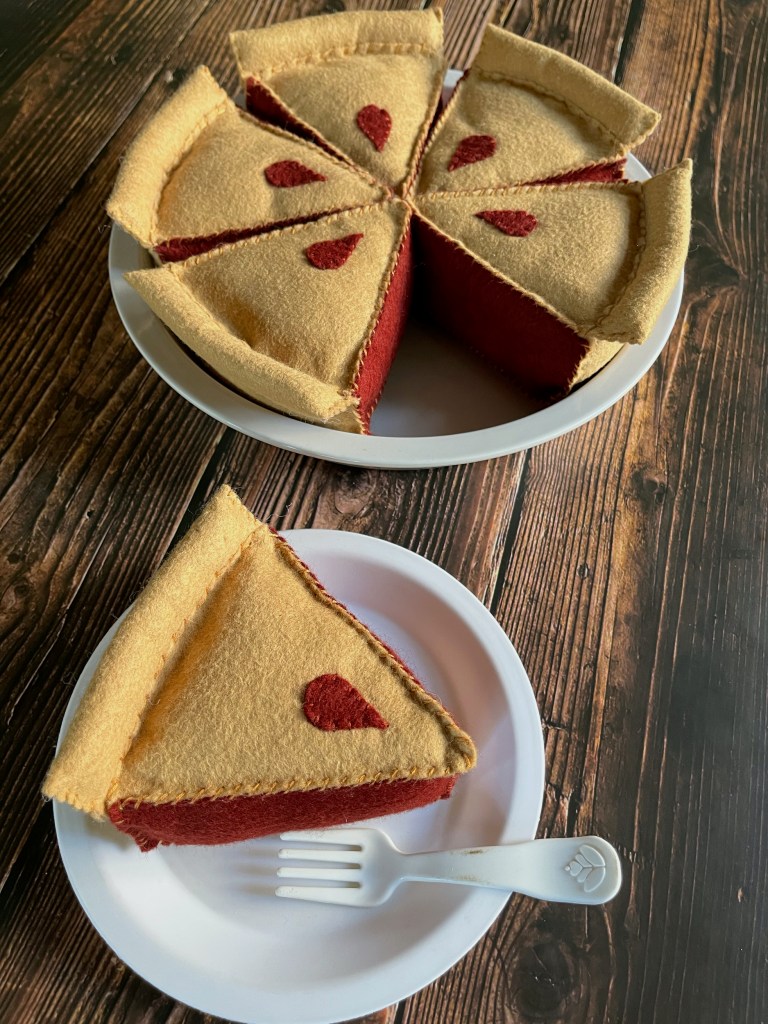
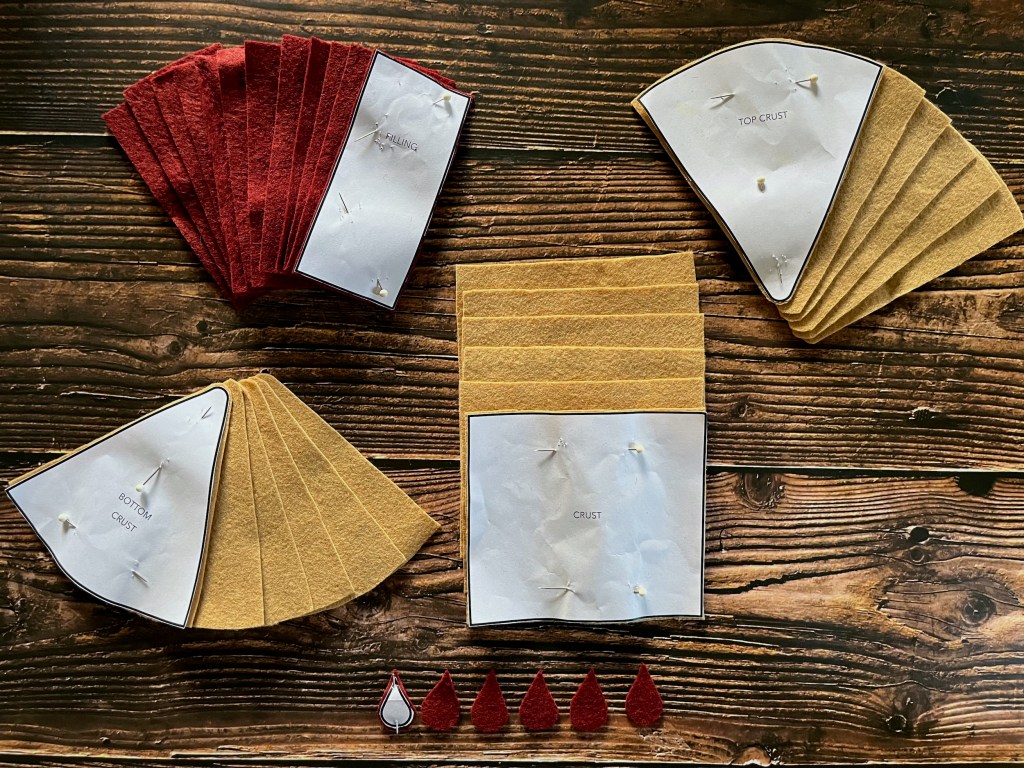
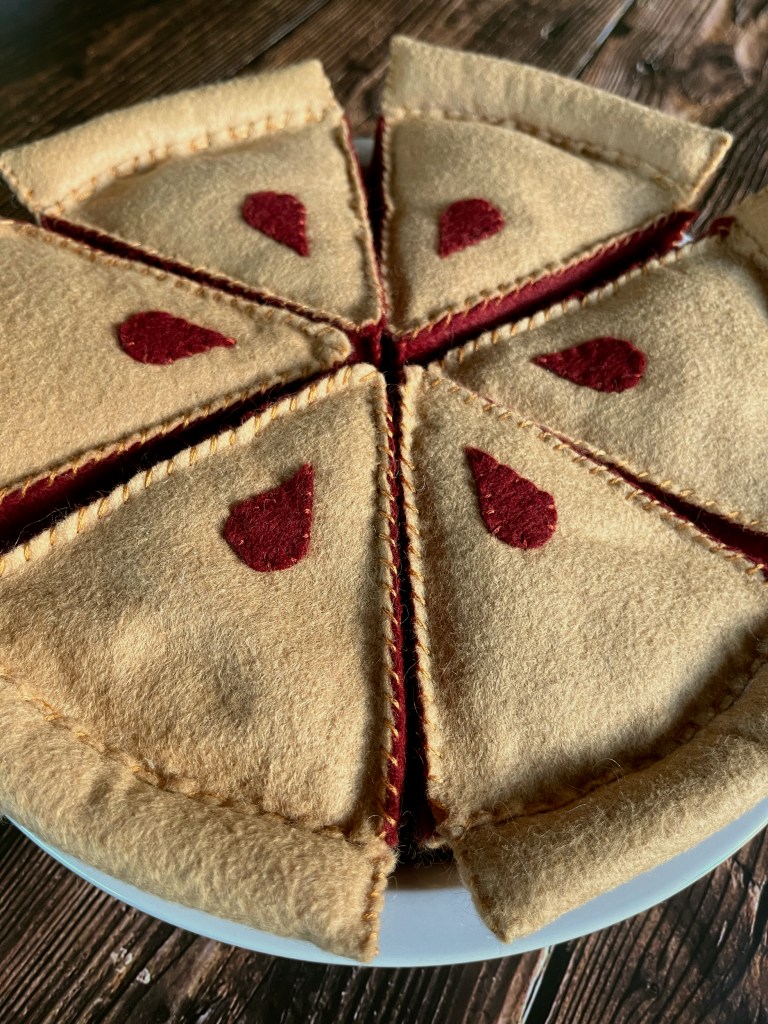
Please feel free to use these patterns to create some play food for you and yours! This pattern will make one slice of pie. I made 6 slices total to create a whole pie. You can duplicate it as much as you want to make multiple pieces of each food!

SUPPLIES
  • Pie patterns (see above) 
  • Paper scissors
  • Light tan felt material
  • Red felt material (or whichever color you want for the pie’s interior)
  • Fiberfill stuffing
  • Sewing pins
  • Sewing scissors
  • Sewing needle
  • Embroidery floss (light tan and red or whichever color you choose for the pie’s interior)
INSTRUCTIONS
  1. Print out the pie pattern I’ve provided, then cut the patterns from the paper.
  2. Pin the patterns on the appropriate colored felt, then use sewing scissors to cut the felt.
  3. Thread a sewing needle with red embroidery floss to sew the pie filling together.
  4. Using a whipstitch, begin sewing along one of the short edges of the pie filling, conceal the knots in between the two pieces of felt.
  5. Pin the red vent piece to the top crust piece and use red embroidery floss to whipstitch the vent “hole” in place.
  6. Thread a sewing needle with light tan embroidery floss and whipstitch the triangular shape of the pie filling to the triangular shape of the bottom crust. Conceal the knots inside.
  7. Continue using light tan embroidery floss to whipstitch the triangular shape of the top crust to the triangular other side of the pie filling. Conceal the knots inside.
  8. Align the back crust to the open back end of the pie we’ve already stitched together. This piece will be taller than the main pie structure and that’s perfect! We are going to fold the excess down to create the edge of the crust!
  9. Beginning at the top of one side of the filling, whipstitch down the filling, along the bottom crust then up the other side of the filling. Stop here to stuff the pie.
  10. Stuff the inside of the pie with fiberfill, then continue stitching the back crust to the top crust. Conceal the knots inside.
  11. Fold the extra felt down to create the edge of the crust and stitch along where the end meets the back of the pie. Conceal the knots inside.
  12. Stuff the edge of the crust with fiberfill and then sew the sides shut to keep the stuffing in. Conceal the knots inside.
  13. Repeat steps 2 through 12 five more times for a full pie!
  14. Enjoy!

DIY – Snow White and the Seven Dwarfs Peg Dolls

Part of the fun in raising Zoey is making things that delight her; I want to create lasting, meaningful toys for her that are made with love and will be loved! Wooden toys are classic and beautiful, when created and treated right, they can last a lifetime; so let’s make some!

It’s no secret that Cameron and I love Disney. We’ve begun showing Zoey the classics, starting with the first full length animated feature that started them all! Snow White!

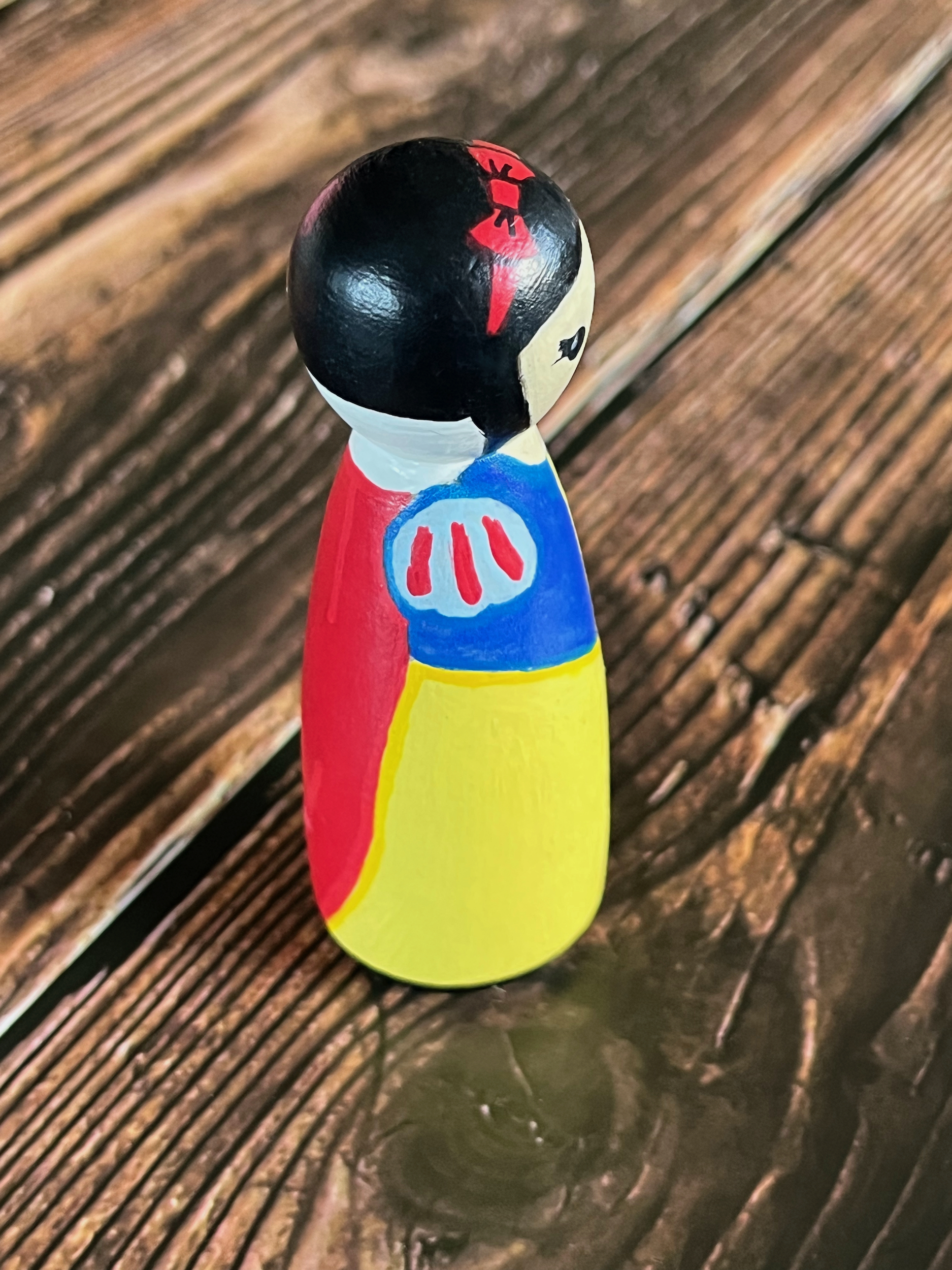
This week I’ll be sharing the steps I took to create a Snow White peg doll, along with her friends, the seven dwarfs.

SUPPLIES
  • Blank peg doll(s)
  • Small, flat & fine tip paint brushes
  • Paint palette (or a tray for your paint)
  • Non-toxic acrylic paints
  • Non-toxic varnish (I used Duraclear Ultra Matte Varnish)
INSTRUCTIONS
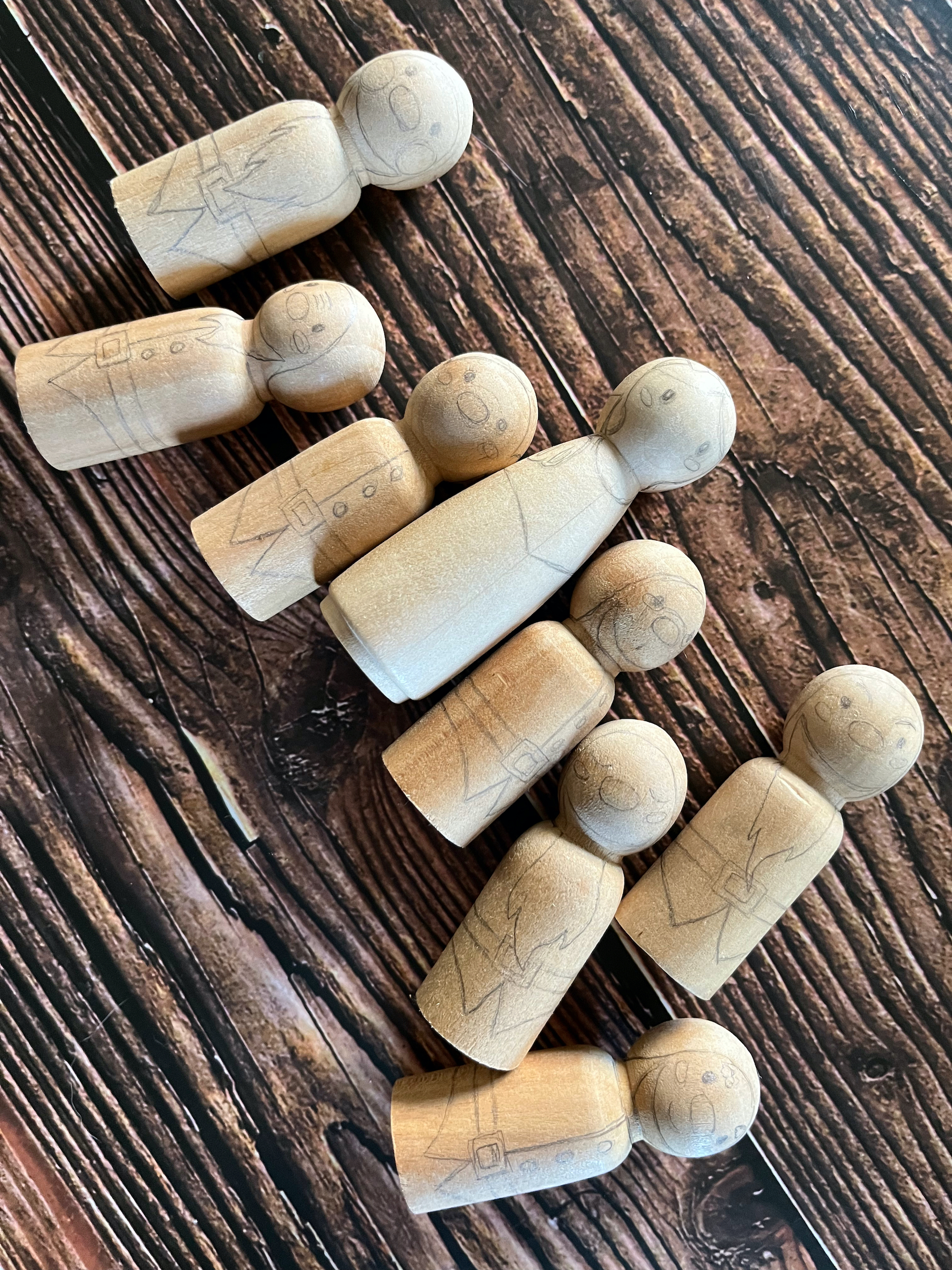
  1. With a pencil, lightly sketch Snow White onto a blank peg doll.
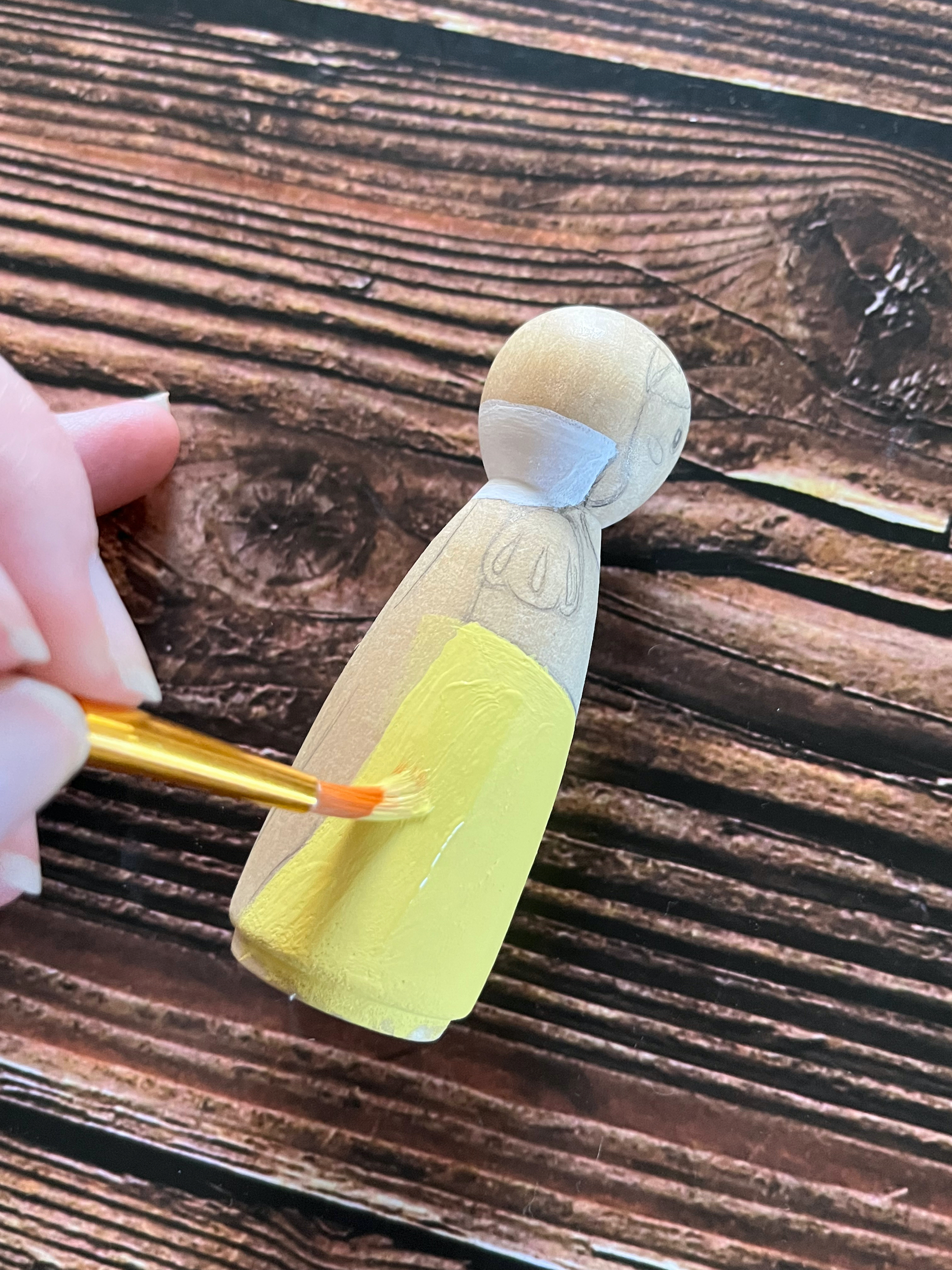
  2. Begin painting your peg doll with the base layers first. I started with the yellow of her dress and the white of her collar. Allow this paint to dry before moving on to avoid smudging, then apply a few more layers of each until you’re happy with the colors and textures.
  3. Paint the very bottom and its edges of the peg doll black to signify her slippers. Also take this opportunity to paint the black of her hair. Allow this paint to dry and apply a few more layers until you’re happy with the colors and textures.
  4. Move to painting the dark blue of her bodice, the light blue of her sleeves and the red of her cape. Allow this paint to dry and apply a few more layers until you’re happy with the colors and textures.
  5. Paint the red of the accents on her sleeves and the red of the bow in her hair. Allow this paint to dry and apply a few more layers until you’re happy with the colors and textures.
  6. Finish up with outlining and/or adding small details, including a small thin yellow line down the middle of her bodice. Allow this paint to dry and apply a few more layers until you’re happy with the colors and textures.
  7. Taking something small and round (I used the opposite end of one of my smaller paint brushes) dip it in black paint and dot the two eyes. Using the finest tipped paintbrush you can find, give her an eyelash or two on each eye.
  8. Using the same method as the eyes, dip the opposite end of a slightly larger paintbrush into light pink paint and dot the blush under each eye.
  9. Allow for all paint to completely dry, then apply a varnish and allow it to dry. You can apply as many coats as you want for the finish you want, just allow them to dry in between applications and before handing her over to your child.
  10. If you want to paint the dwarfs too, lightly sketch them on blank peg dolls. I used different characteristics to define each one. For example, Grumpy has scowling eyebrows, Bashful has large blush spots on his cheeks, Sneezy has wrinkles above his nose, etc.
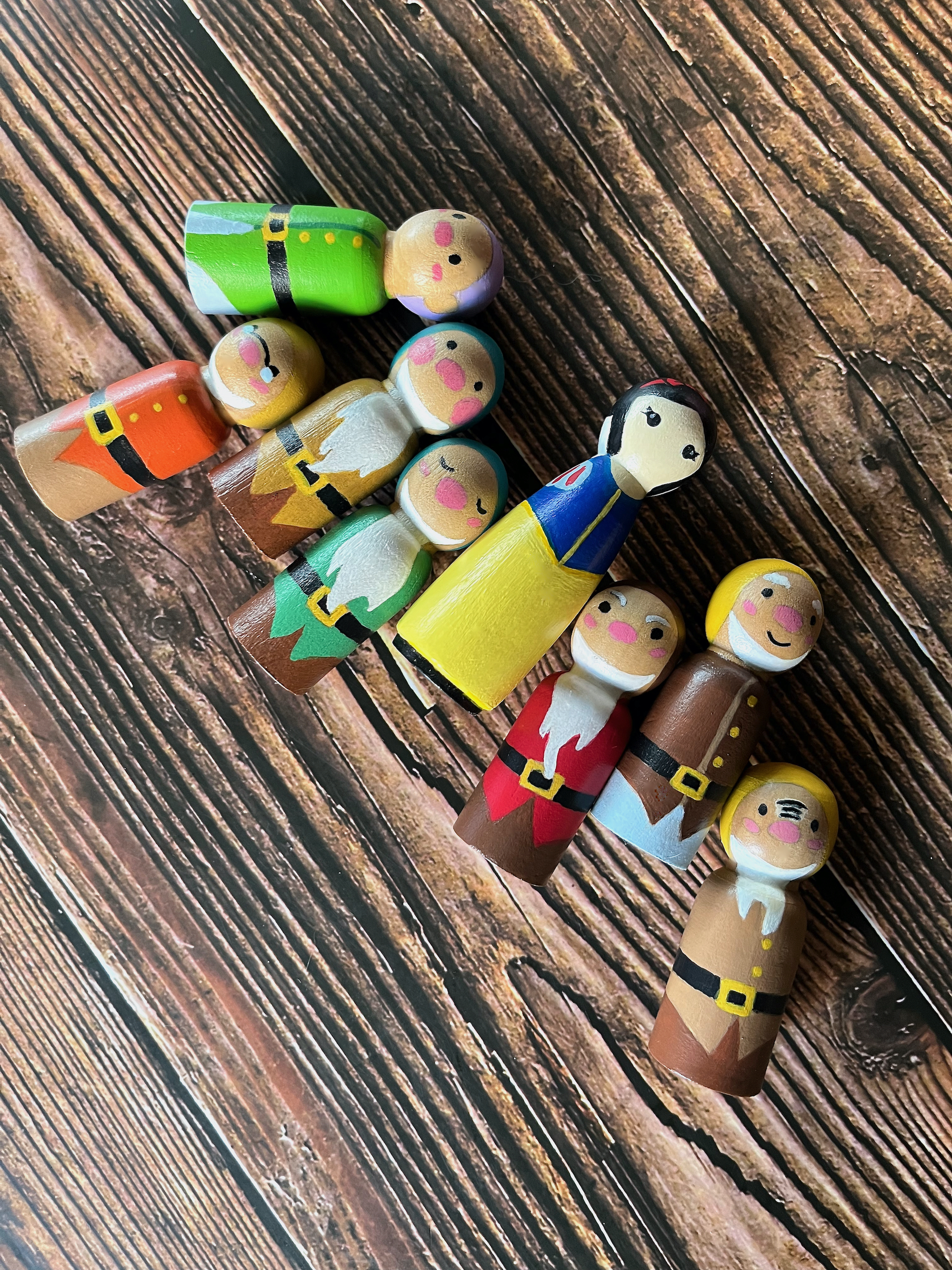
  11. The dwarfs are a colorfully dressed bunch! With different colored hats, shirts and pants it may take awhile to paint them all, but take your time and reference the picture for color. Allow each layer paint to dry and keep applying layers until you’re happy with the colors and textures.
  12. Using a fine tipped paintbrush, paint each dwarf’s white beard (except Dopey of course)! Allow this paint to dry and apply a few more layers until you’re happy with the color and texture.
  13. Taking something small and round (I used the opposite end of one of my smaller paint brushes) dip it in black paint and dot the two eyes.
  14. Using a fine tipped paintbrush, paint each dwarf’s nose and cheeks light pink.
  15. Finish up with outlining/and or adding small details like buttons and buckles!
  16. Allow for all paint to completely dry, then apply a varnish and allow it to dry. You can apply as many coats as you want for the finish you want, just allow them to dry in between applications and before handing them over to your child.
  17. Viola! Snow White and the seven dwarfs are done and ready to be played with! Enjoy!

DIY Heart Handprint Painting for Valentine’s Day

Welcome back friends!

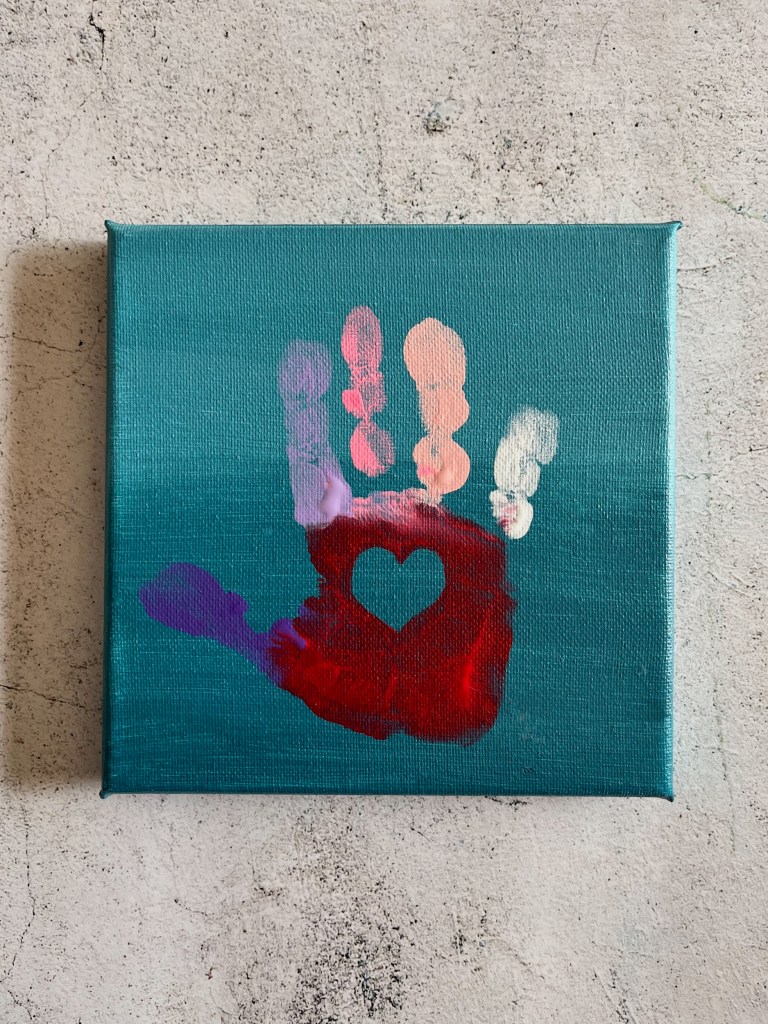
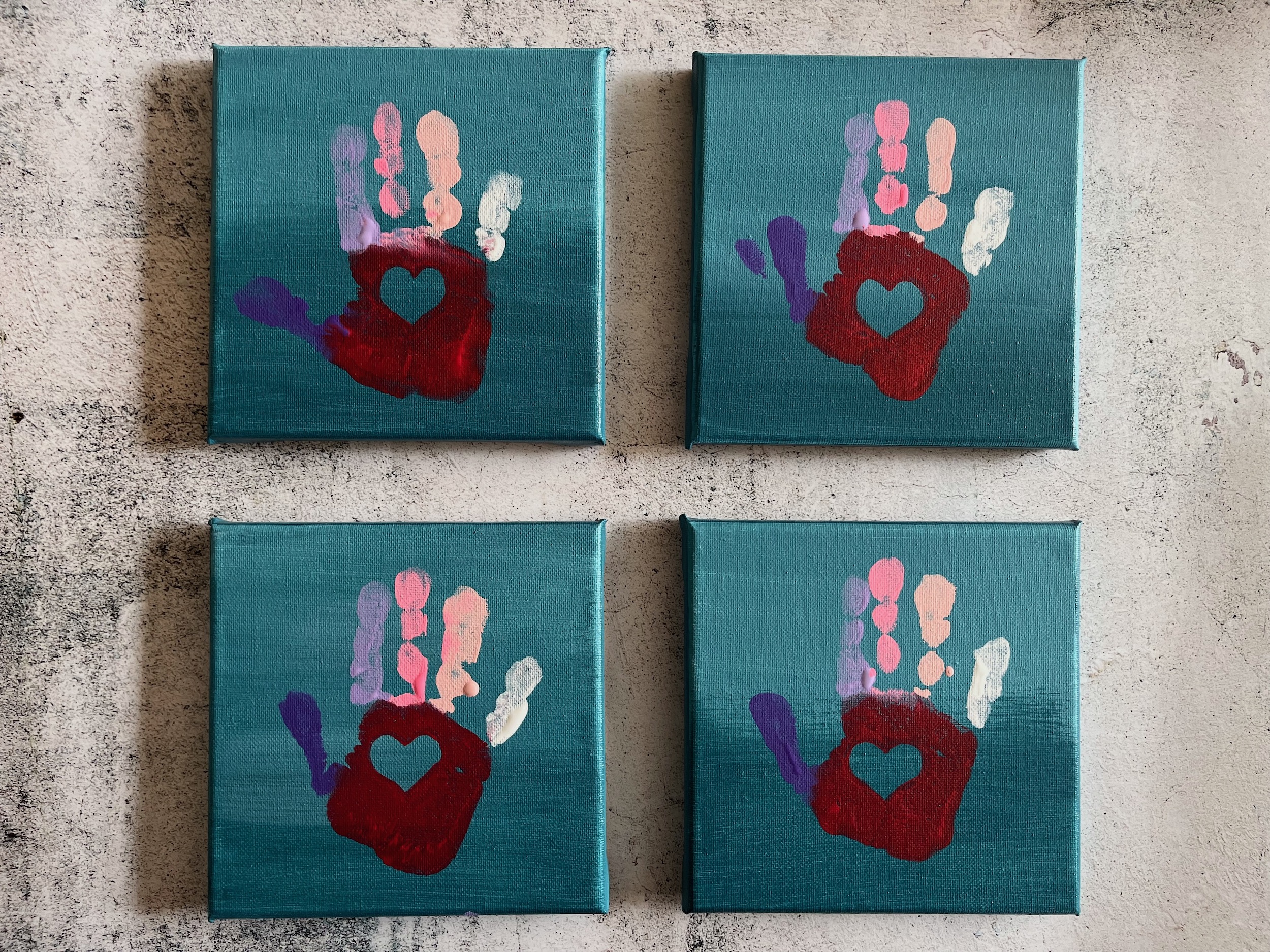
My little girl hasn’t quite reached the age of exchanging multitudes of valentines amongst her classmates and/or friends so I thought we would create a few fun pieces of artwork instead! These heart handprint paintings are the perfect Valentine for moms, dads, grandmas, grandpas, aunts and uncles; the sky is the limit!

Let’s have some fun and get painting!

SUPPLIES
  • Small mounted canvas (large enough for a handprint)
  • Foam paint brushes
  • Acrylic paint
  • Heart shaped paper, small
  • Scissors
  • Sticky tape
INSTRUCTIONS
  1. Select the colors you would like for a background, this can be one or more dependent on your preference.
  2. Squeeze dots of the background paint color(s) you selected on the canvas in any pattern you prefer. I was going for a gradient look so I arranged my dots from light to dark.
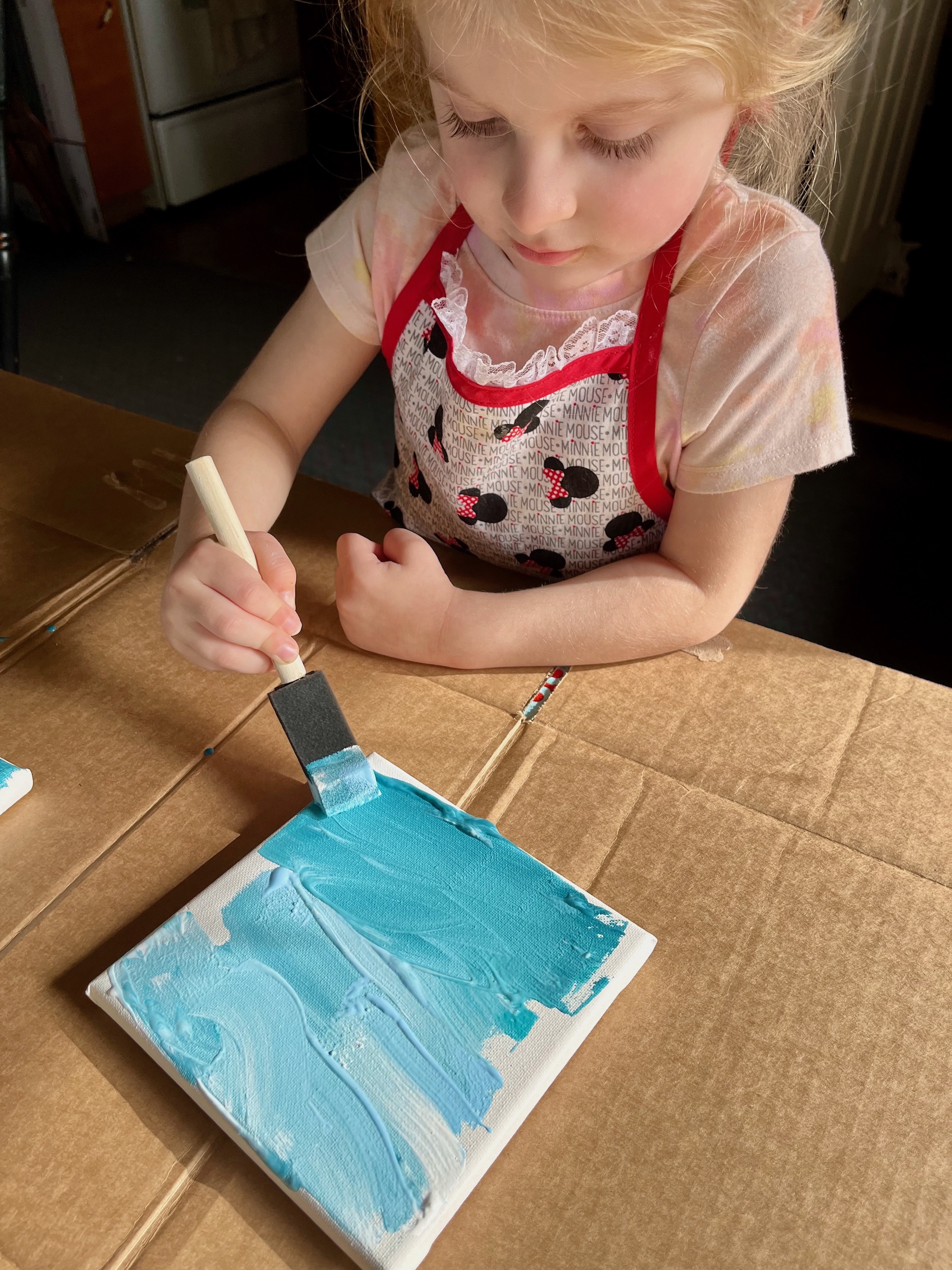
  3. Using a a foam paint brush, you and your little one can spread and blend the paint over the canvas in back and forth strokes.
  4. For a completed look, paint the edges of the canvas if you have not already done so, then set it aside and allow it to fully dry.
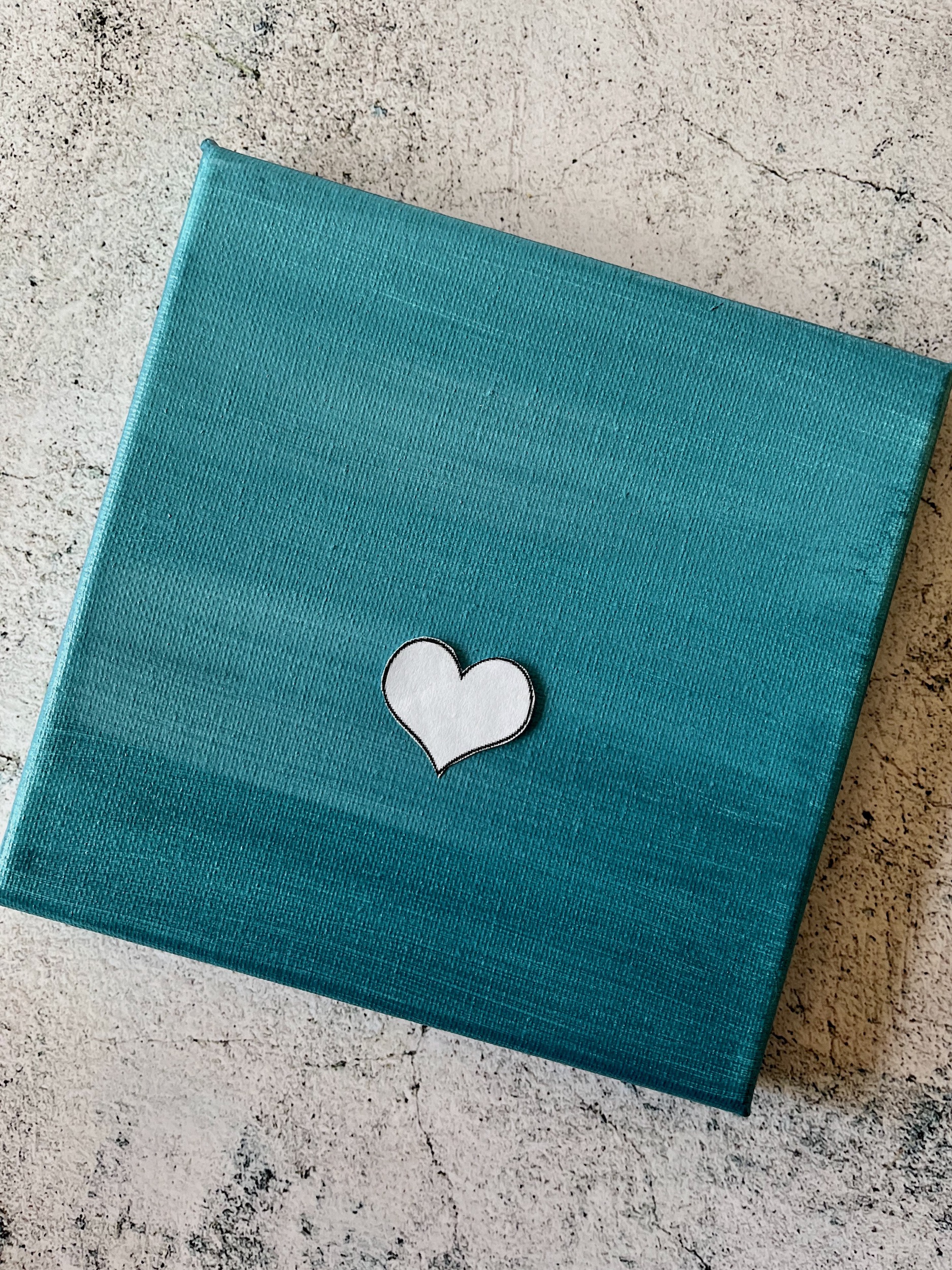
  5. Print and cut a heart out of paper and use sticky tape to attach it to the dry canvas.
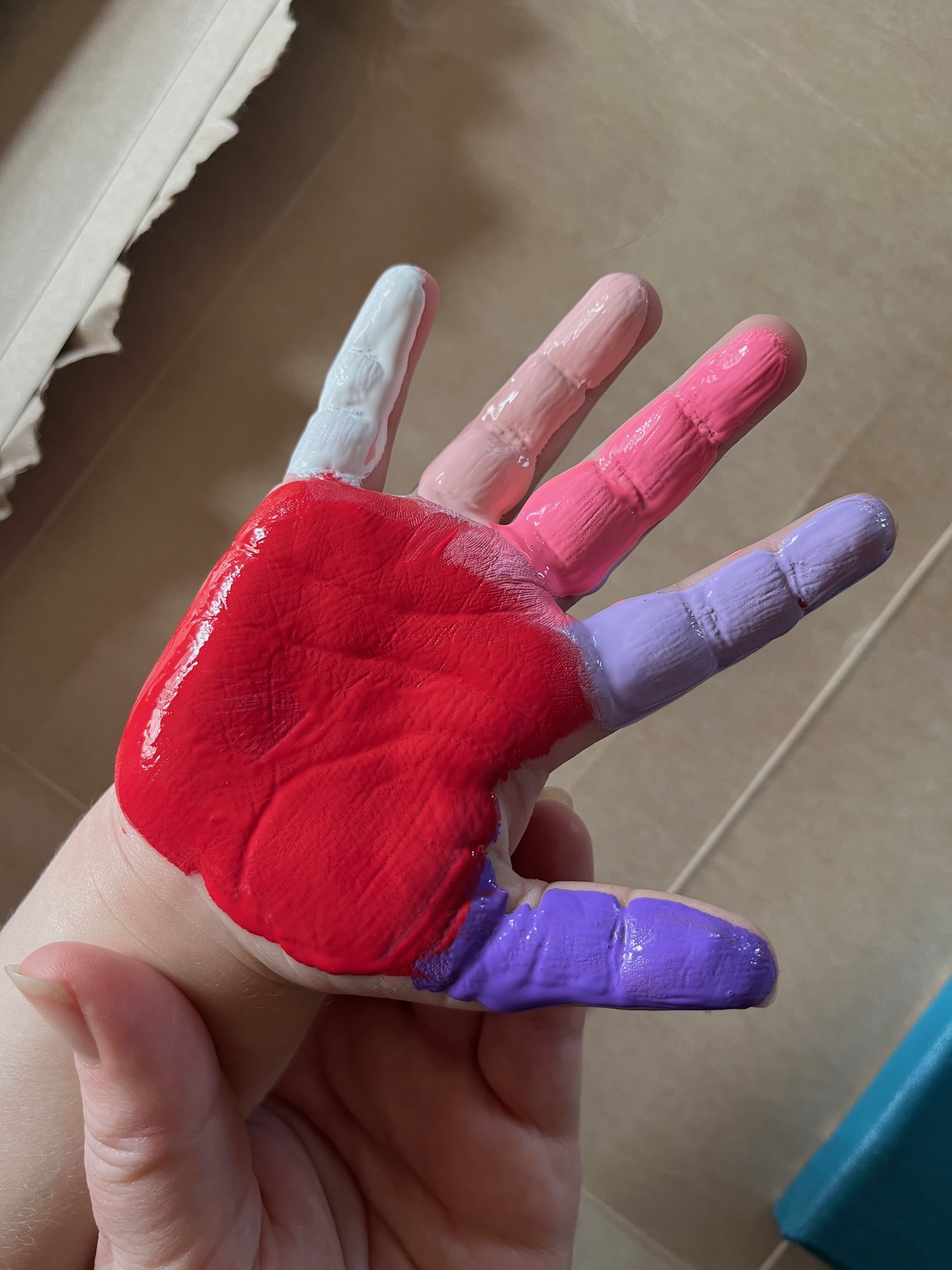
  6. Select the colors you would like to use to create the handprint, this could be one color or more, we did six, one for each finger and another color for the palm!
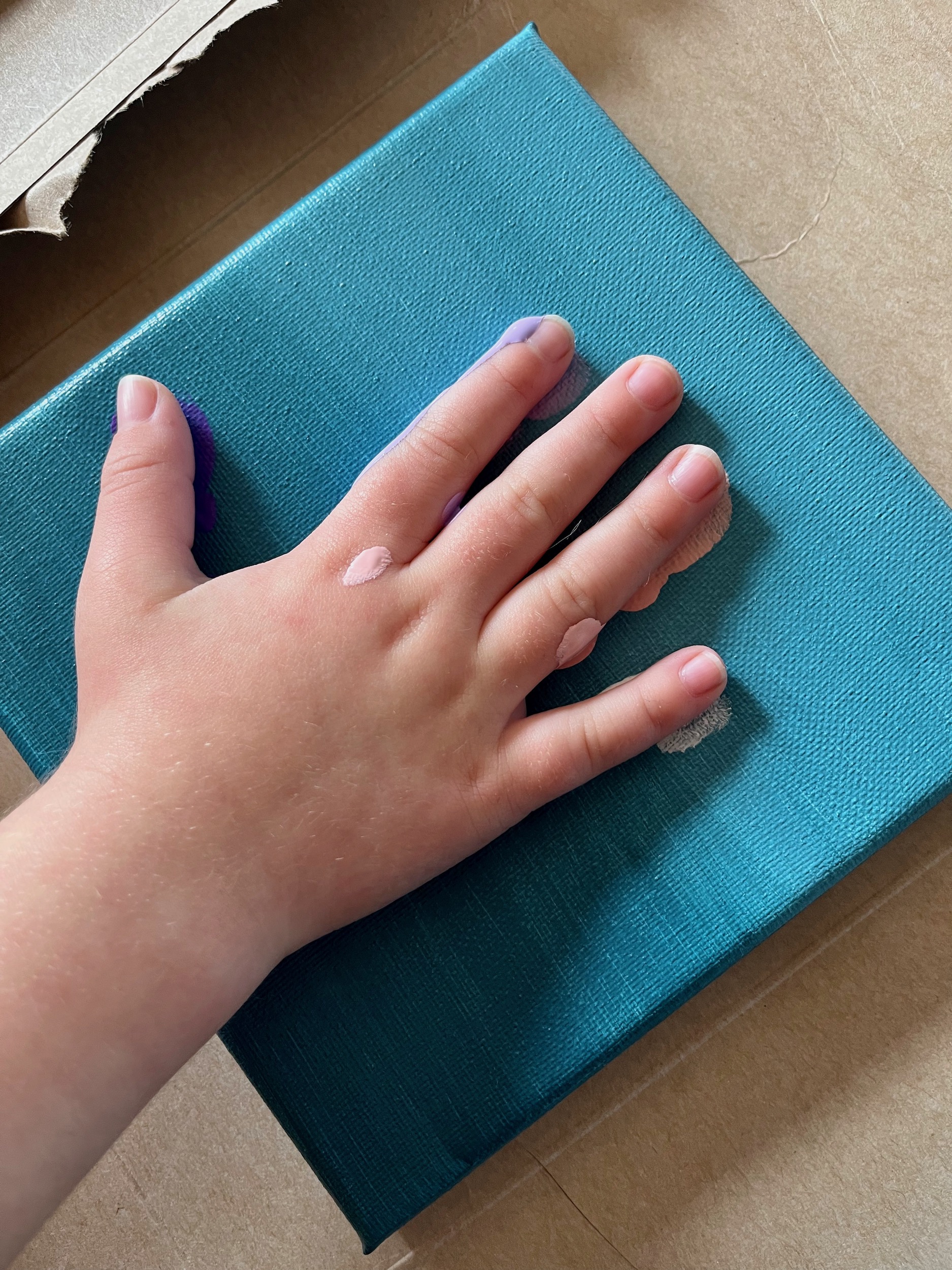
  7. Using a different foam paint brush for each color, brush the colors onto your little one’s hand. Gently press the painted hand down on the canvas, aligning the heart under their palm.
  8. Gently pull the hand away, then peel away the heart if it did not come off onto the hand.
  9. If needed, use a small paint brush to touch up the edges of the heart, then allow the painting to dry.
  10. Enjoy!